
When you evaluate floating ball valve performance for your business, pressure drop is often the number one factor that separates efficient systems from costly ones. A high pressure drop forces your pumps to work harder, increases energy consumption, and reduces the overall throughput of your process line. Understanding how a low pressure drop impacts floating ball valve working efficiency helps you make smarter procurement decisions and keep your operations running at peak performance.
In this guide, you will learn exactly how pressure drop occurs inside a floating ball valve, why it matters for your bottom line, and what design factors — from the ball valve seat design to the ball valve sealing system — determine how much pressure your business loses across every valve in your system.

Pressure drop refers to the reduction in fluid pressure as it passes through a valve, fitting, or pipeline component. For your business, this is not just a technical number — it directly affects pump sizing, energy costs, and how efficiently your entire system moves fluid from point A to point B.
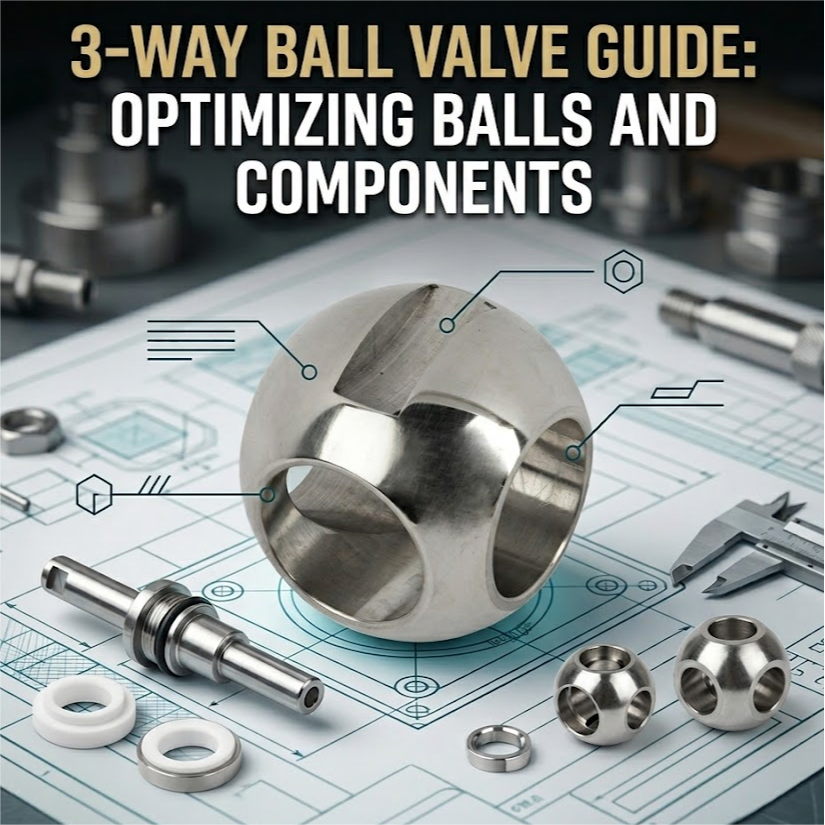
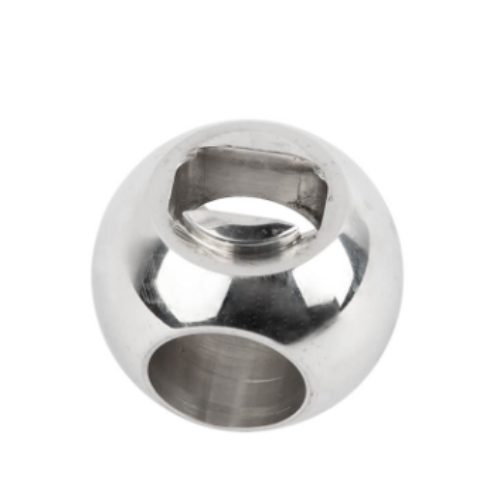
In a floating ball valve, the ball is held in place by two seats rather than a fixed trunnion, and the upstream pressure pushes the ball slightly against the downstream seat to create a tight seal. This design is inherently efficient, but the amount of pressure lost as fluid passes through still depends heavily on bore size, seat geometry, and internal surface finish. When you understand this mechanism, you can better evaluate whether a given ball valve floating ball design will meet your flow requirements without unnecessary energy loss.
A low pressure drop is not simply a performance metric on a spec sheet — it has real, measurable impacts on your operating costs and equipment lifespan. Here is what a well-engineered, low-pressure-drop floating type ball valve delivers for your operation:
If your business operates continuous or high-volume processes, even a small reduction in pressure drop across multiple valves can translate into significant annual energy savings.

The ball valve seat design plays one of the most important roles in determining how much pressure your system loses at each valve. Seats that are precisely machined and properly matched to the ball’s spherical surface allow fluid to pass through with minimal turbulence, while poorly designed or worn seats create uneven flow paths that increase resistance.
For your business, this means the seat material and geometry you choose should align with your specific fluid type, temperature, and pressure conditions. PTFE, RPTFE, and metal seats each behave differently under pressure, and selecting the wrong material can lead to premature seat deformation — which increases both pressure drop and the risk of leakage over time. To better understand how these internal parts influence flow behavior, you can review how internal components determine ball valve flow direction in a floating ball valve assembly.
Ball valve sealing performance directly affects both leak prevention and flow efficiency. A properly sealed floating ball valve maintains consistent contact between the ball and seats, which keeps the internal flow path smooth and predictable. When seals degrade — due to age, chemical exposure, or mechanical stress — they can create micro-gaps that disrupt flow and increase pressure drop, even before a visible leak occurs.
For your business, this means sealing quality is not just a safety and environmental concern — it is a direct efficiency concern. Regularly inspecting seal condition as part of your maintenance program helps you catch early signs of degradation before they impact your process performance. If accessories such as stems or seats begin to fail, it can trigger a chain reaction of issues; you can learn more about how faulty accessories cause common ball valve failures and how to prevent them.
One of the most practical decisions your business will make when selecting a floating ball valve is choosing between a full port and a reduced (standard) port design. This choice has a direct and measurable impact on pressure drop across your system.
| Factor | Full Port Floating Ball Valve | Reduced Port Floating Ball Valve |
|---|---|---|
| Bore Size | Equal to pipe inner diameter | Smaller than pipe inner diameter |
| Pressure Drop | Minimal, near-unrestricted flow | Higher due to bore restriction |
| Flow Coefficient (Cv) | Higher Cv value | Lower Cv value |
| Energy Efficiency | Better for continuous, high-flow systems | Lower initial cost, higher long-term energy use |
| Best Use Case | Pigging lines, high-flow processes | General isolation, cost-sensitive applications |
If your business runs high-volume or continuous processes, a full port floating ball valve typically delivers better long-term value despite a higher upfront cost, because the reduction in pressure drop lowers your energy expenses over the valve’s service life.
When you are evaluating valves for your business, consider these factors to minimize pressure drop and maximize working efficiency:
Understanding the fundamental differences between valve types also helps you make a more informed decision. You can explore the difference between a ball valve and a floating ball valve to determine which configuration best fits your application.
Even a well-designed floating ball valve will lose efficiency if it is not properly maintained. For your business, a proactive maintenance schedule helps preserve the low pressure drop performance your valves were designed to deliver:
Pressure drop is the loss of fluid pressure as it passes through the valve body, caused by restrictions in the flow path, seat geometry, and internal surface conditions.
A low pressure drop reduces the energy your pumps need to maintain flow rates, lowers operating costs, and improves overall system throughput.
The floating ball design allows the ball to seal tightly against the downstream seat using line pressure, creating a smooth, low-restriction flow path when properly sized.
Full port valves have a bore equal to the pipe diameter, resulting in minimal pressure drop, while reduced port valves have a smaller bore that increases flow restriction.
Precisely machined seats maintain a smooth internal flow path, while worn or poorly matched seats create turbulence that increases pressure drop.
Yes. Degraded seals can create irregular flow paths and micro-leakage that gradually increase pressure drop, even before a visible failure occurs.
Pressure drop is typically measured using pressure gauges or transmitters installed upstream and downstream of the valve, then comparing the readings under known flow conditions.
Yes. As seats wear, they can deform or develop gaps that disrupt smooth flow, leading to higher pressure drop and potential leakage.
Routine inspection, proper lubrication, timely seat and seal replacement, and regular flushing all help preserve consistent, low pressure drop performance.
Match the bore size to your flow requirements, select seat materials suited to your media, and verify the valve’s Cv rating to ensure it meets your efficiency goals.
Choosing the right floating ball valve is one of the most effective ways your business can reduce energy costs, extend equipment life, and maintain consistent process performance. GOTEB’s engineering team can help you select the seat design, sealing system, and port configuration that best matches your flow requirements.


 Optimized by Seraphinite Accelerator