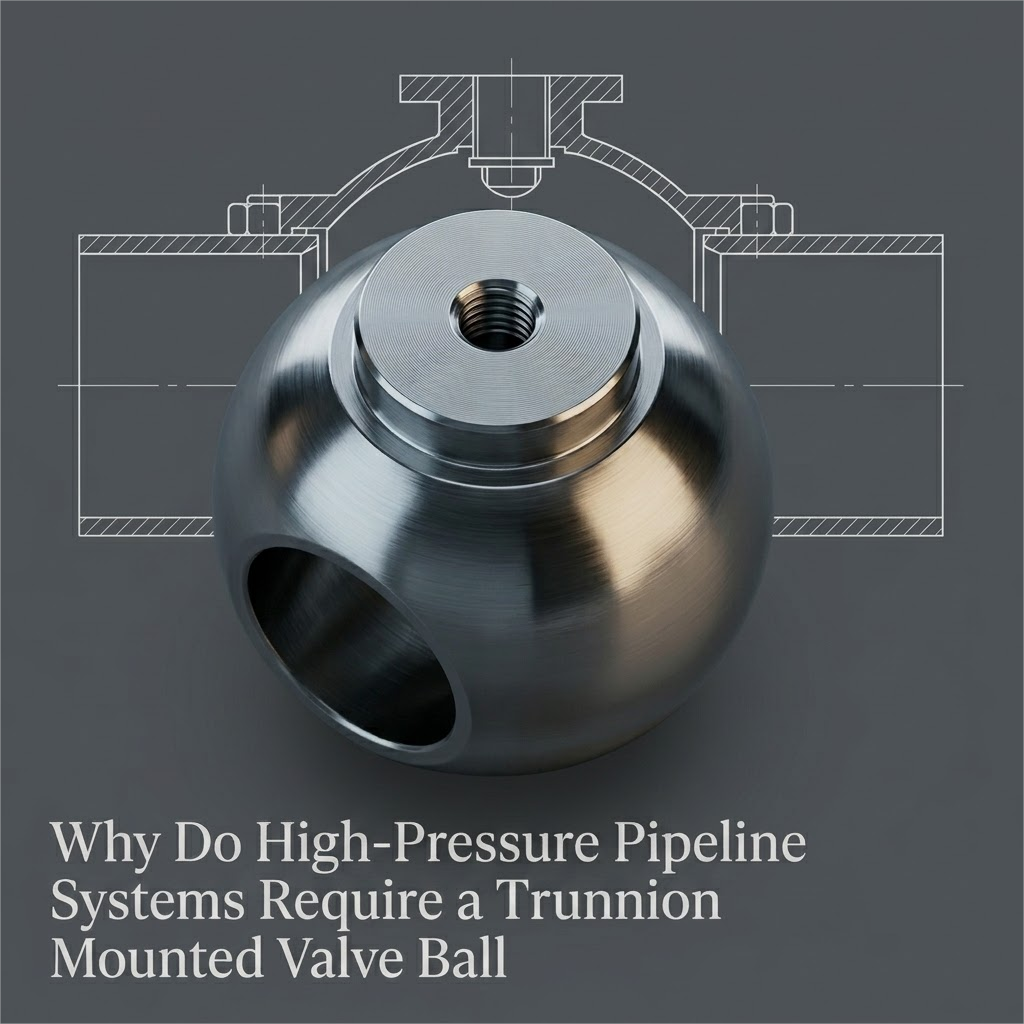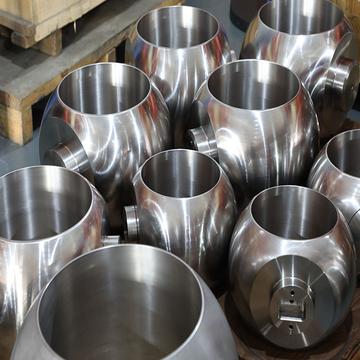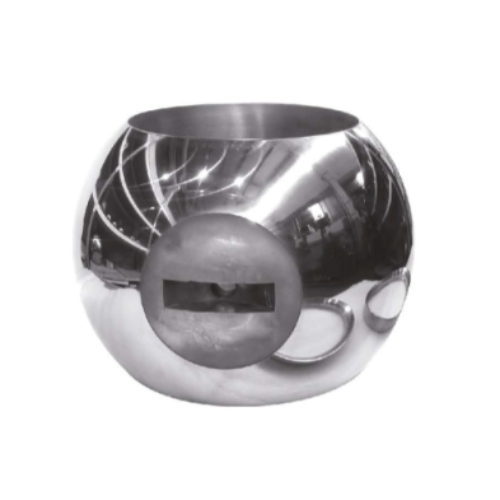


Corrosive chemicals, toxic fluids, and high pressures put constant stress on your processing lines. Choosing a weak ball valve body risks structural failures, environmental fines, and costly plant downtime. For aggressive chemical applications, selecting a high-integrity envelope prevents catastrophic shell breaches. A continuous, dense, forged grain structure always outlasts standard melted alloys under severe stress.
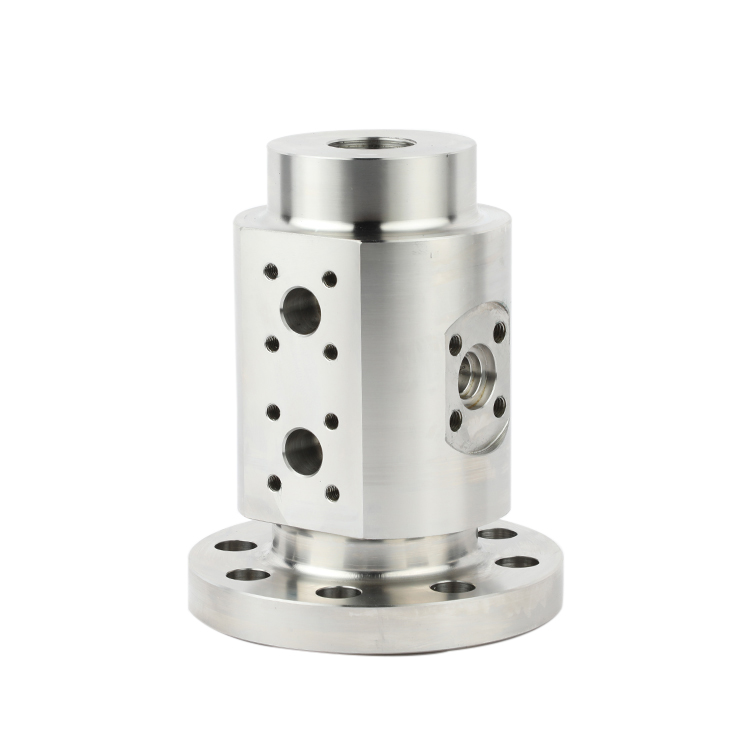
In a cast vs forged valve engineering analysis, the primary difference lies in internal density. Casting pours liquid steel into a mold, often trapping air pockets, while forging uses massive mechanical force to compress solid steel, creating a 100% dense ball valve body with no internal voids.
Melting and Pouring: Liquid metal heated to thousands of degrees flows into sand or ceramic molds shaped like a cast ball valve.
The Cooling Trap: As the liquid alloy solidifies from the outside in, the metal naturally contracts and shrinks.
Microscopic Pockets: This cooling pattern traps tiny pockets of gas, leading to micro-porosity, crystalline gaps, and deep sand holes inside the final metal shell.
Complex Shapes Made Easy: The biggest perk of casting is geometry. It lets factories build intricate internal curves and massive sizes without heavy machining.
Raw Solid Steel: Forging skips the liquid phase entirely. It starts with a solid, high-density metal billet.
Massive Hydraulic Squeezing: Giant industrial presses pound the heated metal billet into the shape of a severe service ball valve.
Shattering the Weaknesses: The immense compression crushes any microscopic imperfections, completely eliminating internal air bubbles and voids.
Directional Grain Lines: Just like the grain in a piece of tough wood, the metal grain flows naturally along the contours of the valve body, giving it incredible structural strength.
Standard poured metal housings crack prematurely in chemical plants because corrosive media penetrates invisible internal sand holes and gas pockets, accelerating localized stress corrosion and causing dangerous wall blowouts.
Acid Penetration: Aggressive chemicals like hot sulfuric or hydrochloric acid scan the metal surface for any microscopic weak spots.
The Pooling Effect: Once the acid slips inside a tiny casting pore or sand hole, it gets trapped inside the wall of the ball valve body.
Accelerated Internal Eating: The trapped acid eats away the protective passive layer of the stainless steel from the inside out.
Sudden Pop Cracks: When your line experiences a sudden pressure spike, these hidden, acid-eaten internal tunnels link up, causing the metal wall to split wide open.
X-Ray Rejections: Cheap cast alloys frequently fail strict non-destructive testing (NDT) because the X-rays reveal a spiderweb of internal air bubbles.
The Repair Money Pit: Grinding out casting defects and weld-repairing them in the shop ruins the local metallurgy, creating zones that rust ten times faster.
Fugitive Emissions Leakage: Microscopic gas molecules can slowly seep right through a porous cast metal wall, causing your plant to fail modern environmental air safety checks.
Installation Pitfalls: Even if a cast body survives the shop, minor installation errors can snap its brittle flanges. You can learn how to protect your systems by reading about 5 common assembly errors that damage ball valve body components during installation.
A heavy-duty severe service ball valve machined from forged steel blocks resists chemical attacks because its ultra-dense, grain-aligned metallurgy provides zero entry points for corrosive pitting, stress corrosion, or acid cracking.
The Brick Wall Shield: A premium forged wall provides a completely uniform, solid barrier that blocks volatile organic compounds (VOCs) from leaking through.
NACE MR0175 Compliance: The compact grain structure easily satisfies strict international anti-sour-gas standards, meaning it will not get brittle when handling deadly hydrogen sulfide (H2S).
Absorbing System Shocks: When a fast-closing valve triggers a heavy water hammer or sudden thermal shock, the forged metal bends slightly and absorbs the hit instead of snapping like brittle cast iron.
The Dosing Line Specialist: A forged steel floating ball valve is the go-to compact choice for high-integrity chemical injection and dosing setups up to 2 inches.
The Big Bore Workhorse: For larger lines with intense flow rates, a forged steel trunnion ball valve anchors the internal sphere to split fluid loads and protect the seats.
Machining Freedom: Because the metal is completely solid, engineers can safely drill extra purge ports, drain lines, or emergency sealant channels directly into the metal frame without worrying about hitting a hidden bubble. To see how these choices affect your fluid streams, check out how internal components determine ball valve flow direction.
Do not select chemical hardware based on price tags alone. Protect your system by verifying certified material test reports (CMTR), demanding 100% non-destructive examination (NDE) compliance, and matching specific alloy grades to your exact fluid chemistry.
Metric 1: Insist on Ultrasonic Testing (UT): Make sure your suppliers verify that the internal core of the metal housing is 100% solid before it ever arrives at your job site.
Metric 2: Target the Right Chemical Grade: Do not settle for basic steels. Choose forged F316L for simple organic acids, but step up to Duplex F51 or Super Duplex F55 if you are handling hot chlorides, brackish water, or rough chemical slurries.
Metric 3: Calculate the Real Corrosion Allowance: Ensure the physical wall thickness has plenty of sacrificial metal baked into the design so it can handle years of abrasive flow without dropping below safe pressure limits.
| Critical Performance Metric | Poured Cast Valve Housings | Compressed Forged Valve Elements |
| Internal Metal Defect Risk | High (Micro-porosity, sand holes, and shrinkage voids are common) | Absolute Zero (Heavy forging eliminates internal air pockets) |
| Corrosive Acid Pitting Resistance | Poor (Acid gathers in micro-voids, accelerating internal structural decay) | Outstanding (Dense, flat grain structure prevents acid penetration) |
| High Temperature Thermal Shock | Low (Rapid temperature swings crack weak grain boundaries) | High (Aligned grain matrix flexes safely under extreme heat changes) |
| Radiography (RT) Pass Rate | Variable (Often requires extensive factory weld repairs to pass) | 100% Reliable (Consistently passes strict ultrasonic and X-ray tests) |
| B2B Long-Term System Value | Low (Cheaper upfront, but triggers high maintenance costs and field leaks) | High (Stops emergency shutdowns; maximizes chemical line uptime) |
Pro Buyer Tip: Look closely at the seat and seal interfaces when reviewing body options. High-pressure chemical leaks usually start where the metal meets the polymer. For a full breakdown of this interaction, see how ball valve parts and function—how structure impacts ball valve leakage—saves your pipeline maintenance budget.
Why are cast valve bodies highly prone to micro-leakage in hot acid pipeline systems?
Molten metal shrinks during cooling, creating micro-voids that let hot acids pool internally and dissolve the metal wall.
When should my chemical plant choose a forged steel trunnion ball valve over a floating design?
Choose a forged trunnion design for pipe diameters above 2 inches or pressure classes over Class 300 to manage massive line thrust.
Can a cast ball valve pass the strict ISO 15848-1 fugitive emission test standards?
Rarely; micro-porosity within cast bodies allows trace hazardous volatile gases to leak directly through the solid metal housing walls.
Which forged steel alloy grade handles severe chemical service better than standard 316 stainless steel?
Super Duplex F55 or Hastelloy C276 forgings offer superior pitting resistance and mechanical yield strength in hot, highly acidic environments.
How can a purchasing manager identify hidden sand holes inside a newly delivered industrial valve body?
Demand a certified non-destructive examination report using radiography or ultrasonic testing to inspect the inner core before shipment.
What is the main downside of using forged steel valve bodies?
Forging requires heavy dies, making custom complex external shapes expensive and slowing down early production lead times.
Does a forged valve body require regular structural weld maintenance?
No, its dense structure completely eliminates the need for cosmetic or structural weld patching common with cast housings.
Can thermal cycling cause a cast ball valve body to crack?
Yes, rapid temperature shifts cause uneven expansion around hidden internal casting voids, triggering sudden structural failures.
Cheap cast housings bring hidden structural defects, quick corrosion, and expensive plant shutdowns. Ensuring long-term chemical line safety requires dense, zero-defect forged components. Contact GOTEB today to send over your chemical media data sheets, or receive a fast wholesale factory quote on our custom-machined severe service valve housings.


 Optimized by Seraphinite Accelerator