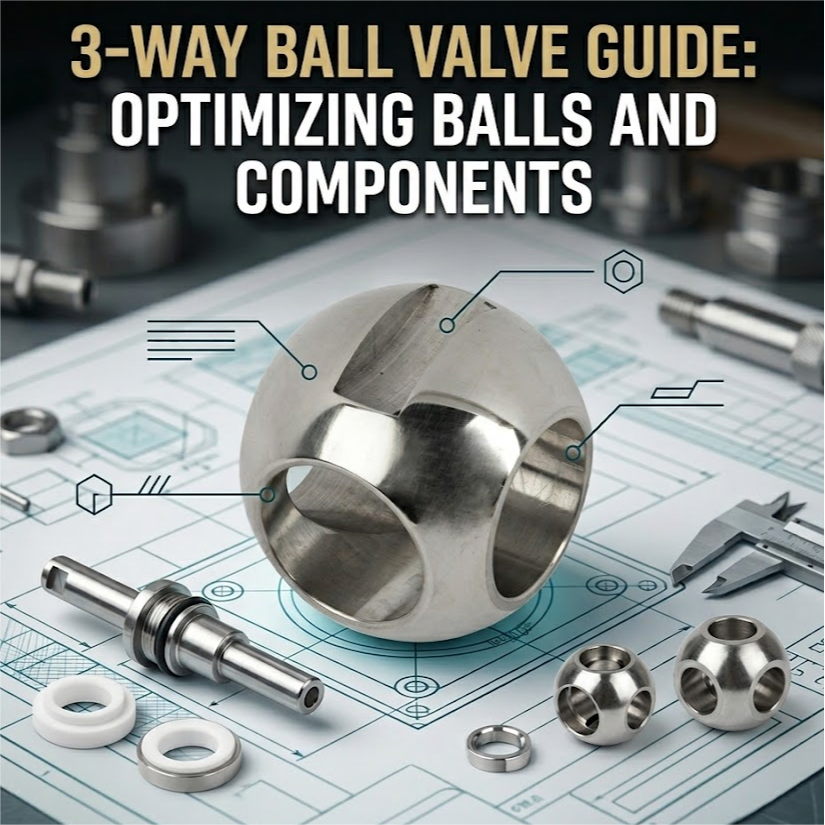


In the industrial world, a tiny leak isn’t just a nuisance—it’s a ticking clock. Common ball valve failures can bring an entire production line to a grinding halt, costing your business thousands in unscheduled downtime. Often, the culprit isn’t the valve body itself, but the “silent” internal parts that have finally given up.
As a specialized valve component manufacturer, GOTEB understands that a valve is only as strong as its weakest O-ring or its roughest stem. This guide serves as your technical roadmap to diagnosing and fixing valve issues at the source.
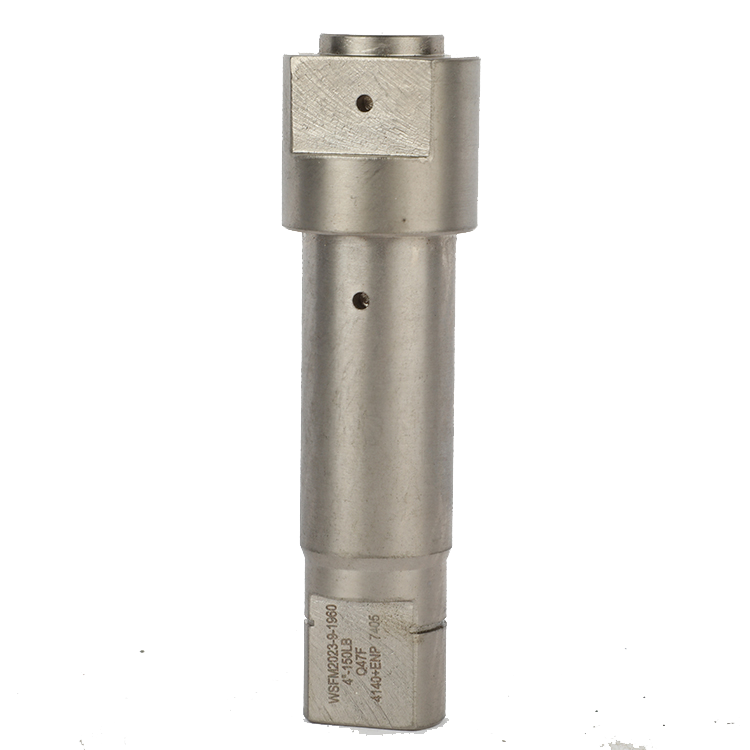
If you see fluid bubbling up around the handle, you’re dealing with a ball valve leaking from stem issues. This is one of the most frequent headaches in maintenance, and it usually points to a failure in the “neck” of the valve.
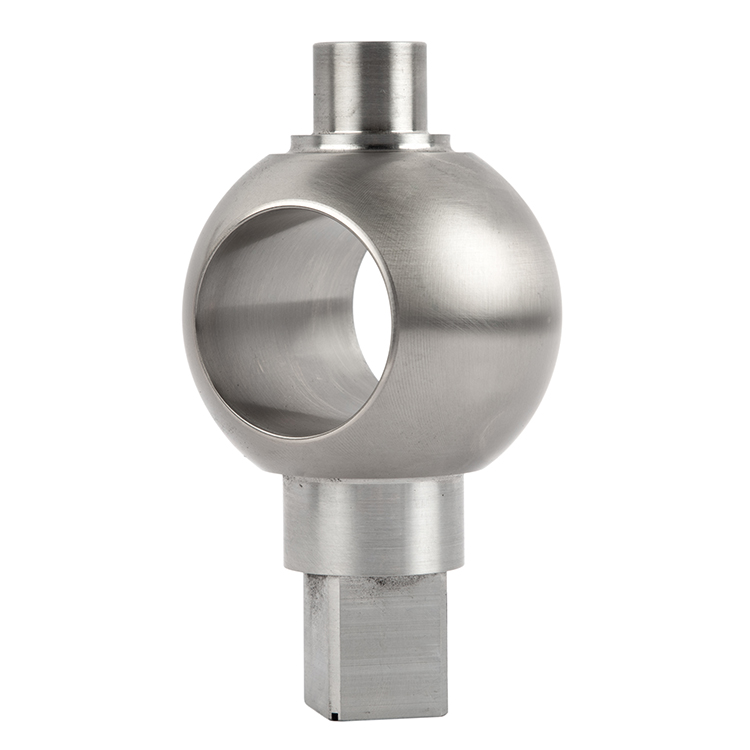
The Culprit: Over time, the stem packing—the seal that wraps around the rotating shaft—gets tired. It wears down or hardens. Sometimes, the ball valve stem itself has tiny scratches that act like a file, chewing through the seal every time you turn it.
The Impact of Friction: If the surface finish on the stem is poor, it creates extra friction. This doesn’t just make the valve harder to turn; it generates heat and abrasion that eats away at your gaskets.
The Solution: Sometimes, a simple turn of the packing nut can stop the bleed. But if the leak persists, it’s time to replace the ball valve accessories. Swapping out old O-rings and gaskets for high-precision replacements is the only way to win this battle.
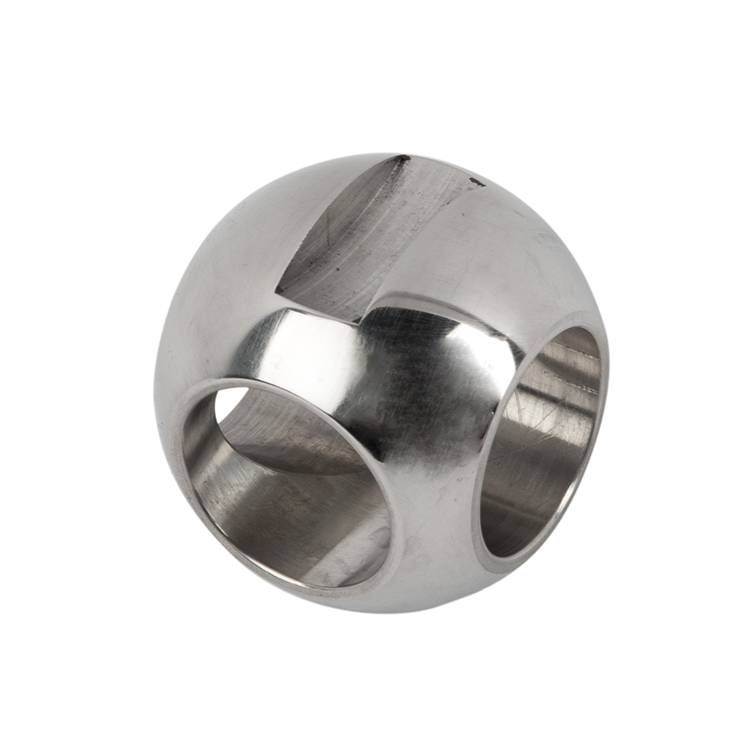
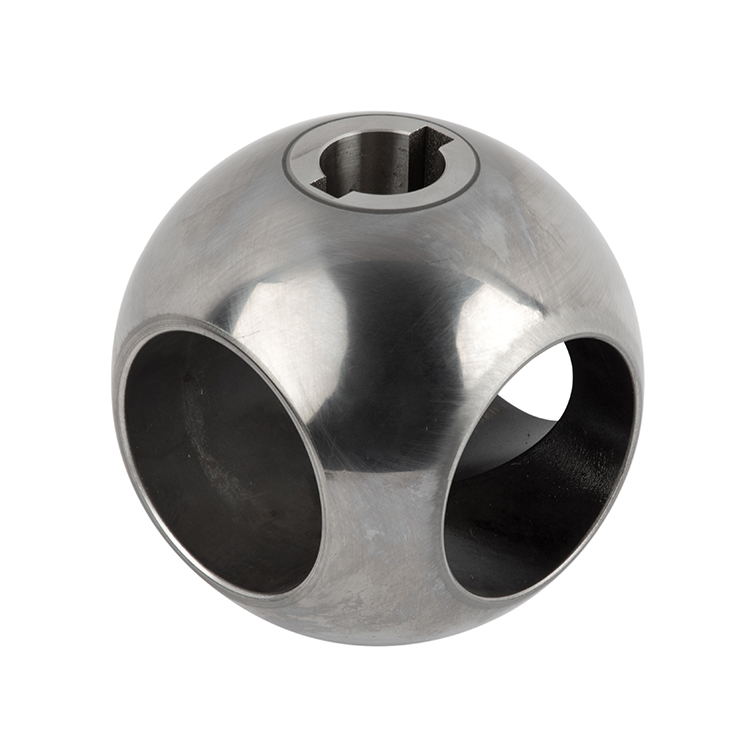
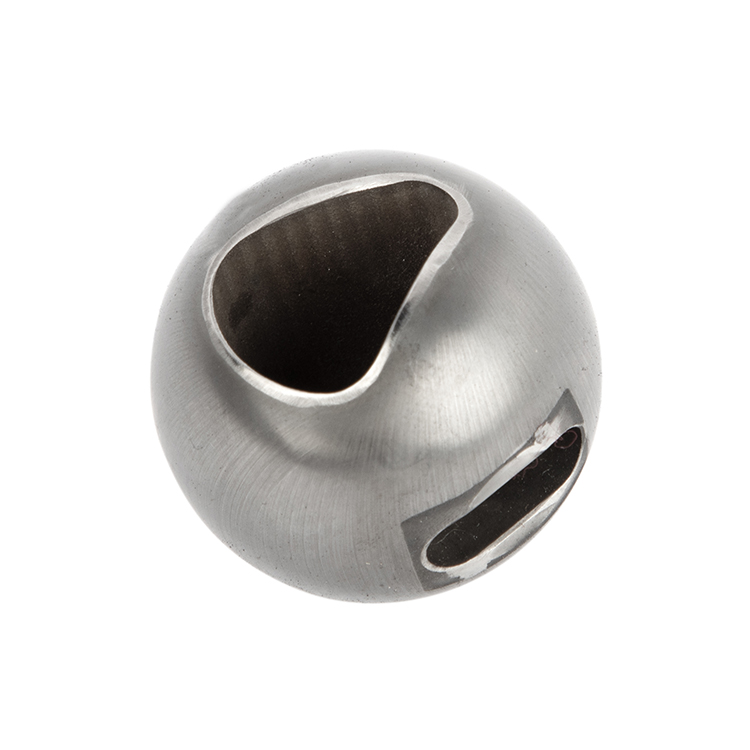
The ball valve ball is the most hardworking part of the entire assembly. If the ball isn’t in perfect condition, no amount of tightening will save your valve. As a specialized valve component manufacturer, we’ve seen how even “invisible” issues with the ball can lead to massive failures.
The “Scarred” Surface (Scratches & Pitting): Imagine a car tire with a deep cut; it’s only a matter of time before it goes flat. If your pipeline carries grit or scale, it can scratch the ball’s surface. These tiny canyons give high-pressure fluid a path to “wash through” even when the valve is closed, turning a tiny leak into a massive internal failure.
The “Out-of-Round” Ball: If a ball valve floating ball design isn’t perfectly spherical, it won’t sit flush against the seats. This uneven contact creates “leak paths” on one side while crushing the seat on the other. It’s like trying to seal a round hole with an oval plug—it simply won’t work.
Corrosion and Chemical Attack: Sometimes the problem is chemical. If the ball material isn’t a perfect match for the fluid, you’ll see “pitting”—small holes that look like rust spots. These pits destroy the sealing surface roughness, making the ball act like sandpaper that grinds away your expensive valve seats every time you turn the handle.
The Solution: Achieving a zero leakage ball valve starts with a mirror-finish ball. High-precision polishing and the right material coating (like Chrome or Tungsten Carbide) ensure the ball stays smooth and round, even in the harshest environments.
Internal leakage, or “passing,” is a silent profit-killer. Even when the handle is in the “off” position, fluid continues to creep through. This is a clear sign that you need a ball valve seat replacement.
Signs of Seat Failure: If your downstream gauges aren’t hitting zero when the valve is shut, your seats are failing.
Abrasive Damage: Think of your pipeline like a desert storm. Tiny bits of sand or metal shavings fly through at high speeds, leaving “scars” on the seats and the ball surface. Once a scratch is there, high-pressure fluid will wash it out into a larger leak path.
The Repair Process: During a ball valve repair, the old seats are popped out and new ones are pressed in.
The Secret Sauce: To restore a zero leakage ball valve status, the ball’s roundness must perfectly match the seat’s curve. It’s like a lock and key—if they don’t match, the leak will return in weeks.
A stuck ball valve is a nightmare, especially during an emergency shutdown. When you pull the handle and it won’t budge, your valve has essentially become a very expensive piece of pipe. But what exactly is “holding” the valve hostage? It’s usually one of these three suspects:
The “Gripping” Seats (Cold Flow): In many cases, the valve seats are the problem. If the valve stays closed for too long under high pressure, the plastic seats can actually “ooze” around the ball—a process called “cold flow.” The seats effectively grab the ball in a death grip, making it nearly impossible to break free.
The Seized Stem (Corrosion): The valve stem connects your hand to the ball. If the stem’s lubrication has washed away or if corrosion has set in around the packing box, the stem will seize up. You might feel like the ball is stuck, but it’s actually the stem that has rusted or jammed against the valve body.
The “Trash” in the Cavity (Sediment Buildup): The valve cavity (the empty space around the ball) is a magnet for pipeline debris. Scale, sand, or chemical “gunk” can settle here and harden like cement. This sediment wedges itself between the ball and the body, physically blocking the ball from rotating.
“Zero leakage” isn’t about luck; it’s about the synergy of parts working in total harmony.
Precision Machining: It starts with the ball. The roundness and the sealing surface roughness must be world-class. Any microscopic “peak” on the ball surface is an invitation for a leak.
Forged vs. Cast: In high-pressure worlds, forged components are the champions. Forging squeezes out all the tiny air bubbles found in cast parts, making the metal dense and incredibly strong.
Component Synergy: You can’t put a high-quality ball into a valve with a cheap stem and expect magic. The ball, stem, and seat must work as a unified system. When tolerances are tight, the valve turns easily and seals perfectly. This is the hallmark of a top-tier valve component manufacturer.
Ball Valve Troubleshooting Guide: From Faulty Parts to System Failures
| Failed Component | Common Issue | Impact on Your System |
| Ball Valve Stem | Worn packing or rough finish | Leaking from the top (handle area); high friction. |
| Ball Valve Ball | Scratches, pitting, or out-of-round | Internal leakage (passing); “sandpaper” effect on seats. |
| Valve Seats | Cold flow, deformation, or scarring | Stuck valve handle; persistent internal leaks. |
| Valve Cavity | Sediment or debris buildup | Jammed ball; impossible to turn even with force. |
| Body Gaskets | Material degradation | External leaks from the valve body joints. |
What is the most common cause of a ball valve leaking from the stem?
Degraded packing material or a scratched stem surface usually causes these top-side leaks.
Can a stuck ball valve be fixed without replacing the whole unit?
Yes. Cleaning the cavity or replacing specific accessories like seats and stems can restore function.
How often should I perform a ball valve seat replacement?
Inspect seats annually for abrasive media. Quality parts from a specialist supplier extend this cycle.
Why should I buy parts from a specialized valve component manufacturer?
Specialists ensure perfectly matched tolerances between the ball and seat, preventing leaks and high torque.
Fixing a valve shouldn’t be a guessing game. By focusing on the quality of your internal parts, you turn a troublesome system into a reliable asset. Most common ball valve failures vanish when you prioritize precision. Visit GOTEB, professional ball valve accessories supplier, for professional-grade parts and let us help you keep your system running at a zero leakage ball valve standard.


 Optimized by Seraphinite Accelerator