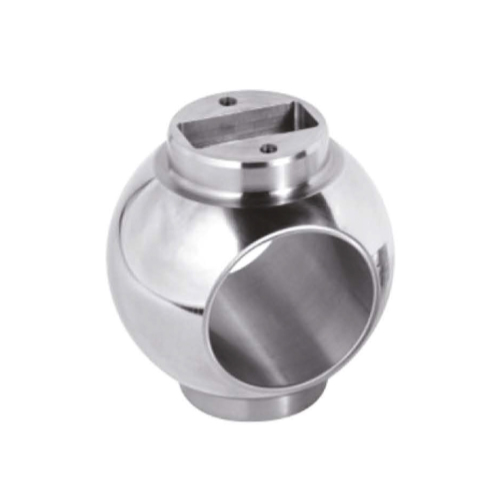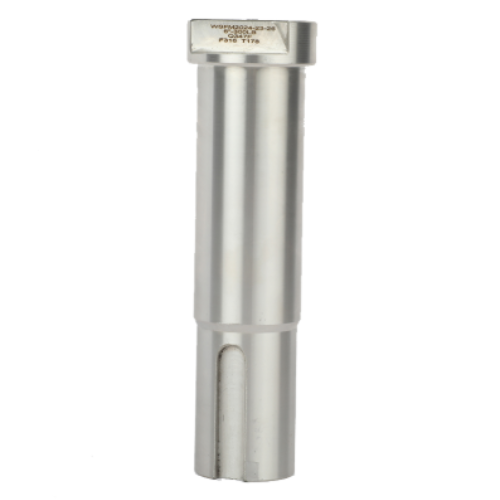

When you source a ball valve, the body is just the shell. The real battle happens where the ball meets the seat. Choosing between soft seated ball valves and a metal seated ball valves is the most critical decision in procurement. Get it right, and your system runs for years; get it wrong, and you face costly leaks.
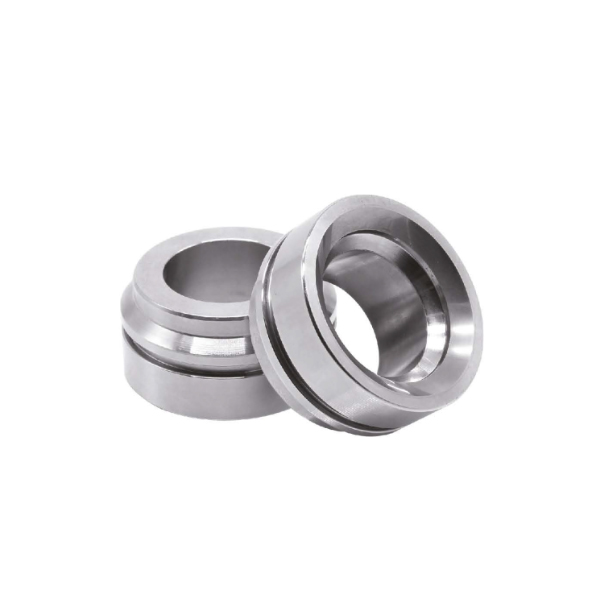
To understand why one seat costs more or lasts longer, you have to look at how they stop the flow. It’s a contest between “soft touch” and “brute force.”
The Soft Seat Approach: Imagine pressing your thumb into a piece of soft rubber. The rubber deforms and wraps around your thumb, creating a tight seal. This is how ball valve seat types like PTFE or PEEK work. They are flexible. When the ball presses against them, they mold to the ball’s surface, ensuring zero leakage even at low pressures.
The Metal Seat Strategy: Now, imagine pressing two glass marbles together. They don’t deform. To stop fluid from passing between them, the surfaces must be ground so perfectly that there is no gap at all. In a metal seated ball valve, the valve sphere and the seat are both made of metal—usually stainless steel with a hard coating.
Inside a Ball Valve: When looking inside a ball valve, the soft seat is often a simple ring of plastic. The metal seat is a complex assembly of springs and hard-faced metal rings, designed to survive where plastic would melt or shred.
The mechanics of a metal seated ball valve are far more intricate than its soft-seated cousin.
Spring-Loaded Force: Because metal doesn’t “squish,” the seat must be pushed against the ball by a series of springs located behind the seat ring. This ensures that even at low pressure, the ball and seat stay in contact.
Expansion Gaps: Metal expands when it gets hot. A precision-engineered metal seat must have “room to breathe” so that it doesn’t seize up when the pipe gets hot.
The “Seat material” Factor: Choosing the right ball valve seat material is easier for soft seats (usually PTFE). For metal seats, you have to choose between 316SS, Inconel, or Monel, and then decide on the specific hard-facing.
In the world of industrial fluids, heat is the enemy of plastic. This is the first place where a professional ball valve seat material selection guide becomes a survival manual for your engineers.
The Melting Point of Soft Seats
Most soft seats are made from polymers. While PEEK is tough, even the best plastic has a limit. Once your pipeline temperature crosses 200℃ (about 400℉), soft materials start to lose their “memory.” They become soft like taffy. They might seal for a day, but soon they will deform permanently, leading to a total seal failure.
The Resilience of Metal
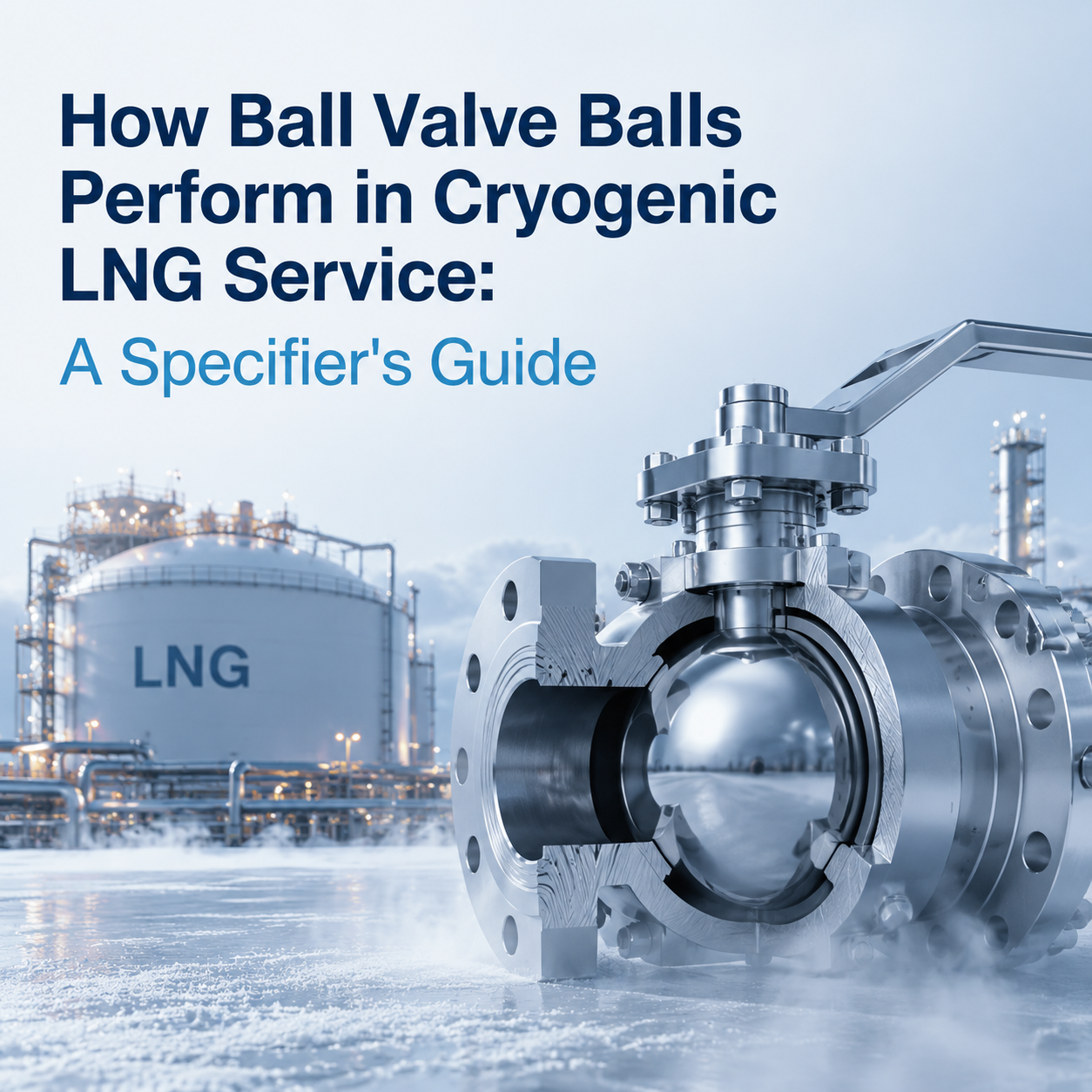
A metal seated valve ball and seat setup doesn’t care about the heat. Because both components are made of high-grade alloys, they can handle 500℃ or even cryogenic temperatures without breaking a sweat. If your business handles high-pressure steam or thermal oil, a metal seat isn’t just an “upgrade”—it’s a safety requirement.
If your fluid is clean water or air, soft seats are fantastic. But if your media contains “grit,” the story changes quickly.
The Sandpaper Effect: Imagine a tiny grain of sand caught between a ball and a soft PTFE seat. Every time the valve rotates, that grain act like a knife, carving a groove into the soft plastic. Over time, these grooves become a highway for leaks.
The Armor of Metal: When the ball and seat are both armored with hard coatings, they can literally “crush” small particles of sand or scale that get in the way. Instead of the seat being destroyed, the debris is simply pushed aside or pulverized. If your current system is suffering from frequent downtime due to abrasive media, it might be time to evaluate your sealing strategy. You can learn more about the specific triggers for upgrading to metal seat ball valves when soft seats are no longer enough to protect your infrastructure.
Maintenance Reality: Replacing a soft seat is cheap, but doing it every three months because of abrasion is a nightmare. Switching to a metal seated ball valve in abrasive lines is the best way to stop the “maintenance loop.”
In a soft-seated valve, the plastic is forgiving. It can hide a few scratches on the ball. But with metal-to-metal sealing, there is no room for error.
The Ra Value Challenge
When you are sourcing ball valve seats for metal sealing, you have to talk about “Sphericity” and “Roughness” (Ra).
Perfect Matching: The ball and seat must be “lapped” together. This means they are ground against each other with a polishing paste until they fit like a lock and key.
Mirror Finish: If the sealing surface roughness is off by even a few microns, the metal-on-metal friction will cause “galling”—where the metals literally weld themselves together during a turn.
The Role of Coatings: This is why you see a Chrome Valve Ball or Stellite overlays. These precision components provide a super-slick, rock-hard surface that allows the metal seat to glide without sticking.
If there is no soft plastic to “squish” and fill the gaps, how does a metal seat actually stop high-pressure gas or liquid? This is where the magic of precision components comes into play. It isn’t just about the material; it’s about the mechanical harmony between the ball and the seat.
The “Locked-In” Precision of Lapping
In a metal seated ball valve, the valve sphere and the metal seat are “mated” for life. Manufacturers use a process called Lapping, where the ball and seat are ground against each other with a fine abrasive paste.
The Result: They develop a “matched set” fit. This creates a contact surface so perfect that fluid molecules simply cannot find a way through. This is the only way to achieve a high-level seal in a metal-to-metal environment.
Why Do Metal Seats Need Spring Loading
Unlike soft seats that are wedged into place, ball valve seats for metal valves are “active.”
Spring Force: Because metal is rigid, these valves use heavy-duty springs (like Inconel wave springs) behind the seat.
The Benefit: These springs push the seat against the ball even when there is no fluid pressure. As the pressure in the pipe increases, the fluid itself helps push the “floating seat” harder against the ball. This is why a metal seated ball valve actually seals better as the pressure goes up.
Dealing with Thermal Expansion
One of the biggest headaches for engineers is Thermal Seizing. When a valve gets hot, the metal ball expands. If the seat is too tight, the valve will jam.
The Solution: High-end ball valve seat design includes specific clearances to allow the ball to expand without sticking. This is why precision in the Ball Valve Stem and ball diameter is non-negotiable—if your components are off by even 0.05mm, the valve will either leak when cold or seize when hot.
Many procurement managers make the mistake of only looking at the “Price Tag.” Let’s look at the “Life Tag” instead.
Initial Cost: Soft-seated valves are significantly cheaper. The materials are easier to source and the machining is less intense.
Longevity: In clean, low-temp service, a soft seat can last years. In harsh service, it might last weeks.
The Metal Premium: Yes, a metal-seated valve costs more upfront. You are paying for the specialized ball valve seat design and the expensive hard coatings.
The ROI: If a metal seat prevents just one emergency shutdown at your plant, it has paid for itself five times over. For high-cycle applications, metal seats are almost always the cheaper option in the long run.
| Comparison Metric | Soft Seated Ball Valve | Metal Seated Ball Valve |
| Sealing Performance | Bubble-Tight (Zero Leakage) | Class V or VI (Minimal Leakage) |
| Common Materials | PTFE, PEEK, Nylon, Devlon | 316SS, Stellite, Tungsten Carbide (TCC) |
| Temperature Range | Low to Medium (Up to 250°C) | High to Extreme (Up to 600°C+) |
| Pressure Handling | Class 150 – Class 600 | Class 600 – Class 2500+ |
| Abrasion Resistance | Low (Susceptible to scratches) | High (Ideal for Slurry & Solids) |
| Operating Torque | Lower (Less friction) | Higher (Requires larger actuators) |
| Chemical Resistance | Excellent for most chemicals | Dependent on specialized coatings |
| Service Life | Shorter in harsh environments | Long-term reliability in severe service |
| Maintenance Cycle | Frequent (Seat replacement) | Minimal (Longer intervals) |
| Best Used For | Clean water, air, mild chemicals | Steam, Crude oil, Mining, High-temp gas |
Can a metal-seated valve achieve “Zero Leakage”?
It is much harder, but with high-precision lapping, they can meet API 598 “Bubble Tight” standards.
Which seat is better for high-velocity gas?
Metal seats are better. High-velocity gas can “fish-tail” or pull a soft seat out of its groove.
Are all metal seated valves bidirectional?
Not always. Some bidirectional valves require a specific “Double Block and Bleed” seat design to work both ways.
Why are soft seats so much cheaper?
They require less machining time and don’t need expensive hard-facing coatings like Tungsten Carbide or Chrome.
There is no perfect valve, only the right one for your specific pipeline. Soft seats offer an affordable, bubble-tight seal for clean, mild conditions. Metal seats provide the armored protection needed for the toughest, hottest, and grittiest jobs on earth. Is your system facing frequent leaks or seat failures? Contact GOTEB today for a professional consultation on the best seat design and material for your industrial needs.


 Optimized by Seraphinite Accelerator