
Every industrial piping system relies on precision, but a valve is only as reliable as its weakest link. Understanding the relationship between ball valve parts and function is critical for preventing internal bypass, maintaining pressure control, and extending system life. This guide delivers a technical breakdown of how different configurations alter the load, torque, and wear patterns on your critical components of a ball valve.
Think of a ball valve like a house. If the foundation is weak, the doors won’t close properly. A ball valve works exactly the same way. It relies on a team of specialized ball valve parts and function to keep your fluid moving safely.
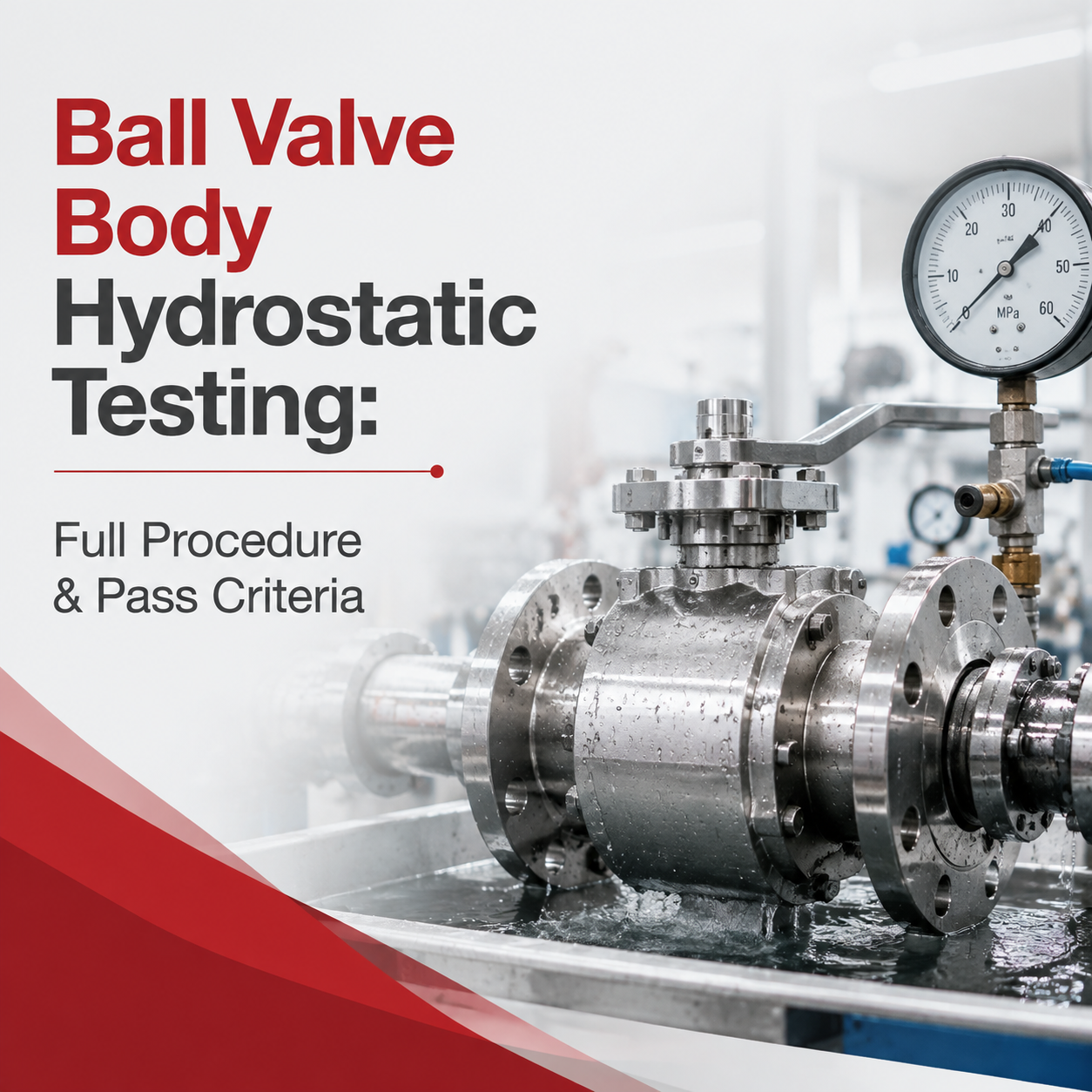
Ball Valve Body: This is the heavy-duty outer shell. It acts as the protective “skeleton” for all the internal working elements. It holds everything together and bears the brunt of the pipe tension and high pressure.
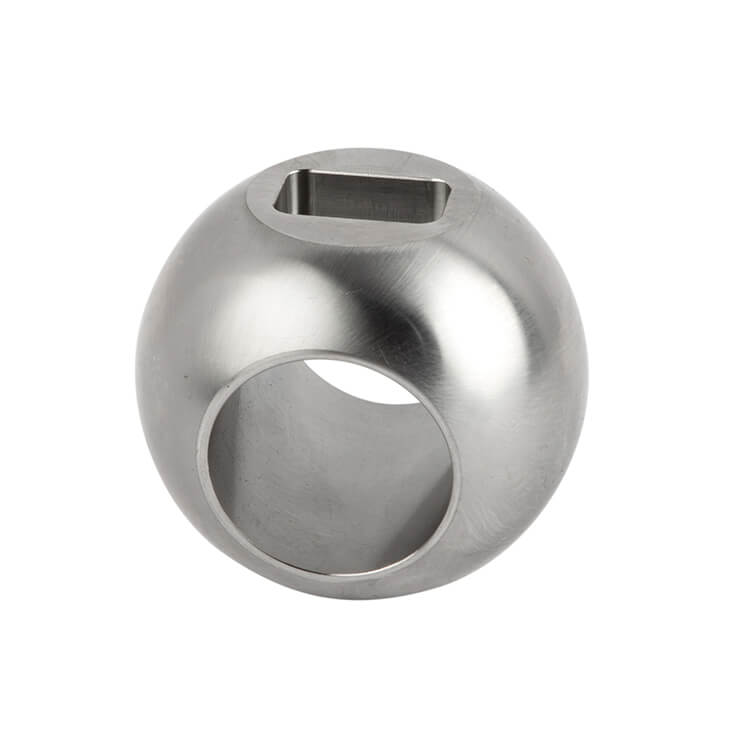
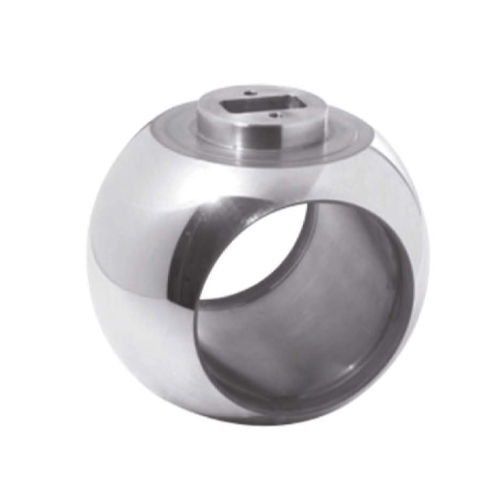
The Internal Sphere: The heart of the machine. This is the rotating plug with a hole through the middle. When the hole lines up with the pipe, fluid flows. Turn it 90 degrees, and the solid wall blocks the path.
Ball Valve Seat: The gatekeepers. These are the rings that sandwich the sphere. They create a tight, leak-proof barrier so fluid cannot slip into the downstream pipe when the valve is shut.
Ball Valve Stem: The muscle line. This is the shaft that connects the internal sphere to the outside handle or automated actuator. When you turn the handle, the stem turns the sphere.
How the internal sphere is anchored inside the valve body changes the entire mechanical profile of the valve. This is the biggest design crossroad in the valve world.
The Floating Ball: In a classic floating design, the Floating Valve Ball is only attached to the stem at the top. The bottom has no anchor. It literally floats inside the valve body, held in place by the squeeze of the two rubber or plastic seats.
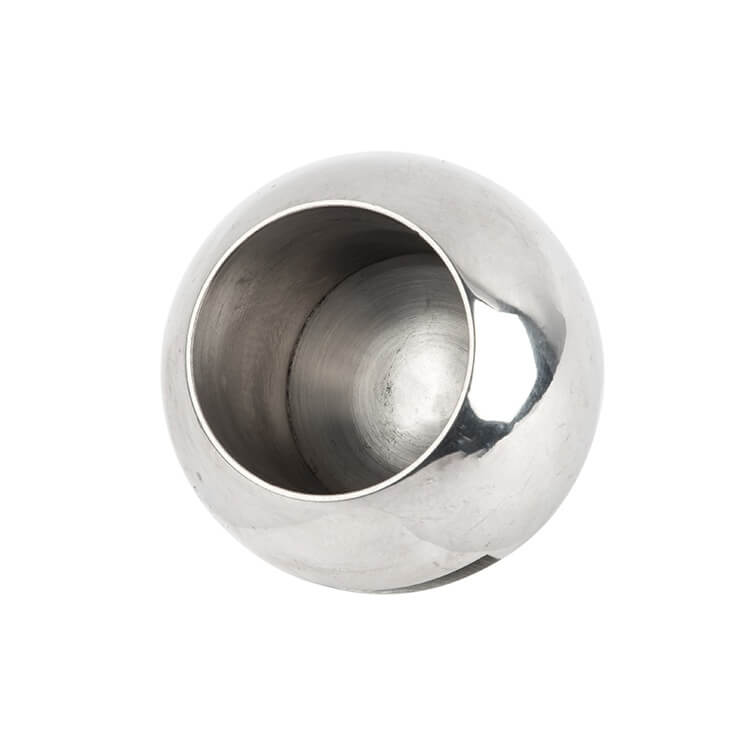
The Trunnion Ball: A Trunnion Mounted Valve Ball is fixed on a permanent vertical axis. It features an upper shaft and a lower heavy-duty anchor pin (the trunnion). The sphere cannot move left or right; it can only spin perfectly on its center line.
Physical Footprint: Floating setups are simpler, lighter, and highly cost-effective for smaller pipelines. Trunnion designs are beefier, heavier, and built to handle the intense physical loading of massive, high-pressure distribution lines.
Because their physical structures are different, these two configurations use completely opposite strategies to stop fluid from leaking downstream.
Floating Sealing Logic: When a floating valve closes, upstream fluid pressure builds up behind the sphere. Since the ball is free to move, the pressure physically pushes the entire Floating Valve Ball downstream, jamming it tight against the downstream seat. The higher the pressure, the harder the ball pushes, creating a tighter seal.
The Floating Limitation: While this floating ball valve vs ball valve dynamic works great in low-pressure lines, high pressure can jam the ball too hard. This crushes the downstream seat, causing the material to warp, tear, or develop a permanent internal bypass.
Trunnion Sealing Logic: In a trunnion mounted ball valve vs floating ball valve setup, the sphere stays perfectly still under pressure. Instead of the ball moving, the fluid pressure gets behind the downstream and upstream seats, pushing the spring-loaded seat rings tightly against the face of the sphere.
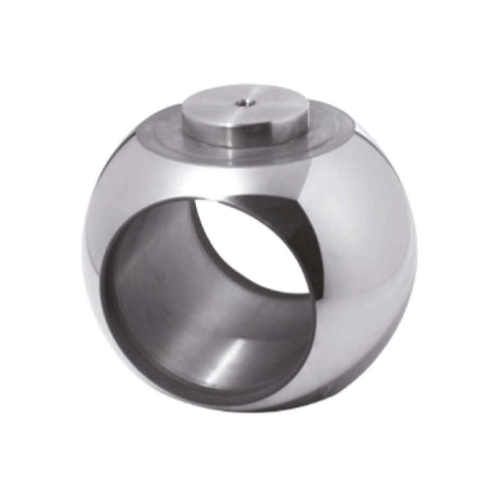
The Trunnion Advantage: This means the seat takes a uniform, predictable amount of force. It prevents the seat from getting crushed, making the trunnion design the gold standard for severe service and high-cycle pipelines.
| Performance Metric | Floating Ball Valve Design | Trunnion Mounted Ball Valve Design | |
| Sealing Force Source | Upstream fluid pressure pushes the ball | Spring-loaded seats push against a fixed ball | |
| Operating Torque | High (Friction increases at high pressure) | Low (Torque stays consistent and manageable) | |
| Downstream Seat Wear | Higher (Takes the full load of the ball) | Balanced (Uniform, predictable spring pressure) | |
| Best Application Size | Small bore pipelines (Under 6 inches) | Large bore and high-pressure severe service | |
| Stem Bending Risk | Minor (Due to downstream ball shifting) | Zero (Stem only experiences rotational force) |
The stem is the unsung hero that takes all the mechanical abuse. The design of your stem assembly dictates how much energy it takes to operate your valve.
The Torque Fight: When high pressure pins a sphere against a seat, the friction is massive. The stem has to fight this friction to turn the valve. If a ball valve stem is under too much lateral stress, it can bend slightly, which ruins the internal alignment and causes a leak.
The Single-Piece Solution: To eliminate mechanical play or “wobble” in automated systems, many advanced setups use a unified Valve Ball with Stem single-piece design. Instead of a separate stem sliding into a slot on top of the ball, the entire component is machined from a single solid forged piece of metal.
Smooth Operation: A single-piece assembly completely removes the traditional “slot-and-tang” connection wear. There is no loose play, no rattling, and the operating torque drops significantly. This allows your business to use smaller, more affordable actuators.
Packing Longevity: When a stem rotates perfectly on its axis without tilting, it keeps the top stem packing seals happy. A smooth, high-precision stem surface stops the packing from tearing, preventing hazardous external emissions.
If the sphere is the muscle of the valve, the ball valve seat is the brain. It is the exact surface where a tight seal happens or fails.
The Soft Seat Barrier: Most standard industrial valves use soft seats made of polymers like PTFE or nylon. They are fantastic for low-temperature, clean fluids because they are flexible. They mold perfectly around the sphere to give you a “bubble-tight” seal.
The Erosion Problem: If your fluid is hot, or carries gritty solids like sand, rust, or pipe scale, soft seats fail fast. High-velocity fluid can wash them out, cutting tiny micro-channels into the plastic. This creates a permanent pathway for fluid leaks.
Upgrading to Metal Seats: When the environment gets too harsh, a precision-lapped Metal Seated Valve Ball and Seat combination is the only real fix. These sealing pairs are made of tough alloys and are ground directly against each other until they fit together like a lock and key.
Hardfacing for Extreme Wear: For abrasive slurry lines, the sphere is often hardfaced with super-hard materials like a Stellite Valve Ball surface. This creates a mirror-like, scratch-resistant shield that stops grit from tearing up your sealing faces.
What is the main benefit of a trunnion ball valve vs floating ball valve?
Trunnion designs handle much higher pressures and large bores because they distribute fluid forces onto fixed mechanical anchors.
Why do specialized V-segment valve balls perform better in slurry applications?
The sharp edge of a V-notch cuts cleanly through solids, preventing material buildup from jamming between ball and seat.
How do ball valve body parts affect the internal sealing components?
If the body flexes under pipeline stress, the internal seat pockets warp, breaking the tight seal against the sphere.
When should a business replace soft seats with a metal seated valve ball and seat?
Upgrade when your soft seats suffer from thermal deformation, frequent tearing from grit, or high-velocity erosion.
Maximizing pipeline uptime requires matching the right components of a ball valve to your specific process conditions. From selecting a Trunnion Mounted Valve Ball to choosing specialized seat materials, every design decision impacts your bottom line. Contact GOTEB today to consult with our engineering team on high-precision valve components that guarantee a tighter seal and an optimized operational life for your piping network.


 Optimized by Seraphinite Accelerator