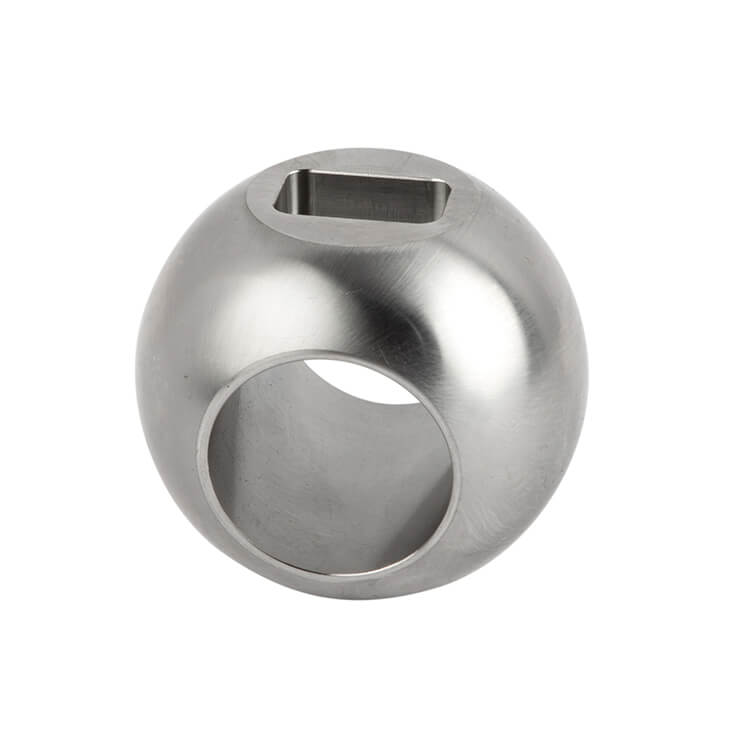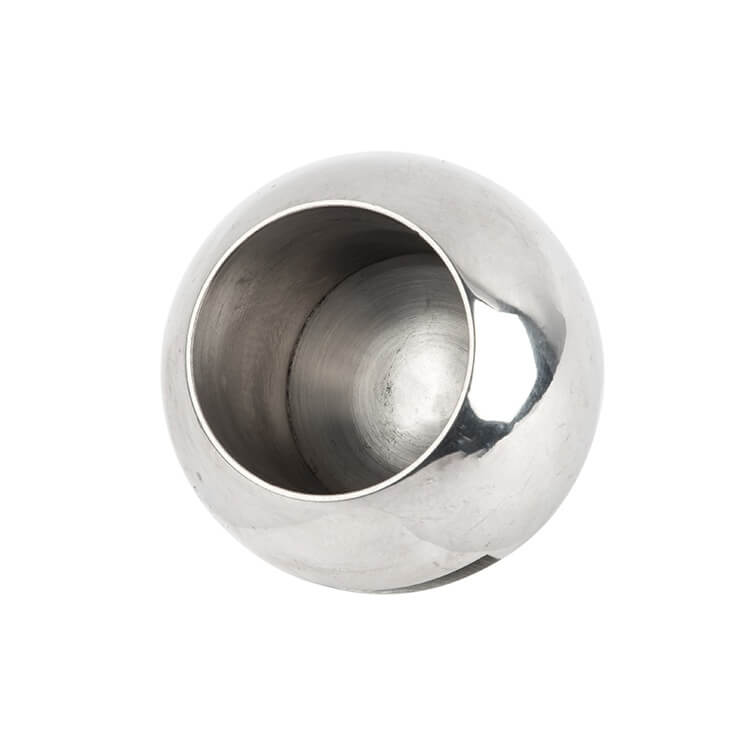


Running high-pressure fluids through massive tubes puts incredible physical strain on your infrastructure. In large-diameter networks, standard floating valves face immense fluid forces that crush internal seals and jam operating mechanisms. When processing line parameters scale up, relying on a free-floating sphere becomes a major structural liability. A specialized anchored core design is mandatory to split load forces.
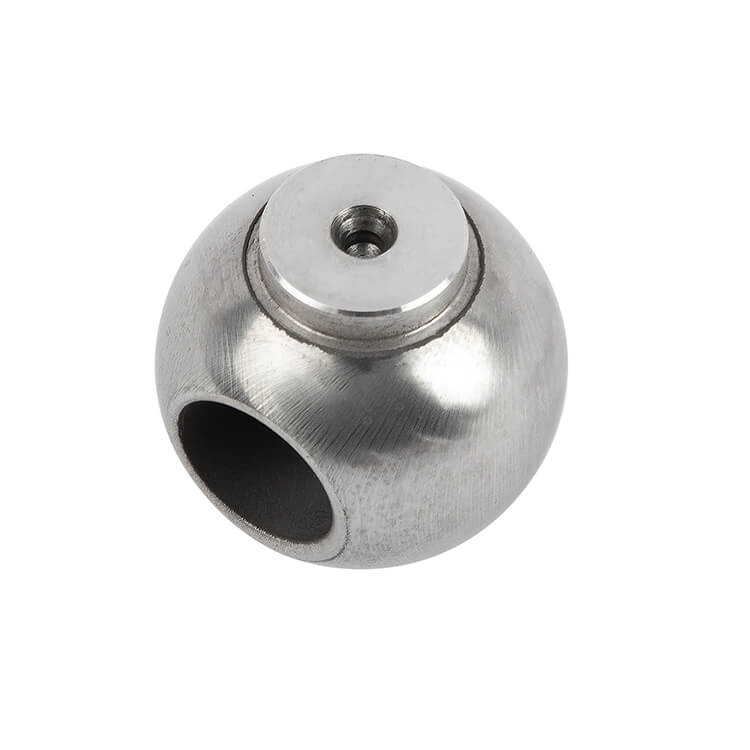
In a trunnion vs floating ball valve comparison, the main difference is how they handle fluid thrust. A floating model lets the sphere slide forward into the soft seat, while a trunnion design locks the ball onto fixed heavy-duty anchoring shafts to absorb line forces completely.
The Floating Limitation: Floating balls are only connected at the top stem slot, leaving the sphere suspended in the fluid stream.
The Force Accumulation: As upstream pressure grows, the fluid thrust pushes the entire ball weight directly against the downstream seating ring.
The Size Wall: This floating action works perfectly up to 2-inch lines at high pressure, but it completely fails when scaled to larger diameters due to massive physical stress stacking.
Sealing vs Squishing: A floating valve relies on the ball physically compressing the downstream seat. If the line pressure gets too high, that compression turns into destruction.
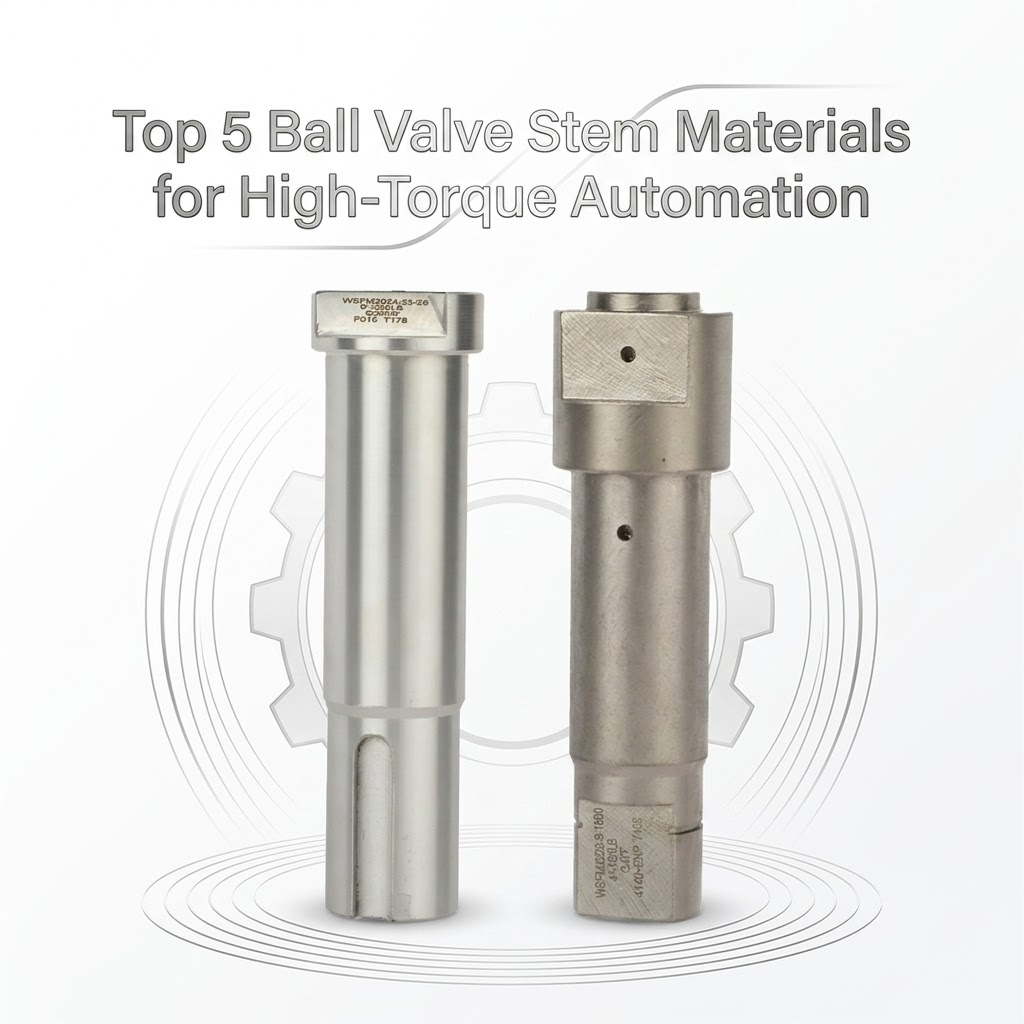
Dual-Anchor Support: A trunnion ball valve design incorporates integrated top and bottom shafts machined directly into the sphere casing or held by heavy bearings.
Isolating the Seats: Because these rigid metal anchors absorb 100% of the medium pressure thrust, the soft sealing borders experience zero structural squeezing from the ball.
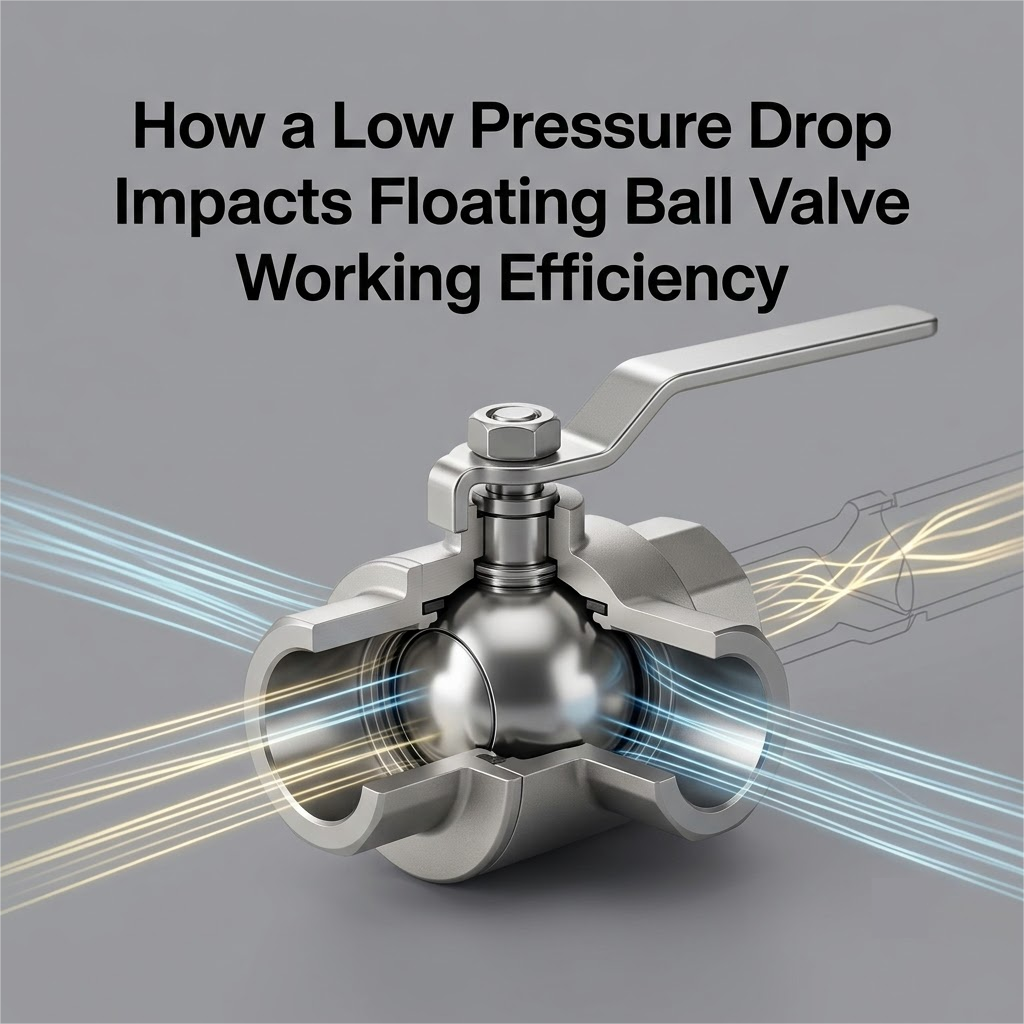
Smooth Turning Paths: Locking the rotation along a fixed central line keeps operational friction minimal, even when handling severe pressure drops.
Protecting Your Investment: By isolating the sealing faces from the physical weight of the fluid, the internal assembly lasts years longer without dripping.
Running large-bore lines at high pressures without anchored internal spheres causes immediate ball valve seat failure. The immense fluid force pushes the unsupported metal ball forward, crushing the plastic seating face and jamming the actuator.
Calculating the Thrust: In an 8-inch Class 600 line operating at 100 bar working pressure, the fluid generates over 30 metric tons of continuous physical force against the sphere face.
The Brake Pad Failure: In a floating setup, that 30-ton load smashes directly into a narrow polymer ring, leading to rapid plastic deformation and cold flow ruin.
Tearing the Sealing Edge: Once the plastic deforms, the smooth sealing lip splits open, creating wide internal bypass paths that allow raw media to leak through.
The Low-Pressure Weep: Ironically, after a high-pressure surge crushes a floating seat, the valve will weep and drip when the system pressure drops back down because the plastic cannot spring back into shape.
Torque Escalation: The severe friction created by a squeezed ball acts like a locked brake shoe inside the valve cavity, driving up resistance.
Stalling Automated Lines: This high stiction stalls standard pneumatic or electric actuators, forcing your business to buy massive, expensive driving units just to turn a simple handle.
Shearing the Stem Linkage: Under extreme automated cycles, trying to force a jammed floating ball open will shear the drive pins or twist the main valve stem right in half.
Skyrocketing Procurement Costs: Buying oversized actuators to handle the friction of a poorly designed valve wastes your quarterly maintenance budget. Understanding how structure impacts ball valve leakage can save thousands in component replacements.
High-performance ball valve components use heavy-duty forged metal trunnions and independent spring-loaded seat assemblies. This split-load mechanism diverts high fluid pressures into the valve body frame, protecting the delicate sealing borders.
Grain Structure Superiority: A premium forged trunnion ball valve uses solid forged steel blanks rather than cheap cast metal to eliminate hidden sand holes or internal porosity defects under high pressure.
Deflection Resistance: Forged steel shafts withstand massive shear forces without bending, ensuring the ball maintains perfect concentric tracking under maximum pipeline limits.
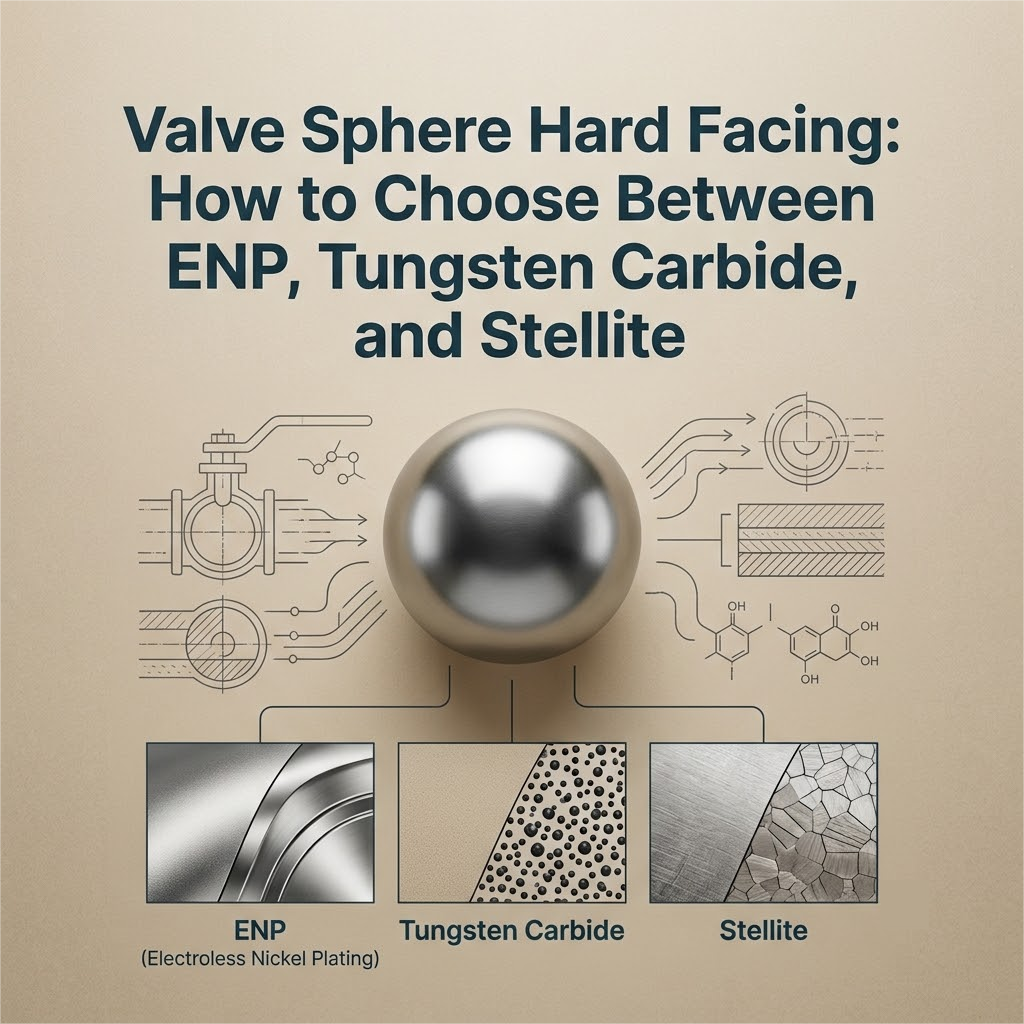
Wear-Resistant Coatings: Industrial factories frequently apply hard chrome, tungsten carbide, or satellite overlays to the fixed shafts to prevent galling during heavy cycles.
The Load Diversion: Instead of sending fluid force into the polymer seat, the fixed shafts dump the load straight into the thick exterior metal walls of the valve casing.
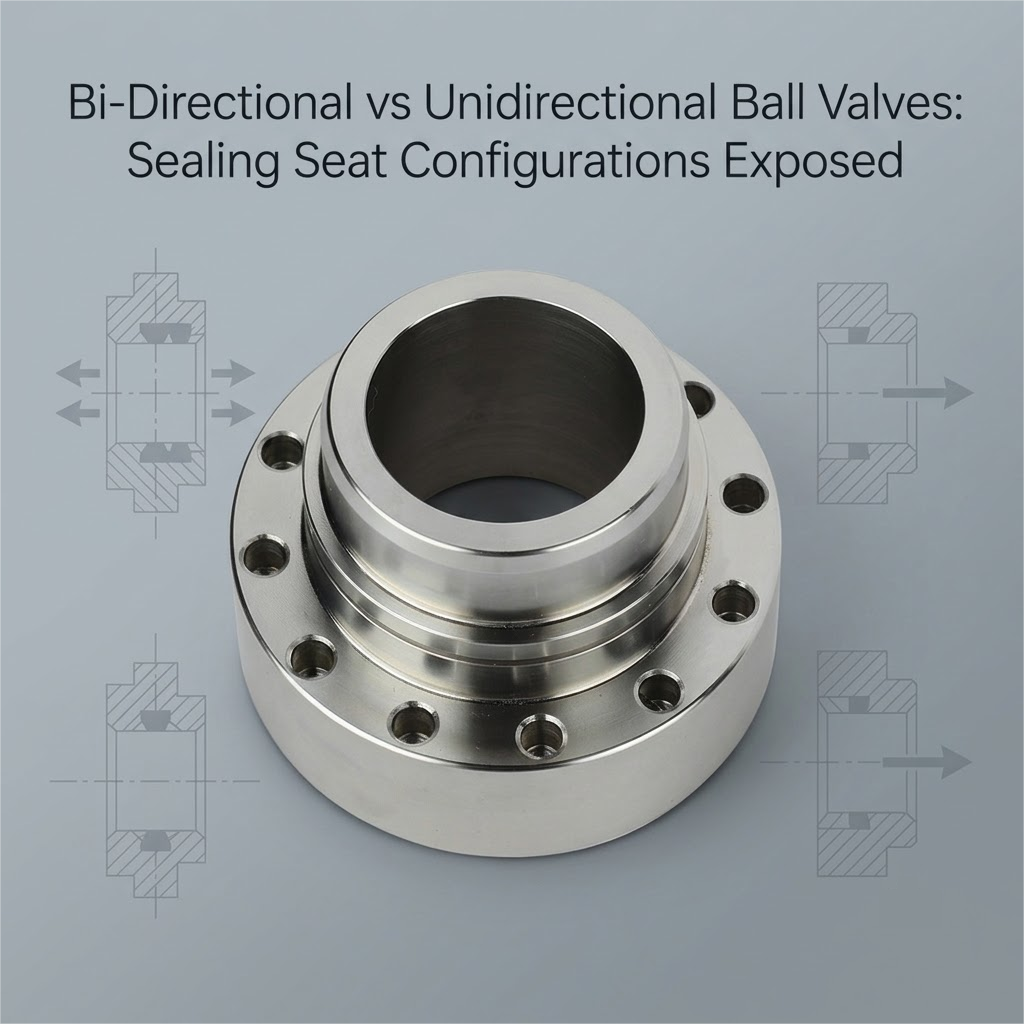
Spring-Loaded Packing Rings: Instead of the ball moving to touch the seat, a trunnion configuration uses flexible spring packs behind the seat rings to push the seals against the fixed ball face.
Low Pressure Sealing Success: At low pressures, the internal backing springs provide the initial pre-load touch required to pass strict zero-leak tests.
Piston Action Seals: As pipeline pressure climbs, the fluid gets behind the seat ring profile, using the system’s own pressure to lock the seal tighter against the fixed trunnion mounted valve ball.
Smart Flow Tracking: These independent floating seats adjust dynamically to thermal expansion, ensuring the seal stays tight whether the pipe is freezing cold or boiling hot. For a deeper look at internal flow dynamics, see how internal components determine ball valve flow direction.
When buying parts for high-pressure service, look past basic valve catalogs. Demand exact inspection records for forging grain alignment, trunnion coaxiality, and bearing material performance to prevent field lockups.
Rule 1: Enforce Strict Coaxiality Metrics: Demand that the top stem slot and bottom trunnion pin axis align with a tolerance under 0.02 mm to stop uneven bearing wear.
Rule 2: Match Bearing Materials to Fluid Temperature: Use self-lubricating PTFE-lined steel bearings for lines under 200℃, but switch to hard-faced metal bearings for severe high-temperature service.
Rule 3: Verify Forging Radiography Standards: Ensure all raw internal components pass strict ultrasonic testing and magnetic particle inspection to guarantee zero internal micro-cracks.
Rule 4: Look for Low Friction Certifications: High-precision grinds lower your overall energy use. Check out why trunnion valve ball precision saves your pipeline actuator costs before finalizing your part specifications.
| Mechanical Feature & Working Boundary | Standard Free-Floating Internals | Forged Trunnion Machined Components |
| Maximum Safe Valve Size Limit | Up to 4-inches (Fails early on larger lines due to load stacking) | 2-inches up to 56-inches (Handles unlimited scaling safely) |
| Operating Torque Performance | Scales exponentially with pressure; requires huge actuators | Stays flat and low; cuts required automated actuator sizes by 50% |
| Sealing Seat Ring Dynamics | Fixed seat pockets; ball moves forward to squish plastic | Floating, spring-loaded independent seats track the ball face |
| Heavy Severe Service Lifespan | Poor; high pressure triggers immediate ball valve seat failure | Outstanding; dual-anchor bearings absorb structural wear |
| Emergency Sealant Injection | Rarely available; no room in standard small floating pockets | Built-in grease ports allow grease injection to stop sudden leaks |
Why is a trunnion ball valve design mandatory for pipeline sizes larger than 6 inches at Class 600?
Fluid thrust on a large ball exceeds plastic crushing limits; fixed trunnion anchors must absorb that force safely.
Can a forged trunnion ball valve handle bidirectional zero-leak sealing in gas pipelines?
Yes, spring-loaded independent seats push against both sides of the fixed ball to block flow from either direction.
What causes an automated trunnion mounted valve ball system to experience sudden bearing seizure?
Poor internal machining alignment creates high friction points that overload the bearing tracks, causing the shaft to lock up.
Is a soft nylon or PEEK seat insert better for high pressure ball valve components?
PEEK inserts handle higher temperatures and resist mechanical crushing far better than standard nylon under high pressure stress.
How does a double block and bleed internal layout increase system safety?
Both seats seal independently, letting operators bleed out trapped fluid from the center cavity while the main line runs.
Does a high pressure ball valve always require heavy forged metal parts?
Yes, castings contain micro-porosity defects that can split open when subjected to extreme high-pressure spikes or water hammer.
How can I lower the operating torque on my existing trunnion valve installations?
Specify a mirror-polished ball surface with an Ra roughness value below 0.2 microns to minimize sliding friction against seats.
What is the main sign that a trunnion ball valve is experiencing internal seal bypass?
A steady pressure rise in the center cavity while the valve is closed indicates fluid is slipping past the seats.
High-pressure lines leave no room for weak internal components. Relying on basic floating assemblies in large-diameter systems triggers early seal blowout risks and costly actuator failures. Protecting your infrastructure requires sourcing robust, high-tolerance anchored cores. Contact GOTEB today to send over your project sizing specs, upload your technical drawings, or get a fast factory quote on heavy-duty valve balls.


 Optimized by Seraphinite Accelerator