

When you’re specifying ball valves for your business’s pipeline systems, it’s easy to assume that all ball valves work the same way. They don’t. The seat configuration hidden inside the valve body determines whether your valve can safely handle flow from either direction — or only one. Get this wrong, and your operation could face unexpected leakage, failed pressure tests, or costly downtime. In this guide, you’ll learn exactly how bi-directional and unidirectional ball valve seat designs differ, how they affect zero leakage ball valves performance, and how to choose the right configuration for your facility.

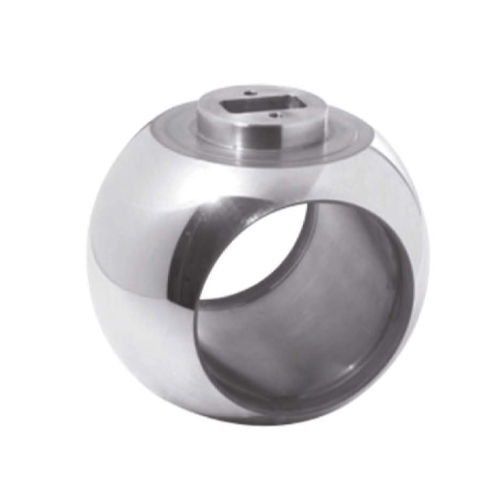
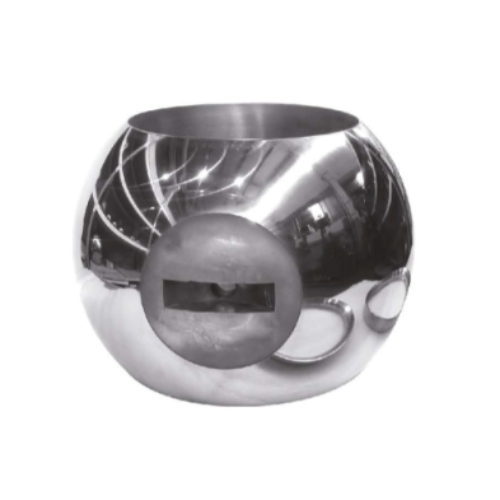
Before you can decide which valve suits your business, you need to understand what actually controls ball valve flow direction. It isn’t the pipe, the actuator, or even the body — it’s what’s happening inside, around the ball itself. The seat rings, the seal energization method (spring-loaded vs. pressure-assisted), and how the ball is supported (floating vs. trunnion-mounted) all work together to decide whether your valve seals equally well in both directions or only when flow moves a certain way.
If you want a deeper technical breakdown, you can review how the internal components that determine flow direction interact inside different valve architectures. Understanding this before you order is one of the easiest ways to avoid mis-specified equipment on your project.
A unidirectional ball valve is engineered with only one seat designed to fully energize and seal against upstream pressure. The opposing seat exists mostly for structural support and low-pressure contact — it is not built to hold a full-rated seal if flow reverses. This means that if your team accidentally installs the valve backward, you could see leakage past the “backup” seat, even if the valve looked identical from the outside.
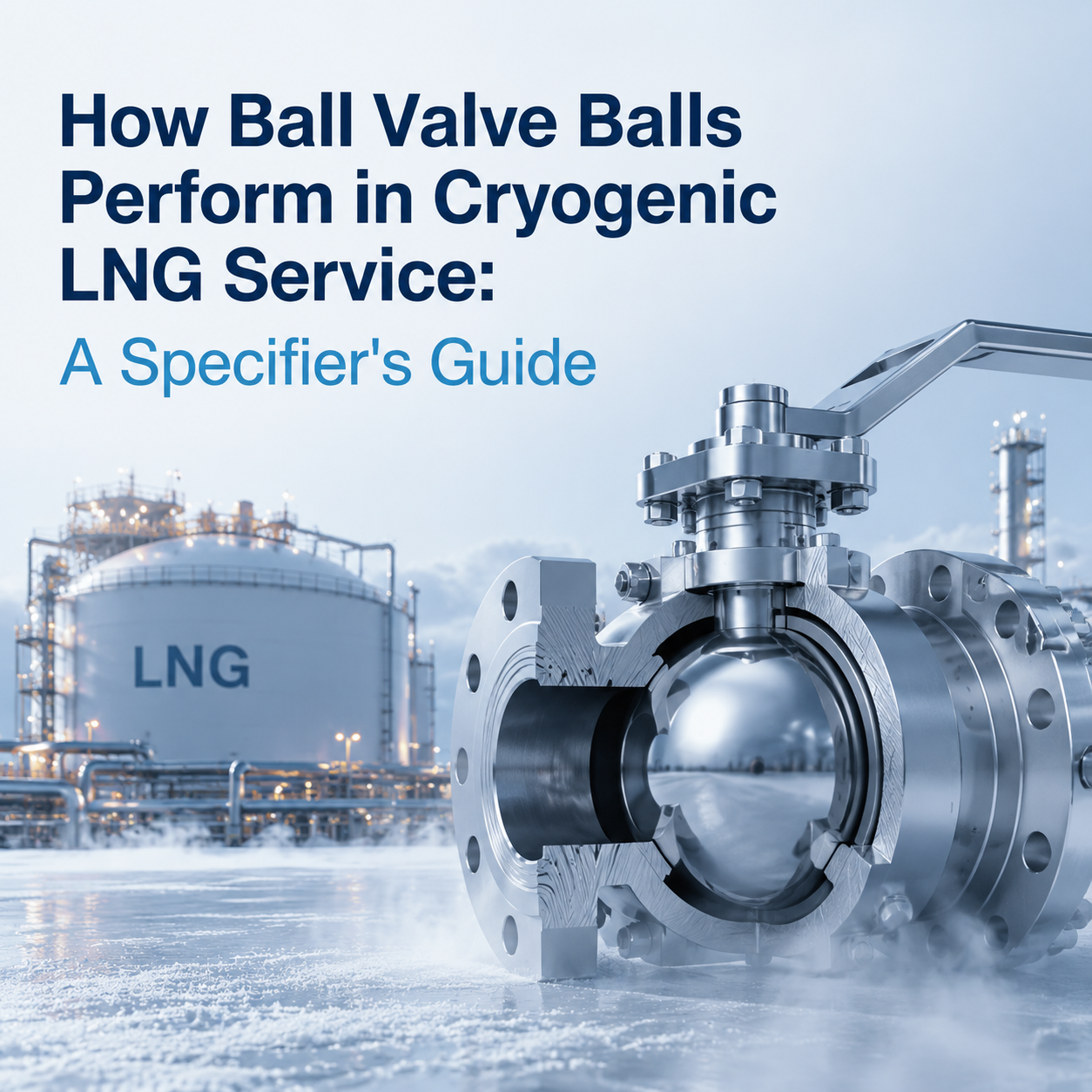
You’ll typically find this design in applications where flow only ever moves one way — cryogenic transfer lines, certain high-pressure oil and gas discharge lines, and systems where directional flow is guaranteed by upstream equipment. Because of this risk, unidirectional valves are always marked with a flow arrow on the body, and your installation team must follow it precisely. Skipping this step is one of the most common (and expensive) field errors your business can avoid with proper training and clear documentation.
The upside for your business: unidirectional seats are often simpler in construction, which can translate to a lower upfront cost. The tradeoff is reduced flexibility — if your process ever changes and flow needs to reverse, this valve won’t perform reliably without replacement.
A bi-directional ball valve uses a symmetric dual-seat design, where both seats are independently capable of full-pressure sealing, regardless of which side flow originates from. This is achieved differently depending on the valve type your business selects:
Floating ball design: the ball itself shifts slightly downstream under pressure, pressing firmly against the downstream seat. This gives you reliable bidirectional sealing at low-to-moderate pressures, but the ball’s movement also means the design has practical pressure and size limits. You can compare this in detail in our breakdown of the floating ball valve design versus standard ball valve construction.
Trunnion-mounted design: the ball stays fixed in place, supported top and bottom, while spring-loaded seats independently energize against the ball on both sides. This gives your business true, high-pressure bidirectional sealing without relying on ball movement — making it the preferred choice for large-diameter, high-pressure pipelines. However, not every trunnion valve is automatically bidirectional by default; seat energization design still matters. You can see exactly how this works in our guide on whether trunnion ball valves are truly bidirectional.
Bi-directional configurations are essential for applications like double block and bleed (DBB) isolation, pipeline pigging operations, and any process where your business needs flexibility for future line reversals or maintenance isolation.
| Feature | Bi-Directional Ball Valve | Unidirectional Ball Valve |
|---|---|---|
| Seat Design | Dual independently energized seats | Single primary sealing seat |
| Sealing Mechanism | Spring-loaded or floating-ball pressure assist | Upstream pressure-assisted only |
| Flow Arrow Required | Not required | Mandatory |
| Leakage Class | Zero leakage in both directions | Zero leakage upstream only |
| Typical Applications | DBB isolation, pigging lines, reversible flow systems | Cryogenic transfer, one-way discharge lines |
| Maintenance Complexity | Moderate to higher | Lower |
| Upfront Cost | Generally higher | Generally lower |
This is one of the most common questions your procurement and field teams ask — and the honest answer is: it depends on the seat configuration, not the valve category as a whole. Some ball valves are directional, some are not, and you can’t always tell just by looking at the exterior. Before installing any valve, you should always check:
1. The flow arrow on the valve body. If present, it’s directional and must be installed exactly as marked.
2. The manufacturer’s datasheet. This confirms whether the seat design supports bidirectional zero-leakage sealing or upstream-only sealing.
3. Seat material markings. Some soft-seat materials are rated differently depending on flow direction, even in nominally bidirectional bodies.
It’s also worth clarifying a related point your teams sometimes confuse: ball valve open and closed positions are about the rotation of the ball (90° from open to closed) and have nothing to do with flow direction. A valve can be fully open and still leak if it was installed backward against its directional rating. Keeping this distinction clear across your maintenance documentation prevents costly misdiagnoses in the field.

If your business operates in oil and gas, chemical processing, or any industry where fugitive emissions and leakage are safety-critical, the ball valve seat is the single most important component to evaluate. Soft seats (PTFE, RPTFE, or Devlon) offer excellent sealing at moderate temperatures and are commonly used for general bidirectional and unidirectional service. Metal seats, by contrast, are chosen when your application involves abrasive media, high temperatures, or fire-safe requirements defined by standards like API 607.
Regardless of seat material, the energization method — spring-loaded vs. pressure-assisted — directly determines whether your valve can achieve a true zero-leakage rating in both directions or just one. This is why “zero leakage” isn’t a blanket claim you should accept without checking the seat configuration and third-party leakage class certification (such as API 598) behind it.
When you’re making this decision for your facility, walk through these questions with your engineering team:
Does your process ever reverse flow, even during maintenance or pigging? If yes, a bi-directional valve protects you from costly re-specification later.
Do you need double block and bleed isolation for safety compliance? This almost always requires a bi-directional trunnion design.
Is your budget tightly constrained on a straightforward, one-way line? A well-documented unidirectional valve may be the more cost-effective choice — as long as your installation process is airtight.
What leakage class does your industry standard require? This will often dictate seat material and energization method before direction is even considered.
Your business doesn’t have to make this call alone. GOTEB’s engineering team can recommend the exact seat configuration that matches your needs.
A bi-directional ball valve has two independently energized seats that both provide full-pressure sealing, while a unidirectional ball valve only guarantees a full seal on the upstream side, with the second seat serving mainly a structural role.
Physically, yes — but it will compromise sealing performance and may fail leakage testing. Always follow the flow arrow marked on the valve body when installing this type of valve for your business.
Not automatically. It depends on whether both seats are independently spring-energized. You can review the full explanation in our guide on whether trunnion ball valves are truly bidirectional.
For general service, RPTFE seats offer excellent zero-leakage sealing. For high-temperature or fire-safe applications, metal seats certified to API 607 are recommended for your business’s compliance needs.
Check for an arrow stamped or engraved on the valve body, and cross-reference the manufacturer’s datasheet. If no arrow is present, the valve is typically bi-directional.
A DBB seat design provides two independent, positive seals with a bleed port between them, allowing your team to safely isolate and verify a section of pipeline for maintenance without shutting down the entire system.
Yes, most floating ball valve designs are inherently bi-directional at low-to-moderate pressures, since the ball shifts to seal against whichever seat is downstream.
Zero-leakage typically refers to Class VI or API 598 shell and seat test standards, which your business should always request documentation for before accepting a valve as “zero leakage.”
No. Open and closed positions relate to the 90° rotation of the ball, not to which direction flow enters the valve. Directionality is determined entirely by the seat configuration.
Cryogenic transfer lines, certain high-pressure one-way discharge systems, and applications where upstream equipment guarantees a single flow direction are common cases where unidirectional valves are appropriate for your business.
Choosing between bi-directional and unidirectional ball valves isn’t a minor spec detail — it’s a decision that affects your safety compliance, maintenance costs, and long-term operational flexibility. Now that you understand how seat configuration drives this decision, your business is better equipped to specify with confidence. If you’d like expert guidance matched to your exact pressure class and media, GOTEB’s team is ready to help.


 Optimized by Seraphinite Accelerator