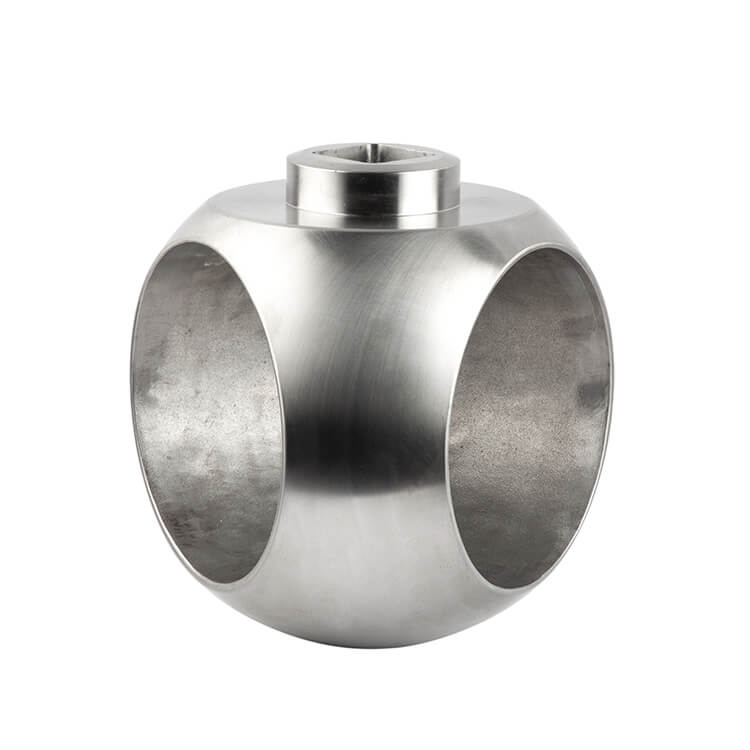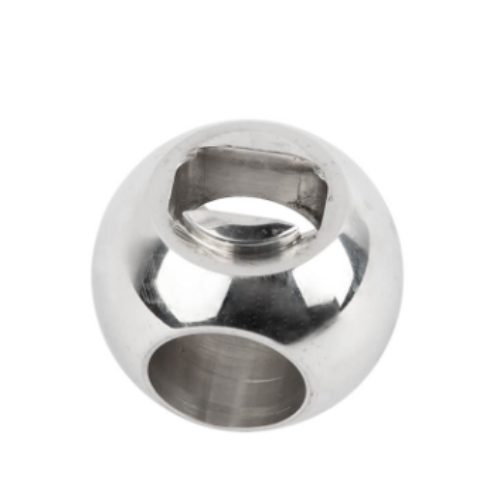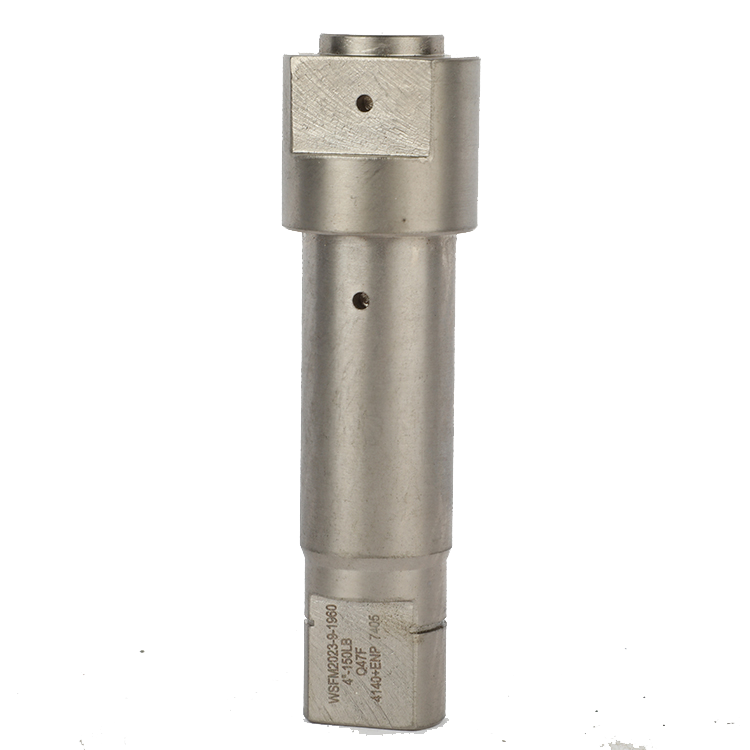

A ball valve bonnet is an important component in certain ball valve designs. It helps enclose internal valve components, supports the valve stem arrangement, and provides a connection point between the bonnet and the valve body. Depending on the valve design, the bonnet also helps maintain pressure integrity and prevent fluid leakage.
For industrial applications, understanding the structure and function of a ball valve bonnet is essential when selecting, installing, or maintaining a valve. Material selection, sealing design, connection type, and manufacturing quality can all affect valve performance and service life.

A ball valve bonnet is a component that closes or covers an opening in a valve body, depending on the valve’s construction. It may provide access to internal components during assembly, inspection, or maintenance. The bonnet can also accommodate or support parts of the stem and sealing arrangement.
A ball valve typically consists of a valve body, a spherical ball with a flow passage, a stem, seats, seals, and an operating mechanism. The bonnet is an additional structural component in designs that use one. Not all ball valves have a separate bonnet; some use a one-piece or two-piece body construction that does not include a distinct bonnet.
The bonnet’s shape, dimensions, material, and connection method depend on the valve design, pressure rating, working temperature, and intended application.
A ball valve bonnet performs several important functions that contribute to the valve’s overall operation and reliability.
The bonnet covers an opening in the valve body and helps keep the internal assembly enclosed. Depending on the design, it can make selected components more accessible for assembly, inspection, and servicing.
The bonnet and its associated gasket or sealing elements help maintain a pressure-tight joint where the bonnet connects to the valve body. Proper sealing is particularly important when the valve handles pressurized liquids, gases, or corrosive media.
The exact sealing arrangement varies by design. A bonnet joint is only one potential leakage point; stem seals, seat seals, and body connections also affect overall valve tightness.
In some ball valve designs, the bonnet helps support or locate components associated with the stem. The stem transfers rotational movement from a handle or actuator to the ball, allowing the valve to open or close. The bonnet’s role in this arrangement depends on the valve’s internal construction.
A properly designed bonnet connection helps the assembled valve withstand its specified operating pressure and temperature. Material strength, wall thickness, fastener selection, sealing surfaces, and manufacturing accuracy all contribute to the reliability of the assembly.
The bonnet must be compatible with the valve’s rated operating conditions. It should not be selected based on material strength alone.
For valve designs with removable bonnets, the component can provide access to internal parts during maintenance or repair. This can simplify certain servicing operations, although the actual procedure depends on the valve construction and manufacturer instructions.
Before removing a bonnet, the valve must be isolated, depressurized, drained, and made safe according to the applicable maintenance procedure.
Ball valve bonnets are manufactured from different materials to meet mechanical, chemical, and environmental requirements. The appropriate material depends on the valve body, working medium, pressure, temperature, and applicable design standards.
Stainless steel: Stainless steel grades such as 304 and 316 are used where corrosion resistance and durability are important. Grade 316 generally offers better resistance to many chloride-containing environments than grade 304, although suitability depends on the specific chemical concentration and operating conditions.
Carbon steel: Carbon steel may be suitable for applications requiring mechanical strength and cost-effective performance. Its suitability depends on the working medium, temperature, corrosion protection, and relevant specifications.
Alloy steel: Certain alloy steels are used for specialized operating conditions where strength, temperature resistance, or other mechanical properties are required.
When selecting a bonnet material, buyers should confirm material compatibility with the valve body, applicable pressure-temperature ratings, sealing materials, and project specifications. Material certificates and traceability may also be important for critical industrial applications.
Bonnet configurations vary according to valve construction, connection method, and service requirements. Common descriptions include the following.
Bolted bonnet: A bolted bonnet is secured to the valve body using bolts or studs. This arrangement can provide a secure mechanical connection and may allow disassembly for maintenance, depending on the design.
Threaded bonnet: A threaded bonnet connects to the valve body through mating threads. It may offer a compact construction, but its pressure and temperature suitability must be verified against the manufacturer’s specifications.
Welded or permanently joined construction: Some valve designs use welded or otherwise permanently joined components to reduce the need for a removable joint. These designs may be suitable for particular service requirements, but maintenance and repair options can differ from those of removable assemblies.
These descriptions are general construction categories, not a universal classification for every ball valve. Buyers should check the manufacturer’s drawings and technical documentation to confirm the actual bonnet arrangement.
The valve body and bonnet have different roles, although both contribute to the valve’s structural integrity.
The valve body is the main pressure-containing housing. It contains the flow passage and provides the primary structure for the ball, seats, and other internal components. It also connects to the pipeline through the specified end connections.
The bonnet generally covers a body opening and, depending on the design, supports or accommodates parts of the stem and sealing arrangement. It may also provide access to internal components during assembly or maintenance.
Not every ball valve has a separate bonnet. In some designs, the valve body itself encloses the internal assembly without a distinct bonnet component. Therefore, the exact distinction should always be based on the manufacturer’s design drawings and component specifications.
Selecting a suitable ball valve bonnet requires more than matching its dimensions. Buyers and engineers should evaluate the following factors.
Material compatibility:Choose a bonnet material that is compatible with the working medium and the required operating environment. Consider corrosion, erosion, temperature, and mechanical strength.
Pressure and temperature ratings:Confirm that the complete valve assembly is rated for the intended operating conditions. The bonnet, body connection, fasteners, and seals must all be suitable for the specified pressure-temperature range.
Connection and sealing design:Check whether the bonnet uses a bolted, threaded, welded, or other arrangement. Verify gasket type, sealing-surface requirements, and compatibility with the valve body.
Dimensions and manufacturing accuracy:Confirm the component drawing, critical dimensions, thread specifications where applicable, and mating-surface tolerances. Accurate machining helps ensure proper assembly and sealing performance.
Quality control and documentation:For industrial procurement, review inspection procedures, material certificates, traceability requirements, and applicable testing standards. A qualified manufacturer should be able to provide technical documentation appropriate to the product and application.
Maintenance requirements:Consider whether the bonnet needs to be removable and whether replacement parts will be available. The required maintenance frequency and the accessibility of the installed valve can influence the preferred design.
A ball valve bonnet is an important component in ball valve designs that use a separate bonnet. Depending on its construction, it helps enclose internal components, support the stem arrangement, maintain the integrity of the body connection, and facilitate assembly or maintenance.
Choosing the right bonnet requires careful consideration of material compatibility, pressure and temperature ratings, connection design, sealing requirements, manufacturing accuracy, and maintenance needs. Buyers should confirm these details against the complete valve specification rather than evaluating the bonnet as an isolated component.
For industrial valve manufacturers, distributors, and purchasing teams, working with a supplier that provides clear technical specifications, consistent manufacturing quality, and appropriate inspection documentation can help reduce compatibility issues and support reliable valve performance.
1. What is the main function of a ball valve bonnet?
The main function of a ball valve bonnet is to cover an opening in the valve body and help enclose internal components. Depending on the design, it may also support the stem arrangement, maintain a pressure-tight connection, and provide access for maintenance.
2. Do all ball valves have a bonnet?
No. Some ball valves have a separate bonnet, while others use one-piece or multi-piece body designs without a distinct bonnet component. The construction depends on the valve design and application requirements.
3. What materials are commonly used for ball valve bonnets?
Common materials include stainless steel, carbon steel, and alloy steel. The appropriate choice depends on the working medium, corrosion resistance, operating pressure, temperature, and required mechanical properties.
4. What is the difference between a ball valve bonnet and a valve body?
The valve body is the main housing that contains the flow passage and internal components. The bonnet typically covers an opening in the body and may support parts of the stem or sealing arrangement. Their exact functions depend on the valve’s construction.
5. How does a ball valve bonnet prevent leakage?
The bonnet helps prevent leakage at the joint between the bonnet and valve body through an appropriate sealing arrangement, such as a gasket or other specified seal. Proper material selection, surface finish, assembly, and fastener installation are important for maintaining sealing performance.


 Optimized by Seraphinite Accelerator