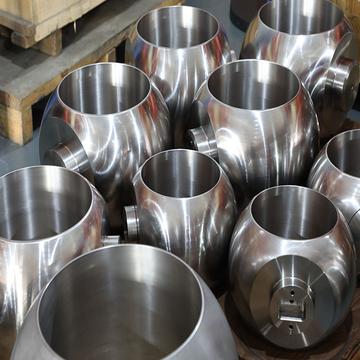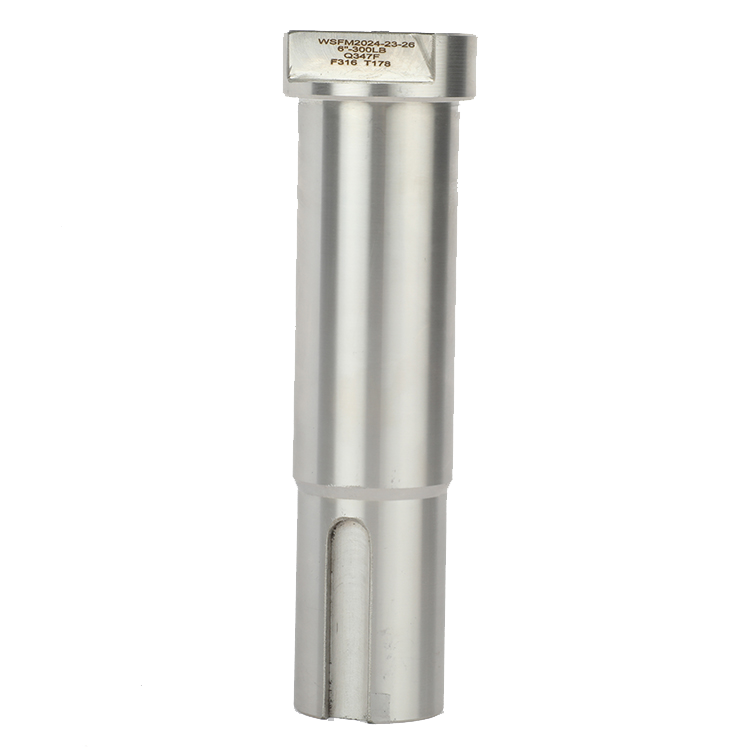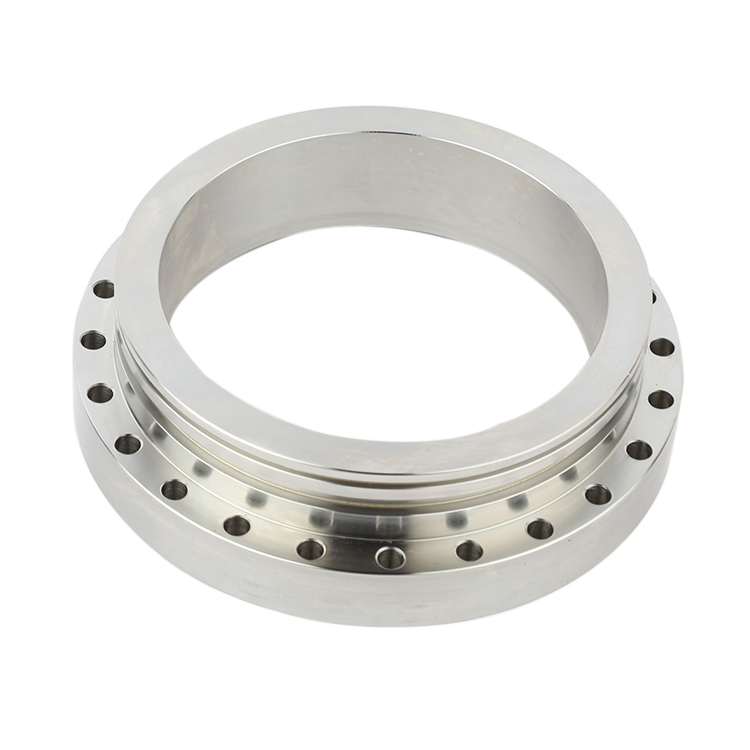


Choosing the right ball valve bonnet is important for ensuring reliable valve performance, effective sealing, and long-term service in industrial piping systems. Ball valves are widely used in oil and gas, chemical processing, water treatment, power generation, and other industries where flow control and pressure containment are essential.
Although the bonnet is not a separate component in every ball valve design, it plays an important role in valves that use a distinct bonnet structure. Material compatibility, pressure and temperature ratings, connection design, sealing requirements, and manufacturing quality can all influence its suitability for a specific application.
Selecting an unsuitable bonnet may lead to compatibility issues, sealing problems, premature wear, or unnecessary maintenance costs. This article explains the key factors to consider when choosing a ball valve bonnet for industrial applications.

Before selecting a bonnet, it is important to understand its function and relationship with other valve components.
A ball valve bonnet generally covers an opening in the valve body and helps enclose internal components. Depending on the design, it may support parts of the stem arrangement, provide access for maintenance, and help maintain a pressure-tight connection between the bonnet and valve body.
However, not all ball valves have a separate bonnet. Some use one-piece or multi-piece body constructions in which the body design itself encloses the internal components. Therefore, buyers should first confirm whether the required valve model includes a distinct bonnet.
Understanding the valve structure helps prevent ordering the wrong component and ensures that the selected bonnet matches the intended valve assembly.
Material selection is one of the most important considerations when choosing a ball valve bonnet. The material must withstand the working medium, operating temperature, pressure conditions, and surrounding environment.
Stainless steel is commonly used in industrial valve components because of its corrosion resistance and mechanical properties. Grades such as 304 and 316 are suitable for different operating environments. Grade 316 generally provides better resistance to many chloride-containing environments than grade 304, although actual suitability depends on the medium and service conditions.
Stainless steel bonnets may be appropriate for water treatment, food processing, chemical handling, and other applications where corrosion resistance is important.
Carbon steel may be suitable for applications that prioritize mechanical strength and cost efficiency. It is commonly considered for certain oil and gas, water, and general industrial services.
However, corrosion protection and compatibility with the working medium must be evaluated before selecting carbon steel.
Alloy steel may be required for specialized applications involving demanding mechanical or temperature conditions. The appropriate grade depends on the design requirements and the applicable material specifications.
When comparing materials, buyers should consider corrosion resistance, strength, temperature limits, material compatibility with the valve body, and any project-specific certification requirements.
The bonnet must be suitable for the valve’s intended pressure and temperature range. These operating conditions affect material strength, sealing performance, dimensional stability, and the reliability of the connection between the bonnet and valve body.
For high-pressure applications, the bonnet structure, wall thickness, fasteners, and sealing arrangement must comply with the applicable valve design requirements. For elevated-temperature services, buyers should also consider how temperature affects the mechanical properties of the material and the performance of gaskets and other sealing components.
Low-temperature applications require attention to material toughness and the risk of brittle behavior. Similarly, temperature fluctuations may affect the performance of the sealing arrangement over repeated operating cycles.
Instead of selecting a bonnet based on pressure rating alone, verify the pressure-temperature rating of the complete valve assembly and confirm that it meets the relevant design standards.
The connection between the bonnet and valve body influences structural integrity, sealing, assembly, and maintenance. The available options depend on the specific valve design.
Bolted bonnet: A bolted bonnet is secured to the valve body with bolts or studs. Depending on the design, it may allow access to internal components during maintenance and can provide a secure mechanical connection.
Threaded bonnet: A threaded bonnet uses mating threads to connect with the valve body. This arrangement can offer a compact construction, but its suitability must be verified against the valve’s pressure rating, temperature range, and design specifications.
Welded or permanently joined construction: Some valve designs use welded or other permanent joints. These configurations may reduce the need for a removable connection, but inspection and maintenance procedures can differ from those for detachable bonnets.
Not every connection type is available or appropriate for every ball valve. Buyers should confirm the actual construction through technical drawings and manufacturer documentation rather than assuming that all bonnet designs are interchangeable.
Sealing performance is critical in industrial applications where leakage can cause product loss, equipment damage, environmental concerns, or safety risks.
The bonnet connection may use a gasket or another sealing arrangement, depending on the valve design. The sealing material must be compatible with the working medium and capable of operating within the required pressure and temperature range.
When evaluating sealing requirements, consider the chemical properties of the fluid, operating conditions, expected service life, and frequency of temperature or pressure changes. The finish and flatness of mating surfaces, component tolerances, and correct assembly procedures also influence sealing performance.
It is equally important to distinguish bonnet-joint sealing from stem sealing and ball-seat sealing. These are separate potential leakage points and must be evaluated as part of the complete valve design.
Dimensional compatibility is essential when purchasing a ball valve bonnet for a new valve assembly or as a replacement component.
Buyers should check the component drawing, overall dimensions, connection details, mounting interfaces, thread specifications where applicable, and critical tolerances. The bonnet must fit the corresponding valve body and associated components without creating assembly or sealing problems.
Manufacturing accuracy also affects consistency between production batches. Precision machining, controlled processing procedures, and appropriate dimensional inspection help ensure that components meet the required specifications.
For customized bonnets, provide the manufacturer with technical drawings, material requirements, operating conditions, and applicable standards. This helps reduce misunderstandings and ensures that the proposed component is designed for the intended application.
Different industries expose valve components to different chemical, mechanical, and environmental conditions. A bonnet that performs well in a water pipeline may not be suitable for a corrosive chemical process or a high-temperature system.
For chemical processing, evaluate corrosion resistance and compatibility with the specific chemicals and concentrations involved. For oil and gas applications, consider pressure, temperature, process fluid characteristics, and the applicable industry requirements. For water treatment, evaluate corrosion conditions, water chemistry, and the required service life.
Environmental factors such as humidity, external corrosion, vibration, and temperature fluctuations may also influence material and connection selection.
A complete review of the operating environment helps buyers select a bonnet that meets actual service requirements instead of relying on general material descriptions.
The quality of a ball valve bonnet depends on more than the raw material. Manufacturing processes, inspection procedures, and technical documentation also contribute to product consistency and reliability.
When choosing a ball valve bonnet manufacturer, consider the following factors:
Material control: Confirm material grades, specifications, and traceability requirements.
Machining capability: Check whether the manufacturer can achieve the required dimensions and tolerances.
Quality inspection: Review dimensional checks, surface inspections, and applicable pressure or sealing tests for the complete valve assembly.
Customization capability: Determine whether the supplier can manufacture components according to approved drawings and project specifications.
Technical documentation: Request relevant drawings, material certificates, inspection records, and compliance documents where required.
Production consistency: Evaluate whether the supplier can maintain consistent quality across repeat orders and required production volumes.
A qualified supplier should be able to explain the manufacturing process, clarify technical requirements, and provide documentation appropriate to the intended application.
Purchase price is an important factor, but the lowest-cost bonnet is not always the most economical choice over the product’s service life.
An unsuitable material or poorly manufactured component may contribute to premature corrosion, sealing problems, replacement expenses, and unplanned downtime. These issues can increase the total cost of ownership, particularly in industrial systems where maintenance interruptions affect production.
When comparing suppliers, consider material quality, dimensional accuracy, expected service conditions, inspection requirements, replacement availability, and delivery reliability. A slightly higher initial cost may be justified when the component provides better compatibility and more consistent manufacturing quality.
The objective is to select a bonnet that meets technical requirements while balancing procurement costs, maintenance needs, and operational reliability.
Choosing the right ball valve bonnet for industrial applications requires a thorough evaluation of material compatibility, operating pressure and temperature, connection type, sealing requirements, dimensions, and manufacturing quality.
Buyers should first confirm whether the selected ball valve design uses a separate bonnet. They should then verify the component’s compatibility with the valve body, operating medium, applicable standards, and maintenance requirements.
Working with a reliable manufacturer that offers accurate machining, appropriate quality control, material traceability, and technical support can help reduce procurement risks and improve component consistency. By evaluating these factors before purchasing, industrial buyers can make more informed decisions and select ball valve bonnet components suited to their operating conditions.
1. What factors should be considered when choosing a ball valve bonnet?
Key factors include material compatibility, operating pressure and temperature, connection type, sealing requirements, dimensions, manufacturing quality, and applicable industry standards. The bonnet must be compatible with the valve body and suitable for the intended operating conditions.
2. Which material is best for a ball valve bonnet?
Stainless steel, carbon steel, and alloy steel are common options. Stainless steel is often selected for corrosion resistance, carbon steel for suitable general industrial applications, and alloy steel for certain demanding operating conditions. The best material depends on the working medium, temperature, pressure, and project specifications.
3. How does operating pressure affect ball valve bonnet selection?
Operating pressure affects the required structural strength, bonnet connection, fasteners, and sealing arrangement. Buyers should verify the pressure rating of the complete valve assembly and ensure it meets the applicable design standards.
4. What is the difference between a bolted bonnet and a threaded bonnet?
A bolted bonnet connects to the valve body using bolts or studs, while a threaded bonnet uses mating threads. Their suitability depends on the valve design, pressure and temperature requirements, sealing structure, and maintenance needs.
5. How do I ensure a ball valve bonnet provides reliable sealing?
Check the sealing design, gasket compatibility, mating-surface finish, dimensional tolerances, and assembly requirements. The sealing materials must be suitable for the working medium and operating conditions. Bonnet-joint sealing should also be evaluated separately from stem and ball-seat sealing.


 Optimized by Seraphinite Accelerator