
Choosing the right ball valve stem is important for ensuring reliable valve operation, effective sealing, and long service life in industrial piping systems. The stem connects the external operating mechanism to the internal ball and transfers the torque required to open and close the valve.
Although the stem is a relatively small component, its material, dimensions, design, surface finish, and connection structure can significantly affect valve performance. An unsuitable stem may lead to excessive operating torque, leakage, deformation, corrosion, or premature failure.
Industrial applications can involve different pressures, temperatures, media, operating frequencies, and environmental conditions. Therefore, selecting a ball valve stem should be based on the actual service conditions rather than simply choosing a standard component based on size or material.

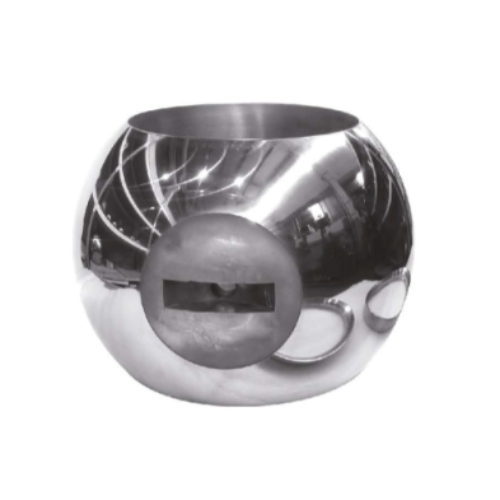
A ball valve stem transfers rotational movement from a handle, gearbox, pneumatic actuator, or electric actuator to the valve ball.
When the operating mechanism turns the stem, the stem rotates the ball inside the valve body. In a typical quarter-turn ball valve, approximately 90 degrees of rotation moves the ball between the fully open and fully closed positions.
The stem must therefore provide reliable torque transmission while maintaining its position within the valve body. At the same time, stem seals or packing must prevent the working medium from escaping around the stem.
Because of these functions, stem selection needs to consider both mechanical and sealing requirements.
The first step is to determine the type of ball valve in which the stem will be installed.
Ball valves can differ in body construction, ball design, stem configuration, pressure rating, operating method, and connection structure. For example, a stem designed for one valve body may not be interchangeable with a stem from another valve simply because the nominal valve size is the same.
Check the valve drawings, existing component specifications, or manufacturer’s technical documentation to identify the required stem configuration.
Important information may include:
Valve type and size
Ball design
Stem connection
Valve body configuration
Operating mechanism
Pressure and temperature ratings
For replacement components, matching the original stem dimensions and interface is particularly important.
The fluid or gas handled by the valve is one of the most important factors in material selection.
Industrial valves may be used for water, air, oil, natural gas, steam, chemicals, process fluids, and other media. These substances can have different effects on the stem material and sealing components.
For example, moisture and corrosive chemicals can increase the risk of corrosion. Certain chemicals may also require specific material compatibility.
Stainless steel may be considered for applications where corrosion resistance is important, while carbon steel or alloy steel may be suitable for other environments.
Material compatibility should be evaluated based on the actual composition, concentration, temperature, and operating conditions of the medium.
The stem material must provide sufficient mechanical strength and environmental resistance for the application.
Stainless steel is widely used because of its corrosion resistance and mechanical properties. Different grades, such as 304 and 316 stainless steel, can be selected according to application requirements.
Carbon steel can provide high mechanical strength and may be suitable for applications where corrosion exposure is controlled or where protective measures are available.
Alloy steel and specialized alloys may be considered for applications requiring particular combinations of strength, wear resistance, temperature resistance, or corrosion resistance.
The goal is not simply to choose the strongest material but to select a material whose properties match the complete operating environment.
Pressure and temperature directly influence the mechanical requirements of a ball valve stem.
Higher internal pressure can increase the loads acting on valve components. Temperature can also affect material strength, dimensional stability, and the performance of seals and packing.
When selecting a stem, confirm that its material and design are compatible with the valve’s pressure and temperature ratings.
The stem should not be evaluated independently from the complete valve assembly. The body, ball, seats, stem, packing, and other components must work together within the specified operating range.
Dimensional compatibility is critical when selecting a ball valve stem.
Important dimensions can include stem diameter, overall length, connection dimensions, key or slot dimensions, and the geometry used to connect the stem to the ball and operating mechanism.
Even a small dimensional difference can affect assembly or prevent the stem from transmitting torque correctly.
For OEM projects or replacement parts, providing a technical drawing or sample to the manufacturer can help ensure that the new stem matches the required specifications.
The stem must be capable of transmitting enough torque to rotate the ball without excessive deformation or failure.
Operating torque can be affected by several factors, including:
Valve size
Internal pressure
Seat material
Ball and stem design
Working medium
Temperature
Friction
Operating frequency
A stem that is undersized for the required torque may deform or fail. On the other hand, unnecessarily increasing the stem size may add material and manufacturing costs without providing a practical benefit.
The stem and actuator should therefore be selected as a compatible system.
Because the stem passes through the valve body, preventing external leakage is an important part of valve design.
Depending on the valve construction, the sealing system may use O-rings, packing, or other sealing elements. The stem surface, dimensional accuracy, and surface finish can influence how effectively the sealing system performs.
When selecting a stem, consider its compatibility with the sealing materials and the operating temperature and medium.
A stem with an unsuitable surface condition may increase friction or accelerate seal wear.
For certain industrial applications, a blowout-proof stem design may be required.
A blowout-proof structure is designed to help prevent the stem from being expelled from the valve body under internal pressure if certain sealing components fail.
This feature can be particularly relevant in applications involving high pressure, hazardous media, or strict safety requirements.
When evaluating a valve stem, buyers should check whether the required valve design incorporates the appropriate stem-retention structure.
The industrial environment can expose valve stems to moisture, chemicals, salt, temperature fluctuations, and repeated mechanical movement.
Corrosion can weaken the stem over time, while repeated operation can contribute to wear at contact and sealing surfaces.
Material selection, surface finish, heat treatment, and appropriate surface treatments can all contribute to durability.
For corrosive applications, buyers should evaluate not only the stem material but also the compatibility of the entire valve assembly with the environment.
A valve that is operated several times per year has different requirements from one that cycles continuously in an automated production line.
Frequent cycling can increase wear on the stem, seals, seats, and actuator connection. In these applications, mechanical durability, surface quality, lubrication requirements, and seal compatibility become particularly important.
If the valve is part of an automated process, the expected number of operating cycles should be communicated to the manufacturer so that the stem and other components can be appropriately designed.
Material selection alone does not guarantee reliable ball valve stem performance. Manufacturing accuracy is equally important.
The stem may require precise machining to achieve the correct dimensions, tolerances, connection geometry, and surface finish. Critical areas should be inspected according to the applicable technical requirements.
When evaluating a manufacturer, buyers can consider:
Raw material control
Machining capabilities
Dimensional inspection
Surface finish inspection
Heat-treatment control
Material traceability
Assembly compatibility
Final quality inspection
These factors can help ensure consistency between production batches.
Industrial valve applications may require compliance with specific standards depending on the industry, location, valve type, and service conditions.
Before purchasing a ball valve stem or complete ball valve, determine which standards and documentation are required for the project.
The applicable requirements may cover valve design, pressure testing, materials, dimensions, fire safety, emissions, or other performance characteristics.
Buyers should communicate these requirements to the manufacturer before production rather than assuming that a standard industrial stem automatically meets every project specification.
Standard ball valve stems can be practical when the required dimensions and specifications correspond to an existing valve design.
Customized stems may be more appropriate when the application requires non-standard dimensions, special materials, modified connection structures, specific surface finishes, or compatibility with an existing valve.
For customized production, provide as much technical information as possible, including drawings, samples, material requirements, operating conditions, and expected performance.
A qualified manufacturer can then assess the requirements and determine the appropriate manufacturing process.
One common mistake is selecting a stem based only on the nominal valve size. Two valves with the same nominal diameter may have different stem dimensions or connection structures.
Another mistake is choosing a material without considering the working medium and environment. A material with good general performance may not be suitable for a particular corrosive chemical or temperature range.
Ignoring operating torque can also cause problems. The stem must be strong enough to transmit the torque required by the valve under actual operating conditions.
Finally, buyers should avoid evaluating the stem independently from the complete valve. Stem, ball, seats, seals, body, and actuator performance are closely related.
Before purchasing a ball valve stem for an industrial application, confirm the following:
Valve type and nominal size
Stem dimensions and connection structure
Working medium
Operating pressure
Operating temperature
Required material and material grade
Corrosion and wear conditions
Operating frequency
Required operating torque
Stem sealing arrangement
Blowout-proof requirements
Applicable industry standards
Inspection and documentation requirements
Standard or customized design
Having these specifications available can make communication with a valve stem manufacturer more efficient and reduce the risk of selecting an incompatible component.
Selecting the right ball valve stem for industrial applications requires consideration of the valve design, material, dimensions, operating torque, pressure, temperature, working medium, sealing system, and operating environment.
Stainless steel, carbon steel, alloy steel, and specialized materials can each be suitable for different applications. However, the correct choice depends on the specific operating conditions and requirements of the complete valve assembly.
For industrial buyers and valve manufacturers, accurate technical specifications and reliable quality control are essential. By evaluating both the stem itself and its compatibility with the ball, body, seals, and actuator, businesses can select a ball valve stem that supports reliable operation and long-term valve performance.
1. What should I consider when choosing a ball valve stem?
Consider the valve type, stem dimensions, working medium, pressure, temperature, operating torque, corrosion exposure, operating frequency, sealing system, and applicable industry standards. The stem should be compatible with the complete valve assembly.
2. How do I choose the right material for a ball valve stem?
Material selection depends on the working medium, temperature, pressure, corrosion conditions, and required mechanical strength. Stainless steel is commonly considered for corrosion resistance, while carbon steel and alloy steel may be suitable for different mechanical and operating requirements.
3. Does valve size affect ball valve stem selection?
Yes. Valve size can affect the required stem dimensions and operating torque. However, nominal valve size alone is not sufficient because valves with the same nominal diameter may have different stem designs and connection dimensions.
4. Why is operating torque important when selecting a ball valve stem?
The stem must withstand and transfer the torque required to rotate the ball. If the stem is not appropriately designed for the required torque, it may deform, wear, or fail during operation.
5. How does temperature affect ball valve stem selection?
High or low temperatures can affect material strength, dimensional stability, friction, and sealing performance. The selected stem material and sealing system should therefore be compatible with the valve’s actual operating temperature range.


 Optimized by Seraphinite Accelerator