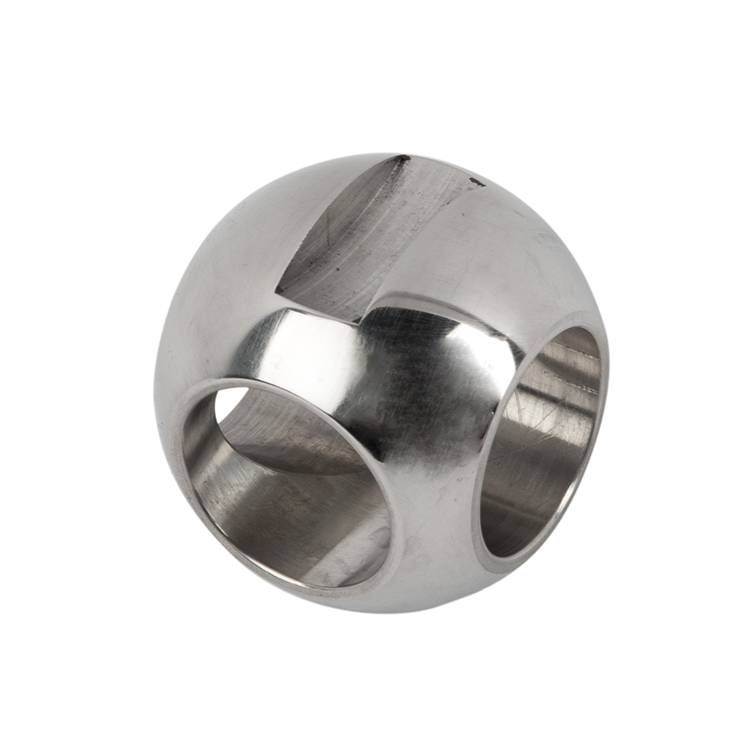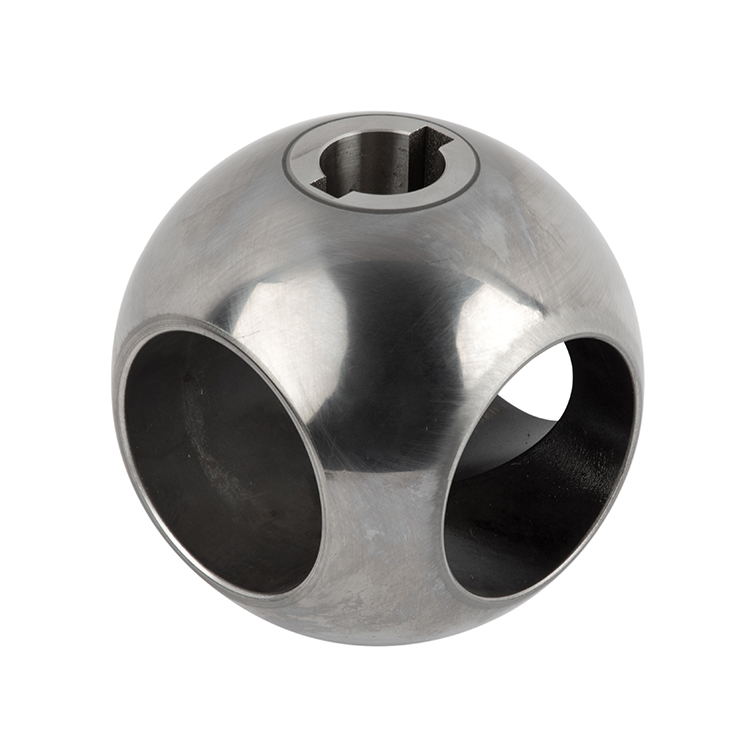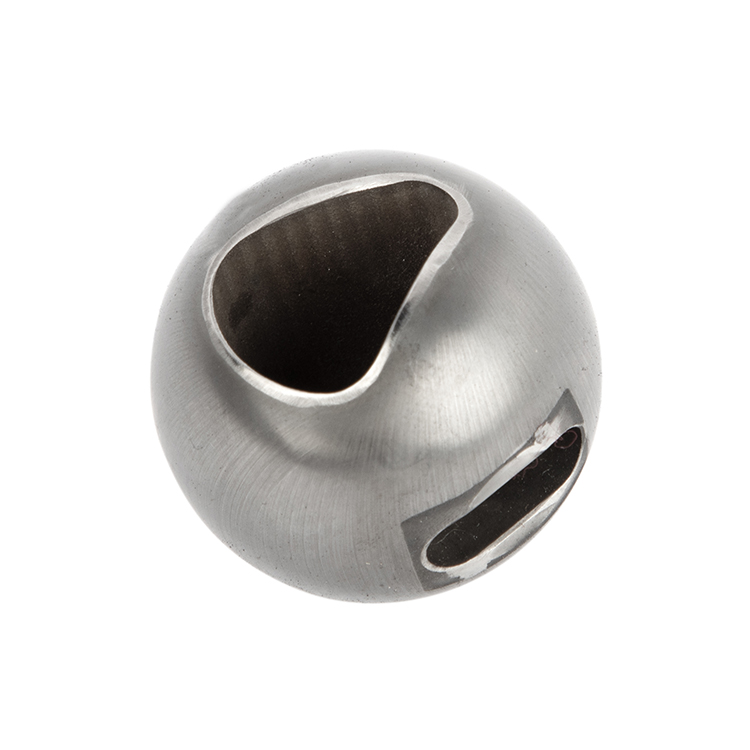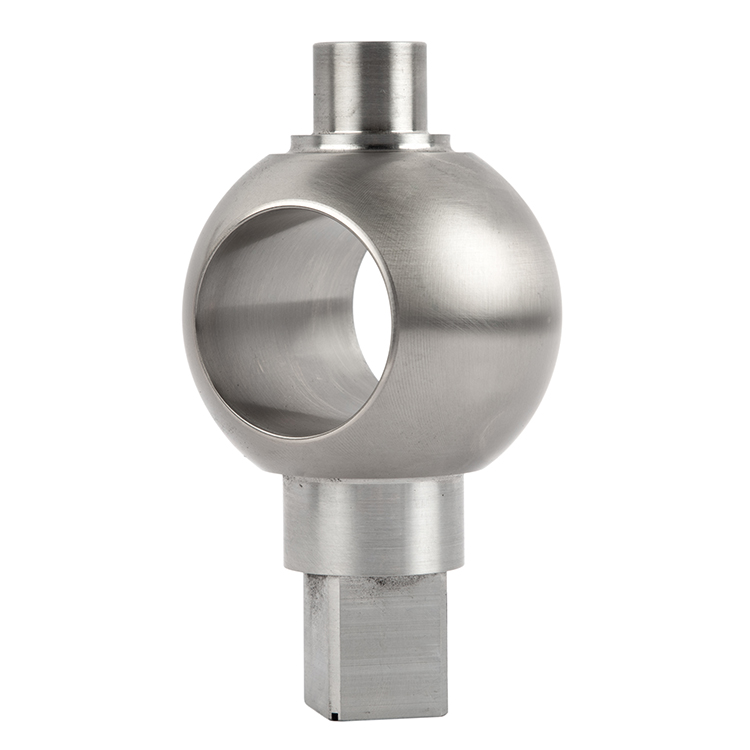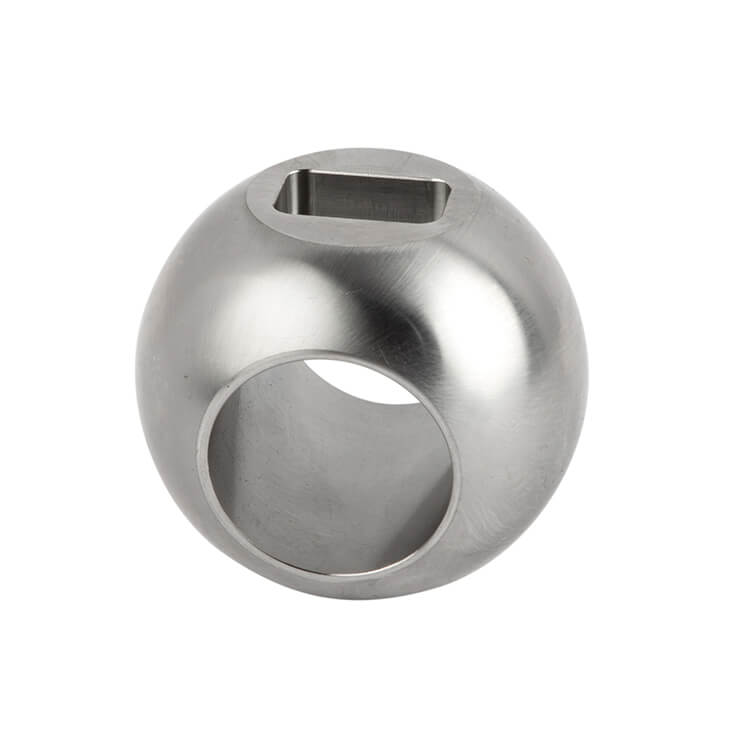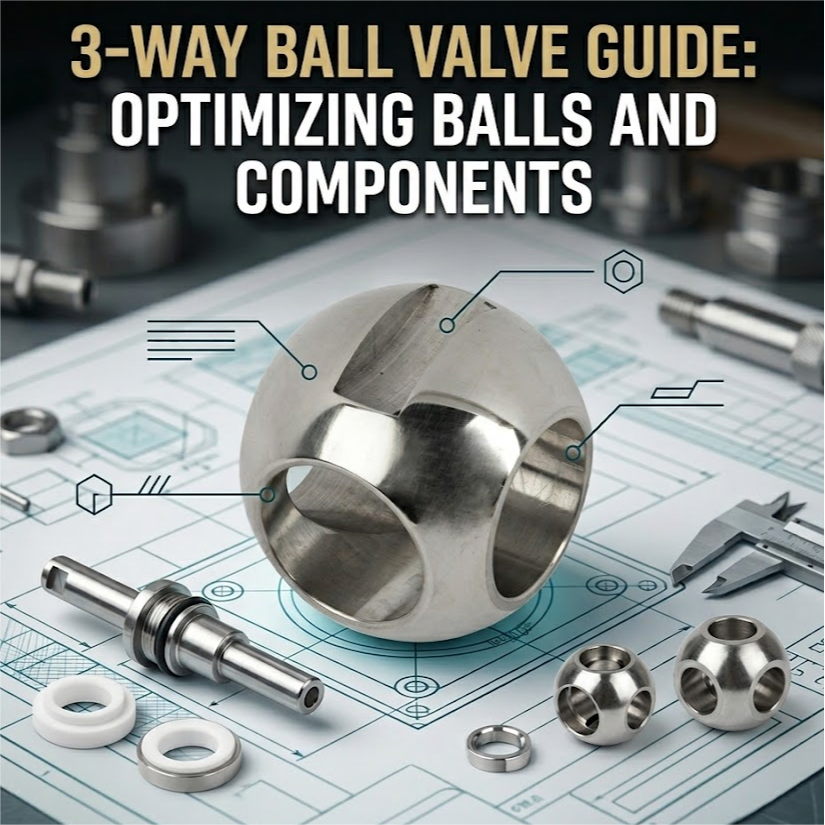

A ball valve ball is one of the most important components inside a ball valve. It rotates within the valve body to control the flow of liquids, gases, and other media. When the ball is precisely aligned with the flow passage, the valve can open or close efficiently. Its position and surface condition also directly affect sealing performance and flow control.
While standard ball valve balls are available for common valve designs, many industrial applications require components with specific dimensions, materials, port configurations, surface finishes, or tolerances. This is where a customized ball valve ball can provide a practical solution.
Customized ball valve balls are manufactured according to the technical requirements of a particular valve or application. They can be designed and machined to match different valve structures, operating conditions, and performance requirements.
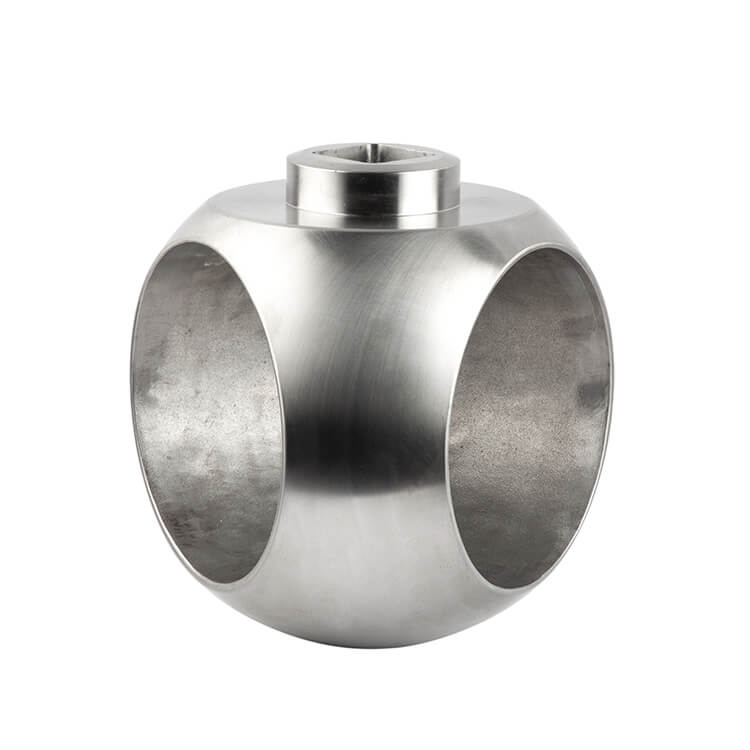
A customized ball valve ball is a precision-manufactured valve ball produced according to customer-specific drawings, dimensions, material requirements, or technical specifications.
Unlike standard valve balls that follow predetermined specifications, customized versions can be modified to suit a particular valve design. Customization may involve the ball diameter, bore configuration, stem connection, material, surface finish, dimensional tolerances, and other characteristics.
For manufacturers, distributors, and valve assembly companies, this flexibility can be important when developing specialized valves or replacing components that are not available in standard sizes.
The ball valve ball is positioned between the valve seats inside the valve body. A stem connected to the ball allows the ball to rotate, normally through approximately 90 degrees.
When the flow passage through the ball is aligned with the pipeline, the valve is in the open position. When the ball rotates so that the passage is perpendicular to the flow direction, the valve closes and the ball works together with the valve seats to restrict or stop the flow.
Because the ball rotates repeatedly during operation, its dimensional accuracy, surface condition, and compatibility with the valve seats can affect the overall performance of the valve.
A ball valve ball needs to work closely with other valve components. Even relatively small dimensional or machining variations can affect how the ball rotates and how effectively it interacts with the valve seats.
A precisely manufactured ball can help maintain consistent contact with the sealing surfaces and support reliable valve operation. Proper dimensional tolerances can also help reduce problems such as excessive friction, leakage, difficult operation, or premature wear.
For industrial valves that operate frequently or under demanding conditions, precision becomes particularly important because the ball may experience repeated mechanical movement and contact with the valve seats.
The exact customization options depend on the valve design and manufacturer, but several characteristics can commonly be adjusted.
Different applications may require different materials based on corrosion resistance, temperature, pressure, and media compatibility. Stainless steel, carbon steel, alloy steel, and other specialized materials may be considered depending on the operating environment.
Material selection should be based on the actual application rather than simply choosing the most commonly used material.
The outside diameter, bore diameter, overall dimensions, and other critical measurements need to match the valve body, seats, and stem assembly.
Customized manufacturing allows the ball to be produced according to specific drawings and dimensional tolerances. This is especially useful for specialized valve designs or replacement components.
Ball valve balls can have different flow-port configurations depending on the valve’s intended function. Full-port and reduced-port designs are common examples.
Specialized applications may also require particular port geometries or configurations. Custom machining can accommodate these requirements when standard components are not suitable.
The surface finish of the ball can influence its interaction with valve seats and other internal components. Precision grinding and polishing may be used to achieve the required surface quality.
The appropriate finish depends on the valve design, sealing requirements, material, and operating conditions.
The connection between the ball and valve stem must match the valve’s actuation mechanism. A customized ball can be manufactured with a specific stem connection or mounting configuration to fit the complete valve assembly.
The ball is directly involved in opening, closing, and controlling the flow passage. As a result, its design and manufacturing quality can influence several aspects of valve performance.
The ball and valve seats work together to create the sealing mechanism. A ball with appropriate dimensions and surface characteristics can help maintain consistent contact with the seats.
If the ball does not meet the required specifications, the valve may experience leakage or inconsistent shutoff performance.
The size and geometry of the ball’s flow passage affect how media moves through the valve. A customized port design can be selected according to the required flow characteristics and valve configuration.
The ball must rotate smoothly inside the valve body. Excessive dimensional variation, surface roughness, or improper component matching can increase friction and operating torque.
A properly manufactured customized ball can help ensure that the ball works correctly with the seats, stem, and actuator.
Material selection, surface finish, dimensional accuracy, and manufacturing consistency can all influence component durability.
For applications involving corrosive media, frequent cycling, abrasive conditions, or elevated temperatures, selecting an appropriate ball design and material can be particularly important.
Customization can be useful when a standard ball valve ball does not meet the requirements of the valve or application.
For example, customization may be considered when a valve manufacturer develops a special valve design, when an existing component needs a non-standard dimension, or when a replacement ball must match an older or proprietary valve configuration.
It can also be useful for industrial applications where specific materials, port configurations, surface finishes, or dimensional tolerances are required.
Standard ball valve balls are manufactured according to established specifications and are suitable for many common valve designs. They can offer a convenient option when the required dimensions and material are readily available.
Customized ball valve balls, on the other hand, are produced according to specific requirements. They provide greater flexibility when a standard component cannot provide the required dimensions, material, port design, or connection.
The choice between standard and customized components should therefore depend on the valve design, application requirements, available specifications, and production needs.
When ordering a customized ball valve ball, providing accurate technical information is important. Valve manufacturers and buyers should consider the valve size, ball diameter, port configuration, material, pressure and temperature conditions, sealing requirements, stem connection, surface finish, and dimensional tolerances.
Technical drawings, samples, or detailed specifications can help the manufacturer understand the required design. It is also important to communicate the operating medium and application environment so that the material and surface treatment can be selected appropriately.
Working with a manufacturer that has precision machining and quality inspection capabilities can help ensure that customized components consistently meet the required specifications.
A customized ball valve ball is a precision valve component manufactured according to specific dimensional, material, design, and performance requirements. Compared with standard valve balls, customized components provide greater flexibility for specialized valve designs and demanding industrial applications.
Because the ball directly participates in flow control and sealing, its dimensional accuracy, surface finish, material, and compatibility with other valve components can have an important influence on valve operation.
For valve manufacturers, distributors, and industrial buyers, understanding these factors can help them select or develop a customized ball valve ball that matches the requirements of the complete valve assembly.
1. What is a customized ball valve ball?
A customized ball valve ball is a precision-manufactured valve component produced according to specific requirements such as dimensions, material, port configuration, surface finish, and tolerances. It is designed to match a particular ball valve assembly or application.
2. Why use a customized ball valve ball?
A customized ball valve ball can be useful when standard valve balls do not meet the required dimensions, materials, port designs, or performance requirements. Customization allows the component to match the specific valve structure and operating conditions.
3. What materials can be used for customized ball valve balls?
Common materials include stainless steel, carbon steel, alloy steel, and other materials selected according to the valve application. Material choice depends on factors such as corrosion resistance, pressure, temperature, and the type of medium being handled.
4. What can be customized on a ball valve ball?
Customization can include ball diameter, bore size, port configuration, stem connection, dimensional tolerances, material, and surface finish. The available options depend on the valve design and manufacturer’s machining capabilities.
5. How does a customized ball valve ball affect valve performance?
The ball valve ball can affect sealing, flow control, operating torque, and service life. Proper dimensions and surface finish help the ball work effectively with the valve seats and other internal components.
6. Can customized ball valve balls be used for high-pressure applications?
Yes, customized ball valve balls can be manufactured for high-pressure applications when the appropriate material, dimensions, tolerances, and surface requirements are specified. The complete valve design and operating conditions should be considered when selecting the ball.


 Optimized by Seraphinite Accelerator