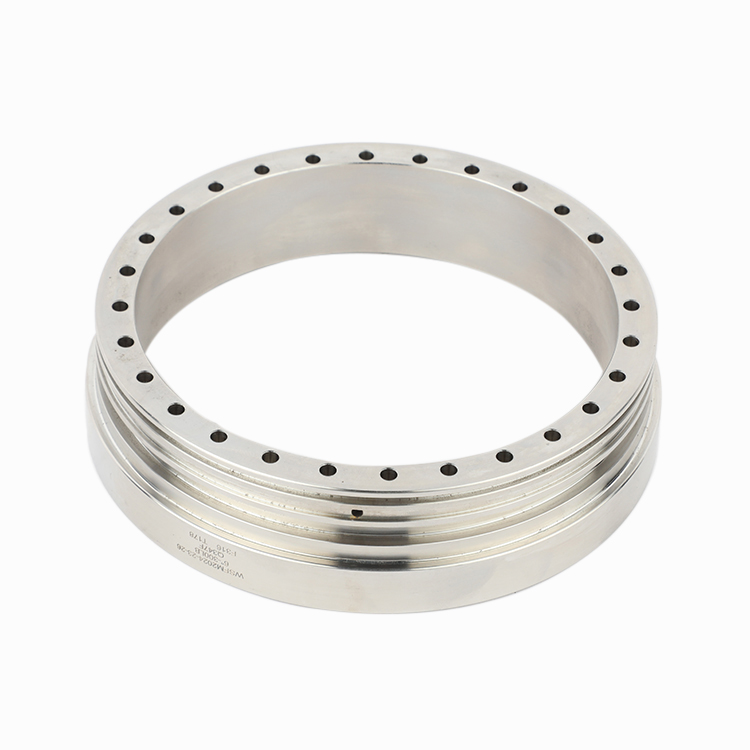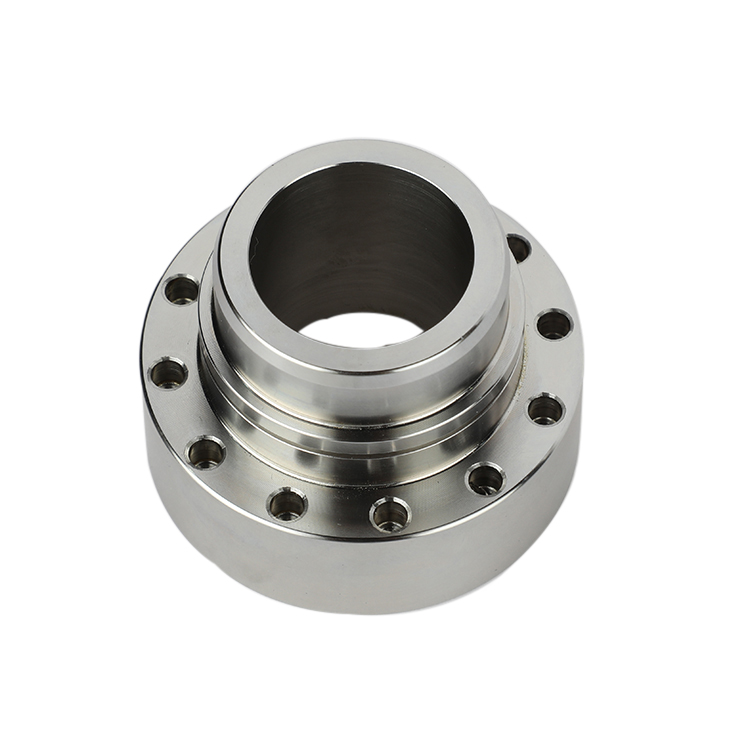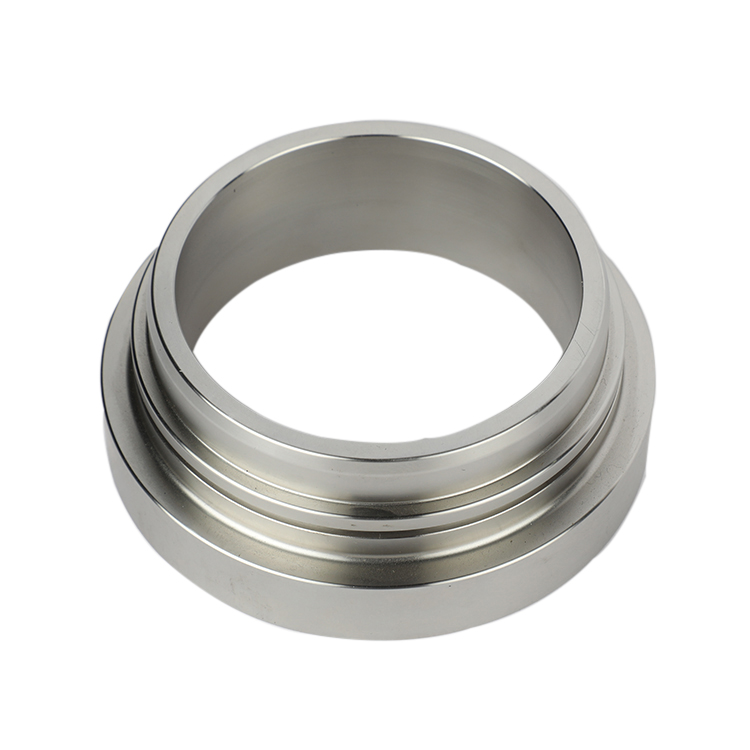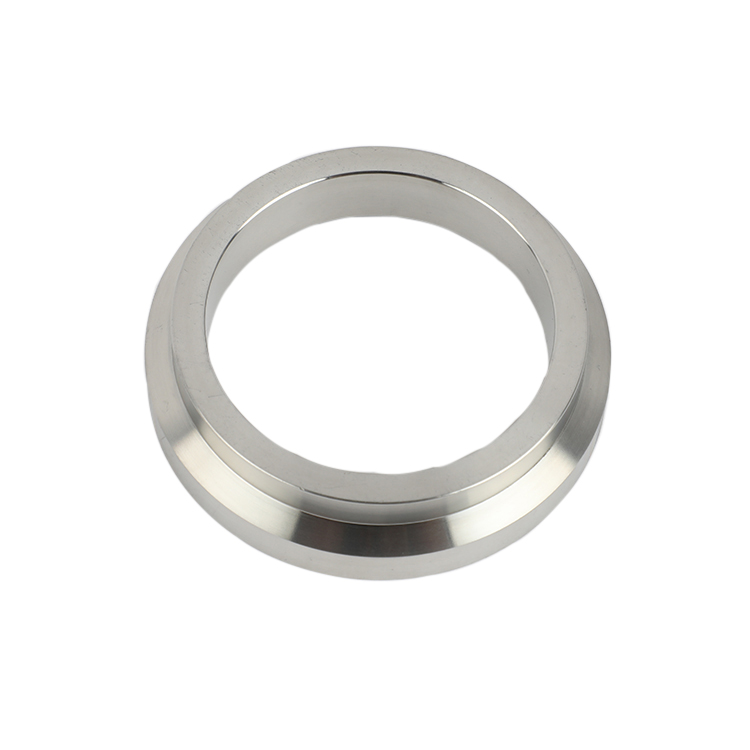


Choosing the right ball valve seat material is essential for achieving reliable sealing performance, reducing maintenance costs, and extending valve service life. The seat forms a sealing interface with the ball, helping prevent fluid leakage when the valve is closed. Its material properties directly affect chemical compatibility, temperature resistance, pressure handling, wear resistance, and operating torque.
For industrial valve manufacturers, distributors, engineers, and purchasing teams, selecting a suitable material requires more than comparing prices or basic specifications. Different applications have different requirements, from handling corrosive chemicals and high-temperature fluids to controlling abrasive media and maintaining tight shutoff.
Common ball valve seat materials include PTFE, reinforced PTFE, PEEK, and metal alloys. Each offers different advantages and limitations, making it important to evaluate the actual operating conditions before making a selection.
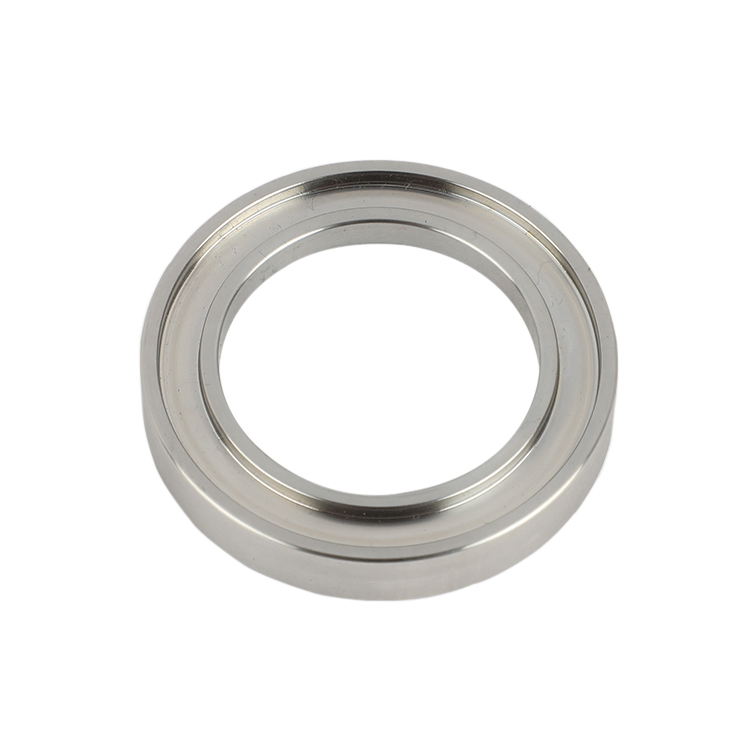
A ball valve seat is a sealing component positioned between the valve ball and the valve body. When the ball rotates to the closed position, the seat maintains contact with the ball to prevent fluid from passing through the valve.
The seat material determines how well the sealing interface performs under specific operating conditions. A material with suitable chemical resistance can help prevent degradation, while adequate mechanical strength can reduce deformation under pressure. Low-friction properties may also support smooth valve operation and reduce wear.
An unsuitable material can lead to leakage, excessive operating torque, premature seat damage, or frequent replacement. For this reason, material selection should consider the process medium, operating temperature, pressure, valve design, and required service life.
PTFE is one of the most widely used materials for soft-seated ball valves. It offers low friction, good chemical resistance, and effective sealing performance in many industrial applications.
PTFE seats are commonly used in water systems, chemical processing, and general industrial fluid handling. Their low-friction properties can help reduce the torque required to operate the valve, while their chemical resistance makes them suitable for many corrosive media.
However, unfilled PTFE can undergo creep or deformation under sustained loading, particularly at elevated temperatures or pressures. It may also be unsuitable for certain chemicals or operating conditions. Buyers should verify the specific PTFE grade and the manufacturer’s pressure-temperature limits before selection.
Reinforced PTFE incorporates fillers designed to improve selected mechanical properties, such as resistance to deformation, wear, or dimensional changes. Depending on the formulation, fillers may include glass, carbon, or other materials.
Compared with unfilled PTFE, reinforced grades can offer better performance under demanding mechanical conditions. They may be suitable for applications involving higher contact loads, frequent operation, or increased wear requirements.
The exact benefits depend on the filler type and concentration. Reinforced PTFE is not automatically suitable for every application, because fillers can affect friction, chemical compatibility, and other properties. The specific grade should be evaluated against the process conditions.
PEEK is a high-performance engineering thermoplastic known for its mechanical strength, dimensional stability, and ability to perform at elevated temperatures compared with standard PTFE grades.
PEEK seats may be used in demanding industrial applications where greater resistance to deformation or wear is required. Depending on the grade and valve design, they can be suitable for certain high-pressure services and applications involving frequent cycling.
However, PEEK generally has a higher material cost than standard PTFE. Its chemical compatibility must also be assessed for the specific medium, temperature, and exposure conditions. PEEK should therefore be selected based on documented application requirements rather than price or temperature capability alone.
Metal-seated ball valves use metal sealing surfaces, which may be manufactured from stainless steel or other suitable alloys and may incorporate hard coatings or surface treatments.
Metal seats are often considered for high-temperature service, abrasive media, and applications where soft materials may not provide sufficient resistance to the operating environment. They can offer improved resistance to certain forms of mechanical damage, depending on the alloy, surface treatment, and design.
Nevertheless, metal seats require precise machining and suitable surface finishes to achieve the intended sealing performance. Their leakage characteristics may differ from those of soft-seated valves, so the required shutoff class and testing standard should be confirmed before purchase.
Temperature is one of the most important considerations in seat material selection. Elevated temperatures can increase polymer deformation, accelerate material aging, and affect dimensional stability. Low temperatures can also change material flexibility and sealing behavior.
PTFE, reinforced PTFE, PEEK, and metal materials have different temperature capabilities. However, the allowable operating temperature depends on the exact grade, pressure, seat geometry, and valve construction.
Always review the manufacturer’s pressure-temperature ratings rather than relying solely on the maximum temperature reported for the raw material.
Working pressure affects the load applied to the ball valve seat. Under unsuitable conditions, excessive loading can contribute to polymer creep, seat extrusion, deformation, or increased operating torque.
For higher-pressure applications, engineers should assess the seat material together with the valve structure, ball support arrangement, seat geometry, and pressure-energizing mechanism.
A material with higher mechanical strength may be beneficial, but material strength alone does not establish the pressure rating of the complete valve.
The process medium can influence seat performance through chemical attack, swelling, cracking, or changes in mechanical properties. Chemical compatibility varies with the specific substance, concentration, temperature, and exposure duration.
PTFE offers broad chemical resistance, while reinforced PTFE, PEEK, and metal alloys have different compatibility profiles. No material should be assumed compatible with every chemical.
For chemical processing applications, consult material compatibility data and the valve manufacturer’s recommendations. When handling mixtures or unusual operating conditions, obtain application-specific technical guidance before finalizing the selection.
A ball valve seat may experience wear from repeated opening and closing, friction against the ball, and particles carried by the process fluid.
For clean fluids and applications prioritizing tight shutoff, a soft seat may be appropriate. For abrasive media or demanding cycling conditions, reinforced polymers or metal-seated designs may offer advantages, depending on the valve configuration.
The ball’s surface finish, operating torque, particle characteristics, and seat contact pressure also influence wear. Selecting a more expensive material will not necessarily solve a wear problem if the underlying valve design is unsuitable.
Different applications have different leakage requirements. Some require very tight shutoff, while others prioritize resistance to high temperatures, abrasive particles, or mechanical damage.
Soft seats can provide effective sealing by accommodating small surface irregularities under suitable conditions. Metal seats rely on accurately controlled sealing geometry and surface quality and may have different allowable leakage rates.
Before choosing a material, identify the required leakage class, applicable testing standard, operating pressure, and intended valve function.
Valves that operate frequently may experience greater friction and repeated mechanical loading at the seat. Automated systems with frequent cycling can therefore require different material and design considerations from valves that remain in one position for long periods.
Consider the expected number of operating cycles, maintenance accessibility, replacement costs, and consequences of unplanned downtime. The best material is the one that provides suitable performance throughout the intended service interval.
Purchase price is only one part of the cost of a ball valve seat. Material durability, manufacturing precision, installation, maintenance frequency, replacement labor, and downtime can have a greater effect on long-term operating costs.
PTFE may provide a cost-effective option for many general applications, while PEEK or metal seats may be justified when operating conditions require their specific performance characteristics.
A practical comparison should consider the expected service life and operating risks rather than selecting the lowest-priced material by default.
The following table provides a general comparison of commonly used seat materials. Actual performance depends on the specific grade and valve design.
| Material | Main Advantages | Key Limitations | Typical Applications |
| PTFE | Low friction, broad chemical resistance, effective sealing | Can creep or deform under sustained loading | General industrial service, many chemical applications |
| Reinforced PTFE | Improved mechanical properties in selected formulations | Filler type affects compatibility and friction | Applications requiring improved dimensional stability or wear resistance |
| PEEK | High mechanical strength and good elevated-temperature performance | Higher material cost; compatibility must be verified | Demanding industrial applications |
| Metal alloys | Suitable options for high-temperature and certain abrasive services | Precision manufacturing required; leakage performance depends on design | Specialized high-temperature or abrasive applications |
This comparison is intended as a starting point for material evaluation, not a substitute for engineering specifications or manufacturer approval.
PTFE seats are often considered for water treatment and general industrial fluid handling because of their low friction and sealing capabilities. The final choice should account for additives, disinfectants, temperature, pressure, and other water chemistry factors.
Chemical processing requires careful evaluation of the process medium and its concentration. PTFE may be suitable for many corrosive chemicals, but the exact material grade and operating conditions must be verified. Reinforced polymers, PEEK, or suitable metal alloys may be considered where additional mechanical or thermal performance is required.
Oil and gas systems can involve hydrocarbons, pressure fluctuations, elevated temperatures, and demanding shutoff requirements. Seat selection should consider the fluid composition, pressure-temperature envelope, valve construction, and relevant industry standards.
The appropriate choice may be a polymer seat or a specialized metal-seated design, depending on the service conditions.
For applications involving elevated temperatures or abrasive particles, conventional soft seats may not provide the required durability. PEEK or metal-seated designs may be considered when their operating limits and sealing performance match the application.
The final selection should also account for thermal expansion, particle size, operating frequency, and the required leakage performance.
One common mistake is choosing a material based only on its maximum published temperature. The actual pressure-temperature rating of the valve assembly may be lower than the material’s standalone capability.
Another mistake is assuming that all PTFE or PEEK grades have identical properties. Fillers, manufacturing methods, and material formulations can significantly affect performance.
Buyers should also avoid overlooking chemical compatibility, required leakage performance, and replacement requirements. A seat that performs well in one application may fail prematurely in another with different operating conditions.
Finally, selecting a seat without checking its dimensions, tolerances, and compatibility with the valve ball can lead to installation difficulties, excessive torque, or leakage. Always confirm the manufacturer’s drawings and specifications before ordering replacement or OEM components.
Choosing the right ball valve seat material requires a clear understanding of operating temperature, working pressure, chemical compatibility, wear resistance, sealing requirements, and total cost of ownership.
PTFE is a common choice for many general industrial applications, reinforced PTFE can provide improved mechanical properties in selected conditions, PEEK offers greater mechanical strength and elevated-temperature capability, and metal seats may be suitable for certain high-temperature or abrasive services.
There is no single material that is best for every ball valve. Engineers and purchasing teams should evaluate the complete operating environment, confirm the required leakage performance, and consult the manufacturer’s specifications before making a final decision.
For valve manufacturers, distributors, and OEM buyers, working with an experienced ball valve seat supplier can help ensure that material grades, dimensions, tolerances, and manufacturing quality meet the requirements of the intended application.
1. What is the best material for a ball valve seat?
The best material depends on the operating temperature, pressure, process medium, and sealing requirements. PTFE is widely used for general industrial applications because of its low friction and chemical resistance. Reinforced PTFE, PEEK, and metal seats may be more suitable for applications requiring additional mechanical strength, temperature resistance, or abrasion resistance.
2. What is the difference between PTFE and PEEK ball valve seats?
PTFE offers low friction and broad chemical resistance, making it suitable for many general industrial applications. PEEK typically provides greater mechanical strength and better performance at elevated temperatures than standard PTFE grades, but it generally costs more. The appropriate choice depends on the specific material grade and operating conditions.
3. Can PTFE ball valve seats be used for high-temperature applications?
PTFE seats can be used within their specified temperature limits, but elevated temperatures may increase creep and deformation, particularly under sustained pressure. For higher-temperature service, buyers should verify the manufacturer’s pressure-temperature ratings and consider alternative materials when necessary.
4. Are PEEK ball valve seats suitable for high-pressure applications?
PEEK offers good mechanical strength and resistance to deformation compared with many standard polymer materials. However, its suitability for high-pressure service depends on the seat design, material grade, valve construction, temperature, and operating pressure. The complete valve assembly must meet the required specifications.
5. When should I choose a metal-seated ball valve?
Metal-seated ball valves are often considered for high-temperature service, abrasive media, and demanding operating environments where soft seats may not provide sufficient durability. Their suitability depends on the metal alloy, surface treatment, valve design, and required leakage performance.


 Optimized by Seraphinite Accelerator