
Temperature and pressure are two of the most important factors affecting ball valve seat performance. They influence sealing reliability, material stability, operating torque, wear resistance, and overall valve service life. When a ball valve operates outside its intended conditions, the seat may deform, wear prematurely, or fail to maintain an effective seal, potentially leading to internal leakage and unplanned maintenance.
For valve manufacturers, engineers, distributors, and industrial purchasing teams, understanding the relationship between temperature, pressure, and seat performance is essential for selecting suitable materials and valve designs. Applications in chemical processing, oil and gas, water treatment, power generation, and other industrial sectors can involve significantly different operating conditions.
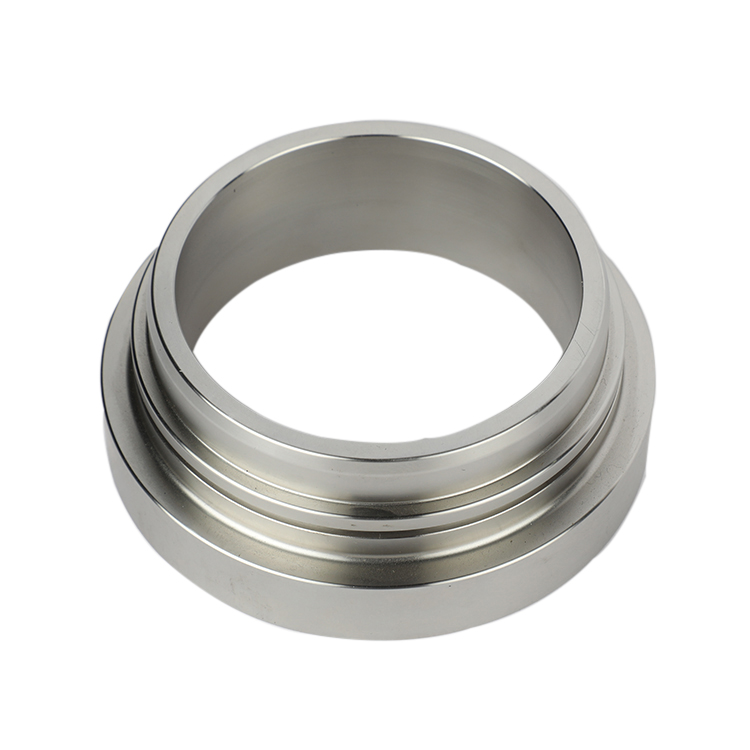
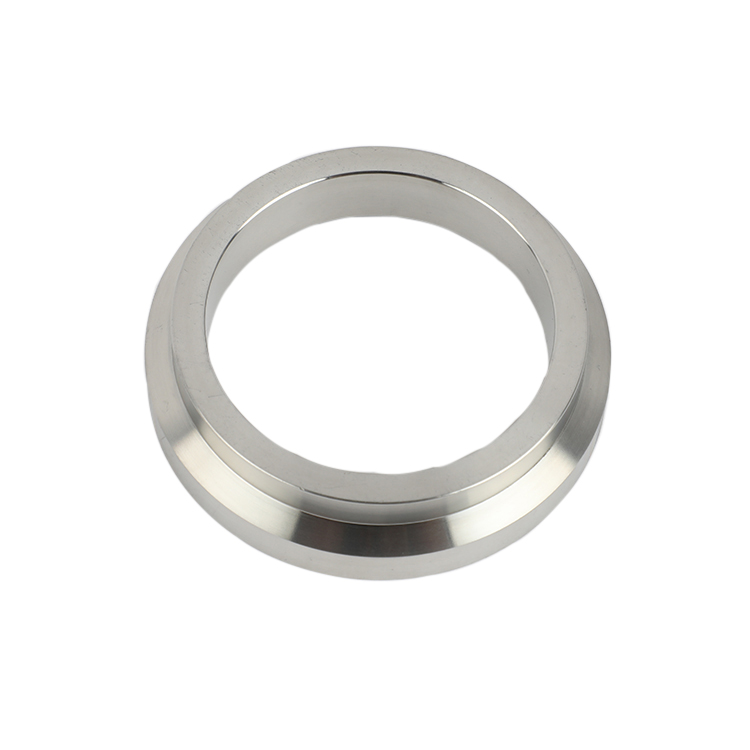
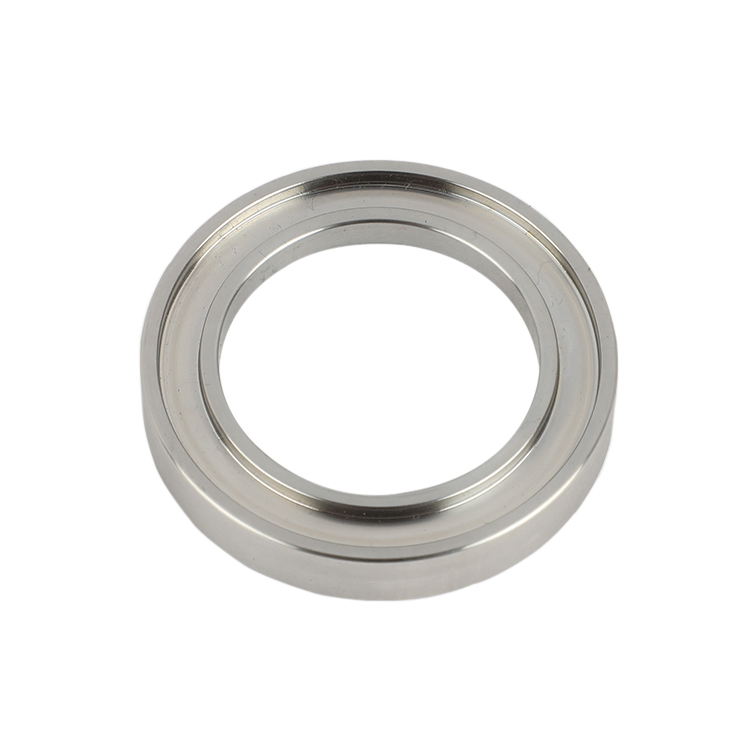
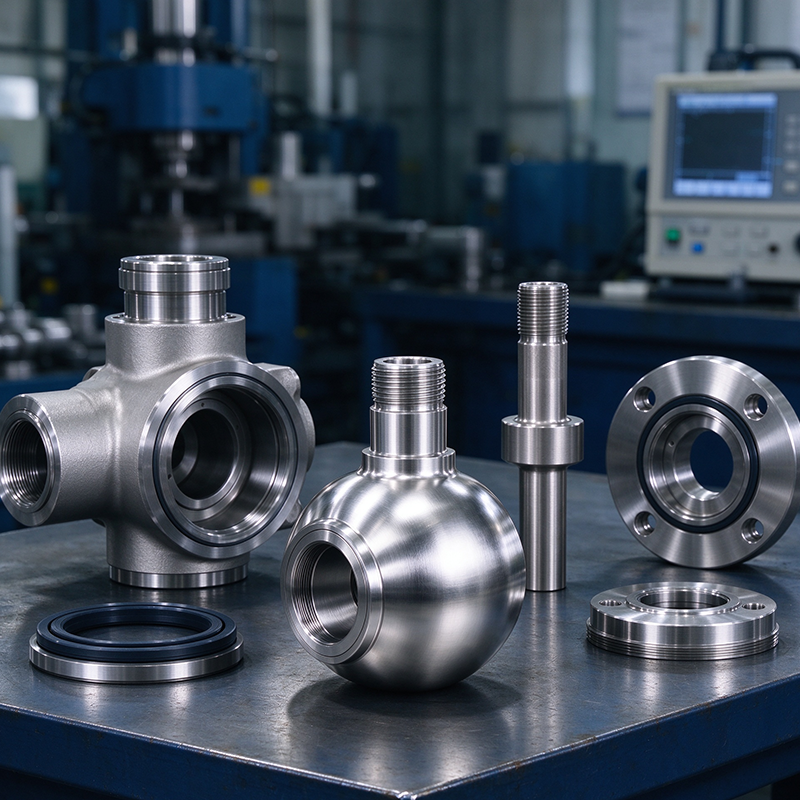
A ball valve seat is a sealing component positioned between the valve ball and the valve body. When the valve closes, the seat contacts the ball to prevent fluid from passing through the valve.
Ball valve seats are commonly manufactured from materials such as PTFE, reinforced PTFE, PEEK, and suitable metal alloys. Each material has different mechanical properties, chemical resistance, friction characteristics, and temperature capabilities.
The seat must maintain an effective sealing interface while withstanding the mechanical loads and environmental conditions generated during operation. Temperature and pressure can change the behavior of the seat material and the forces acting on the sealing surfaces.
For this reason, seat selection should consider the complete operating environment rather than a single material property.
Temperature can influence the physical properties of seat materials, the dimensions of valve components, and the contact conditions between the ball and seat.
Elevated temperatures can reduce the stiffness of some polymer materials and increase their tendency to deform under sustained loading. For example, PTFE seats may experience increased creep when exposed to high temperatures and prolonged contact pressure.
Excessive deformation can change the seat geometry and reduce its ability to maintain consistent sealing contact. In some cases, the valve may also require greater operating torque or experience accelerated seat wear.
How to prevent it: Select a seat material with suitable temperature capability and resistance to deformation. Confirm the manufacturer’s pressure-temperature ratings and consider the combined effects of temperature, pressure, and operating duration.
Low temperatures can change the mechanical behavior of certain materials. Depending on the material grade, some polymers may become less flexible or respond differently to contact loads, potentially affecting sealing performance.
Low temperatures can also cause differences in thermal contraction between the ball, seat, and valve body. These dimensional changes may influence the sealing interface, especially in applications with large temperature fluctuations.
How to prevent it: Verify that the selected material is suitable for the minimum operating and startup temperatures. Evaluate the complete valve assembly for low-temperature service rather than assessing the seat material alone.
Different materials expand and contract at different rates when temperature changes. The ball, seat, and valve body may therefore experience different dimensional changes during heating and cooling.
If the seat expands excessively relative to surrounding components, the contact load may increase, potentially raising operating torque or causing deformation. Conversely, contraction or changes in component geometry may reduce sealing contact under certain conditions.
The actual effect depends on the valve design, clearances, materials, and temperature range.
How to prevent it: Consider thermal expansion during valve design and material selection. For applications involving repeated heating and cooling, verify that the seat geometry and material remain suitable throughout the expected temperature cycle.
Prolonged exposure to elevated temperatures may accelerate oxidation, chemical degradation, or changes in material properties, depending on the seat material and process medium.
Chemical compatibility can also change with temperature. A material that performs satisfactorily at a lower temperature may become unsuitable when the fluid is heated.
How to prevent it: Evaluate both temperature resistance and chemical compatibility. Review the expected service duration and inspect seats for signs of cracking, swelling, discoloration, or other material degradation during maintenance.
Pressure determines the loads acting on the ball and seat and can influence the effectiveness of the sealing interface.
In many floating-ball valve designs, fluid pressure pushes the ball toward the downstream seat, increasing contact force and helping establish a seal. However, excessive loading can also increase friction and accelerate wear.
In polymer seats, sustained pressure and temperature may contribute to creep, deformation, or extrusion if the material and seat geometry are not suitable for the application.
Trunnion-mounted ball valves use a different support arrangement, and their seat-loading mechanisms may include springs or pressure-energized features.
How to prevent it: Choose a valve and seat design suitable for the maximum working pressure. Evaluate the valve structure, seat geometry, material properties, and operating temperature together.
A seat that performs well under one pressure condition may not provide the same sealing performance under another. Some seat designs rely partly on fluid pressure to energize the sealing interface, while others use mechanical preload, springs, or specific geometric features.
If the seat design is unsuitable for the intended low-pressure conditions, the valve may not achieve the required shutoff performance.
How to prevent it: Confirm the required leakage performance across the full operating pressure range, including low-pressure conditions and startup or shutdown periods. Select a valve design that meets the specified requirements under those conditions.
Frequent pressure changes can alter the forces acting on the ball and seat. Depending on the valve design and process conditions, repeated loading changes may contribute to mechanical stress, wear, and reduced sealing consistency.
Pressure surges may also expose the valve to loads beyond its normal operating range.
How to prevent it: Assess pressure fluctuations and foreseeable surges when specifying the valve. Where necessary, review the system design and operating procedures to reduce pressure transients and keep the valve within its approved limits.
When pressure exceeds the seat’s design capability, the material may deform, extrude into available clearances, or suffer other forms of mechanical damage. The risk depends on the material grade, temperature, seat support, and valve construction.
A seat material with high standalone mechanical strength does not automatically make the complete valve suitable for higher pressure.
How to prevent it: Verify the rated pressure of the complete valve assembly and follow the manufacturer’s operating limits. Do not use a material’s published strength as a substitute for the valve’s approved pressure rating.
Temperature and pressure should not be evaluated independently because their effects can reinforce each other.
For example, a polymer seat exposed to elevated temperature may become more susceptible to deformation under sustained pressure. At the same time, increased contact loading can raise friction and affect operating torque.
Similarly, a valve exposed to repeated temperature and pressure fluctuations may experience changing contact conditions and accelerated wear. The extent of these effects depends on the seat material, ball support arrangement, sealing mechanism, and process medium.
For industrial applications, engineers should assess the complete operating envelope, including:
Minimum and maximum operating temperatures.
Normal and maximum working pressures.
Startup, shutdown, and pressure fluctuation conditions.
Process fluid composition and chemical compatibility.
Valve operating frequency and required service life.
Required shutoff performance throughout the operating range.
Evaluating these factors together helps reduce the risk of premature seat failure and improves valve reliability.
Different seat materials offer different advantages under thermal and mechanical loading. The following comparison provides a general starting point for material selection.
| Seat Material | Temperature and Pressure Considerations | Common Applications |
| PTFE | Low friction and broad chemical resistance; deformation under sustained loading must be considered | General industrial service and many chemical applications |
| Reinforced PTFE | Selected formulations provide improved resistance to deformation or wear compared with unfilled PTFE | Applications requiring enhanced mechanical properties |
| PEEK | Good mechanical strength and elevated-temperature capability compared with standard PTFE grades | Demanding industrial applications requiring additional mechanical performance |
| Metal alloys | May suit high-temperature or abrasive service, depending on alloy and surface treatment | Specialized high-temperature and abrasive applications |
No material is suitable for every pressure-temperature combination. The allowable operating range depends on the exact material grade, seat geometry, valve design, fluid compatibility, and manufacturer specifications.
PTFE is widely used where low friction, chemical resistance, and effective sealing are important. However, its creep behavior under sustained pressure and elevated temperature must be considered during selection.
Reinforced PTFE may offer improved mechanical properties for applications where unfilled PTFE is more susceptible to deformation or wear. The performance depends on the filler type and formulation, so the specific grade should be confirmed.
PEEK can be considered for applications requiring greater mechanical strength and performance at elevated temperatures. Its higher cost may be justified when the application requires properties that standard PTFE grades cannot adequately provide.
Metal-seated designs may be appropriate for certain high-temperature or abrasive applications. However, sealing performance depends on contact geometry, surface finish, manufacturing precision, and the required leakage limits.
Selecting a suitable seat requires a systematic evaluation of the application.
Identify the minimum, normal, and maximum temperatures and pressures. Include startup, shutdown, pressure fluctuations, and other foreseeable operating conditions.
A valve that performs well during normal operation may encounter different stresses during abnormal or transitional conditions.
Identify the fluid composition, concentration, suspended particles, and other characteristics that may affect the seat material. Verify chemical compatibility at the actual operating temperature.
Establish the required leakage limits and the conditions under which the valve must meet them. Consider whether the valve will operate mainly in on-off service or experience frequent cycling.
Confirm whether the valve uses a floating ball or a trunnion-mounted ball, how the seat is supported, and whether springs or pressure-energized features are used.
These design details influence how pressure acts on the seat and how the sealing interface behaves.
Review the complete valve’s pressure-temperature ratings, material documentation, dimensional requirements, and applicable testing standards. For critical applications, obtain technical confirmation from the manufacturer before selecting or substituting a seat material.
Proper maintenance helps detect temperature- and pressure-related damage before it leads to significant leakage or operational disruption.
Regularly monitor operating conditions and investigate unexplained changes in valve torque, leakage, or performance. Inspect seats and balls during scheduled maintenance for wear, deformation, scratches, corrosion, and chemical degradation.
When replacing a seat, confirm the correct material grade, dimensions, and compatibility with the valve assembly. After maintenance, perform the appropriate inspection and leakage testing according to the manufacturer’s procedures and applicable standards.
For valves operating under demanding conditions, maintenance intervals should reflect actual operating severity, inspection findings, and the consequences of failure.
Never disassemble or loosen a pressurized valve. Follow approved isolation and depressurization procedures before inspection or maintenance.
Temperature and pressure have a significant influence on ball valve seat performance, affecting material stability, sealing contact, operating torque, wear resistance, and service life. High temperatures may increase deformation or material aging, while pressure affects seat loading and the forces required to maintain a seal. When both variables change together, their combined effects can be especially important.
Selecting the right seat material requires evaluating the full operating range, process medium, valve structure, and required leakage performance. PTFE, reinforced PTFE, PEEK, and metal seats each have potential advantages, but the final selection must be based on verified application requirements and manufacturer specifications.
For valve manufacturers, engineers, distributors, and OEM buyers, proper material selection, accurate engineering, and preventive maintenance can help reduce leakage, improve reliability, and extend the service life of industrial ball valves.
1. How does temperature affect ball valve seat performance?
Temperature can affect seat flexibility, dimensional stability, creep resistance, and sealing performance. High temperatures may cause certain materials to deform or age faster, while low temperatures can make some materials less flexible. Selecting a seat material suitable for the operating temperature range is essential.
2. What happens when a ball valve operates under excessive pressure?
Excessive pressure can increase the load on the valve seat, accelerate wear, or cause deformation and extrusion. The actual effect depends on the seat material, valve design, pressure direction, and operating conditions. Always follow the manufacturer’s pressure ratings.
3. Which ball valve seat material is suitable for high-temperature applications?
PEEK, reinforced PTFE, and certain metal seat materials may be suitable for high-temperature applications, depending on the valve design and process conditions. The best choice depends on the operating temperature, pressure, fluid compatibility, and required leakage performance.
4. Is PTFE suitable for high-pressure ball valves?
PTFE offers excellent chemical resistance and low friction, making it suitable for many ball valve applications. However, it can experience creep or deformation under sustained loads, especially at elevated temperatures. Reinforced PTFE or other materials may be more appropriate for demanding pressure conditions.
5. Can temperature changes cause ball valve seat leakage?
Yes. Temperature fluctuations can cause repeated expansion and contraction of valve components. These changes may affect seat contact, dimensional stability, and sealing performance. Material compatibility, proper valve design, and suitable operating procedures help reduce the risk of leakage.


 Optimized by Seraphinite Accelerator