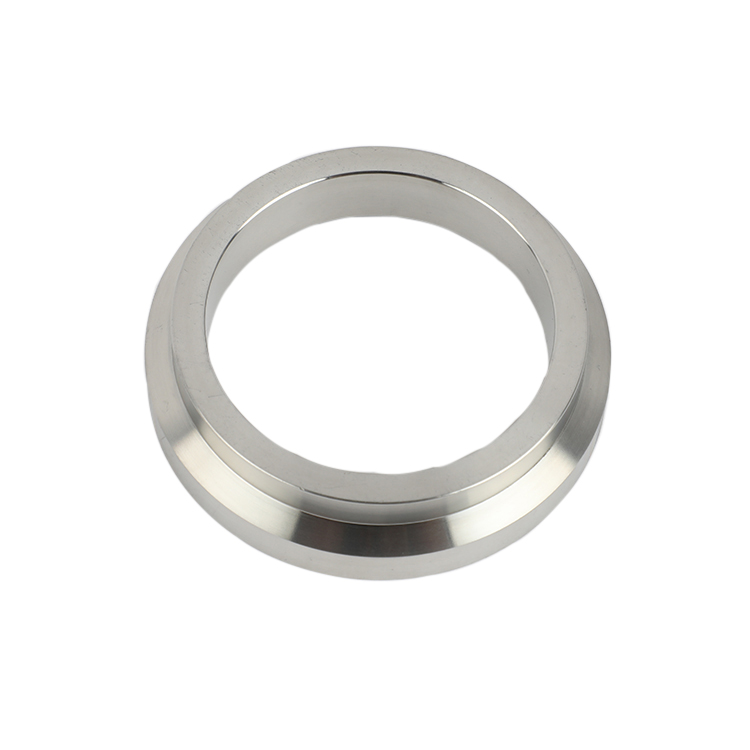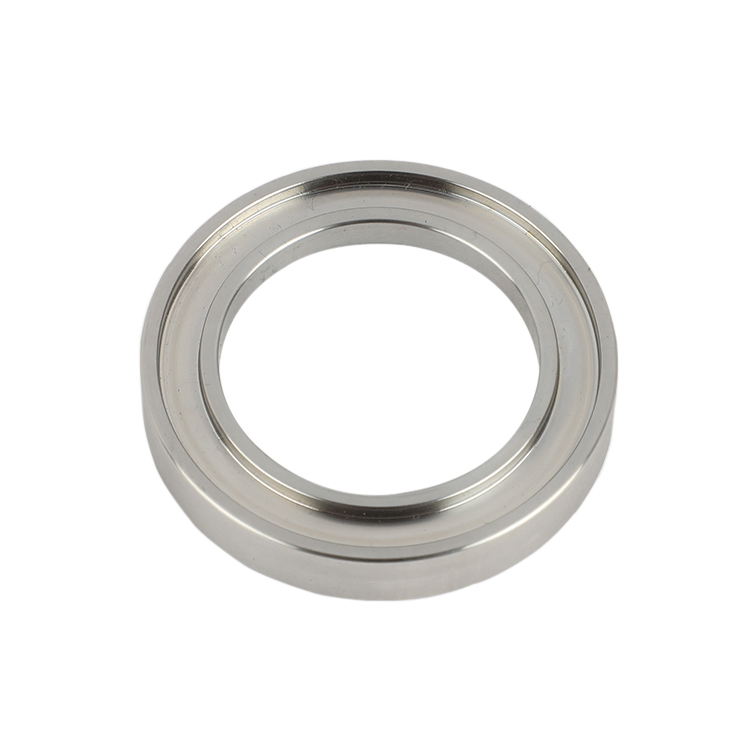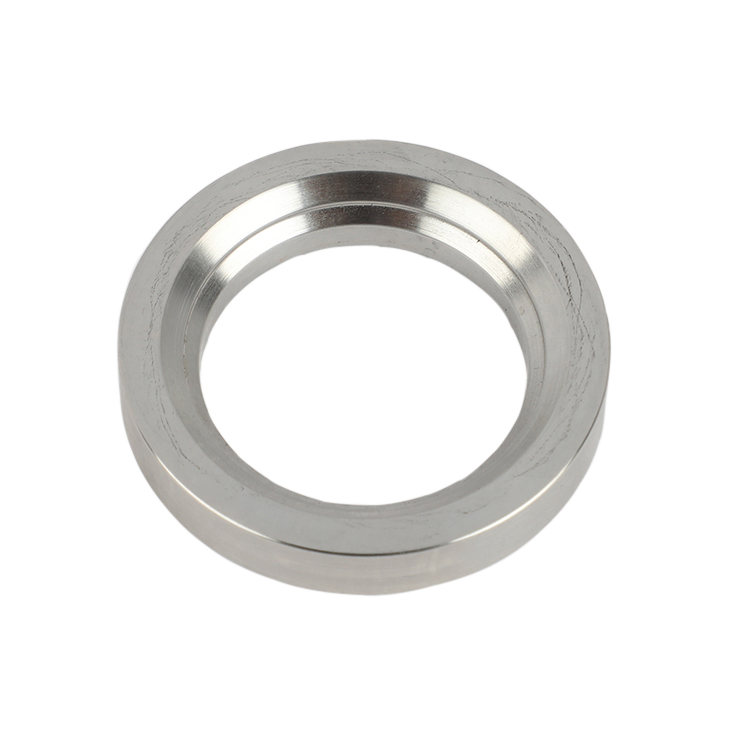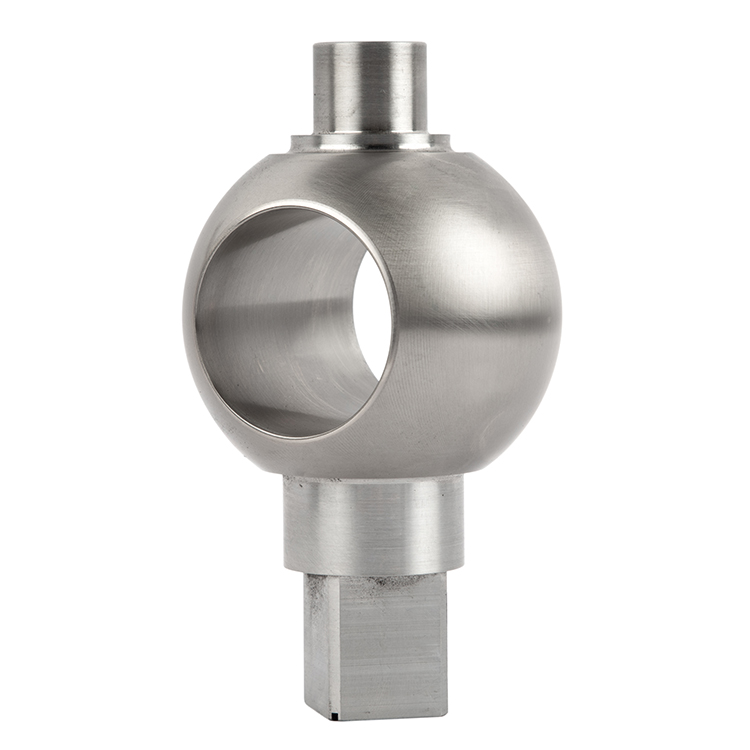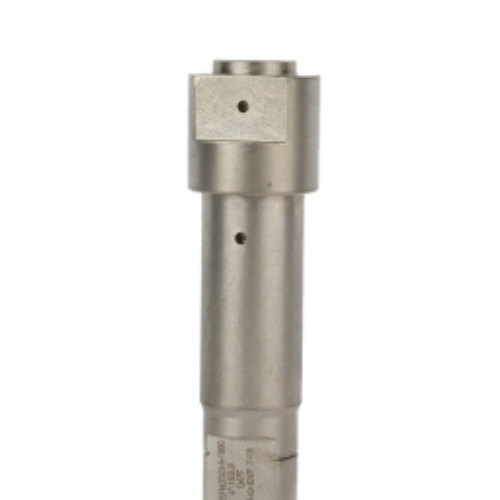


Custom ball valve seats play an important role in achieving reliable sealing performance, maintaining valve efficiency, and meeting specific industrial operating requirements. Unlike standard seat components, custom ball valve seats are manufactured according to defined dimensions, material specifications, design features, and application conditions. They are commonly required for OEM valve production, replacement parts, specialized equipment, and industrial systems operating under demanding conditions.
For valve manufacturers, distributors, engineering companies, and industrial purchasing teams, choosing the right custom ball valve seat involves more than selecting a material or providing a drawing. Buyers must consider chemical compatibility, operating temperature, working pressure, dimensional tolerances, surface finish, sealing requirements, and manufacturing quality.
A well-designed custom seat can help reduce leakage, improve service life, and maintain consistent valve operation. This article explains the key materials, dimensional requirements, customization options, and OEM considerations involved in sourcing custom ball valve seats.
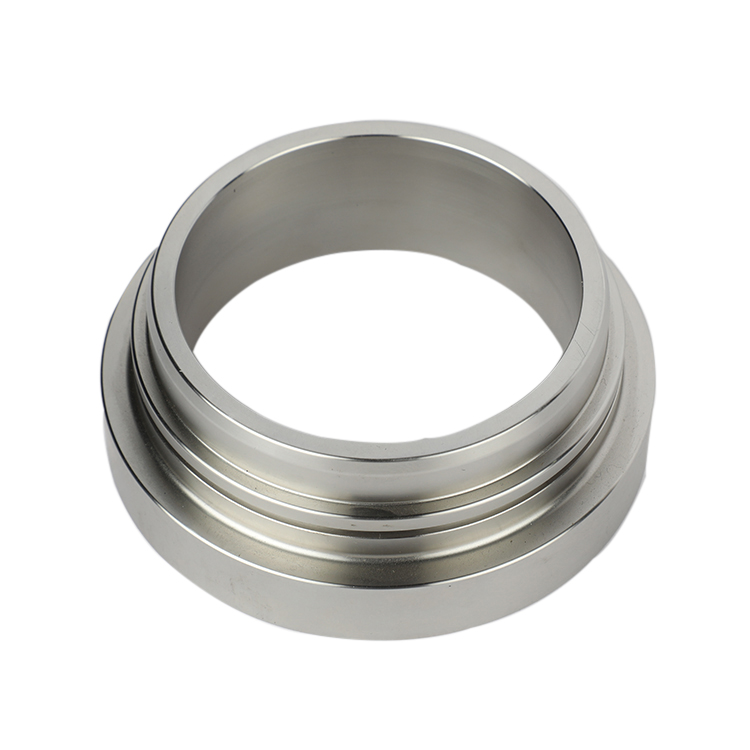
A ball valve seat is a sealing component positioned between the valve ball and the valve body. When the valve closes, the seat maintains contact with the ball to prevent fluid from passing through the valve.
Custom ball valve seats are designed and manufactured to meet specific requirements that standard components may not satisfy. These requirements can include non-standard dimensions, special material grades, unique seat profiles, tighter tolerances, or compatibility with an existing valve assembly.
Custom seats are commonly used in industrial ball valves, automated valve systems, specialized fluid control equipment, and OEM products. They may also be required when replacing obsolete components or adapting a valve to a different process medium or operating environment.
The customization process typically begins with technical drawings, physical samples, valve specifications, or a detailed description of the intended application. The manufacturer then evaluates the design, material, tolerances, and production process before confirming feasibility.
Material selection directly affects sealing performance, mechanical stability, chemical resistance, and service life. The most suitable material depends on the operating environment and the design of the complete valve.
PTFE is widely used for soft-seated ball valves because it offers low friction, good chemical resistance, and effective sealing performance in many industrial applications.
Custom PTFE seats can be manufactured to different dimensions and profiles for water systems, chemical processing, and general industrial fluid handling. The material’s low-friction properties can also help support smooth valve operation.
However, unfilled PTFE can experience creep or deformation under sustained loading, particularly at elevated temperatures and pressures. Buyers should confirm the material grade and the manufacturer’s pressure-temperature recommendations before selecting PTFE for a custom application.
Reinforced PTFE incorporates fillers intended to improve selected mechanical properties, such as resistance to wear, deformation, or dimensional changes. Depending on the formulation, fillers may include glass, carbon, or other materials.
This material may be suitable for custom seats that require improved mechanical performance compared with unfilled PTFE. However, the filler type can affect friction, chemical compatibility, and other characteristics, so the exact formulation must be evaluated.
For OEM applications, buyers should specify the required grade rather than simply requesting reinforced PTFE.
PEEK is a high-performance engineering thermoplastic known for its mechanical strength, dimensional stability, and ability to perform at elevated temperatures compared with standard PTFE grades.
Custom PEEK seats may be considered for demanding applications involving higher mechanical loads, frequent operation, or specific temperature requirements. Their suitability depends on the material grade, valve geometry, pressure, and process medium.
PEEK generally has a higher material cost than standard PTFE, making application requirements and expected service life important factors in the purchasing decision.
Metal-seated ball valves may use stainless steel or other suitable alloys, sometimes with hardened surfaces, coatings, or specialized surface treatments.
Custom metal seats are often considered for high-temperature applications, abrasive media, or industrial environments where polymer seats may not provide the required durability. Their performance depends on the alloy, hardness, surface finish, contact geometry, and manufacturing precision.
Metal seats require careful engineering to achieve the intended sealing performance. Buyers should provide the required leakage limits and applicable testing standards when requesting a custom design.
Accurate dimensions are essential for ensuring that a custom ball valve seat fits the valve assembly and provides the required sealing contact. Even small dimensional deviations can affect installation, operating torque, and leakage performance.
The inner diameter and outer diameter determine how the seat fits around the ball and within the valve body or seat pocket.
These dimensions must be compatible with the ball geometry and the available installation space. Buyers should provide the required dimensions from approved drawings or verified measurements rather than relying on nominal valve sizes alone.
Seat thickness and overall height influence the installed position, contact conditions, and available compression or movement in the valve design.
Incorrect thickness can lead to excessive loading, insufficient contact, assembly difficulties, or leakage. For replacement components, the original design dimensions and installation requirements should be confirmed before production.
Ball valve seats can have different profiles depending on the valve structure and sealing mechanism. Features may include angled surfaces, grooves, lips, recesses, or other geometry designed to support sealing and positioning.
A custom seat profile must be compatible with the ball, valve body, and any spring-loading or pressure-energizing mechanism. Drawings should clearly identify functional surfaces and critical dimensions.
Tolerances define the acceptable variation in a manufactured dimension. Critical seat dimensions may require tighter tolerances to maintain proper fit, sealing contact, and consistent assembly.
OEM buyers should identify critical-to-function dimensions and agree on tolerances with the manufacturer. Tolerances should reflect the actual design requirements and manufacturing capability rather than being unnecessarily restrictive.
Surface finish can affect friction, wear, and sealing performance. The ball and seat surfaces must work together to provide the intended contact conditions.
For polymer seats, dimensional accuracy and material behavior are important alongside surface quality. For metal-seated designs, controlled surface finishing and contact geometry can be especially important.
Where necessary, buyers should specify surface-finish requirements on technical drawings and confirm the manufacturer’s inspection method.
OEM manufacturing requires consistent component quality, repeatable production, and reliable compatibility with the customer’s valve design. Clearly defined technical requirements help reduce development delays and production problems.
A complete technical drawing is one of the most useful starting points for custom seat production. It should include overall dimensions, critical tolerances, material specifications, relevant geometric features, and surface-finish requirements.
If a drawing is unavailable, buyers may provide a physical sample, the valve model, photographs, and available measurements. The manufacturer should confirm whether the supplied information is sufficient for reverse engineering and production approval.
OEM buyers should specify the exact material grade or approved material standard where applicable. Generic descriptions such as “plastic seat” or “high-temperature material” are usually insufficient for consistent manufacturing.
Depending on the application, buyers may also require material certificates, traceability records, inspection reports, or other quality documentation.
The manufacturer needs to understand the intended service conditions before recommending a seat material or design.
Important information includes the process medium, operating temperature, working pressure, pressure fluctuations, operating frequency, and expected service life. These details help determine whether the proposed material and geometry are suitable for the application.
OEM specifications should define the required shutoff performance, allowable leakage, test conditions, and applicable testing standards.
The manufacturer should also understand whether the valve is intended for on-off service, frequent cycling, or another operating duty. These factors may influence material selection, seat geometry, and manufacturing controls.
OEM projects may involve prototype quantities, small production runs, or large recurring orders. The manufacturing process should be suitable for the required volume while maintaining dimensional consistency.
Buyers should discuss sample approval, production lead times, inspection frequency, packaging, and change-control procedures. For recurring orders, retaining approved drawings and material specifications helps maintain consistency between production batches.
A structured manufacturing process helps ensure that custom ball valve seats meet the customer’s technical and quality requirements.
Step 1: Requirement Review
The manufacturer reviews drawings, samples, material specifications, operating conditions, and required performance criteria. Any missing dimensions or unclear requirements should be resolved before production begins.
Step 2: Material Selection
Based on the application, the manufacturer evaluates suitable material grades and confirms their compatibility with the process medium and operating conditions.
Step 3: Manufacturing and Machining
Depending on the material and design, the seat may be produced through processes such as precision machining, molding, or other suitable manufacturing methods. The selected process should support the required geometry, tolerances, and production volume.
Step 4: Dimensional and Visual Inspection
Finished components are inspected for critical dimensions, profile accuracy, surface condition, and visible defects. Additional material or performance verification may be required by the OEM specification.
Step 5: Sample Approval and Production
For new designs, prototype samples can be evaluated for dimensional fit and compatibility with the valve assembly. Production should proceed according to the approved drawing, material grade, inspection plan, and change-control requirements.
Step 6: Final Quality Verification
Final inspection confirms that the manufactured components meet the agreed acceptance criteria. Where required, documentation may include dimensional inspection reports, material records, batch identification, and test results.
Selecting a capable manufacturer is important for achieving consistent quality and dependable delivery.
Evaluate technical capability. Look for experience with the required material, seat geometry, tolerances, and manufacturing process. The supplier should be able to review drawings and identify potential manufacturing or design concerns.
Check quality-control procedures. Ask how critical dimensions are measured, how materials are verified, and how nonconforming parts are handled. Inspection records and traceability can be particularly important for OEM production.
Confirm customization support. A suitable supplier should be able to evaluate non-standard dimensions, material alternatives, samples, and application requirements without making unsupported performance claims.
Review production and delivery capabilities. Discuss prototype lead times, recurring order capacity, packaging requirements, and the supplier’s process for handling specification changes.
Assess communication and documentation. Clear technical communication helps prevent misunderstandings about dimensions, materials, acceptance criteria, and production revisions.
A reliable manufacturing partner should be able to explain the proposed design, identify technical limitations, and provide evidence that the finished components meet the agreed specifications.
One common mistake is providing only the nominal valve size without specifying the actual seat dimensions. Different valve designs may use different seat profiles and dimensions even when their nominal sizes are identical.
Another mistake is selecting a material based only on temperature resistance or price. Chemical compatibility, pressure loading, friction, wear, and sealing requirements must also be considered.
Buyers should also avoid leaving tolerances, leakage criteria, or inspection requirements undefined. Ambiguous specifications can lead to inconsistent products and disputes during acceptance.
Finally, changing material grades or critical dimensions without formal approval can affect fit and performance. OEM projects should use controlled drawings and documented change procedures to ensure consistency.
Custom ball valve seats are essential components for OEM valve production, specialized industrial equipment, and replacement applications requiring specific dimensions or material properties. Successful customization depends on matching the seat material to the operating environment, defining critical dimensions and tolerances, and establishing clear manufacturing and inspection requirements.
PTFE and reinforced PTFE are common options for many soft-seated applications, PEEK may be suitable where additional mechanical or thermal performance is required, and metal seats can serve certain high-temperature or abrasive applications. The final selection must be based on the complete valve design and verified operating conditions.
For OEM buyers, providing accurate drawings, material specifications, operating parameters, and leakage requirements is the foundation of a successful project. Working with an experienced custom ball valve seat manufacturer can help improve component consistency, reduce assembly problems, and support reliable long-term valve performance.
1. What are custom ball valve seats?
Custom ball valve seats are sealing components manufactured according to specific dimensions, material requirements, and design specifications. They are commonly used in OEM valve production, specialized industrial equipment, and replacement applications where standard components do not meet the required specifications.
2. What materials are available for custom ball valve seats?
Common materials include PTFE, reinforced PTFE, PEEK, stainless steel, and other suitable metal alloys. The best option depends on the operating temperature, working pressure, process medium, wear resistance, and required sealing performance.
3. What information is required to manufacture custom ball valve seats?
Manufacturers typically require technical drawings or physical samples, material specifications, critical dimensions, dimensional tolerances, and operating conditions. Information about the process medium, temperature, pressure, and required leakage performance also helps determine the appropriate design.
4. Can ball valve seats be customized according to drawings or samples?
Yes. Many manufacturers can produce custom ball valve seats based on customer drawings, approved samples, or verified dimensional specifications. Before production, the manufacturer should confirm the drawing details, material grade, tolerances, and compatibility with the valve assembly.
5. Why are dimensional tolerances important for custom ball valve seats?
Dimensional tolerances determine how accurately the seat fits the valve body and contacts the ball. Incorrect dimensions can cause assembly difficulties, excessive operating torque, uneven contact, or leakage. Critical dimensions should be clearly defined and verified during manufacturing.


 Optimized by Seraphinite Accelerator