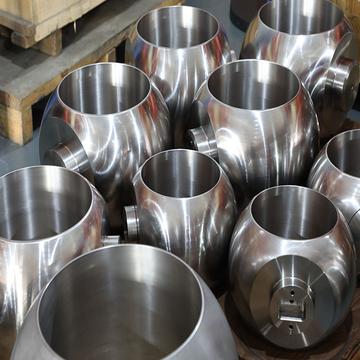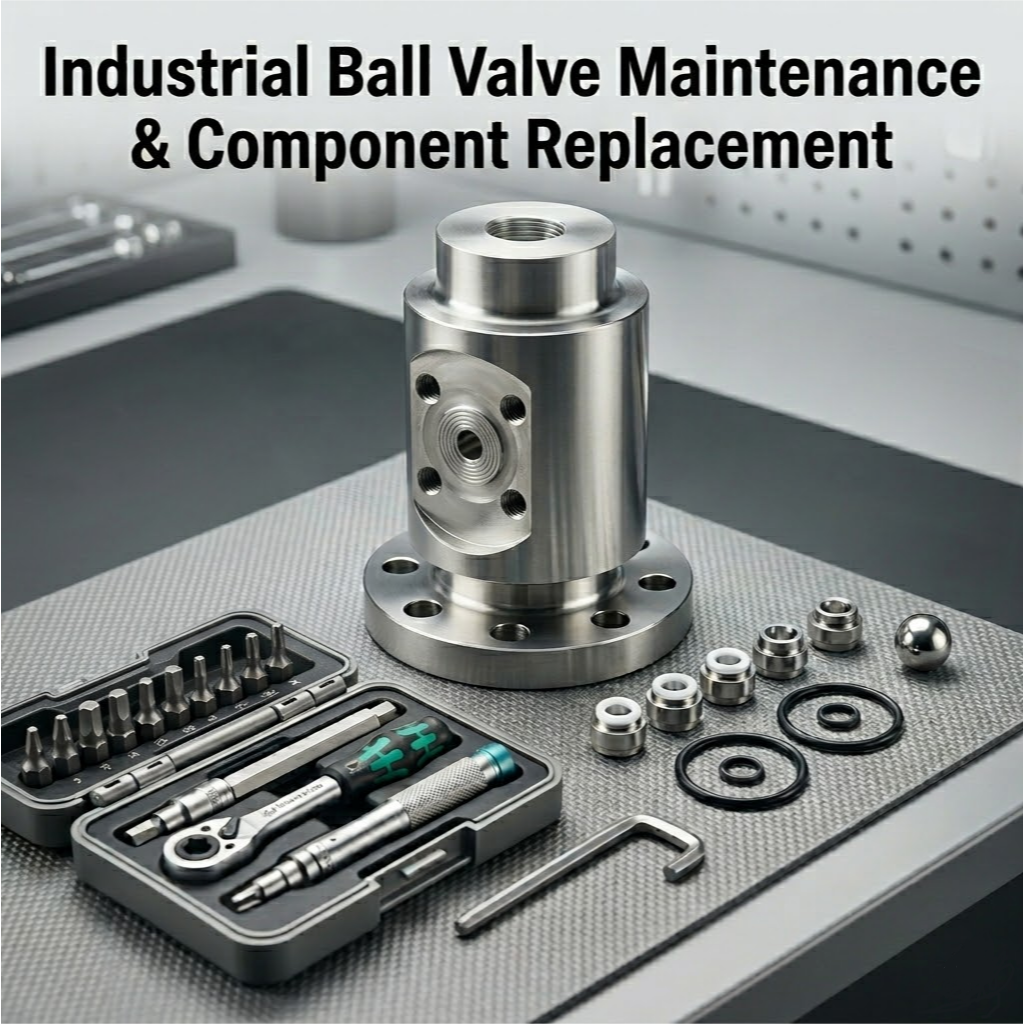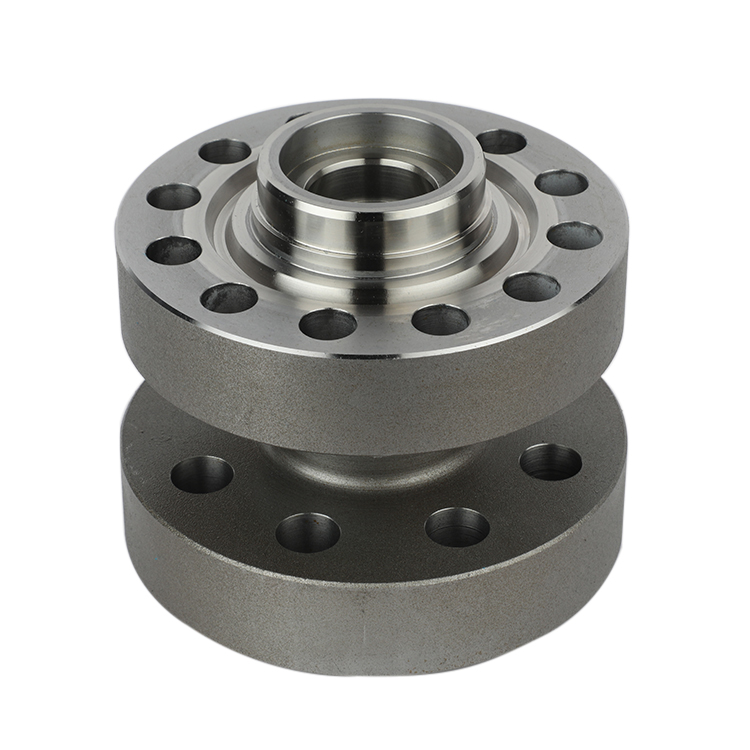

You want durable and reliable valves for industrial pipelines. Choosing the right material for a Ball Valve Trunnion Ball ensures long-lasting performance, corrosion resistance, and optimal torque control. Material selection impacts pressure handling, flow efficiency, and maintenance needs in demanding industrial applications.
Stainless steel, carbon steel, and high-performance alloys are widely used for Ball Valve Trunnion Ball. Each material offers specific benefits in terms of strength, durability, and corrosion resistance.
Hardness, tensile strength, and chemical compatibility affect how the valve performs under high pressure. Material choice can prevent premature wear and maintain sealing integrity over time.
Selecting between stainless steel and alloys depends on pipeline pressure, fluid type, and operating temperature. Proper materials reduce maintenance frequency and extend valve lifespan for your Ball Valve Trunnion Ball.
You should choose materials that resist corrosion from chemicals, water, or gas to ensure valve longevity.
High-pressure pipelines and abrasive fluids require materials that minimize wear on the trunnion ball and seats.
The material must withstand extreme temperatures and high pressures without deforming or failing.
The right material can reduce operating torque, allowing smoother actuation and less energy consumption.
Durable materials maintain precise sealing, preventing leaks and ensuring consistent flow performance.
High-quality materials reduce service interruptions and maintenance costs, keeping industrial pipelines running efficiently.
Corrosion-resistant alloys handle harsh fluids and high pressures effectively.
Materials must withstand reactive chemicals without degrading or losing sealing performance.
Durable Ball Valve Trunnion Ball components ensure reliable operation over long periods, even in municipal water systems.
Selecting the best material for a Ball Valve Trunnion Ball is crucial for pipeline performance, pressure handling, and long-term durability. You can rely on high-quality components to minimize maintenance and optimize industrial operations. For trusted industrial valve solutions, explore GOTEB for professional trunnion ball valves.
How do I choose the right material for a trunnion ball valve?
Consider pressure, fluid type, temperature, and corrosion conditions in your system.
What materials are most common for trunnion ball valves?
Stainless steel, carbon steel, and high-performance alloys are widely used.
How does material choice affect valve performance?
Material impacts torque, sealing integrity, corrosion resistance, and overall lifespan.
Which industries benefit most from optimized material selection?
Oil and gas, chemical plants, and water treatment systems gain the most from high-quality trunnion balls.


 Optimized by Seraphinite Accelerator