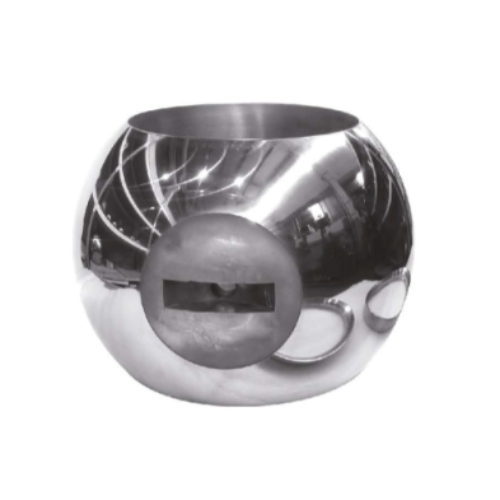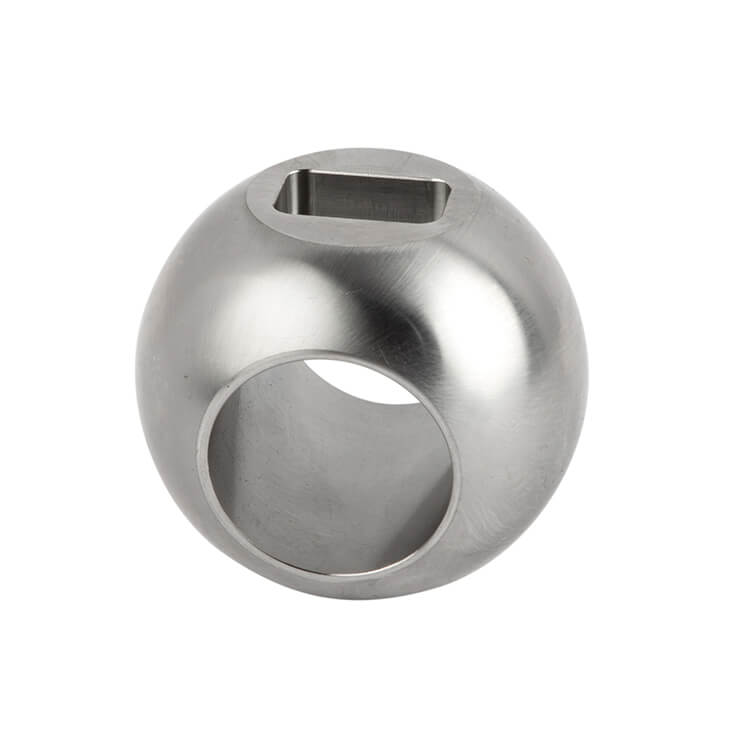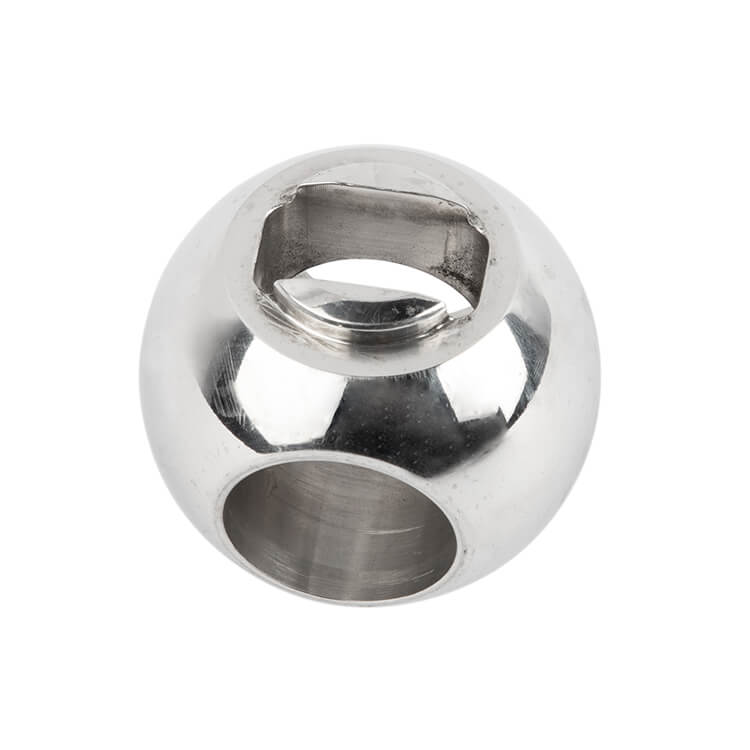


Understanding ball valve body specifications is important for industrial buyers who need to select suitable valves for piping, processing, and fluid-handling systems. The ball valve body is the main pressure-containing housing of a ball valve. It supports the internal components, provides the flow passage, and connects the valve to the piping system.
Ball valve bodies are available in different materials, sizes, pressure ratings, body configurations, port designs, and connection types. The correct specification depends on the operating medium, pressure, temperature, flow requirements, installation conditions, and applicable industry standards.
For distributors, contractors, engineers, and industrial purchasing teams, reviewing the complete specification rather than focusing on a single parameter can help reduce compatibility problems and improve valve performance.

Ball valve body specifications describe the technical characteristics and requirements of the valve housing. These specifications may include material, nominal size, pressure class, temperature range, port configuration, body construction, end connection, dimensions, surface finish, applicable standards, and testing requirements.
The exact specifications vary depending on the valve design and intended application.
A typical industrial ball valve body specification may include:
Body material
Nominal valve size
Pressure rating
Operating temperature
Full-port or reduced-port design
One-piece, two-piece, or three-piece construction
End connection
Face-to-face dimensions
Wall thickness
Applicable standards
Surface finish
Testing requirements
Understanding these parameters helps buyers compare different products and communicate technical requirements accurately with manufacturers.
Material is one of the most important ball valve body specifications because it affects strength, corrosion resistance, temperature capability, and service life.
Stainless steel is widely used for industrial ball valve bodies because of its corrosion resistance and mechanical durability. Common grades include 304 and 316 stainless steel.
304 stainless steel may be suitable for many general industrial applications, while 316 stainless steel can be considered for applications involving more aggressive environments or corrosive media.
Carbon steel provides good mechanical strength and is commonly used in industrial piping systems where the operating medium and environment are compatible with the material.
For applications where corrosion is a concern, additional surface protection or a different material may be required.
Brass ball valve bodies are commonly used in water, plumbing, HVAC, and other general-purpose applications. They offer good machinability and suitable corrosion resistance for many service conditions.
Special alloys may be required for high-temperature, high-pressure, or highly corrosive applications. The appropriate alloy should be selected according to the actual process conditions.
Material selection should always consider the process medium, temperature, pressure, and surrounding environment.
Nominal size indicates the general size of the valve and its connection to the piping system.
Common industrial ball valve sizes range from small valves used in instrument or utility systems to large valves used in industrial pipelines.
When selecting a valve body size, buyers should consider:
Pipe diameter
Required flow rate
Pressure drop
Medium characteristics
Pipeline design
Connection dimensions
The nominal size of the valve does not necessarily indicate the exact internal flow passage. Full-port and reduced-port designs can have different internal diameters even when their nominal sizes are the same.
Pressure rating indicates the pressure conditions under which the valve is designed to operate safely under specified conditions.
Depending on the applicable standard and valve design, pressure may be expressed using pressure classes, PN ratings, or other rating systems.
When reviewing pressure specifications, buyers should consider both the maximum operating pressure and the operating temperature because allowable pressure can vary with temperature.
The valve body must have sufficient structural strength to withstand the expected pressure without deformation or leakage.
For high-pressure applications, buyers should pay particular attention to body material, manufacturing method, wall thickness, pressure testing, and applicable standards.
Temperature is another important ball valve body specification.
The required temperature range should include the normal operating temperature as well as expected temperature variations.
High temperatures can affect the mechanical properties of the body material and the performance of seats, seals, and other internal components.
Low temperatures can also affect material toughness and sealing performance in certain applications.
Therefore, buyers should evaluate the complete valve assembly rather than selecting the body material based on temperature alone.
Ball valve bodies are commonly available in full-port and reduced-port configurations.
A full-port design provides a flow passage that is approximately the same diameter as the connected pipe. This can help minimize flow restriction and pressure loss.
Full-port valves may be useful in applications where maintaining flow capacity and reducing pressure drop are important.
A reduced-port design has a smaller flow passage than the nominal pipe diameter. It may provide a more compact or economical valve configuration when maximum flow capacity is not required.
The appropriate port configuration should be selected based on flow requirements and system design.
Ball valve body construction is another important specification.
A one-piece ball valve body is manufactured as a single main housing. It provides a compact construction and may have fewer body joints.
A two-piece body consists of two main sections. This is a common configuration for many industrial and commercial ball valves.
A three-piece body generally consists of a center body and two end sections. This design can provide greater access to internal components and may simplify maintenance or component replacement.
The appropriate construction depends on the valve application, maintenance requirements, installation conditions, and overall design.
The end connection determines how the ball valve body is installed in the piping system.
Common connection types include:
Threaded ball valve bodies are often used in smaller piping systems and applications where threaded installation is suitable.
Flanged ball valve bodies use bolted flange connections and are commonly found in industrial piping systems where larger sizes, higher pressure ratings, or convenient installation and maintenance are required.
Socket weld connections are used by inserting the pipe into the valve connection and welding around the joint. They are often considered for smaller industrial piping systems.
Butt weld ends allow the valve to be welded directly to the pipe. They can provide a continuous connection and are commonly used in industrial applications where welded piping systems are preferred.
The connection type should match the pipe size, pipe material, pressure class, installation method, and applicable standards.
Wall thickness is an important structural specification for a pressure-containing valve body.
The required thickness depends on factors such as:
Body material
Valve size
Operating pressure
Temperature
Valve design
Applicable standards
Manufacturing method
Adequate wall thickness helps the body withstand internal pressure and mechanical loads.
For industrial applications, wall thickness should be verified against the relevant design requirements rather than selected based on appearance or weight alone.
Face-to-face or end-to-end dimensions define the overall installation length of the valve between its connection points.
These dimensions are important when replacing an existing valve or designing a new piping system.
If the valve dimensions do not match the pipeline layout, additional pipe modifications or installation components may be required.
For replacement projects, buyers should confirm the required dimensional standard and compare the manufacturer’s drawings with the existing valve or pipeline configuration.
Surface finish specifications can vary according to the material and application.
For general industrial applications, standard machining and surface finishes may be sufficient.
For food, beverage, pharmaceutical, and other hygienic applications, controlled surface finishes may be required to improve cleanability and reduce areas where contaminants can accumulate.
Stainless steel ball valve bodies may also undergo polishing, passivation, or other surface treatments depending on the application.
Surface requirements should be clearly defined in the purchase specification when they are important to system performance or hygiene.
Industrial ball valve bodies may need to comply with specific standards covering dimensions, materials, pressure ratings, testing, and construction.
The applicable standard depends on the valve type, market, application, and customer requirements.
Before ordering, buyers should identify the standards required for the project and confirm that the manufacturer can produce and test the valve according to those requirements.
It is also important to clarify whether a requirement applies to the complete valve or specifically to the valve body.
Testing requirements are an important part of ball valve body specifications.
Depending on the application and relevant standards, testing may include:
Material verification
Dimensional inspection
Shell pressure testing
Seat leakage testing
Visual inspection
Surface inspection
Non-destructive testing
For demanding industrial applications, buyers may also require inspection reports, material certificates, pressure-test records, or other quality documentation.
Testing requirements should be agreed upon before production to avoid misunderstandings between the buyer and manufacturer.
The manufacturing method can also be included in the specification.
Common manufacturing methods include casting, forging, and machining from solid material.
Cast valve bodies can provide design flexibility for complex geometries and different valve sizes.
Forged valve bodies can offer high mechanical strength and are often considered for demanding pressure applications.
Machined valve bodies can provide accurate dimensions and are suitable for certain designs and production requirements.
The appropriate manufacturing method depends on material, size, design complexity, pressure requirements, production volume, and cost considerations.
Dimensional tolerances define the acceptable variation from the specified dimensions.
Critical areas such as the ball chamber, seat locations, stem opening, flow passage, threads, and connection surfaces may require controlled tolerances.
Proper dimensional accuracy helps ensure that the valve body works correctly with the ball, seats, stem, seals, and pipeline.
For customized ball valve bodies, buyers should provide clear drawings and tolerance requirements so the manufacturer can establish appropriate machining and inspection procedures.
Industrial ball valve bodies may require identification markings for quality management and traceability.
Typical information can include:
Manufacturer identification
Material grade
Nominal size
Pressure rating
Heat or batch number
Product number
Standard designation
Traceability can be particularly important for industrial projects where material verification and maintenance records need to be retained.
Buyers should specify marking and documentation requirements before production if traceability is required.
A clear specification sheet can help buyers and manufacturers avoid technical misunderstandings.
A typical specification sheet may include:
| Specification | Example Requirement |
| Body Material | Stainless Steel 316 |
| Nominal Size | DN50 |
| Pressure Rating | PN16 |
| Port Design | Full Port |
| Body Construction | Two-Piece |
| Connection | Flanged |
| Operating Temperature | Project-specific |
| Surface Finish | Project-specific |
| Applicable Standard | Project-specific |
| Testing | Pressure and Leakage Testing |
| Marking | Required |
| Documentation | Material and Inspection Certificates |
The exact values should always be determined according to the actual application and applicable standards.
Before purchasing a ball valve body, buyers should confirm that all critical specifications are clearly defined.
At minimum, review the material, nominal size, pressure rating, temperature range, port configuration, body construction, connection type, dimensions, surface finish, applicable standards, and testing requirements.
For customized products, technical drawings should also clearly identify dimensions, tolerances, materials, connection details, and special requirements.
It is also useful to confirm the manufacturer’s ability to provide inspection records, material certificates, traceability information, and other required documentation.
Understanding ball valve body specifications helps industrial buyers select products that are compatible with their piping systems and operating conditions. Material, size, pressure rating, temperature, port design, body construction, connection type, dimensions, surface finish, standards, and testing requirements all play important roles in determining whether a valve body is suitable for a particular application.
Rather than focusing on a single specification, buyers should evaluate the complete set of technical requirements and ensure that they are clearly communicated to the manufacturer.
For standard and customized ball valve bodies, a detailed specification sheet and accurate technical drawings can help improve communication, reduce ordering errors, and support consistent product quality across production batches.
The main specifications include body material, nominal size, pressure rating, operating temperature, port configuration, body construction, end connection, dimensions, surface finish, applicable standards, and testing requirements.
What materials are commonly specified for ball valve bodies?
Common materials include stainless steel, carbon steel, brass, alloy steel, and other specialized alloys. The appropriate material depends on the operating medium, temperature, pressure, and corrosion conditions.
What does the pressure rating of a ball valve body mean?
The pressure rating indicates the pressure conditions under which the valve body is designed to operate safely under specified conditions. Buyers should consider both operating pressure and temperature when selecting a pressure rating.
What is the difference between a full-port and reduced-port ball valve body?
A full-port body has a flow passage approximately equal to the connected pipe diameter, which can reduce flow restriction. A reduced-port body has a smaller flow passage and may be suitable when maximum flow capacity is not required.
What are the common ball valve body connection types?
Common connection types include threaded, flanged, socket weld, and butt weld connections. The correct option depends on pipe size, pressure requirements, installation method, and applicable standards.


 Optimized by Seraphinite Accelerator