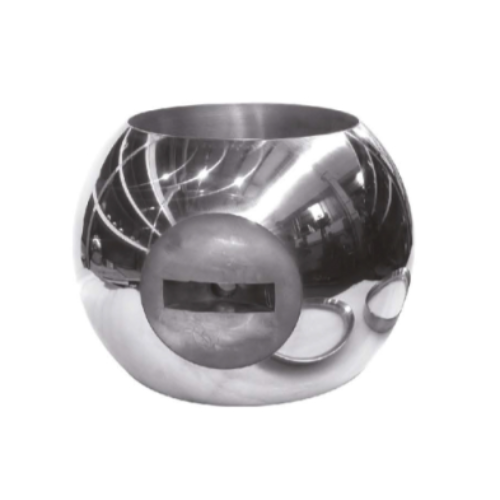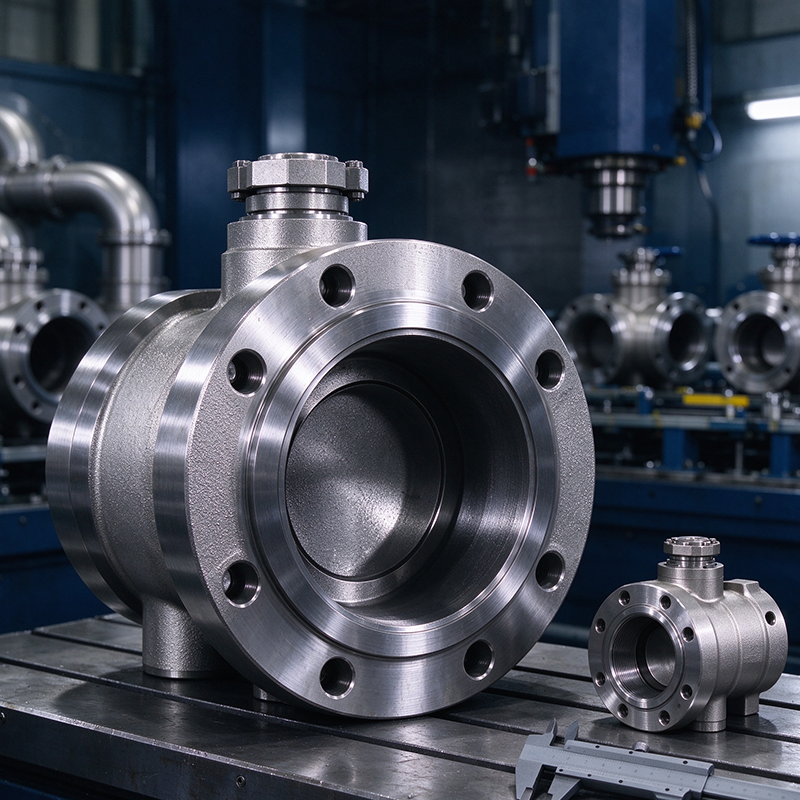

Ball valve seat leakage is a common problem in industrial fluid control systems. It occurs when the valve seat fails to maintain an effective seal against the ball, allowing fluid to pass through the valve even when it is in the closed position. This can reduce system efficiency, increase maintenance costs, and create operational risks in applications involving water, chemicals, oil, gas, and other process media.
For valve manufacturers, distributors, engineers, and maintenance teams, understanding the causes of ball valve seat leakage is essential for maintaining reliable valve performance. Common causes include seat wear, surface damage, material incompatibility, contamination, improper installation, and operating conditions beyond the valve’s design limits.
Fortunately, many leakage problems can be reduced through appropriate material selection, correct installation, regular inspection, and proper operating practices. This article explains the main causes of ball valve seat leakage and provides practical methods for preventing it in industrial applications.
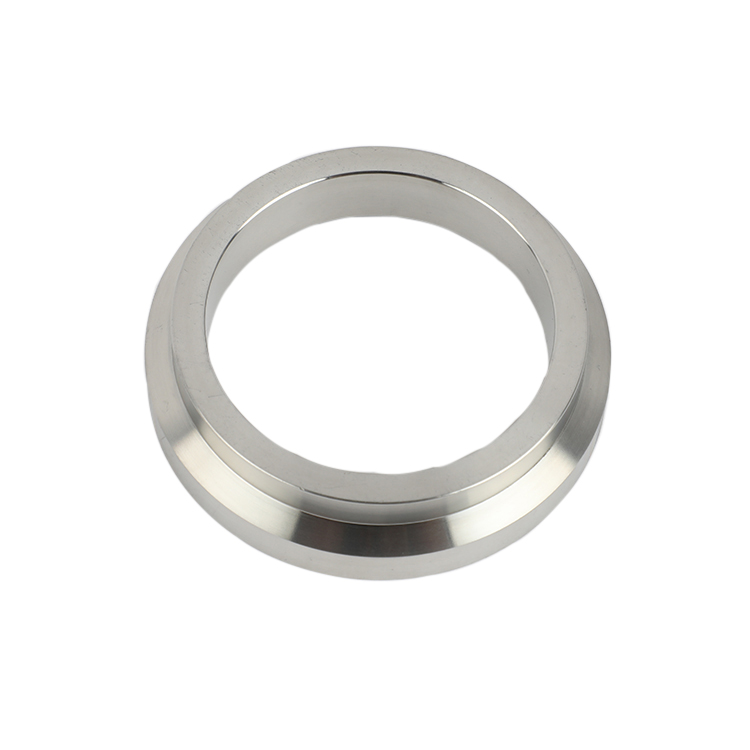
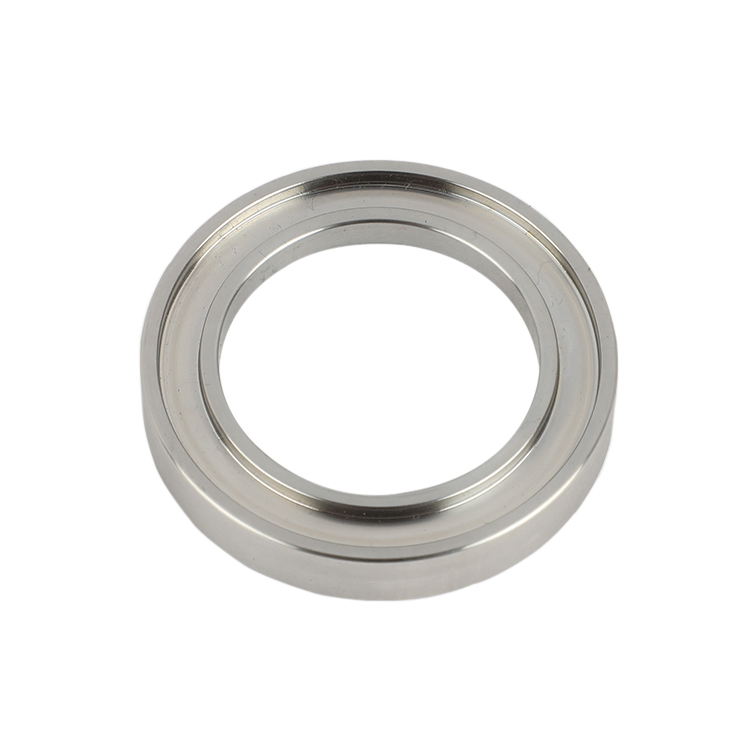
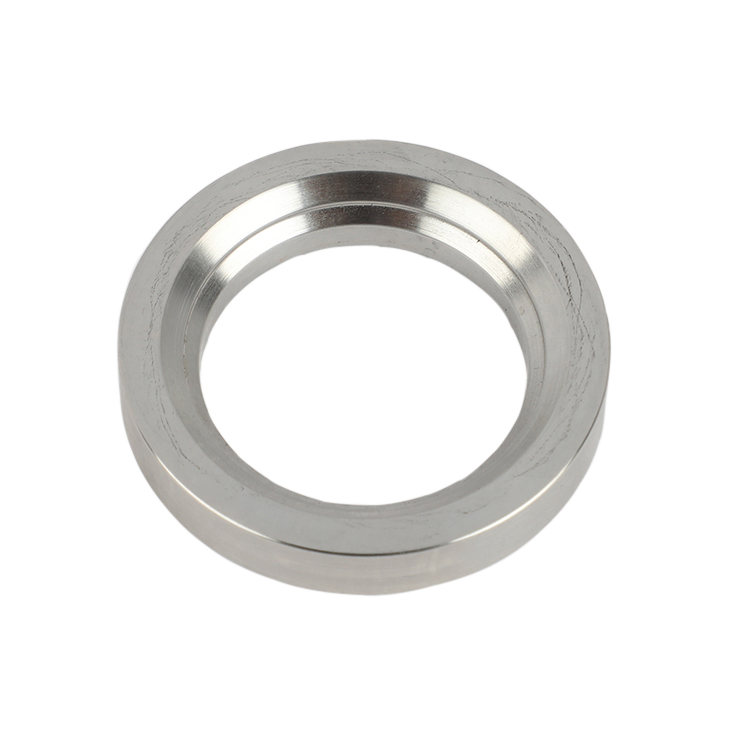
A ball valve seat is the sealing component that contacts the ball to prevent fluid from passing through the valve when it is closed. Depending on the valve design, the seat may be made from PTFE, reinforced polymers, PEEK, or metal materials.
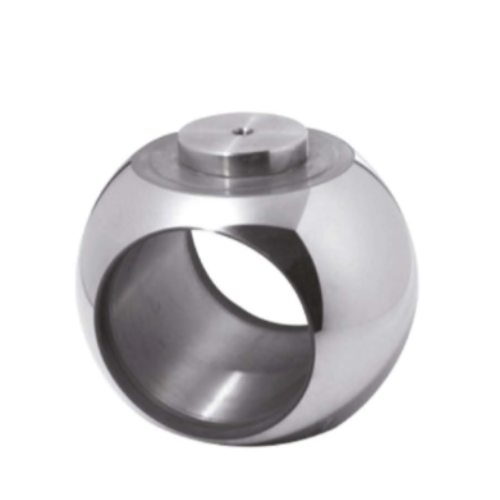
When the valve closes, the ball rotates approximately 90 degrees, moving its flow passage away from the pipeline. The seat maintains contact with the ball to create a sealing interface.
Ball valve seat leakage occurs when this interface can no longer provide the required sealing performance. Leakage may develop gradually because of wear or material degradation, or it may appear suddenly after contamination, mechanical damage, or improper operation.
It is important to distinguish between leakage through the closed valve and external leakage around the stem, body joints, or other connections. Leakage through the closed valve may indicate a problem with the ball-seat sealing interface, while external leakage usually requires inspection of other sealing components.
Seat wear is one of the most common causes of internal leakage. Repeated opening and closing can gradually wear the sealing surface, particularly when the valve operates frequently or under demanding conditions.
Wear may become more severe when the seat material is unsuitable for the application, the contact load is excessive, or the valve handles abrasive media. As the seat loses its original geometry or sealing contact, fluid can pass through small gaps between the seat and ball.
How to prevent it: Select a seat material designed for the operating conditions and expected cycle frequency. Inspect the ball and seat during scheduled maintenance, and replace worn components according to the manufacturer’s recommendations.
Scratches, dents, corrosion, or surface irregularities can interfere with the contact between the ball and seat. Even relatively small defects may create a leakage path, depending on the valve design and required shutoff performance.
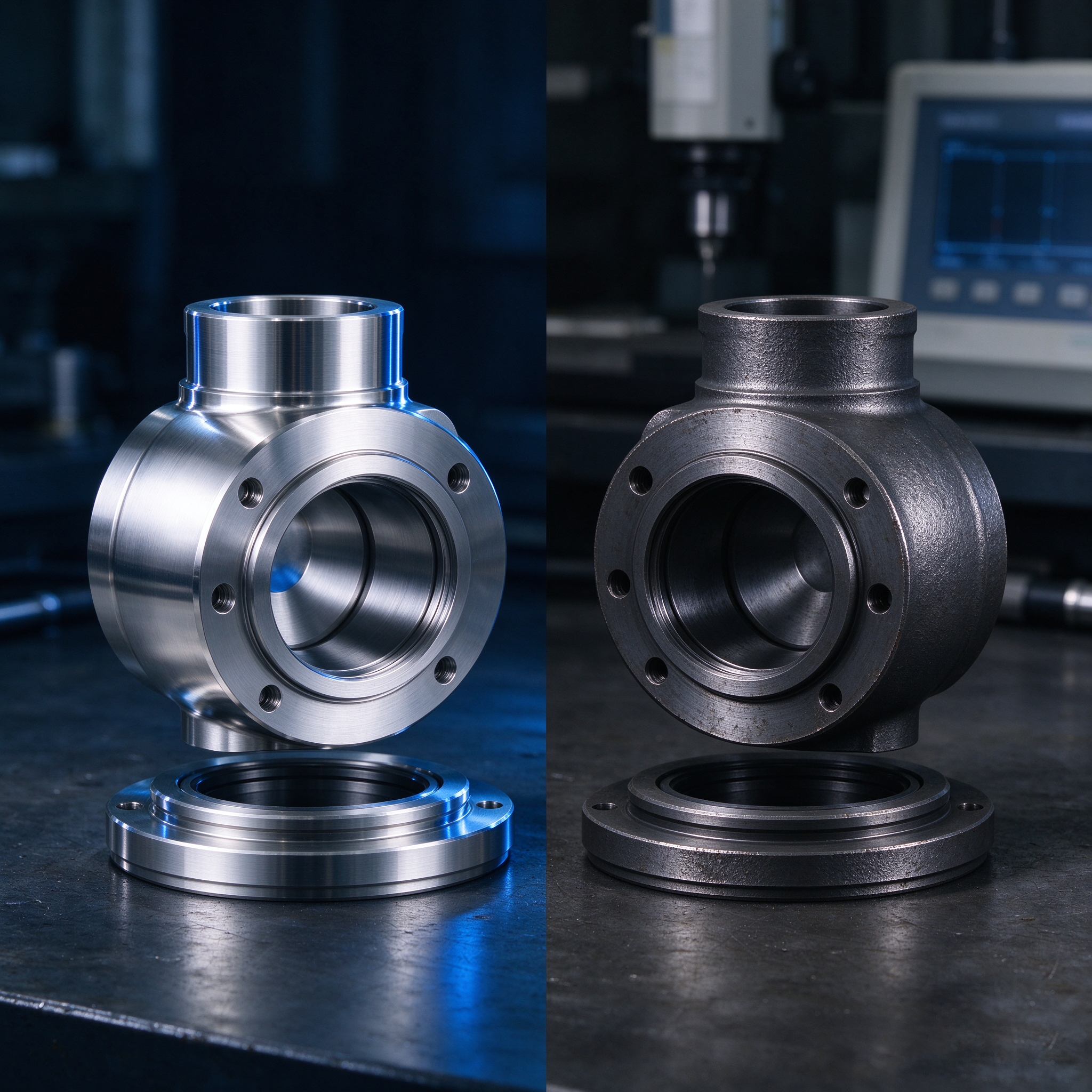
Damage can occur during transportation, storage, installation, maintenance, or operation in contaminated systems. Poor surface finishing or manufacturing defects may also affect sealing reliability.
How to prevent it: Protect sealing components during handling and installation. Verify the ball’s surface condition and the seat’s dimensions and finish during inspection. Use qualified manufacturing and quality-control procedures to reduce the risk of surface defects.
Particles carried by the process medium can become trapped between the ball and seat during valve closure. Dirt, rust, welding debris, scale, and other contaminants may prevent the sealing surfaces from making proper contact.
Hard particles can also scratch the ball or damage soft seats, leading to persistent leakage even after the particles have been removed.
How to prevent it: Clean pipelines before commissioning, where appropriate, and consider suitable filtration or upstream strainers when compatible with the process requirements. Inspect the valve and process system for contamination if leakage develops after installation or maintenance.
A ball valve seat must be compatible with the process medium and the expected temperature and pressure. An unsuitable material may soften, swell, crack, degrade, or deform under operating conditions.
For example, certain polymer seats can experience excessive deformation under sustained loading or elevated temperatures. A material that performs well in one chemical service may not be suitable for another fluid or concentration.
How to prevent it: Evaluate chemical compatibility, operating temperature, working pressure, wear requirements, and expected service life before selecting a seat. Confirm the manufacturer’s pressure-temperature ratings and material specifications rather than relying on general material properties alone.
Operating beyond the valve’s rated limits can damage the seat and compromise sealing performance. High temperatures may accelerate polymer deformation or aging, while excessive pressure can increase contact loads and contribute to seat extrusion, creep, or other mechanical damage.
Frequent pressure fluctuations and temperature cycling may also affect the sealing interface, depending on the valve construction and seat design.
How to prevent it: Select a valve with an appropriate pressure-temperature rating for the actual operating envelope. Monitor process conditions and avoid operating outside the manufacturer’s specified limits. For demanding applications, assess the complete valve assembly rather than the seat material alone.
Incorrect assembly can cause uneven seat loading, dimensional misalignment, or damage to the sealing surfaces. Using an incorrect replacement seat or failing to follow the specified installation procedure may also lead to leakage.
Excessive tightening of certain valve components can distort parts or interfere with proper movement. Contamination introduced during assembly can create additional sealing problems.
How to prevent it: Follow the manufacturer’s installation and maintenance instructions. Confirm the replacement seat’s material, dimensions, and orientation before assembly. Use appropriate tools and specified tightening procedures, and ensure the sealing surfaces are clean and undamaged.
Corrosive fluids can attack the ball, seat, or other internal components if the selected materials are incompatible with the process medium. Chemical degradation may weaken a polymer seat, while corrosion or pitting on a metal sealing surface can prevent effective contact.
The severity of degradation depends on the fluid composition, concentration, temperature, exposure duration, and material grade.
How to prevent it: Review the full chemical composition and operating conditions when selecting valve materials. Inspect components for signs of corrosion, swelling, cracking, or discoloration. Replace damaged parts and verify that the replacement material is compatible with the service.
Improper operation can contribute to seat damage and leakage. Operating a valve outside its intended function, repeatedly forcing a jammed valve, or using an unsuitable actuator setting may increase stress on the sealing components.
A valve used for throttling when it is designed primarily for on-off service may also experience accelerated wear, depending on the design and flow conditions.
How to prevent it: Operate the valve according to its intended function and manufacturer’s instructions. Confirm that the actuator is correctly sized and configured, and investigate abnormal operating torque rather than forcing the valve to move.
A systematic inspection can help identify the source of leakage and prevent unnecessary component replacement.
Confirm the Type of Leakage
Determine whether fluid is passing through the closed valve or escaping externally around the stem, body joints, or connections. Internal seat leakage and external leakage have different potential causes and require different inspection procedures.
Review Operating Conditions
Check the working pressure, temperature, process medium, operating frequency, and recent changes in service conditions. Determine whether the valve has been exposed to conditions beyond its specified operating range.
Inspect the Valve and Process System
Where safe and permitted by the maintenance procedure, inspect the valve for contamination, corrosion, damaged sealing surfaces, or abnormal operating behavior. Internal inspection may require isolation, depressurization, draining, and disassembly by qualified personnel.
Examine the Ball and Seat
Check for scratches, wear, deformation, embedded particles, and chemical damage. Inspect both components because replacing a damaged seat without addressing damage to the ball may not resolve the leakage.
Perform the Appropriate Leakage Test
After maintenance or replacement, test the valve according to the manufacturer’s procedure and the applicable testing standard. The test medium, pressure, duration, and allowable leakage should match the relevant specification.
Never loosen or disassemble a pressurized valve. Follow site isolation procedures and verify that the equipment is in a safe condition before inspection.
Preventing leakage begins with selecting a suitable valve and maintaining it under the intended operating conditions.
Choose the right seat material. Match the material to the process medium, temperature, pressure, and wear requirements. PTFE may be suitable for many general industrial applications, while reinforced polymers, PEEK, or metal-seated designs may be considered for more demanding conditions.
Maintain clean operating conditions. Remove installation debris before commissioning where appropriate, and control contamination when the process design permits. This helps reduce the risk of particles becoming trapped between the ball and seat.
Follow a preventive maintenance schedule. Inspect valves based on operating severity, cycle frequency, and the consequences of leakage. Look for abnormal torque, visible damage, corrosion, and changes in shutoff performance.
Use compatible replacement components. Confirm the valve model, seat dimensions, material grade, and required tolerances before ordering replacement parts. Unverified substitutions can cause dimensional mismatches or reduce sealing reliability.
Control operating pressure and temperature. Keep the valve within its specified operating envelope and investigate repeated pressure surges or temperature fluctuations. Correcting the underlying process condition may be more effective than repeatedly replacing the seat.
Verify manufacturing and quality standards. For OEM valve projects, consistent machining, dimensional inspection, material traceability, and appropriate leakage testing help reduce the likelihood of premature sealing problems.
A ball valve seat should be evaluated for replacement when it no longer meets the required leakage limits, shows significant wear or deformation, or has suffered chemical or thermal damage.
Replacement may also be necessary when the seat cannot maintain sealing performance after cleaning and the permitted maintenance procedures have been completed. If the ball is scratched, corroded, or damaged, it should be assessed at the same time.
Not every leakage problem requires a new seat. Contamination, incorrect assembly, actuator problems, or damage to other sealing components may be responsible. Identifying the root cause before replacement helps prevent the same problem from recurring.
For critical applications, replacement intervals should be determined by the manufacturer’s recommendations, operating history, inspection findings, and relevant maintenance requirements.
Ball valve seat leakage can result from wear, surface damage, contamination, incorrect material selection, excessive pressure or temperature, improper installation, chemical degradation, and unsuitable operating practices. Identifying the underlying cause is essential for restoring sealing performance and preventing repeated failures.
Selecting the right seat material, maintaining clean operating conditions, following proper installation procedures, and carrying out regular inspections can significantly improve valve reliability. When leakage occurs, a systematic diagnosis of the ball, seat, operating conditions, and other sealing components helps determine the most effective corrective action.
For valve manufacturers, distributors, engineers, and industrial buyers, working with a reliable ball valve seat supplier can support consistent material quality, accurate dimensions, and dependable sealing performance. Proper component selection and preventive maintenance ultimately help reduce downtime, control maintenance costs, and extend the service life of industrial ball valves.
1. What causes ball valve seat leakage?
Ball valve seat leakage can be caused by seat wear, scratches on the ball or seat, trapped debris, incorrect material selection, chemical degradation, excessive pressure or temperature, and improper installation. Identifying the root cause is essential for choosing the right repair method.
2. How can I tell if a ball valve seat is leaking?
A leaking ball valve seat may allow fluid to continue flowing through the valve when it is fully closed. Depending on the application, leakage may be detected through an approved leakage test, pressure monitoring, or flow measurement. Internal seat leakage should be distinguished from external leakage around the stem or body connections.
3. Can a ball valve seat leak because of dirt or debris?
Yes. Dirt, rust, scale, welding residue, and other particles can become trapped between the ball and seat, preventing proper sealing. Hard particles may also scratch the sealing surfaces. Cleaning the system and using suitable filtration, where appropriate, can help reduce contamination-related leakage.
4. How do I prevent ball valve seat leakage?
To prevent leakage, select a compatible seat material, keep sealing surfaces clean, follow the manufacturer’s installation instructions, operate the valve within its rated pressure and temperature limits, and inspect the valve regularly. Replacing worn or damaged components before they cause serious sealing problems can also improve reliability.
5. Can high temperature cause ball valve seat leakage?
Yes. Excessive temperature can cause some polymer seats to soften, deform, or degrade, reducing their ability to maintain a seal. The actual effect depends on the material grade, operating pressure, and valve design. Always verify the manufacturer’s pressure-temperature ratings.


 Optimized by Seraphinite Accelerator