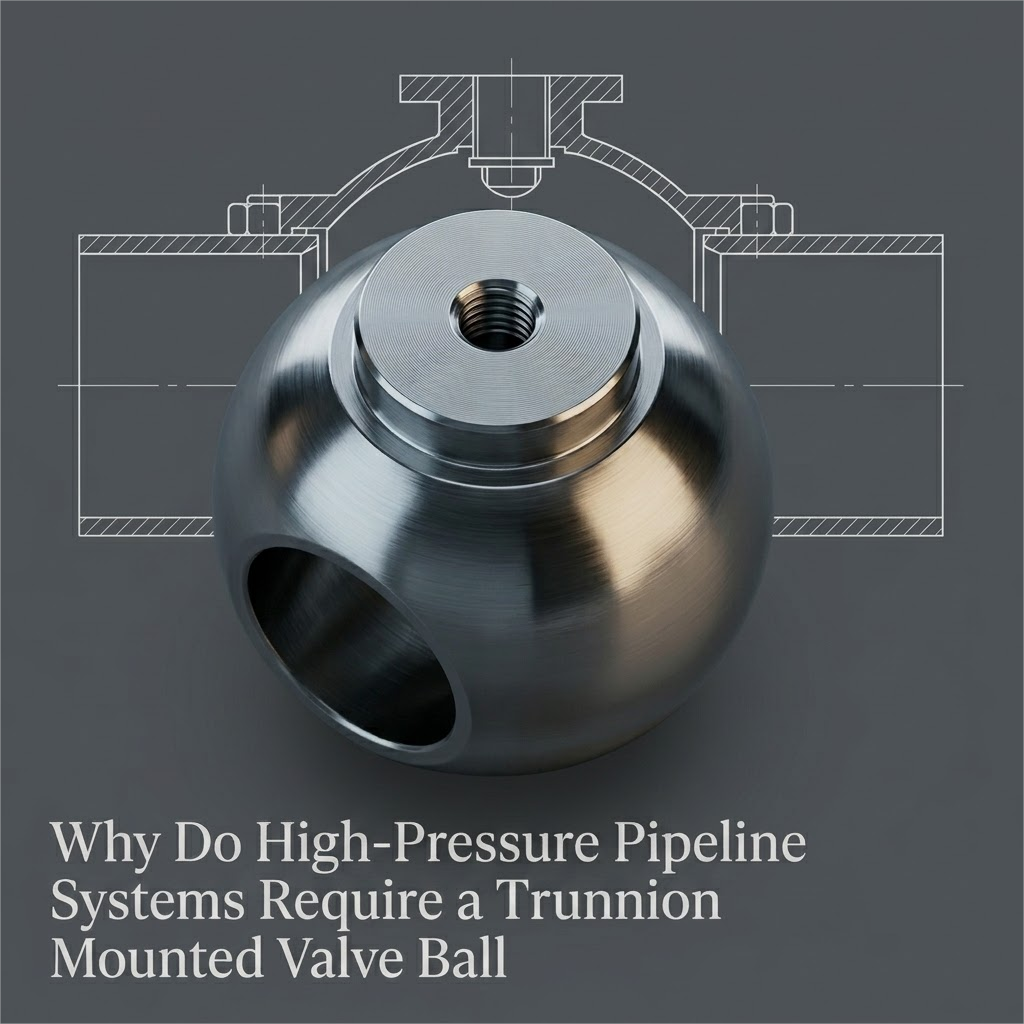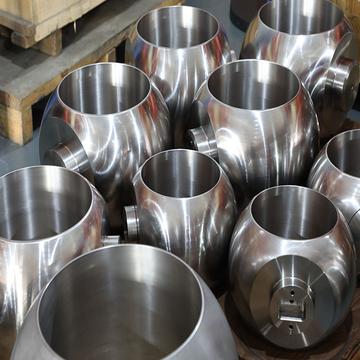

When a valve suddenly gets too hard to turn or jams completely, your business faces real trouble. It stalls your automatic actuators and can even snap the hardware inside. A sudden ball valve torque jump is a warning sign that the inner parts are twisting and rubbing against each other. Replacing these ruined internals quickly keeps your production lines safe.
Forcing misaligned pipes together twists the heavy Ball Valve Body. Even a tiny twist destroys the tiny spacing inside, making the valve drag and driving up your operating torque.
Forcing the Fit: Out in the field, heavy pipeline headers rarely line up perfectly on their own.
The Bending Load: When installation crews use heavy wrenches to pull crooked flanges together, a massive bending force shoots into the valve.
Metal Against Metal: This external pulling force does not stay on the outside; it squeezes the valve casing out of shape.
Micro Bends: You cannot see this distortion with the naked eye, but a body twist as small as 0.05 mm changes everything inside.
Ruining the Clearances: The internal flow chamber warps, which instantly ruins the smooth clearances needed for fluid control.
The Drag Effect: The internal moving parts lose their straight tracking paths, causing immediate friction zones that freeze up the line.
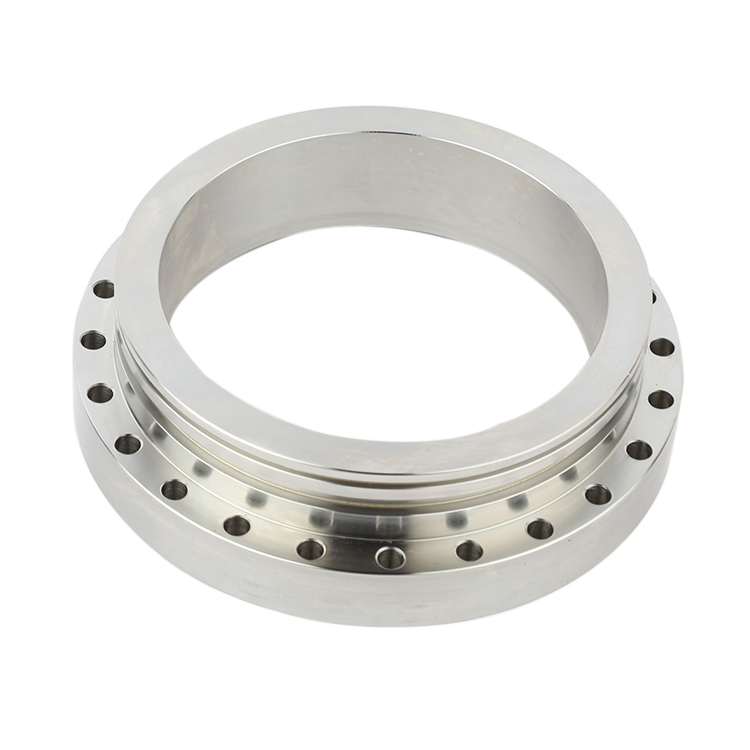
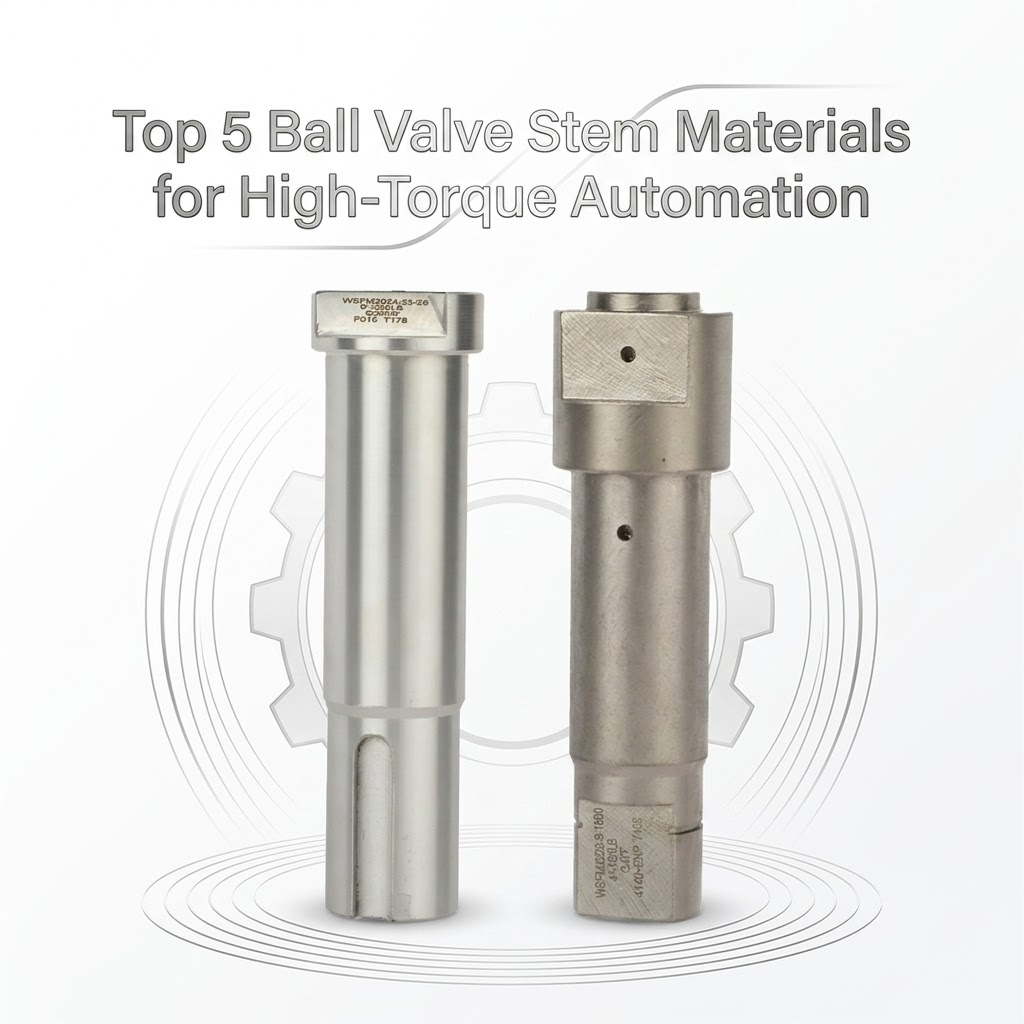
When the body warps, the ball valve stem leans to one side. It grinds hard against the sealing seals, causing heavy friction and making you look for a valve stem replacement sooner than planned.
Off-Center Shafts: A twisted body shoves the vertical packing hole out of line, making the stem run crooked.
Tearing the Seals: Instead of spinning smoothly, the shaft pinches hard against the graphite or PTFE packing rings.
Early Leaks: This uneven rubbing tears up the soft packing materials, leading to sudden packing blowout leaks.
The Safety Shoulder: An anti blowout stem design uses a wider built-in metal shoulder inside the neck to prevent the shaft from flying out under high pressure.
The Pinch Point: When the stem runs eccentric, this internal shoulder tilts and pinches the thrust washer underneath it.
Doubling the Drag: This localized pinching doubles the friction during a cycle, meaning it takes twice as much work to open the valve.
Metal Fatigue: If your actuator keeps forcing a jammed valve to turn, the metal cannot take the stress.
Shearing the Keyway: The shaft can twist or snap right at the top drive keyway, leaving the valve stuck halfway open.
Unplanned Shutdowns: A broken stem means a complete system stop, forcing your team into an emergency valve stem replacement job.
Body twisting shoves the inner walls too hard against one side of the ball. This uneven crushing pressure causes immediate ball valve seat failure and lets fluid bypass the seal.
Unbalanced Force: A warped casing pushes the internal pocket too hard against one side of the central sphere.
The Tight Spot: This massive crushing load pinches the plastic liner against the ball, acting like a brake shoe.
The Loose Gap: While one side gets crushed, the opposite side opens up a loose gap, losing its tight sealing grip entirely.
The Plastic Limit: A standard ptfe ball valve seat works beautifully in mild conditions, but it has strict material limits.
Cold Flow Ruin: When it gets squished too hard under high pressure or rising temperatures (180℃), the soft PTFE suffers from plastic deformation.
Permanent Shape Loss: The plastic material physically flows out of its groove, meaning it can never bounce back to its original shape.
High-Drag Grooves: The ball cuts deep, uneven grooves into the deformed plastic ring, causing high-drag pinch points.
Trapping the Grit: This loose gap lets dirty dirt and scale wash right behind the seat liner.
Scarring the Metal: This trapped grit grinds against the polished metal sphere, causing catastrophic ball valve seat failure and permanent internal leaks.
The Core Breakdown: When these inner alignment paths fail, your entire system loses its fluid control accuracy. Learning how internal components determine ball valve flow direction helps maintenance teams see how a ruined seat ruins the entire pipeline layout.
Stopping torque spikes requires buying parts made with tight machining limits. Smooth shafts and flat seat pockets keep friction low.
Rule 1: Enforce Strict Stem Concentricity: Insist on a maximum straightness runout of less than 0.02 mm during your next parts check.
Rule 2: Don’t Use Rough Shafts: Demand a mirror-smooth stem surface finish to save your soft packing from tearing up early.
Rule 3: Know the Stem Breaking Point: Ensure your replacement stem yield strength can handle the actuator power without twisting in half.
Rule 4: Use Springs Behind the Seats: Look for pre-loaded wave springs behind the sealing rings to absorb minor pipe shifting automatically.
Rule 5: Watch Your Working Temperatures: Leave enough room in the design for soft plastics to expand when lines run hot, avoiding jams.
| Internal Part & Machining Style | Impact on Total Breakaway Torque | Resistance to Structural Pipeline Distortion |
| High-Precision Polished Stem Shaft | Extremely low friction; drops required actuator size by 20%. | Outstanding; slides through packing without binding. |
| Standard Rough Machined Shaft | High initial friction; prone to tearing graphite packing rings. | Poor; minor alignment errors cause immediate shaft jamming. |
| Uniform Depth Precision Seat Pocket | Perfectly balanced; ensures even contact around the ball. | High; maintains an even seal boundary despite minor body twists. |
| Uneven Cast Internal Pocket Profile | Highly unpredictable; creates dangerous high-friction drag points. | Very poor; tiny pipeline movements trigger early internal leaks. |
Why is my valve suddenly so hard to turn after a plant maintenance break?
Installation crews likely bolted misaligned pipes together, which twisted the valve casing and jammed the inner parts.
Does an anti blowout stem design make a valve naturally stiffer to operate?
Only if the shaft runs crooked; eccentricity forces the internal shoulder to pinch the thrust washer unevenly.
Can I stop a ptfe ball valve seat failure leak by just tightening the body bolts?
No, tightening body bolts won’t fix a shape-shifted, cold-flowed seat; you must replace the ruined plastic ring.
What is the best material upgrade to lower friction during a valve stem replacement?
Upgrading to a high-strength stainless steel shaft with a mirror-polished finish lowers friction and stops metal galling.
Why does a standard ball valve require so much force to crack open after sitting idle?
The soft plastic seats creep into the microscopic pores of the metal ball over time, causing high stiction.
What happens if the stem surface finish is too rough?
The rough metal acts like sandpaper, rapidly tearing up the graphite packing and causing early fluid leaks.
Can a forged valve body lower my operational torque risks?
Yes, forged bodies are much stronger than cast ones, meaning they resist pipeline bending forces without warping inside.
Why do hard chemical lines cause sudden valve sticking?
Trapped crystals embed into the soft seat faces, grinding against the ball and driving turning resistance up fast.
A stiff valve is a cry for help from your pipeline. Don’t just spray temporary lubricant; replace the twisted internals with parts machined to fit perfectly. Keeping your stem and seat paths aligned ensures a long, trouble-free lifespan. Contact GOTEB today to send over your sizing prints or project specs to get an instant quote on smooth, low-torque stems, seats, and replacement kits.


 Optimized by Seraphinite Accelerator