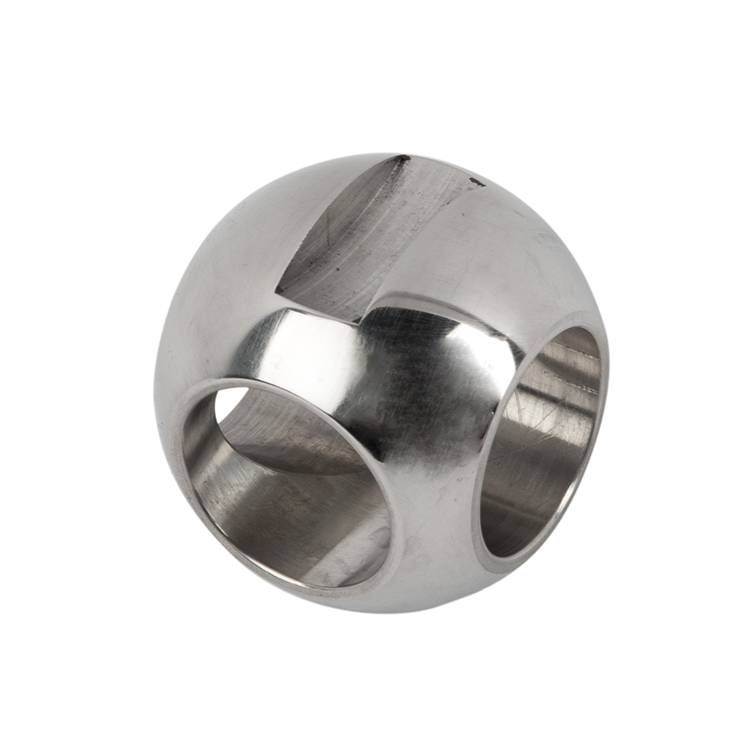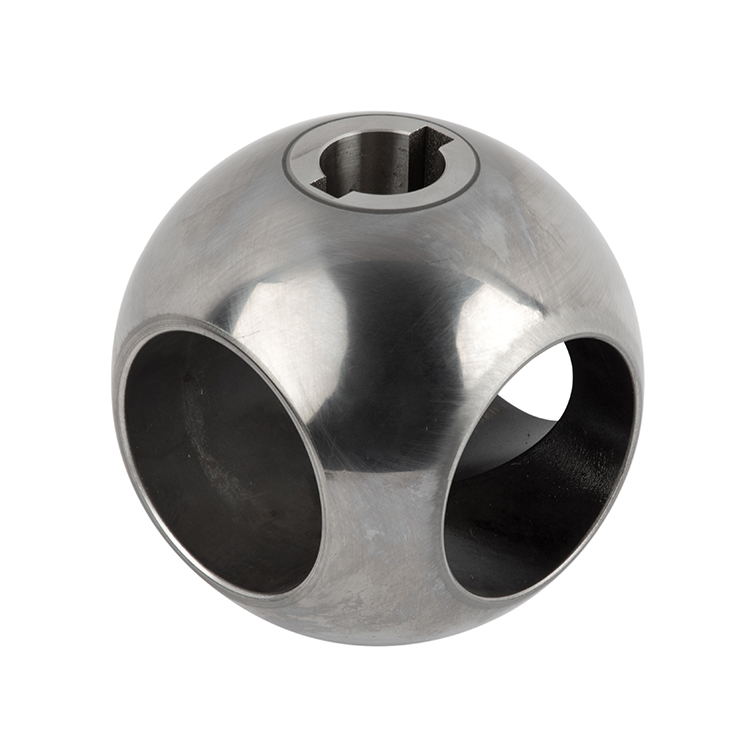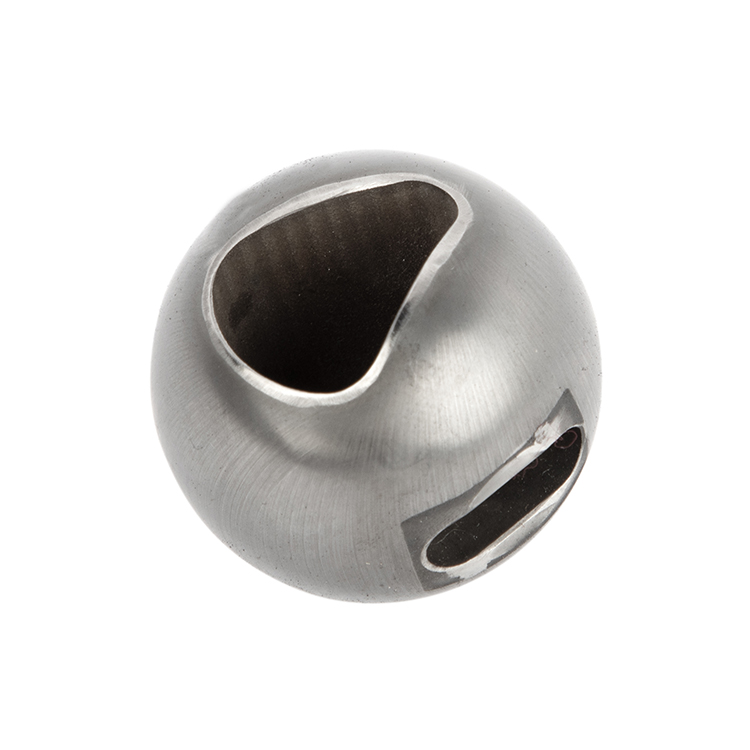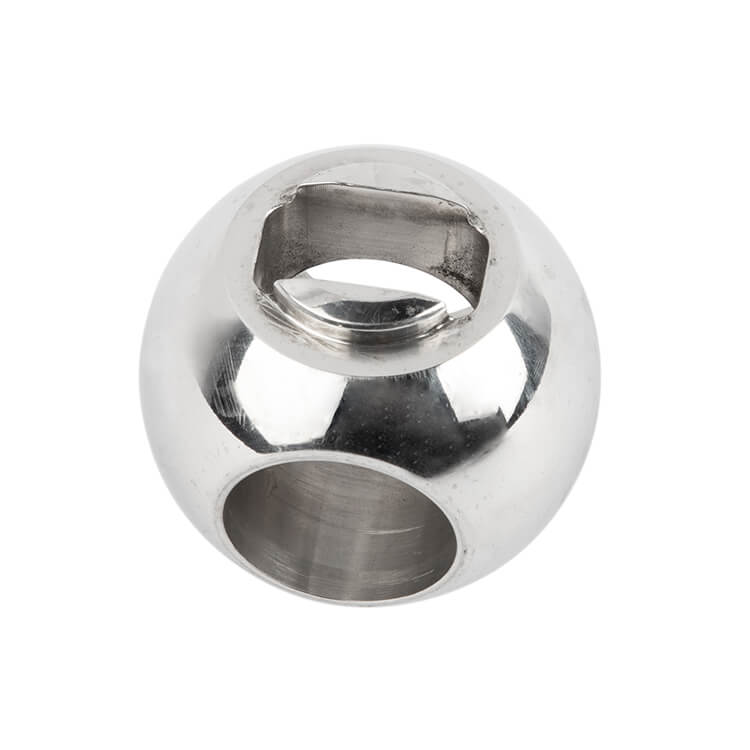

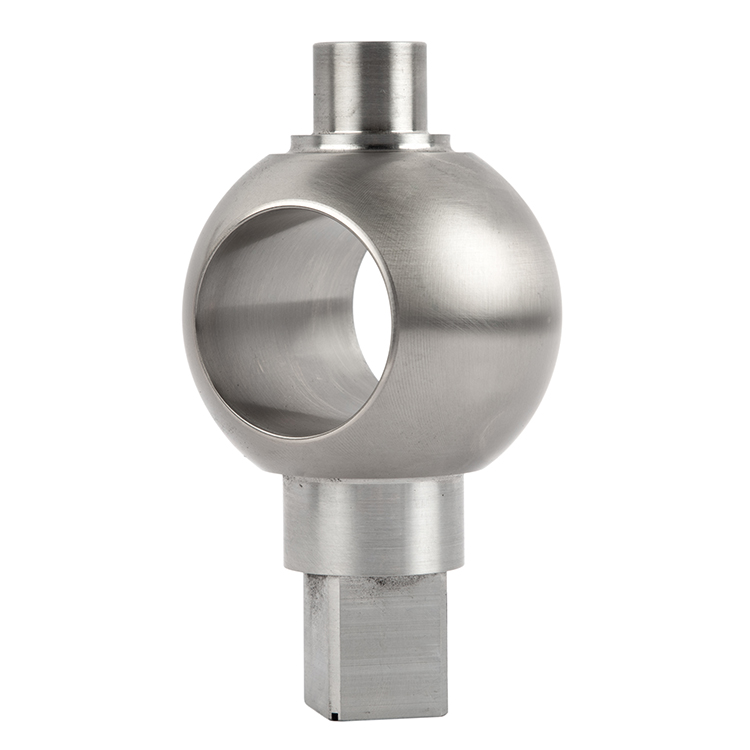
Choosing the right customized ball valve ball is important for ensuring reliable valve operation in industrial piping systems. The ball is a critical internal component of a ball valve because it rotates to open, close, or regulate the flow passage. Its dimensions, material, port configuration, surface finish, and manufacturing precision can all influence the performance of the complete valve.
Industrial applications can involve different pressures, temperatures, media, flow requirements, and operating frequencies. As a result, a standard ball valve ball may not always provide the required specifications. A customized ball valve ball can be manufactured according to the specific requirements of the valve design and operating environment.
For valve manufacturers, distributors, and industrial buyers, understanding the key factors involved in customization can make it easier to select a suitable component and avoid compatibility or performance problems.
The first step in choosing a customized ball valve ball is understanding the valve in which the ball will be installed. The ball needs to work correctly with the valve body, valve seats, stem, actuator, and other internal components.
Important information may include valve size, pressure rating, connection type, ball diameter, bore dimensions, and existing component specifications. If the customized ball is intended as a replacement part, providing an original sample or technical drawing can help the manufacturer reproduce the required geometry more accurately.
The ball should not be selected independently from the complete valve assembly. Even a high-quality component may not perform correctly if its dimensions or configuration are incompatible with the valve.
Material selection is one of the most important considerations when ordering a customized ball valve ball. The material should be compatible with the operating medium and environmental conditions.
Stainless steel is commonly considered for applications where corrosion resistance and durability are important. Carbon steel and alloy steel may be suitable for other industrial applications depending on pressure, temperature, mechanical requirements, and cost considerations.
The medium being handled should also be considered. Water, chemicals, oil, gas, corrosive fluids, and abrasive media can place different demands on the ball material. When selecting a material, buyers should consider corrosion resistance, mechanical strength, temperature resistance, and compatibility with the valve seats.
Dimensional accuracy is essential because the ball must fit precisely inside the valve body and work correctly with the valve seats and stem.
The outside diameter, bore diameter, overall dimensions, and other critical measurements should be determined based on the valve design. Incorrect dimensions may result in installation difficulties, excessive friction, poor sealing, or interference with other components.
For custom orders, technical drawings with clearly defined dimensions and tolerances can help reduce manufacturing errors. If drawings are not available, an original ball or sample can provide useful information for measurement and reverse engineering.
The port configuration determines the flow passage through the ball and can influence the flow characteristics of the valve.
A full-port ball provides a flow passage that is generally close to the internal diameter of the connected pipe, while a reduced-port design has a smaller flow passage. Different applications may require different configurations depending on flow requirements, pressure drop considerations, and valve design.
Specialized valves may also require non-standard port geometries. When ordering a customized ball valve ball, the port design should therefore be specified according to the intended valve function rather than selected separately from the rest of the system.
The surface condition of a ball valve ball can directly affect its interaction with the valve seats. A suitable surface finish can help support smooth rotation and consistent sealing.
Precision grinding and polishing may be used to achieve the required surface quality. The appropriate finish depends on the ball material, valve seat material, sealing requirements, and application conditions.
Dimensional tolerances are equally important. If the ball is manufactured outside the required tolerance range, it may affect valve operation or sealing performance. For this reason, buyers should communicate critical tolerances clearly when requesting a customized component.
A ball valve ball does not work independently. It operates together with the valve seats to create the required sealing effect.
The compatibility between the ball and seats should therefore be considered during customization. Differences in materials, dimensions, surface finish, and operating conditions can affect friction, sealing, wear, and service life.
For applications involving frequent valve cycling, high pressure, high temperature, or corrosive media, the ball and seat combination should be considered as part of the same sealing system.
Industrial ball valves may operate under a wide range of pressure and temperature conditions. These conditions should be included when selecting the customized ball valve ball.
Higher pressure can increase the mechanical demands placed on the valve components, while elevated or low temperatures may affect material properties and sealing behavior. The selected ball material and manufacturing specifications should therefore be appropriate for the actual operating range.
Instead of choosing a ball based only on nominal valve size, buyers should provide the manufacturer with the expected pressure and temperature conditions. This allows the customized component to be evaluated within its intended application.
The fluid or gas passing through the valve is another important factor. Different media can create different corrosion, wear, or contamination risks.
For corrosive chemicals, material compatibility becomes especially important. For applications involving abrasive particles, the resistance of the ball and its surface to wear may require additional consideration.
Food processing, pharmaceutical, and other hygienic applications may also have specific material and surface requirements. The customized ball should therefore be selected according to both mechanical requirements and the characteristics of the medium.
The manufacturing process can have a significant influence on the consistency and precision of customized ball valve balls. Depending on the design and material, processes may include CNC machining, precision turning, grinding, polishing, drilling, and other finishing operations.
For complex or high-precision components, the manufacturer’s ability to control dimensions throughout the production process is particularly important. Quality inspection should verify critical dimensions, surface finish, and other customer-defined specifications.
When comparing suppliers, buyers should consider not only whether a manufacturer can produce a particular design but also whether it has the machining and inspection capabilities required to manufacture that design consistently.
Clear technical communication can make the customization process more efficient. Buyers should provide as much relevant information as possible before production begins.
Technical drawings are particularly useful because they can define dimensions, tolerances, material requirements, port configuration, surface finish, and stem connection. When drawings are unavailable, samples, photographs, measurements, and application information can provide additional reference.
It is also useful to specify the intended operating conditions, including pressure, temperature, medium, and expected operating frequency. Complete information allows the manufacturer to better understand the application and confirm whether the proposed customized ball valve ball meets the requirements.
The supplier’s manufacturing capabilities should be considered carefully when purchasing customized ball valve balls. A manufacturer with experience in precision machining and valve components may be better equipped to handle non-standard dimensions and technical requirements.
Quality control is also important. Depending on the application, inspection may include dimensional measurement, visual inspection, surface finish checks, material verification, and other tests defined by the customer’s specifications.
For repeat orders, consistent production capability is particularly important because every batch should maintain the same critical dimensions and performance characteristics.
For a new customized design, producing a sample or prototype before mass production can help identify potential compatibility issues. The sample can be checked against the valve body, seats, stem, and other components before larger quantities are manufactured.
This approach can be especially useful for non-standard valve designs or replacement components where drawings may be incomplete. After the sample is approved, the confirmed specifications can be used as a reference for subsequent production.
Customized ball valve balls can be used in a wide range of industrial valve applications. Depending on the material and design, they may be used in chemical processing, oil and gas, petrochemical, water treatment, power generation, food and beverage, pharmaceutical, and general industrial piping systems.
Each application may have different requirements for corrosion resistance, pressure handling, temperature resistance, sealing, flow characteristics, and durability. Customization allows the ball to be adapted to these specific requirements instead of relying exclusively on standardized components.
One common mistake is selecting a ball based only on its nominal valve size. Two balls with the same nominal size may have different dimensions, port configurations, stem connections, or tolerances.
Another issue is overlooking material compatibility. A ball that performs well in one medium may not be suitable for a different chemical or operating environment.
Buyers should also avoid providing incomplete technical specifications. Missing information about tolerances, surface finish, operating conditions, or port configuration can create unnecessary communication and production risks. Confirming the technical requirements before manufacturing can help prevent these problems.
Choosing the right customized ball valve ball requires more than selecting a suitable diameter. The ball should be evaluated according to the complete valve design, including material, dimensions, port configuration, surface finish, tolerances, stem connection, valve seats, and operating conditions.
Pressure, temperature, medium, flow requirements, and operating frequency should also be considered when determining the appropriate specifications. Providing detailed drawings or samples and working with a manufacturer capable of precision machining and quality inspection can help ensure that the customized ball meets the requirements of the complete valve assembly.
For industrial valve manufacturers and buyers, a well-designed customized ball valve ball can provide the dimensional compatibility and component specifications required for specialized valve applications.
1. How do I choose the right customized ball valve ball?
Consider the valve design, ball dimensions, material, port configuration, surface finish, tolerances, stem connection, operating pressure, temperature, and medium. Providing a technical drawing or sample can help the manufacturer determine the appropriate specifications.
2. What materials are commonly used for customized ball valve balls?
Common materials include stainless steel, carbon steel, and alloy steel. The appropriate material depends on factors such as corrosion resistance, mechanical strength, operating temperature, pressure, and the type of medium handled by the valve.
3. Why are dimensions important when customizing a ball valve ball?
The ball must fit correctly inside the valve body and work properly with the valve seats and stem. Incorrect dimensions can cause installation problems, excessive friction, leakage, or inconsistent valve operation.
4. Can a ball valve ball be customized according to a drawing?
Yes. Customized ball valve balls can generally be manufactured according to customer-provided drawings that specify dimensions, tolerances, materials, port configurations, surface finishes, and other technical requirements.
5. Can I order a customized ball valve ball without a technical drawing?
In some cases, yes. An original ball, physical sample, detailed measurements, or other technical information can be used as a reference for customization. The manufacturer may need to inspect and measure the sample before confirming production specifications.


 Optimized by Seraphinite Accelerator