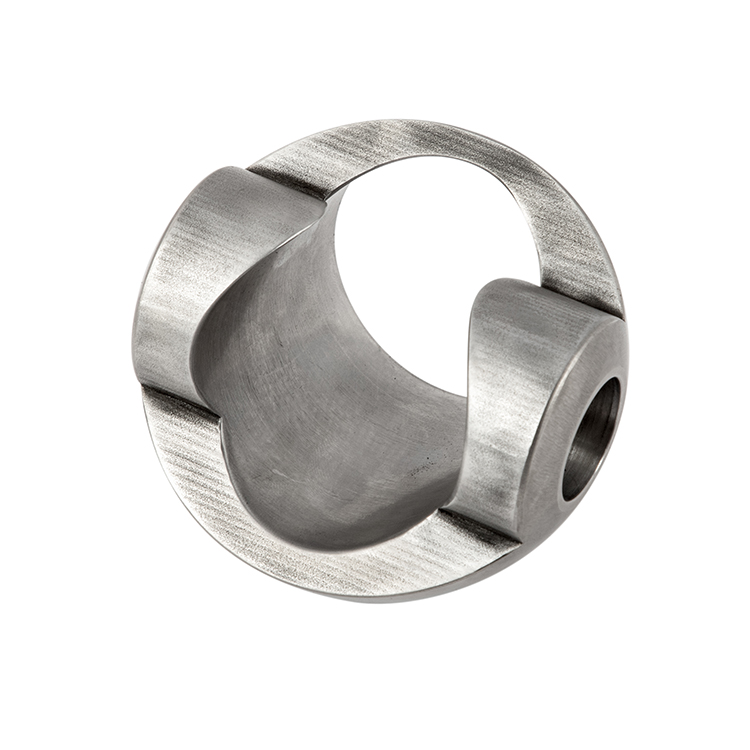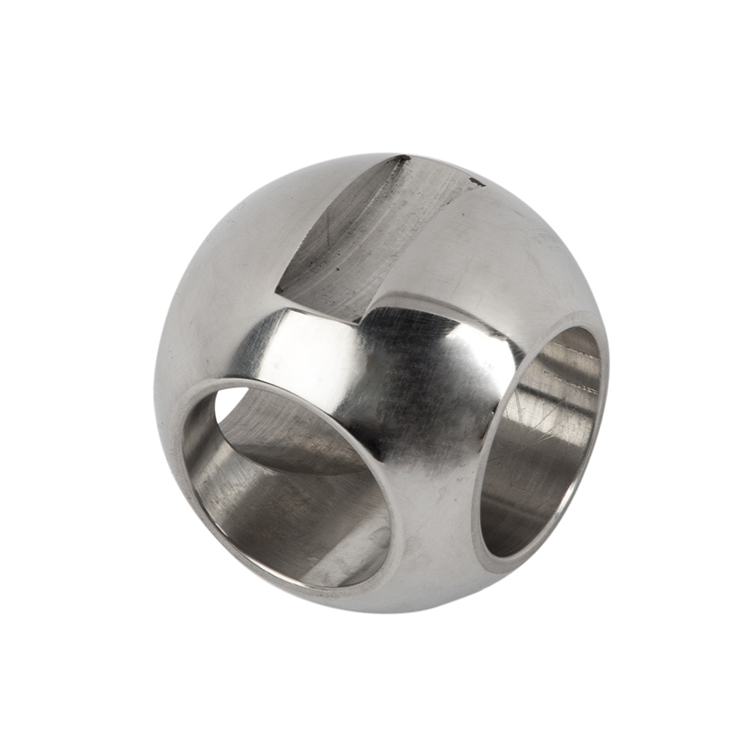


Custom ball valve accessories play an important role in meeting the specific operating, installation, and performance requirements of industrial valve systems. While standard accessories are suitable for many applications, some projects require customized dimensions, materials, mounting interfaces, or control functions to ensure compatibility with existing equipment and specialized operating conditions.
For original equipment manufacturers (OEMs), industrial valve manufacturers, distributors, and engineering companies, selecting the right customization partner involves more than confirming product dimensions. Buyers must also evaluate material specifications, manufacturing capabilities, quality control, testing procedures, and production consistency.
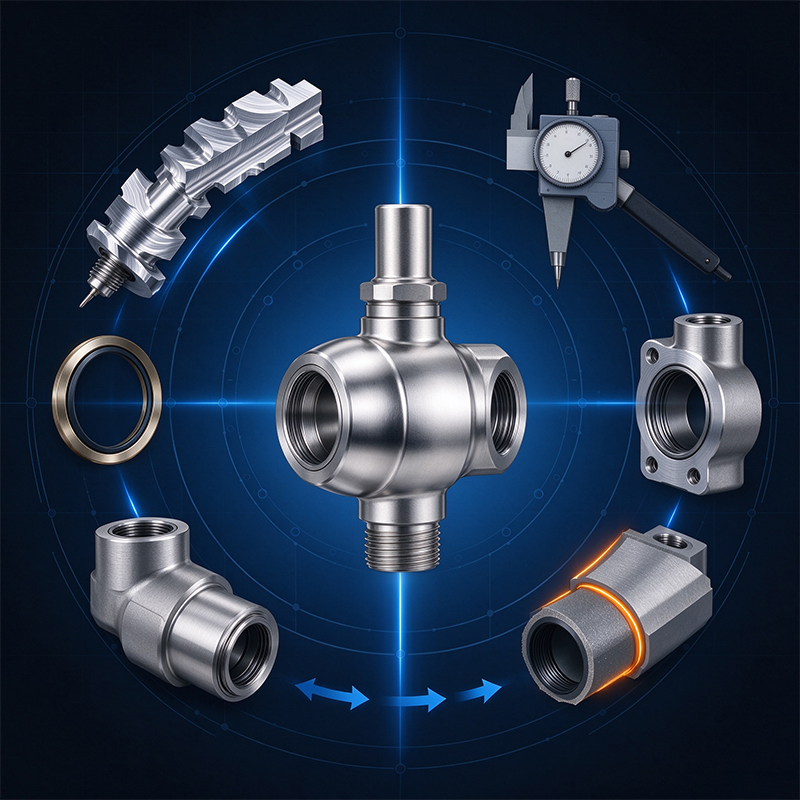
Custom ball valve accessories are components designed or manufactured according to specific customer drawings, technical specifications, or application requirements. They support the operation, installation, sealing, monitoring, and automation of ball valves.
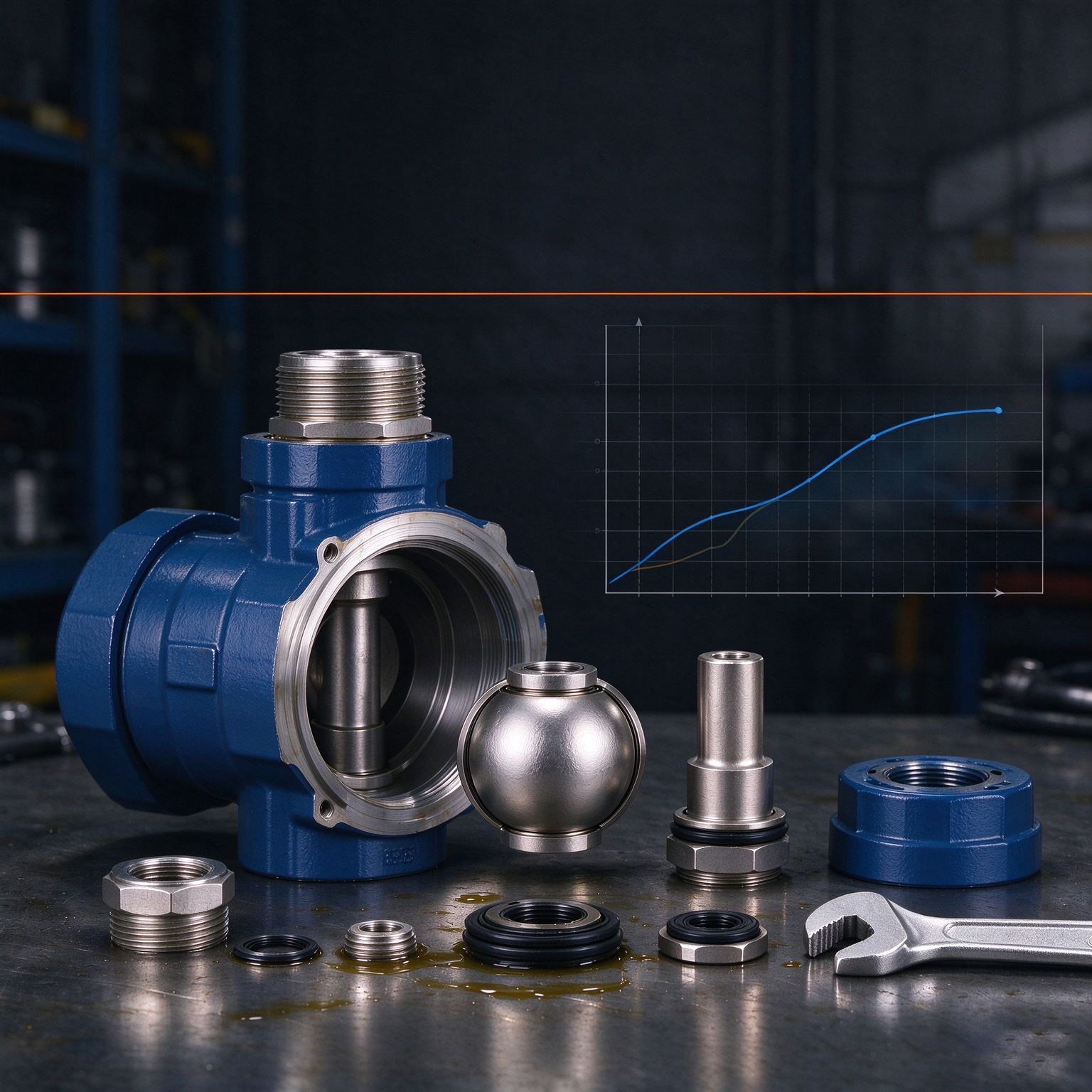
Depending on the valve design, customized components may include handles, valve stems, mounting brackets, actuator couplings, sealing components, position indicators, and actuator-related accessories.
Customization may involve adjusting component dimensions, selecting alternative materials, modifying mounting interfaces, improving corrosion resistance, or adapting accessories to a particular automation system. Some projects require only minor dimensional changes, while others involve developing a component for a new valve design.
The objective is to ensure that each accessory meets the intended mechanical and operational requirements while remaining compatible with the complete valve assembly.
1. Custom Ball Valve Handles and Handwheels
Handles and handwheels provide manual control of ball valves. OEM customers may require specific handle lengths, shapes, mounting dimensions, surface finishes, or materials to suit their product designs and installation environments.
For example, a compact industrial valve may require a low-profile handle to fit into a restricted space. Another application may need a corrosion-resistant handle for outdoor installation or frequent exposure to moisture.
When developing custom handles, manufacturers should evaluate operating torque, mechanical strength, mounting compatibility, ergonomics, and potential interference with nearby equipment. The handle must provide practical operation without placing excessive stress on the valve stem.
2. Custom Valve Stems and Sealing Components
Valve stems transfer movement from the handle or actuator to the ball, while sealing components help prevent unwanted leakage through designated sealing interfaces.
OEM projects may require specific stem dimensions, connection profiles, material grades, surface finishes, or seal configurations. These requirements must match the valve design and the intended operating conditions.
Material selection is particularly important for sealing components. PTFE and various elastomers are used in suitable applications, but their chemical compatibility, temperature limits, mechanical properties, and pressure requirements must be evaluated before production.
Manufacturers should also verify critical dimensions and surface conditions that affect assembly and sealing performance.
3. Custom Mounting Brackets and Actuator Couplings
Mounting brackets and couplings connect actuators to ball valves and transfer operating torque. Customized components may be necessary when a valve and actuator use different mounting interfaces or when the installation requires a particular arrangement.
OEM requirements may include specific bolt patterns, bracket heights, coupling dimensions, shaft profiles, and installation orientations. Accurate alignment is essential because dimensional errors can increase mechanical stress and interfere with valve movement.
Manufacturers should confirm both the valve-side and actuator-side interfaces before finalizing the design. Where appropriate, prototype assembly and operational testing can help identify fit or alignment problems before mass production.
4. Custom Actuator and Control Accessories
Some OEM projects require accessories that support automated valve operation. These may include position indicators, limit switch brackets, solenoid valve mounting components, and other actuator-related parts.
Customization may involve enclosure dimensions, connection arrangements, mounting positions, signal requirements, or environmental protection features. Electrical accessories used in hazardous locations may also need to meet applicable certification requirements.
Because these components interact with the valve’s control system, manufacturers should confirm the required control functions and technical interfaces before production.
1. Detailed Technical Drawings and Specifications
Accurate technical documentation is the foundation of a successful OEM project. Buyers should provide engineering drawings or a complete specification describing the required component and its relationship to the valve assembly.
Important information may include overall dimensions, tolerances, hole positions, thread specifications, connection interfaces, material grades, surface finishes, and assembly requirements.
Three-dimensional CAD files can be useful for complex parts because they help manufacturers assess geometry, assembly relationships, and potential interference. However, the drawing or specification should still clearly identify critical dimensions and acceptance criteria.
If the customer does not have a complete drawing, the project may begin with a sample component, available measurements, or an agreed design-development process. Any assumptions should be confirmed before tooling or production begins.
2. Material Selection and Performance Requirements
Material selection affects component strength, corrosion resistance, wear resistance, manufacturing cost, and service life. The appropriate material depends on the accessory’s function and its operating environment.
Stainless steel may be selected where corrosion resistance and mechanical strength are important. Carbon steel may suit certain structural components, while brass is used in some valve assemblies. PTFE and elastomers may be appropriate for specific sealing applications.
OEM customers should specify the required material grade rather than relying on broad descriptions such as stainless steel or rubber. For demanding applications, requirements may also include chemical compatibility, operating temperature, mechanical properties, traceability, or material certification.
The selected material must be suitable for the complete service environment, including foreseeable changes in temperature, pressure, and process conditions.
3. Dimensional Accuracy and Interchangeability
Custom ball valve accessories often need to fit existing valve bodies, stems, actuators, or mounting systems. Even small dimensional deviations can affect assembly, alignment, operating torque, or sealing performance.
Manufacturers should identify critical-to-function dimensions and establish suitable tolerances based on the design requirements and manufacturing process. Inspection methods should be selected according to the component’s geometry and the required accuracy.
For OEM customers producing multiple valve models, interchangeability is also important. Accessories should fit the intended product versions consistently without requiring unplanned modifications during assembly.
First-article inspection and prototype evaluation can help confirm that the design and manufacturing process meet the agreed requirements before volume production.
4. Surface Treatment and Corrosion Protection
Depending on the application, custom accessories may require surface finishing or protective treatments to improve corrosion resistance, wear performance, appearance, or cleaning characteristics.
Possible treatments include passivation for suitable stainless steel components, plating or coating for compatible metal parts, and other finishes specified for the application. The appropriate treatment depends on the base material, operating environment, dimensional requirements, and applicable regulations.
Surface treatment can affect dimensions, surface properties, and component fit. Manufacturers should therefore account for the treatment during design and tolerance planning rather than treating it as an unrelated final step.
For components used in food, pharmaceutical, or other hygienic applications, any surface finish and material requirements should be evaluated against the relevant process and regulatory standards.
5. OEM Branding and Product Identification
Some OEM customers require accessories to carry their own brand identity or product information. Depending on the component and manufacturing process, this may include laser marking, engraving, labels, packaging identification, or customized product codes.
Branding requirements should be defined early so that they can be incorporated into the production plan. Customers should specify the approved artwork, logo dimensions, marking location, readability requirements, and any restrictions on surface treatment.
For industrial components, product identification may also support traceability, inventory management, and replacement-part identification. Marking methods should not compromise component strength, sealing surfaces, or required corrosion protection.
1. Manufacturing Process and Equipment Capabilities
The manufacturing process depends on component geometry, material, dimensional accuracy, surface requirements, and production volume.
Machining is commonly used for stems, couplings, and other components that require precise dimensions. Stamping, forming, casting, forging, or molding may be suitable for particular handle designs, brackets, and other components, depending on the material and geometry.
Manufacturers should evaluate the most appropriate process according to the design rather than choosing solely on initial unit cost. A process that works well for a small prototype run may not be the most economical option for high-volume production.
Equipment capability, tooling requirements, production capacity, and process repeatability should all be reviewed before the order is confirmed.
2. Prototype Development and Design Validation
Prototype development allows manufacturers and OEM customers to evaluate fit, function, and manufacturability before committing to large production quantities.
A prototype may be used to confirm mounting dimensions, handle clearance, coupling alignment, assembly procedures, or compatibility with an existing valve. Where necessary, functional testing can assess operating movement, mechanical strength, or sealing performance.
Design changes identified during prototype evaluation should be documented and approved before mass production. This helps prevent differences between the approved sample and the final production batch.
For complex projects, the development process may include several review stages, from initial drawings to prototype approval and production validation.
3. Quality Control and Inspection
Consistent quality is essential for OEM ball valve accessories because dimensional or material variations can affect the performance of the final valve assembly.
A suitable quality-control process may include incoming material verification, in-process inspection, final dimensional checks, visual inspection, and functional testing where applicable. The inspection plan should reflect the component’s critical characteristics and the customer’s acceptance requirements.
Measurement tools may include calipers, micrometers, gauges, coordinate measuring equipment, or specialized fixtures, depending on the component and required accuracy.
For projects requiring documented traceability or formal compliance, manufacturers should confirm the necessary inspection records, material certificates, and test documentation before production begins.
4. Testing and Performance Verification
Testing requirements should be established according to the function of the customized accessory and its role in the valve assembly.
A handle or bracket may require dimensional and mechanical checks, while an actuator coupling may need assembly and operational verification. Sealing components may require checks related to dimensions, material properties, or performance within the intended valve design.
Pressure and leakage testing generally apply to the relevant valve assembly or pressure-containing components, rather than automatically to every accessory individually. The appropriate test method and acceptance criteria should be defined by the applicable design, standards, and customer requirements.
Clear testing criteria help ensure that both parties understand what constitutes an acceptable product before shipment.
5. Production Capacity and Lead Time
OEM customers often need customized components in repeatable quantities and within an agreed delivery schedule. Production planning should account for material availability, tooling development, prototype approval, manufacturing capacity, surface treatment, inspection, and packaging.
Small batches may be suitable for initial validation or specialized projects, while larger orders may justify dedicated tooling or process optimization. However, tooling investment and production lead times vary considerably according to component complexity.
Before placing an order, confirm minimum order quantities, sample lead times, production lead times, delivery schedules, and the process for handling changes to drawings or specifications.
6. Cost Control and Long-Term Supply
The cost of custom ball valve accessories depends on material, component complexity, tolerances, manufacturing process, tooling, surface treatment, inspection requirements, order quantity, and packaging.
Reducing unnecessary design complexity can improve manufacturability and control costs. However, critical dimensions, materials, and performance requirements should not be relaxed without an engineering review.
For long-term OEM supply, buyers should also evaluate production consistency, raw material sourcing, change control, spare-parts availability, and the supplier’s ability to maintain the approved specification across repeat orders.
A reliable supplier should communicate cost drivers clearly and identify opportunities for process improvement without compromising required quality.
Selecting a suitable OEM manufacturer requires evaluating both technical capability and long-term supply reliability.
First, confirm that the manufacturer has experience with the required component type, material, manufacturing process, and tolerance range. Ask how it manages drawing reviews, prototype approval, production changes, and inspection.
Second, review its quality-control procedures and ability to provide the required documentation. Depending on the project, this may include material certificates, dimensional inspection reports, functional test results, or other agreed records.
Third, assess communication, production planning, customization flexibility, and after-sales support. Clear communication is particularly important when drawings are incomplete or when a project requires several rounds of design revisions.
Finally, confirm commercial terms, tooling ownership where applicable, intellectual property arrangements, confidentiality requirements, minimum order quantities, and delivery expectations before starting production.
One common mistake is providing incomplete drawings or unclear specifications. Missing tolerances, material grades, or interface dimensions can lead to inconsistent parts and costly rework. Confirm critical requirements before production begins.
Another mistake is approving a prototype without defining the acceptance criteria. A sample may appear suitable but still fail to meet requirements for material, dimensional accuracy, functional performance, or long-term compatibility.
Choosing a supplier based only on the lowest quotation can also create problems if manufacturing capability, inspection, or production consistency is inadequate. Compare suppliers based on total project requirements, not price alone.
Finally, changes to materials, dimensions, manufacturing processes, or surface treatments should be managed through a documented approval process. Uncontrolled changes can affect compatibility and make repeat orders inconsistent with the original approved design.
Custom ball valve accessories help OEM customers meet specific design, installation, automation, and operating requirements. Successful customization depends on accurate technical specifications, suitable materials, dimensional control, appropriate manufacturing processes, prototype validation, and consistent quality inspection.
By defining requirements clearly and selecting a capable manufacturing partner, OEM customers can reduce design risks, improve assembly compatibility, and establish a reliable supply of customized components.
For industrial valve manufacturers, distributors, and engineering companies, working with an experienced ball valve accessories supplier can simplify product development, support application-specific requirements, and improve long-term supply consistency.
1. What are custom ball valve accessories?
Custom ball valve accessories are components designed or manufactured to meet specific valve requirements, including dimensions, materials, connection methods, operating conditions, and installation needs. Common examples include handles, handwheels, valve stems, seals, mounting brackets, couplings, and actuator accessories.
2. Which ball valve accessories can be customized?
Manufacturers can customize various components, such as valve handles, stems, mounting brackets, actuator adapters, sealing components, and position indicators. Customization may include dimensions, materials, surface finishes, connection interfaces, and product markings.
3. What information is required for OEM ball valve accessories?
To request a quotation, buyers should provide technical drawings, dimensions, material specifications, operating conditions, required quantities, surface treatment requirements, and applicable industry standards. Samples or existing component references can also help clarify manufacturing requirements.
4. Which materials are commonly used for custom ball valve accessories?
Material selection depends on the component’s function and operating environment. Stainless steel is commonly used for corrosion resistance, while carbon steel may be suitable for certain structural components. Brass, engineering plastics, PTFE, and other sealing materials may be selected according to mechanical, chemical, temperature, and pressure requirements.
5. Can custom ball valve accessories fit existing valve models?
Yes. Custom accessories can be manufactured to match existing valve models when accurate dimensions and interface specifications are available. Buyers should verify mounting-hole positions, stem dimensions, connection types, actuator interfaces, and installation clearances to ensure proper compatibility.


 Optimized by Seraphinite Accelerator