

Choosing the right material for ball valve components is essential for ensuring reliable performance, durability, and cost-effectiveness in industrial applications. Stainless steel and carbon steel are two commonly used materials in ball valve manufacturing. Both offer advantages in terms of mechanical strength and industrial suitability, but they differ in corrosion resistance, cost, maintenance requirements, and compatibility with different operating environments.
Stainless steel ball valve components are often selected for applications requiring corrosion resistance, hygiene, or exposure to moisture and certain chemicals. Carbon steel components, on the other hand, are widely used in industrial systems where mechanical strength, pressure resistance, and cost control are important considerations.
For valve manufacturers, distributors, engineers, and procurement teams, understanding these differences helps determine which material best meets the requirements of a specific application. This article compares stainless steel and carbon steel ball valve components in terms of material properties, performance, cost, and selection criteria.

Stainless steel and carbon steel differ primarily in their chemical composition and resulting material properties.
Stainless steel ball valve components contain sufficient chromium to develop a passive oxide layer that helps resist corrosion. Common grades include 304 and 316 stainless steel. Grade 304 is widely used in general applications requiring corrosion resistance, while 316 contains molybdenum, which generally improves resistance to pitting and crevice corrosion in chloride-containing environments. Actual performance depends on the fluid composition, temperature, concentration, and other service conditions.
Carbon steel ball valve components primarily use iron and carbon, with other elements depending on the specific grade. They are widely used in industrial equipment because of their mechanical properties, availability, and relatively economical cost. However, carbon steel generally requires additional corrosion protection when exposed to moisture, corrosive fluids, or aggressive environments.
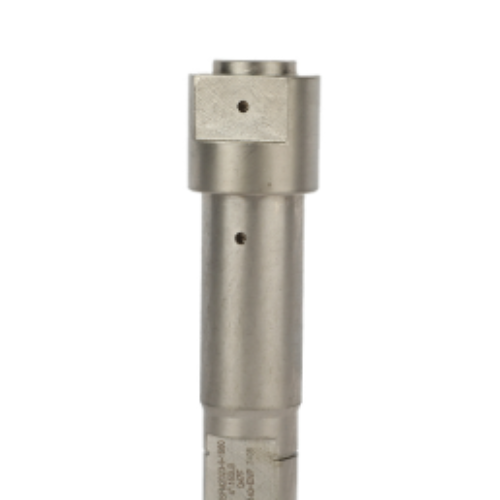
Both materials can be used for different ball valve components, including valve bodies, balls, stems, and other structural parts, provided the selected grade meets the relevant design and service requirements. Seat and seal materials require separate evaluation because they are commonly manufactured from polymers, elastomers, or other materials.
Corrosion resistance is one of the most important differences between stainless steel and carbon steel ball valve components.
Stainless steel offers inherent corrosion resistance through its passive surface layer. Grade 304 is suitable for many general industrial environments, while grade 316 is often preferred where improved resistance to chlorides and certain chemicals is required. Nevertheless, stainless steel is not completely corrosion-proof. High chloride concentrations, elevated temperatures, unsuitable cleaning chemicals, and stagnant conditions may cause localized corrosion or other forms of material degradation.
Carbon steel is more vulnerable to rust and corrosion when exposed to water, oxygen, and corrosive substances. Protective coatings, linings, or suitable corrosion inhibitors may help extend its service life, depending on the application. However, protective measures must be compatible with the process medium and operating conditions.
For applications involving humid environments, corrosive fluids, or frequent washdowns, stainless steel may reduce corrosion-related maintenance. In less corrosive environments, carbon steel may provide adequate performance at a lower initial cost.
The final choice should be based on the actual chemical composition of the medium and the expected operating environment rather than the material name alone.
Both stainless steel and carbon steel can provide the mechanical strength required for industrial ball valve components. However, their performance depends on the specific material grade, heat treatment, component design, manufacturing quality, and operating temperature.
Carbon steel grades commonly used in industrial valve manufacturing can offer high strength and are suitable for many pressure-containing applications. Stainless steel grades also provide useful strength and toughness, with properties varying according to their metallurgical structure and processing history.
For pressure-bearing components such as valve bodies and certain end connections, material selection must be evaluated alongside wall thickness, connection design, pressure-temperature ratings, and applicable valve standards. A material with high tensile strength does not automatically make a complete valve suitable for higher pressure.
Stems and balls also have different functional requirements. A stem must transmit operating torque without excessive deformation, while a ball must maintain dimensional accuracy and a suitable sealing surface. The selected material and manufacturing process should meet the requirements of each component.
Buyers should therefore compare material certificates and engineering specifications rather than assuming that stainless steel or carbon steel is universally stronger or more suitable.
Operating temperature can affect the mechanical properties, corrosion behavior, and service life of ball valve components. Both stainless steel and carbon steel are available in grades designed for different temperature ranges, but the suitability of a particular grade must be verified.
Carbon steel is widely used in many ambient- and elevated-temperature industrial applications. However, its strength and toughness vary with temperature, and low-temperature service may require grades with verified impact properties. High-temperature applications also require consideration of oxidation, thermal stress, and material strength at the intended operating temperature.
Stainless steel grades can perform well in many demanding temperature environments, but their suitability also depends on the specific alloy and service conditions. Thermal expansion, corrosion behavior, and changes in mechanical properties must be considered during design.
The temperature limits of seats, seals, packing, and other nonmetallic components may be more restrictive than those of the metal body or ball. Therefore, buyers should evaluate the complete valve assembly rather than selecting materials based only on the metallic components.
For applications involving substantial temperature fluctuations, frequent cycling, or extreme operating conditions, consult the valve manufacturer to confirm the suitability of all materials and components.
Manufacturing quality directly affects the performance of both stainless steel and carbon steel ball valve components. Material selection alone cannot guarantee reliable sealing, smooth operation, or long service life.
Stainless steel components may require careful machining and finishing to achieve the specified dimensions and surface quality. Depending on the grade and machining conditions, work hardening, tool wear, and heat generation can affect production efficiency and dimensional consistency. Suitable tooling and process control help manufacturers maintain the required tolerances.
Carbon steel is also suitable for machining, forging, casting, and other manufacturing processes used in valve production. However, the final component may require additional surface protection to meet corrosion-resistance requirements. Coating selection, surface preparation, and coating inspection can therefore be important parts of the production process.
For balls and stems, dimensional accuracy and surface finish influence assembly fit, operating torque, and interaction with seats and packing. For pressure-containing components, material verification and appropriate inspection help confirm compliance with engineering requirements.
When comparing suppliers, review their machining capabilities, surface-treatment processes, inspection procedures, and ability to maintain consistent quality across production batches.
Carbon steel ball valve components generally have a lower initial material cost than comparable stainless steel components, although the difference depends on grade, dimensions, market conditions, and manufacturing requirements.
For large-scale industrial projects, carbon steel can be an economical option when the process medium and operating environment do not require the additional corrosion resistance of stainless steel. Protective coatings may increase initial manufacturing costs, but they can help control corrosion-related expenses when properly specified and maintained.
Stainless steel components typically involve higher material costs. However, their corrosion resistance may reduce the need for protective coatings and lower maintenance or replacement frequency in suitable applications. This can make stainless steel a cost-effective choice over the valve’s service life, especially in corrosive or washdown environments.
A meaningful cost comparison should include more than the purchase price. Buyers should also consider installation, inspection, coating maintenance, spare-part availability, expected service life, and the financial impact of unplanned downtime.
The most economical material is the one that meets the required performance specifications at an acceptable total cost of ownership.
Stainless steel and carbon steel ball valve components serve a wide range of industries, but their suitability differs according to the operating environment.
Stainless steel ball valve components are commonly used in food and beverage processing, pharmaceutical production, chemical processing, water treatment, marine-related applications, and industrial systems exposed to moisture or corrosive media. Specific grades and surface finishes must be selected according to hygiene, chemical compatibility, and corrosion requirements.
Carbon steel ball valve components are widely used in oil and gas systems, power generation, general industrial pipelines, heating systems, and other applications where the selected grade meets the required pressure, temperature, and corrosion-control specifications.
These examples are general guidelines rather than universal rules. Some oil and gas applications require stainless steel or specialized alloys, while certain chemical or water systems may use carbon steel with suitable protection. The correct choice depends on the process medium, design conditions, applicable standards, and maintenance strategy.
Selecting between stainless steel and carbon steel requires a systematic review of application requirements. Buyers should assess the following factors before finalizing a material specification.
Fluid compatibility: Identify the fluid composition, concentration, contaminants, and potential corrosive properties. Confirm that all wetted components are compatible with the medium.
Pressure and temperature: Verify the required operating range and applicable pressure-temperature rating. Consider startup, shutdown, pressure surges, and temperature fluctuations where relevant.
Corrosion protection: Determine whether the application requires inherent corrosion resistance, protective coatings, linings, or other control measures. Consider the inspection and maintenance needed to preserve that protection.
Mechanical and dimensional requirements: Review the required strength, toughness, wear resistance, component dimensions, tolerances, and surface finish. Ensure that the material and manufacturing process are suitable for the design.
Industry standards and documentation: Confirm applicable valve standards, material specifications, testing requirements, and traceability needs. Request relevant material certificates and inspection records from the supplier.
Total cost of ownership: Compare purchase price, expected service life, maintenance, replacement costs, and the potential cost of downtime.
For customized or OEM ball valve components, provide the supplier with detailed drawings, material grades, operating conditions, and inspection requirements. This helps ensure that the selected material meets both the component specifications and the requirements of the finished valve.
Stainless steel and carbon steel both offer practical advantages for industrial ball valve components. Stainless steel is often preferred when corrosion resistance, moisture exposure, or hygiene requirements are important. Carbon steel is frequently selected for applications where mechanical performance and initial cost are priorities and corrosion can be adequately controlled.
Neither material is universally better. The right choice depends on the fluid medium, pressure, temperature, corrosion risk, component design, manufacturing quality, and expected service life. Buyers should evaluate the complete valve assembly and confirm that all materials meet the applicable technical requirements.
By comparing material properties, manufacturing capabilities, quality documentation, and total cost of ownership, industrial buyers can select ball valve components that provide reliable performance and long-term value.
1. What is the main difference between stainless steel and carbon steel ball valve components?
The main difference is corrosion resistance. Stainless steel contains chromium, which forms a passive oxide layer that helps protect against corrosion. Carbon steel generally offers an economical option with suitable mechanical properties but is more susceptible to rust and often requires protective coatings in corrosive environments.
2. Are stainless steel ball valve components better than carbon steel components?
Not necessarily. Stainless steel is often preferable for corrosive environments, moisture exposure, and applications requiring good corrosion resistance. Carbon steel may be more cost-effective for applications where corrosion can be controlled and the material meets the required pressure and temperature specifications.
3. Which stainless steel grade is commonly used for ball valve components?
Grades 304 and 316 are commonly used. Grade 304 suits many general industrial applications, while grade 316 generally offers improved resistance to pitting and crevice corrosion in chloride-containing environments. The appropriate grade depends on the process medium, temperature, and operating conditions.
4. Are carbon steel ball valve components suitable for high-pressure applications?
Yes. Certain carbon steel grades are widely used in high-pressure industrial valve applications. However, suitability depends on the specific material grade, component design, wall thickness, manufacturing quality, temperature, and applicable pressure rating. The complete valve assembly must meet the required specifications.
5. Which material offers better corrosion resistance?
Stainless steel generally provides better corrosion resistance than unprotected carbon steel. However, its performance varies by grade and environment. For example, grade 316 typically performs better than grade 304 in many chloride-containing environments, but neither grade is immune to all forms of corrosion.


 Optimized by Seraphinite Accelerator