

You rely on efficient and durable valves to maintain smooth operations in your industrial systems. Choosing the right Ball Valve Floating Ball can significantly affect flow efficiency, pressure handling, and long-term reliability. Understanding how to select the best option ensures your system performs optimally while reducing maintenance costs and operational risks.
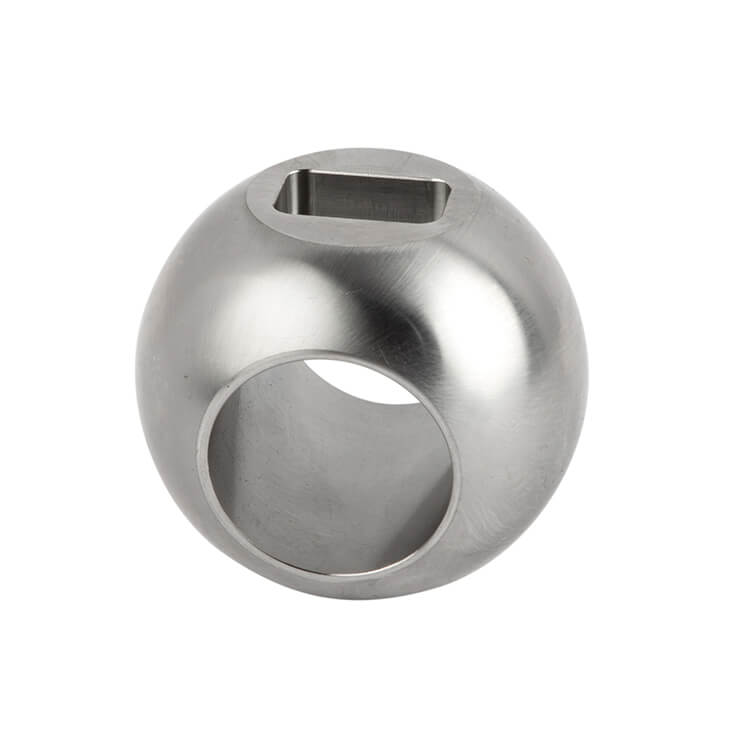
A Ball Valve Floating Ball consists of a spherical closure element that rotates within the valve body to control flow. Its design allows slight axial movement, which helps seal against downstream pressure. Key elements include the ball itself, seats, stem, and seals, all working together to ensure effective operation.
There are multiple types of floating ball valves, including standard, high-pressure, and anti-corrosion models. Each type is tailored for specific industrial conditions, such as high-pressure pipelines, chemical plants, or water treatment systems.
Optimized floating balls offer enhanced materials, tighter tolerances, and design improvements that reduce torque, improve sealing, and extend service life. Standard floating balls may be sufficient for lower pressure applications but can underperform in demanding systems.
Consider the system pressure, temperature, and fluid type when selecting a Ball Valve Floating Ball. Additional factors include compatibility with valve body materials, sealing requirements, and operational torque to ensure smooth operation.
Correct sizing is essential for system efficiency. Follow a floating ball valve sizing guide to match the ball diameter with pipeline dimensions, pressure ratings, and flow requirements. Oversized or undersized balls can cause leaks or operational inefficiency.
High-quality Ball Valve Floating Balls are made from corrosion-resistant metals or treated alloys. Material selection impacts longevity, resistance to wear, and compatibility with chemical or high-pressure fluids. Choosing certified, high-quality components ensures reliability.
For floating ball valves in high-pressure systems, the ball and seat must withstand significant force without compromising sealing. Optimized designs prevent leaks and minimize torque required for operation.
Ball geometry and seat design affect flow efficiency and floating ball valve performance optimization. Properly engineered balls reduce operational torque, enhance flow control, and increase system efficiency.
Regular inspection and lubrication help maintain the performance of your Ball Valve Floating Ball. Remove debris, check for wear, and ensure the stem and seats are properly aligned to prevent premature failure.
Follow manufacturer guidelines for valve alignment, stem connection, and seat placement. Proper installation minimizes stress on the floating ball valve and extends service life.
Use compatible materials and protective coatings to minimize corrosion and wear. Regular maintenance schedules help ensure high-quality Ball Valve Floating Balls continue operating reliably in industrial systems.
Whether operating manually or via automation, the Ball Valve Floating Ball should maintain low torque requirements and consistent performance. Automated systems benefit from precise sizing and material optimization.
Industrial ball valves with optimized floating balls are widely used in chemical plants, handling corrosive fluids with high pressure and flow stability requirements.
High-pressure pipelines in oil and gas require robust floating ball valves to ensure leak-proof operation and minimal maintenance over long operational periods.
In water treatment facilities, floating ball valves provide reliable flow control, efficient operation, and extended service life under varying pressures and flow conditions.
You now understand how to select the right Ball Valve Floating Ball for your industrial system. Proper sizing, material selection, and design optimization directly impact flow efficiency and longevity. For high-quality components and guidance, trust GOTEB products to ensure your industrial valves meet performance expectations while reducing maintenance costs.
How do I choose the right ball valve floating ball for my system?
Consider system pressure, fluid type, temperature, material compatibility, and valve sizing for optimal selection.
What are the main differences between standard and optimized floating balls?
Optimized balls offer better materials, tighter tolerances, reduced torque, and improved sealing compared to standard versions.
How do floating ball valve materials affect performance?
Materials determine durability, corrosion resistance, and pressure handling, directly impacting valve reliability and lifespan.
What maintenance tips improve floating ball valve longevity?
Regular inspection, lubrication, debris removal, and monitoring of stems and seats prevent premature wear and maintain efficiency.


 Optimized by Seraphinite Accelerator