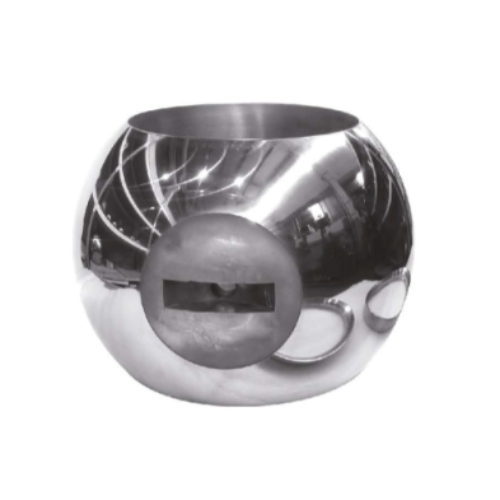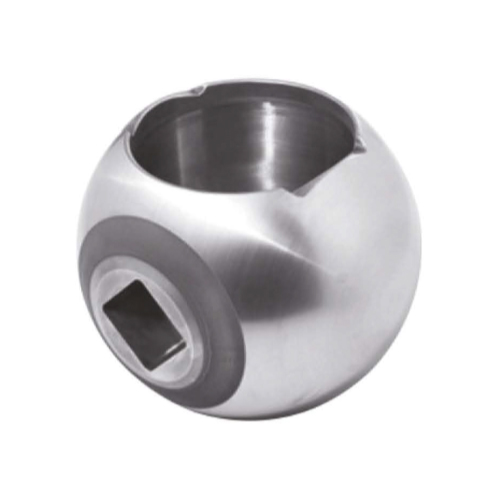


You rely on precise flow control to keep your industrial systems operating efficiently. Understanding how Ball Valve Floating Ball performance affects flow efficiency helps you select the right valve for your pipelines and maintain stable operations. This ensures optimal productivity and reduced maintenance costs.
Floating ball valves feature a movable ball held by two seats, allowing it to float slightly downstream under pressure. This design enables tight sealing and smooth flow control.
There are several types of floating ball valves, including standard, high-performance, and reinforced variants. Each type serves specific industrial requirements, from chemical plants to water utilities.
Optimized designs reduce torque, improve flow characteristics, and increase durability, making them ideal for high-pressure and high-flow systems.
Ball design directly affects flow rate. A well-engineered floating ball minimizes resistance and turbulence, ensuring consistent throughput across industrial pipelines.
Proper floating ball performance reduces operating torque, facilitating smoother valve operation and reducing wear on actuators and stems.
Material choice for the floating ball and seats influences corrosion resistance, strength, and lifespan. Durable materials maintain flow efficiency over time, even under harsh conditions.
Optimizing ball geometry, seat alignment, and port sizing can enhance flow efficiency while maintaining tight sealing and low torque.
A smooth surface finish reduces friction between the ball and seats, improving operational efficiency and reducing energy consumption.
High-performance floating ball valves are widely used in oil and gas pipelines, chemical plants, and high-pressure water systems where flow stability is critical.
Floating ball valves ensure precise chemical dosing, safe flow control, and minimal leakage in complex chemical processes.
High-performance floating balls maintain flow efficiency under extreme pressures, reducing operational risk and improving pipeline reliability.
Optimized floating ball valves help maintain consistent water flow, reducing energy usage and operational interruptions in municipal and industrial utilities.
Regular checks of the ball, seats, and stem prevent wear and maintain smooth flow. Cleaning and lubrication extend valve life.
Identifying issues such as sediment buildup or material corrosion early ensures efficient operation and avoids costly downtime.
Using high-quality floating ball valves and following maintenance schedules preserves flow efficiency and reduces total lifecycle costs.
You now understand how floating ball performance impacts flow efficiency in industrial systems. Choosing high-quality Ball Valve Floating Ball ensures optimal flow, torque control, and durability. For reliable solutions in chemical, oil & gas, and water systems, explore GOTEB for professional-grade floating ball valves.
How does floating ball performance affect flow efficiency?
A properly designed floating ball reduces turbulence and resistance, ensuring smooth and consistent flow.
What design factors influence floating ball valve flow?
Ball geometry, seat alignment, and port size are key for maintaining flow efficiency.
How do materials impact floating ball valve operation?
Durable, corrosion-resistant materials maintain performance under high pressure and harsh conditions.
Which industrial systems benefit most from high-performance floating ball valves?
Chemical plants, oil & gas pipelines, and water treatment systems see improved flow efficiency and reliability.


 Optimized by Seraphinite Accelerator