

You rely on reliable valves to ensure safety and efficiency in your high-pressure industrial systems. Choosing the right Ball Valve Floating Ball is critical for maintaining performance and reducing operational risks. Understanding how floating ball design impacts pressure, torque, and durability can help you make better procurement decisions.

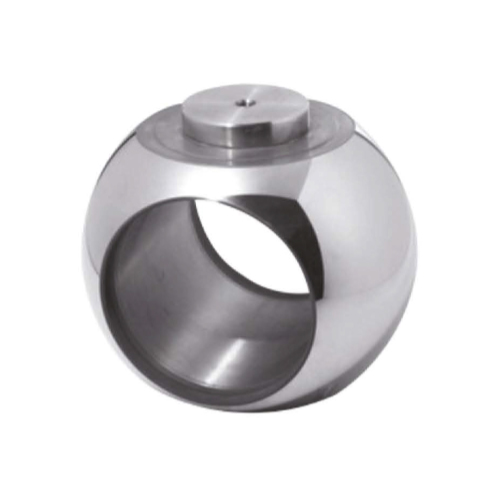
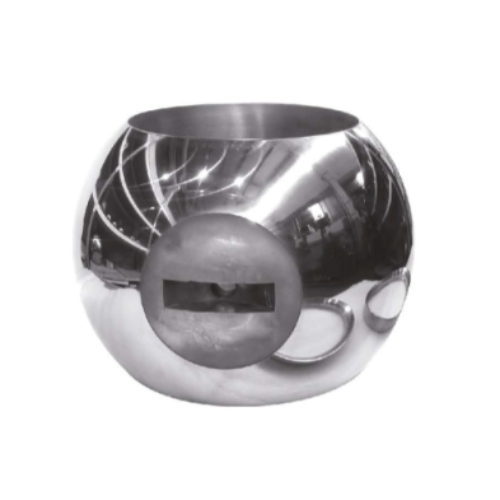
A floating ball valve features a movable ball held between two seats. Its structure allows for tight sealing under variable pressure while minimizing leakage and stress on the stem.
There are various types of floating balls, including standard, reinforced, and high-performance variants. Each type suits specific industrial applications, from chemical processing to water treatment.
Optimized floating ball designs focus on reduced torque, improved material strength, and enhanced flow control, offering better performance in demanding high-pressure conditions.
The design of the floating ball directly influences how a valve handles high pressures. Thicker walls, reinforced seats, and precise machining ensure that the valve meets required pressure ratings reliably.
Proper floating ball geometry reduces operating torque, preventing strain on stems and actuators. This is crucial in high-pressure industrial ball valves where consistent torque ensures safe operation.
Selecting the right materials for the floating ball and seats enhances corrosion resistance, strength, and longevity, ensuring the valve withstands harsh industrial environments.
Optimized floating ball valves maintain smooth flow with minimal pressure drop. Proper ball design reduces turbulence and keeps industrial processes stable.
High-quality floating balls with surface treatments resist wear and erosion, extending valve service life and reducing maintenance costs.
Regular inspection of floating ball valves for seat wear, lubrication, and surface condition ensures reliable long-term performance in high-pressure systems.
Consider reinforced structures, precision machining, and proper seat alignment when specifying valves to achieve optimal pressure handling and torque performance.
Advanced treatments such as hardening, plating, and smooth surface finishes reduce friction and enhance resistance to corrosion, especially in aggressive industrial media.
Follow proper installation techniques, torque settings, and operational procedures to maximize performance and avoid premature wear of floating ball valves.
High-pressure floating ball valves maintain process integrity and minimize leakage in chemical manufacturing, where precise flow control is critical.
These valves handle extreme pressures and reduce operational risk in upstream and downstream pipeline systems, offering reliable flow control and torque management.
Floating ball valves ensure stable water flow and pressure in utility networks, withstanding high operational loads while requiring minimal maintenance.
You now understand why selecting the right floating ball design is essential for high-pressure industrial applications. Choosing high-quality Ball Valve Floating Ball ensures optimal torque control, durability, and flow efficiency. For trusted industrial solutions, explore GOTEB for reliable floating ball valves that elevate your system’s performance.
Why does floating ball design matter in high-pressure applications?
It ensures valves can handle pressure safely, reduces torque on stems, and maintains tight sealing under extreme conditions.
How does material selection affect floating ball valve performance?
Proper materials resist corrosion, wear, and pressure-related stress, enhancing longevity and reliability.
What are the key torque control considerations for floating ball valves?
Ball geometry, seat alignment, and surface finish all influence torque and smooth operation.
Which industries benefit most from optimized floating ball valve design?
Chemical, oil & gas, water treatment, and other high-pressure industrial systems gain improved safety and efficiency.


 Optimized by Seraphinite Accelerator