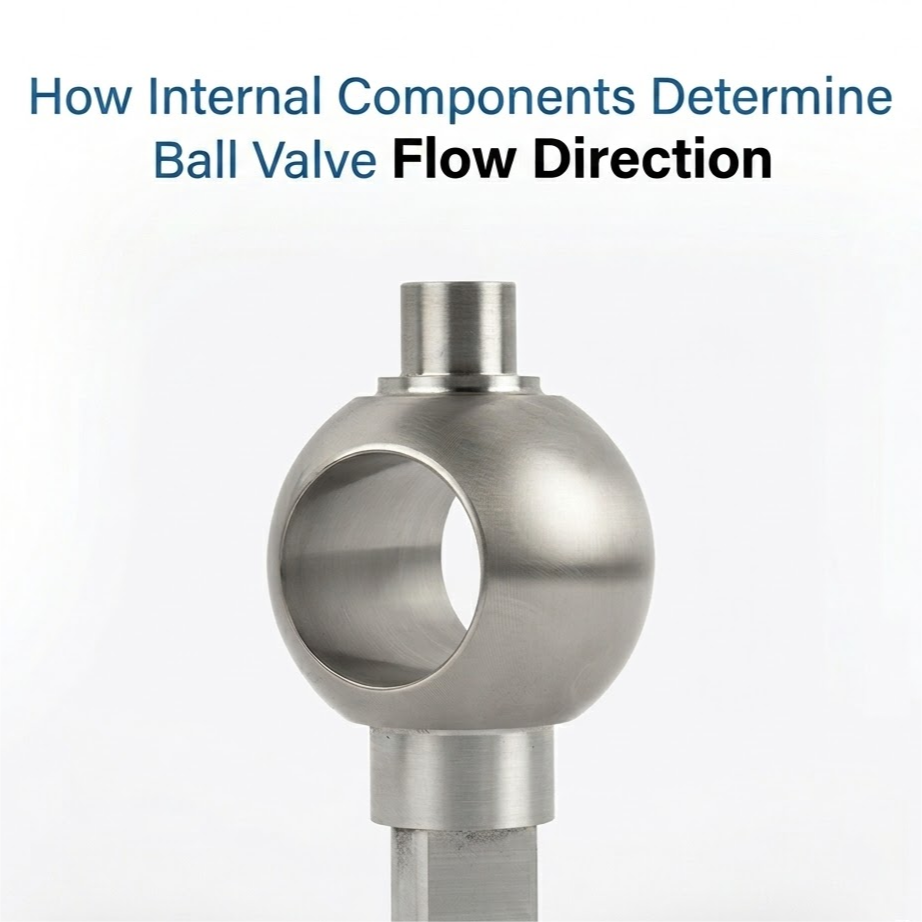


When operating industrial Ball Valve Stems, you may encounter a stem that binds or jams, making it difficult to open or close. You need smooth, reliable operation to maintain system efficiency and safety. Understanding the common causes of stem binding helps you prevent downtime and optimize your ball valve performance.
Exposure to moisture, chemicals, or harsh environments can cause corrosion on the Ball Valve Stems. Rust increases friction, leading to binding and higher operating torque.
Over time, wear or scratches on the stem surface or inside the packing area can create resistance. This is often accelerated by high-frequency operation or abrasive fluids.
Insufficient or incorrect lubrication increases friction between the stem and packing. Without proper lubrication, stems are prone to sticking or jamming during operation.
Tight packing or misaligned seals can squeeze the stem too tightly. This over-compression prevents smooth rotation and increases the effort required to operate the valve.
A stem installed at an angle or valves mounted improperly can cause binding. Accurate alignment is critical for smooth Ball Valve Stem movement.
Extreme temperatures may cause expansion or contraction of valve components. High system pressure can also increase friction around the stem, especially in poorly designed valves.
Inspect and clean the Ball Valve Stems regularly to remove corrosion, dirt, or deposits. Check for early signs of wear or damage to prevent serious binding.
Use the recommended lubricant for your valve type. Consistent lubrication reduces friction and prolongs stem life.
Ensure the valve stem is correctly aligned during installation. Proper torque on packing and adherence to manufacturer guidelines is essential.
Choosing high-quality stems and packing materials, like those used in Goteb industrial ball valves, reduces the risk of binding, improves durability, and enhances long-term performance.
Stem binding or jamming in Ball Valve Stems can disrupt your industrial operations, increasing maintenance costs and downtime. By understanding causes such as corrosion, wear, improper lubrication, misalignment, and extreme conditions, you can prevent issues and ensure smooth operation. For reliable solutions and high-quality ball valves, Goteb provides durable, well-designed valves suitable for demanding applications. Staying proactive with maintenance and material selection protects your system and improves performance.
What causes ball valve stems to bind?
Corrosion, wear, improper lubrication, tight packing, misalignment, and temperature or pressure changes can all lead to stem binding.
How can I prevent ball valve stems from jamming?
Regular maintenance, proper lubrication, correct alignment, and quality materials reduce the risk of binding.
Does stem material affect binding?
Yes, high-quality stems with appropriate materials resist corrosion and wear, minimizing sticking issues.
How often should I inspect valve stems?
Inspection frequency depends on usage and conditions, but regular checks prevent binding and maintain smooth operation.


 Optimized by Seraphinite Accelerator