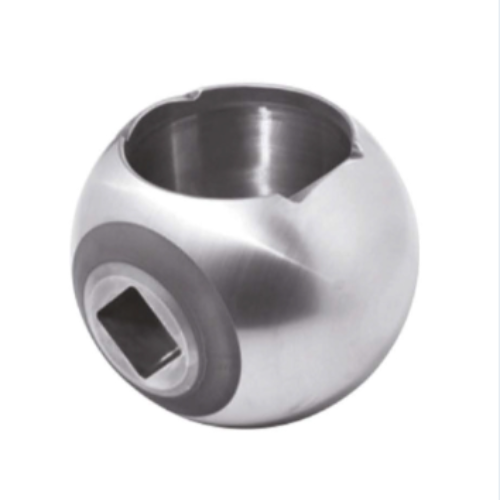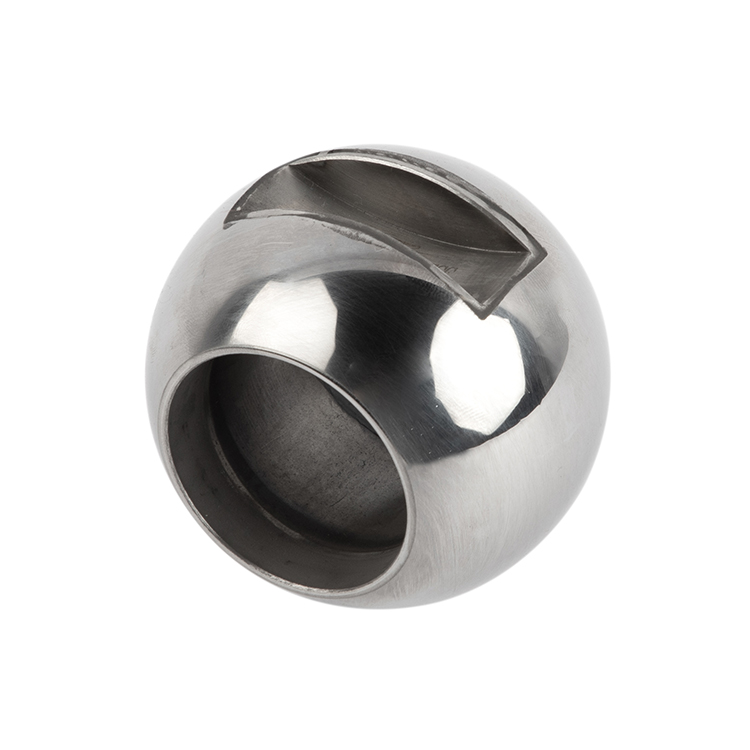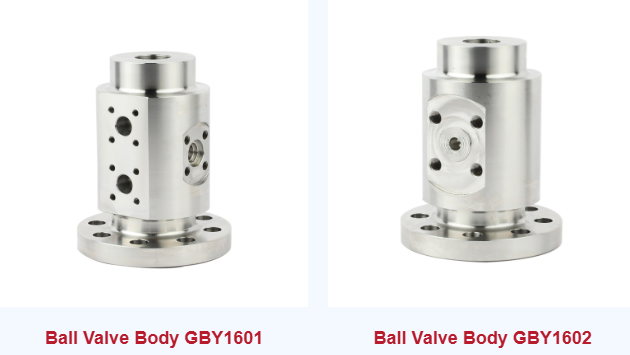


Choosing a reliable ball valve body manufacturer is important for distributors, valve manufacturers, engineering contractors, and industrial buyers that require consistent product quality and stable supply. The ball valve body is the main pressure-containing component of a ball valve, so its material, dimensional accuracy, manufacturing quality, and testing can directly affect the performance of the finished valve.
Different manufacturers may offer similar-looking ball valve bodies, but their production capabilities, quality-control procedures, material management, machining accuracy, and customization capabilities can vary significantly.
Before placing an order, buyers should evaluate the manufacturer’s manufacturing experience, material capabilities, production processes, inspection systems, certifications, testing procedures, customization services, and delivery capacity. This approach can help reduce quality risks and improve long-term supply reliability.

Manufacturing experience is one of the first factors to consider when evaluating a ball valve body supplier.
An experienced manufacturer is more likely to have established processes for material selection, casting or forging, CNC machining, heat treatment, surface finishing, inspection, and testing.
However, the number of years a company has been operating should not be the only consideration. Buyers should also look at the manufacturer’s experience with the specific types of ball valve bodies required.
For example, a manufacturer experienced in stainless steel ball valve bodies may have different capabilities from one specializing in high-pressure forged valve bodies or customized industrial components.
It is useful to ask about previous applications, commonly produced materials, valve sizes, pressure ratings, and production capabilities.
A reliable manufacturer should have experience working with materials suitable for different industrial environments.
Common ball valve body materials include:
Stainless steel
Carbon steel
Brass
Alloy steel
Other specialized alloys
The manufacturer should be able to clearly identify the material grade and provide relevant material documentation when required.
For example, stainless steel ball valve bodies may use grades such as 304 or 316 depending on the application. Carbon steel may be selected for certain industrial systems where mechanical strength and operating conditions are compatible with the material.
Material selection should always be based on the actual operating medium, pressure, temperature, and corrosion environment.
The manufacturing process has a direct influence on ball valve body quality.
Depending on the product design and material, a manufacturer may use casting, forging, machining from bar stock, or a combination of these processes.
A capable manufacturer should have suitable equipment and process controls for producing the required valve body configuration.
Important manufacturing capabilities may include:
Casting or forging
CNC machining
Drilling and threading
Heat treatment
Surface treatment
Precision grinding
Cleaning
Assembly
Pressure testing
Buyers should ask how critical dimensions are controlled and how the manufacturer maintains consistency between production batches.
Precision machining is particularly important for ball valve bodies because the body must work correctly with the ball, seats, stem, seals, and pipeline connections.
Critical areas may include the ball chamber, seat locations, stem opening, internal flow passage, threaded sections, flange faces, and weld ends.
A manufacturer with suitable CNC machining equipment can maintain tighter dimensional control and improve repeatability for large-volume production.
For customized ball valve bodies, machining capabilities are even more important because non-standard dimensions and special connection requirements may need to be produced according to customer drawings.
Quality control should be considered throughout the manufacturing process rather than only at the final inspection stage.
A reliable manufacturer should have procedures for controlling raw materials, production processes, machining accuracy, surface quality, and final product performance.
Quality-control activities may include:
Incoming material inspection
Material identification and traceability
Dimensional inspection
Visual inspection
Surface inspection
Pressure testing
Leakage testing
Non-destructive testing when required
Final inspection
Ask the manufacturer how inspection results are recorded and whether inspection reports can be provided with the order.
Ball valve bodies are pressure-containing components, so pressure and leakage testing are important when evaluating a manufacturer.
Depending on the valve design and applicable requirements, testing may include shell pressure testing and seat leakage testing.
The manufacturer should have suitable testing equipment and clearly defined acceptance criteria.
For industrial projects, buyers should also confirm which testing standards are followed and whether test records can be supplied.
This is particularly important for valves used in demanding applications such as chemical processing, oil and gas, water treatment, power generation, and other industrial systems.
Material traceability can be important for industrial valve applications where buyers need to verify the origin and grade of raw materials.
A manufacturer should have a system for identifying materials during production and linking them to the relevant production batch or order.
Depending on project requirements, documentation may include material certificates, heat numbers, batch information, inspection records, and other quality documents.
Good traceability can make it easier to investigate quality issues and maintain consistent documentation throughout the supply chain.
Certifications and compliance with applicable standards can provide useful information about a manufacturer’s quality-management and production systems.
Depending on the market and application, buyers may need products that comply with specific valve, material, dimensional, pressure, or testing standards.
Instead of checking certifications only by name, buyers should confirm whether the certification applies to the relevant manufacturing facility, product range, and current production activities.
It is also important to distinguish between company-level management certifications and product-specific approvals or test requirements.
Standard ball valve bodies may not meet every industrial application’s requirements.
A capable manufacturer should be able to evaluate customized requirements such as:
Non-standard dimensions
Special materials
Customized port sizes
Different pressure ratings
Special connection types
Customized body configurations
Surface finish requirements
Special marking
Customer-specific drawings
For customized orders, buyers should provide accurate technical drawings, samples, material requirements, operating conditions, and applicable standards.
The manufacturer should then confirm the technical feasibility, production process, tolerances, testing requirements, and expected lead time before production begins.
Production capacity is important when purchasing ball valve bodies in large quantities or on a recurring basis.
A manufacturer may be able to produce high-quality samples but have limited capacity for large-volume orders. Buyers should therefore evaluate available machining equipment, production lines, workforce, inspection resources, and production planning capabilities.
For long-term supply relationships, consistent capacity can help reduce delays and maintain stable delivery schedules.
It is also useful to ask whether the manufacturer has experience handling repeat orders with consistent specifications and batch-to-batch quality.
A competitive price is not useful if products cannot be delivered according to the project schedule.
Before placing an order, buyers should clarify production lead time, raw material availability, machining time, inspection procedures, packaging requirements, and shipping arrangements.
For customized ball valve bodies, lead time may be affected by tooling, material procurement, sample approval, and production testing.
A manufacturer that communicates clearly about production schedules can help buyers plan inventory and project deliveries more effectively.
Good communication is particularly important for customized industrial components.
A reliable ball valve body manufacturer should be able to understand technical drawings, specifications, material requirements, dimensional tolerances, and application conditions.
The manufacturer should also communicate clearly when a specification needs clarification or when a proposed design may require adjustment.
Technical communication before production can help prevent problems caused by misunderstandings regarding dimensions, materials, connection types, or testing requirements.
When possible, buyers can request samples before committing to a large production order.
Sample evaluation can provide an opportunity to check:
Material identification
Dimensions
Machining quality
Surface finish
Connection accuracy
Marking
Packaging
Required documentation
For customized products, sample approval can also provide a reference for subsequent mass production.
The approved sample and technical drawings should ideally be clearly documented so that future batches can be produced according to the same requirements.
Price is an important purchasing factor, but the lowest quotation does not necessarily represent the lowest overall cost.
A ball valve body with inconsistent dimensions, poor surface quality, inadequate material control, or unreliable delivery may create additional costs through rejected products, production delays, rework, or replacement.
When comparing manufacturers, consider the total purchasing cost, including product price, inspection requirements, tooling, packaging, transportation, quality risks, and potential after-sales costs.
A supplier offering consistent quality and reliable delivery may provide greater long-term value even if the initial unit price is not the lowest.
Before selecting a ball valve body manufacturer, buyers can prepare a technical checklist.
Useful questions include:
What materials and grades can you manufacture?
Which manufacturing processes are available?
What valve body sizes and pressure ratings can you produce?
What CNC machining capabilities do you have?
How do you control critical dimensions?
What pressure and leakage tests are available?
Can you provide material certificates?
How is material traceability maintained?
Can you manufacture according to customer drawings?
What certifications and standards do your products meet?
What is the normal production lead time?
What is your production capacity for repeat orders?
The answers can provide a clearer picture of whether the manufacturer is suitable for the project.
Choosing a reliable ball valve body manufacturer requires a comprehensive evaluation of manufacturing capabilities, material control, machining accuracy, quality assurance, testing, certifications, customization, production capacity, and delivery reliability.
Buyers should look beyond product appearance and unit price. A suitable manufacturer should be able to provide consistent materials, controlled manufacturing processes, accurate machining, appropriate inspection, reliable documentation, and stable production capacity.
For standard or customized ball valve bodies, clearly communicating technical requirements and evaluating samples, quality records, and manufacturing capabilities before bulk production can help establish a more reliable supply relationship.
By taking these factors into account, industrial buyers can make a more informed supplier selection and build a stable sourcing process for their ball valve body requirements.
Key factors include manufacturing experience, material capabilities, CNC machining equipment, quality-control procedures, pressure testing, certifications, customization capabilities, production capacity, and delivery reliability.
What materials can a ball valve body manufacturer produce?
Common materials include stainless steel, carbon steel, brass, alloy steel, and other specialized alloys. The available materials depend on the manufacturer’s production capabilities and the requirements of the application.
How can I verify the quality of a ball valve body manufacturer?
Buyers can review manufacturing processes, quality-control procedures, inspection equipment, testing capabilities, material certificates, certifications, traceability systems, and product samples before placing a bulk order.
Why is CNC machining important for ball valve body manufacturing?
CNC machining helps achieve accurate dimensions and consistent tolerances for critical areas such as the ball chamber, seat locations, stem opening, flow passage, threads, and connection surfaces.
What tests should a ball valve body manufacturer provide?
Depending on the application and applicable standards, manufacturers may provide dimensional inspection, material verification, shell pressure testing, seat leakage testing, visual inspection, and non-destructive testing when required.


 Optimized by Seraphinite Accelerator