
Ball valve component failure can affect fluid control, cause leakage, interrupt industrial operations, and increase maintenance costs. Ball valves are widely used in oil and gas, chemical processing, water treatment, power generation, food processing, and other industries because of their compact structure and reliable shutoff capabilities. However, their performance depends on the condition and compatibility of individual components, including the valve body, ball, stem, seats, seals, and operating mechanism.
Component failures can result from corrosion, excessive pressure or temperature, material incompatibility, mechanical wear, improper installation, or inadequate maintenance. In some cases, a small defect in one component can affect the entire valve assembly, leading to reduced sealing performance, increased operating torque, or unexpected downtime.
Understanding the common causes of ball valve component failure helps engineers, maintenance teams, purchasing professionals, and manufacturers identify risks and implement effective preventive measures. This guide explains the major failure types, their causes, and practical ways to improve ball valve reliability.

Ball valve failures can occur in different forms depending on the component, operating environment, and maintenance conditions.
The most common types include:
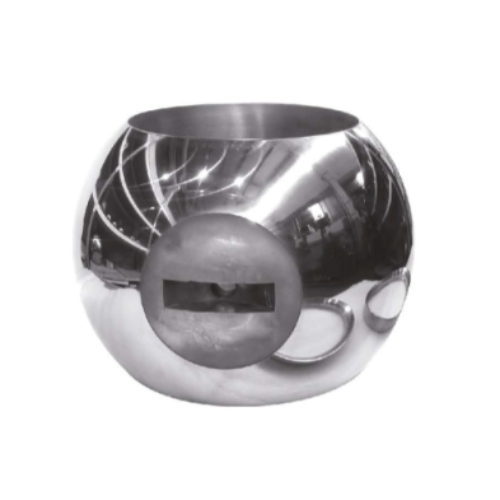
Ball wear or surface damage: Scratches, corrosion, or deformation can affect the contact between the ball and the seats.
Stem damage: Excessive torque, corrosion, or mechanical stress can cause stem deformation or failure.
Seat deterioration: Wear, chemical attack, or excessive temperature can reduce sealing performance.
Seal and packing leakage: Aging, damage, incorrect installation, or unsuitable materials can allow fluid to escape.
Valve body damage: Corrosion, erosion, excessive loading, or operation beyond the specified limits can compromise structural integrity.
Actuator or handle problems: Insufficient torque, damaged drive connections, or operating mechanism failures can prevent the valve from reaching the intended position.
Identifying the specific failure type is important because similar symptoms may have different underlying causes. For example, leakage through a closed valve may result from damaged seats, contamination trapped between the ball and seats, or incorrect operating conditions. A systematic inspection is therefore preferable to replacing components without determining the cause.
Corrosion is a major cause of ball valve component deterioration, particularly in applications involving aggressive chemicals, chloride-containing fluids, moisture, or corrosive gases.
The valve body, ball, stem, and other metal components may experience general corrosion, localized pitting, or other forms of material degradation. Corrosion can reduce component dimensions, damage sealing surfaces, weaken structural integrity, and increase the risk of leakage.
Material incompatibility can also affect nonmetallic components. Certain chemicals may cause polymer seats or elastomeric seals to swell, harden, soften, or lose their mechanical properties.
How to Prevent Corrosion-Related Failure
Select materials according to the actual chemical composition of the medium, operating temperature, pressure, and environmental conditions. Stainless steel grades such as 304 and 316 are common choices for many applications, but their suitability must be verified against the specific service environment.
For more demanding conditions, specialized alloys or alternative sealing materials may be required. Buyers should also confirm material specifications and request appropriate material documentation for critical components.
Routine inspection can help identify early signs of corrosion, discoloration, pitting, or surface deterioration before the damage affects valve performance.
Operating a ball valve beyond its specified pressure or temperature limits can accelerate component deterioration and create serious safety risks.
High pressure can increase the loads acting on the ball, seats, stem, body, and sealing interfaces. Depending on the design, excessive loads may contribute to seat deformation, increased operating torque, seal damage, or structural failure.
High temperatures can also affect sealing materials. Some polymer seats may soften or lose dimensional stability, while elastomers may harden or deteriorate under unsuitable thermal conditions. Low temperatures can make certain materials less flexible or more susceptible to brittle behavior.
Rapid temperature changes and pressure fluctuations may introduce additional thermal or mechanical stresses.
How to Prevent Pressure- and Temperature-Related Failure
Confirm that the complete valve assembly is suitable for the intended operating pressure and temperature range. The allowable pressure may vary with temperature, material, valve design, and applicable standards, so the nominal pressure rating alone may not provide sufficient information.
Avoid operating the valve beyond its specified limits, and select seats and seals that can withstand the actual service conditions. Where pressure surges or temperature cycling are expected, assess these conditions during valve selection and system design.
Pressure testing and inspection should follow the applicable procedures and safety requirements.
The ball and seats form the primary sealing interface in a typical shutoff ball valve. Their condition directly affects leakage performance and operating torque.
Repeated operation can gradually wear the contact surfaces. Abrasive particles in the medium may scratch the ball or damage the seats, while deposits and contamination can interfere with proper sealing.
Inappropriate material combinations, poor surface finish, misalignment, or unsuitable operating conditions may also accelerate wear. In some applications, operating a valve partially open when it is not designed for throttling can expose components to unfavorable flow conditions and increase the risk of damage.
How to Prevent Ball and Seat Wear
Choose ball and seat materials that match the medium, pressure differential, temperature, and expected operating frequency. Where contamination or suspended particles are present, assess whether the valve design and seat arrangement are suitable for the service.
Maintain the specified surface quality and dimensional accuracy during manufacturing. During maintenance, inspect the ball and seats for scratches, deformation, deposits, and other damage.
If the valve is intended primarily for on-off service, avoid using it for continuous flow regulation unless the manufacturer confirms that the design is suitable for that purpose.
The ball valve stem transmits rotational force from the handle or actuator to the ball. Stem failure may occur when the component experiences excessive torque, repeated mechanical stress, corrosion, poor material selection, or manufacturing defects.
An actuator that applies more torque than the stem or drive connection can safely withstand may cause deformation or damage. Conversely, insufficient actuator torque may prevent the ball from reaching its fully open or closed position.
Excessive operating torque can also result from seat wear, contamination, improper assembly, or unsuitable pressure conditions. Repeatedly forcing a stiff valve to operate may worsen the damage.
How to Prevent Stem-Related Failure
Select stem materials with suitable mechanical strength and corrosion resistance. Ensure that dimensions, drive geometry, and connections meet the approved specifications.
The actuator should be sized according to the valve’s actual torque requirements, including relevant operating conditions and an appropriate engineering margin. During installation and maintenance, investigate abnormal resistance rather than applying excessive force.
Regular checks of operating torque, stem movement, and actuator performance can help detect developing problems before a component fails.
Seals, O-rings, and stem packing help prevent fluid from escaping through body joints and around the stem. Their performance depends on material compatibility, installation quality, compression, temperature, and pressure.
Common causes of sealing failure include:
Chemical attack or thermal degradation.
Aging, hardening, or loss of elasticity.
Scratches or damage to sealing surfaces.
Incorrect seal dimensions or material selection.
Improper installation or excessive packing compression.
Loose or incorrectly assembled body connections.
External leakage around the stem may indicate packing deterioration or a problem with the stem sealing arrangement. Leakage from a body joint may point to a damaged gasket, incorrect assembly, or a connection issue. Internal leakage through a closed valve may instead involve the ball, seats, contamination, or operating conditions.
How to Prevent Seal and Packing Failure
Select sealing materials according to the fluid, temperature, pressure, and required service life. Confirm the specified dimensions and installation procedures, and avoid excessive compression that could damage the packing or increase operating torque.
Inspect seals and packing at appropriate maintenance intervals. Replace damaged or degraded parts with compatible components that meet the valve manufacturer’s specifications.
If leakage occurs, identify its source before deciding which component to replace. For hazardous fluids or pressurized systems, isolate and depressurize the equipment according to approved safety procedures before inspection or maintenance.
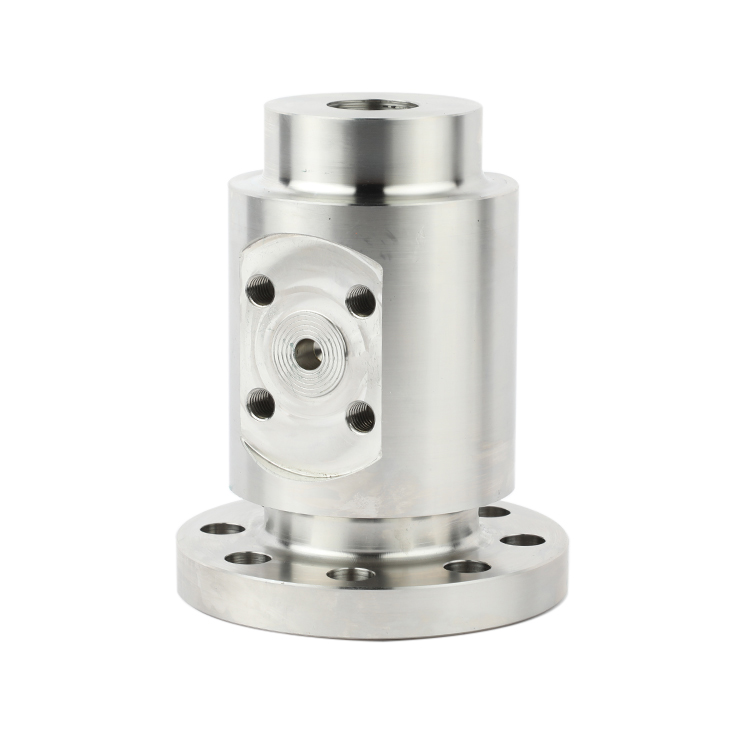
The valve body provides structural support and contains the internal components under operating pressure. Body failure can result from corrosion, erosion, mechanical impact, excessive piping loads, manufacturing defects, or operation outside the design limits.
Manufacturing issues may include incorrect dimensions, casting defects, machining errors, unsuitable materials, or poor surface preparation. These problems can affect assembly, pressure integrity, and the alignment of internal components.
Installation conditions also matter. Excessive external loads from unsupported piping, misaligned connections, or inappropriate installation practices may place additional stress on the valve body and connected components.
How to Prevent Valve Body Failure
Use materials and body designs suitable for the intended application. Manufacturers should apply appropriate material verification, dimensional inspection, and defect-detection procedures based on the component and its criticality.
During installation, follow the manufacturer’s instructions and ensure that the piping system is properly aligned and supported. Avoid using the valve as a substitute for a pipe support or forcing misaligned connections into place.
For pressure-containing components, inspection and testing must follow the applicable design standards and acceptance criteria.
Even high-quality ball valve components can fail prematurely if they are installed or assembled incorrectly. Common issues include incorrect flow-direction arrangements where the design requires a specific orientation, unsuitable mounting, contamination inside the valve, incorrect fastener tightening, and damaged sealing surfaces.
Assembly errors can create uneven loading, misalignment, excessive operating torque, or leakage at connection points. Incorrect actuator installation may also prevent the valve from achieving its intended operating positions.
How to Prevent Installation-Related Failure
Follow the manufacturer’s installation and assembly instructions. Before installation, check the valve model, connection dimensions, material compatibility, and operating requirements.
Keep internal components clean and protect sealing surfaces from scratches or impact. Use the specified fasteners and tightening procedures, and verify actuator alignment and operation after assembly.
Where required, perform the prescribed functional, pressure, and leakage tests before placing the system into service. Testing must be conducted by qualified personnel using appropriate procedures and equipment.
Insufficient maintenance can allow wear, corrosion, contamination, and seal deterioration to progress unnoticed. At the same time, replacing damaged parts with components that appear similar but do not meet the original specifications can introduce new problems.
For example, an incorrectly sized ball may not contact the seats as intended. An unsuitable stem may have inadequate mechanical strength or incompatible drive geometry, while a replacement seal made from the wrong material may deteriorate rapidly in service.
How to Prevent Maintenance-Related Failure
Establish a maintenance schedule based on the valve design, operating environment, service criticality, and manufacturer’s recommendations. Inspect for leakage, abnormal operating torque, corrosion, vibration, and visible damage.
When replacing components, verify the valve model, part number, material grade, dimensions, tolerances, and sealing requirements. Use approved drawings or specifications rather than relying only on visual similarity.
For critical applications, maintain records of inspections, component replacements, test results, and recurring failure patterns. These records help identify root causes and improve future maintenance decisions.
Manufacturing quality plays a major role in the reliability of ball valve components. Consistent material properties, accurate dimensions, suitable surface finishes, and controlled assembly procedures help reduce the likelihood of premature failure.
A comprehensive quality-control process may include several stages.
Material verification: Confirm that raw materials meet the specified grades and requirements. Appropriate certificates and traceability records help establish material identity.
Dimensional inspection: Measure critical dimensions and tolerances to ensure that components fit the approved design.
Surface-finish inspection: Check important sealing and contact surfaces for defects that may affect wear, friction, or leakage performance.
Assembly inspection: Verify component compatibility, alignment, fastening, and operating movement.
Pressure and leakage testing: Test the completed valve according to applicable standards and specified acceptance criteria. Component-level checks and finished-valve tests should be distinguished because they verify different aspects of performance.
For OEM projects, buyers should define quality requirements before production begins. Technical drawings, approved samples, inspection plans, and documented acceptance criteria help manufacturers maintain consistency across production batches.
The decision to repair or replace a component depends on the type of damage, the valve design, the manufacturer’s instructions, and the safety requirements of the application.
Seats, packing, and certain seals may be replaceable during routine maintenance if the valve is designed for servicing and the correct parts are available. A damaged stem or ball may also be replaceable in some designs, provided that the replacement meets the required specifications.
However, cracks, serious corrosion, deformation, or other damage affecting a pressure-containing body require careful evaluation. The valve should not be returned to service if its structural integrity or compliance with the applicable requirements cannot be confirmed.
When a valve repeatedly develops the same problem, replacing the damaged component alone may not be sufficient. The underlying cause may involve incorrect material selection, excessive pressure, contamination, actuator sizing, or installation conditions.
A documented root-cause investigation can help determine whether repair, component replacement, valve redesign, or a change in operating conditions is the most appropriate response.
Ball valve component failure can result from corrosion, excessive pressure or temperature, ball and seat wear, stem damage, sealing problems, manufacturing defects, improper installation, and inadequate maintenance. Because the valve operates as an integrated assembly, a problem with one component can affect the performance and reliability of the entire system.
Preventing these failures requires suitable material selection, accurate manufacturing, correct installation, regular inspection, and replacement parts that meet the original technical specifications. Quality control and systematic root-cause analysis are equally important for reducing recurring problems and improving service life.
For industrial buyers and OEM manufacturers, working with a reliable ball valve components supplier helps ensure consistent materials, dimensional accuracy, and documented inspection procedures. By identifying risks early and applying preventive measures, businesses can reduce unplanned downtime, maintenance costs, and the likelihood of leakage or component damage.
1. What are the most common causes of ball valve component failure?
The most common causes include corrosion, excessive pressure or temperature, ball and seat wear, stem damage, seal deterioration, improper installation, and inadequate maintenance. Poor material selection and manufacturing defects can also reduce component reliability.
2. Why does a ball valve leak when it is closed?
A ball valve may leak internally because of damaged seats, scratches on the ball, trapped debris, wear, or unsuitable operating conditions. External leakage may result from deteriorated stem packing, damaged O-rings, or improperly sealed body connections. Identifying the leakage source is essential before replacing components.
3. How can ball valve seat failure be prevented?
Select seat materials compatible with the operating medium, pressure, and temperature. Maintain appropriate manufacturing tolerances and surface finishes, prevent contamination where possible, and inspect the seats regularly for wear, deformation, or chemical damage.
4. What causes a ball valve stem to break?
A ball valve stem may break because of excessive operating torque, corrosion, repeated mechanical stress, unsuitable material selection, or manufacturing defects. Correct actuator sizing, appropriate stem materials, and regular inspection help reduce the risk of failure.
5. How does corrosion affect ball valve components?
Corrosion can damage the valve body, ball, stem, and other metal parts. It may weaken structural integrity, deteriorate sealing surfaces, and increase the risk of leakage. Selecting corrosion-resistant materials suited to the actual medium and environment is essential for preventing premature failure.


 Optimized by Seraphinite Accelerator