

Selecting the right flanged ball valve is essential for ensuring reliable fluid control, pipeline safety, and long-term operating efficiency in industrial systems. Flanged ball valves are widely used because of their secure bolted connections, convenient installation, and relatively easy maintenance. However, different applications require different valve materials, pressure ratings, connection standards, and sealing configurations.
For engineers, distributors, contractors, and purchasing professionals, choosing a suitable flanged ball valve involves more than comparing product prices or nominal sizes. Operating conditions, fluid characteristics, installation requirements, and manufacturing quality all influence valve performance.

The first factor to consider is the type of fluid passing through the valve. Different media have different chemical properties, temperatures, and contamination levels, which can affect the valve body’s durability and sealing performance.
For example, water systems generally have different material requirements from chemical processing pipelines. Applications involving corrosive fluids may require stainless steel or other corrosion-resistant materials.
When evaluating the operating medium, consider:
Fluid Composition: Identify whether the medium is water, oil, gas, chemicals, or another industrial fluid.
Corrosiveness: Determine whether the fluid may cause corrosion or chemical degradation.
Viscosity: Consider whether the medium contains thick liquids, suspended particles, or other substances that may affect valve operation.
Cleanliness: Check whether the application involves clean fluids, wastewater, or media containing solid particles.
Understanding these characteristics helps determine the appropriate valve body, ball, seat, and sealing materials.
Material selection directly affects the corrosion resistance, mechanical strength, and service life of a flanged ball valve.
Common materials include stainless steel, carbon steel, and other alloy materials. Each has different characteristics and application requirements.
| Material | Main Characteristics | Typical Applications |
| Stainless Steel 304 | Good general corrosion resistance and durability | Water systems and general industrial applications |
| Stainless Steel 316 | Improved resistance to many corrosive environments | Chemical processing and marine-related applications |
| Carbon Steel | High mechanical strength and cost efficiency | Oil, gas, and general industrial pipelines |
| Alloy Steel | Designed for specific demanding mechanical and temperature conditions | Specialized industrial systems |
In addition to the valve body, buyers should also evaluate the material of the ball, stem, seats, and gaskets. These components must be compatible with the operating medium to maintain reliable performance.
Pressure and temperature ratings are critical specifications when selecting a flanged ball valve. The valve must withstand the operating conditions of the pipeline without experiencing structural deformation, leakage, or premature component failure.
Before purchasing, confirm the following parameters:
Working Pressure: Determine the normal and maximum operating pressure of the pipeline. Select a valve with an appropriate pressure rating for the intended service.
Operating Temperature: Consider both minimum and maximum temperatures. Temperature changes can affect material strength, gasket performance, and seat sealing characteristics.
Pressure Fluctuations: Systems exposed to frequent pressure changes or water hammer may require additional design considerations.
Pressure-Temperature Relationship: A valve’s allowable working pressure may decrease as operating temperature increases. Always consult the manufacturer’s pressure-temperature rating information rather than relying on nominal pressure class alone.
Correct pressure and temperature selection helps reduce the risk of valve failure and improves overall system safety.
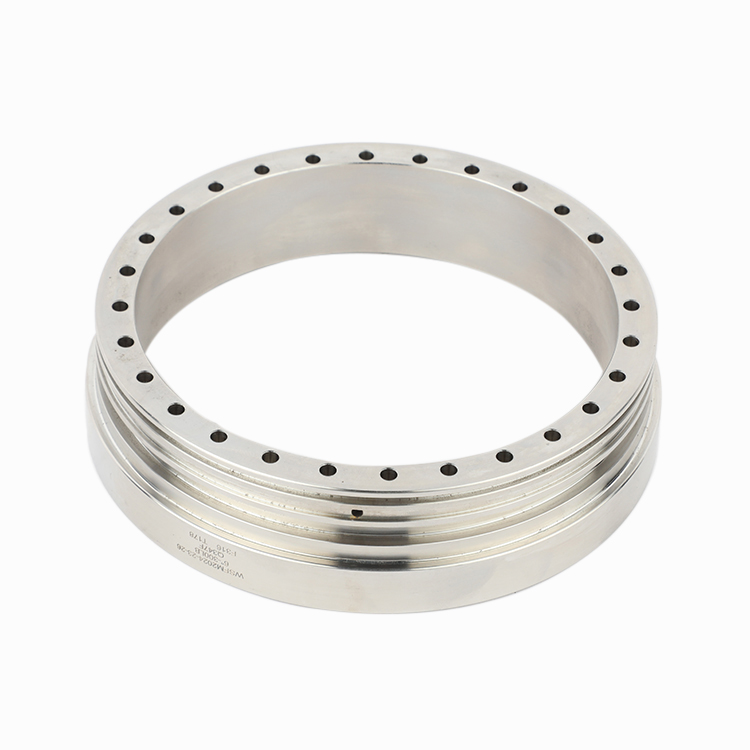
Flanged ball valves are manufactured according to different flange standards. Ensuring compatibility between the valve and pipeline is essential for successful installation.
Common flange standards include:
ANSI/ASME: Widely used in North American industrial piping systems.
DIN: Commonly found in European industrial applications.
JIS: Frequently used in Japanese and other Asian industrial markets.
These standards may differ in flange dimensions, bolt-hole arrangements, pressure classes, and sealing face configurations.
Buyers should verify the nominal diameter, flange outside diameter, bolt circle, number of bolt holes, and flange facing before placing an order.
Choosing the correct flange standard helps prevent installation difficulties and reduces the risk of connection leakage.
The port design determines the flow passage through the ball valve and can influence fluid capacity and pressure loss.
Two common configurations are full-port and reduced-port designs.
Full-Port Ball Valve: The ball opening is approximately the same diameter as the connected pipeline’s internal flow passage. This design helps minimize flow restriction and is suitable for applications requiring high flow capacity or pipeline pigging compatibility.
Reduced-Port Ball Valve: The ball opening is smaller than the pipeline’s nominal internal flow passage. It generally offers a more compact and economical configuration but creates additional flow resistance.
The choice depends on flow requirements, pipeline design, available installation space, and system pressure-loss considerations.
Sealing performance is another important consideration because it directly affects leakage prevention and operational safety.
Flanged ball valves typically use soft seats, metal seats, and other sealing arrangements depending on their design and application.
Common seat materials include PTFE, reinforced PTFE, and PEEK. Different materials provide different levels of chemical resistance, temperature tolerance, and mechanical performance.
When selecting a sealing configuration, consider:
Compatibility between the sealing material and the process medium.
Operating pressure and temperature.
Required leakage performance.
Frequency of valve operation.
Potential wear caused by suspended particles or abrasive media.
The gasket used for the flange connection should also be selected according to the fluid characteristics and operating conditions.
Choosing the correct valve size is essential for maintaining the required flow capacity and ensuring compatibility with the pipeline.
Nominal pipe size alone is not always sufficient to determine the best valve configuration. Engineers should also consider the required flow rate, pressure drop, fluid velocity, and valve flow characteristics.
An undersized valve may restrict flow and increase pressure loss, while an oversized valve may increase purchasing costs and create unnecessary installation challenges.
When selecting the valve size, confirm:
Nominal diameter (DN or NPS).
Required flow rate.
Pipeline connection dimensions.
Face-to-face dimensions.
Available installation space.
For applications with specific flow requirements, consulting the valve manufacturer’s technical team can help identify a suitable configuration.
Flanged ball valves are available with different operating mechanisms to suit various control requirements.
Manual Operation: Manual ball valves typically use a lever handle or gearbox. They are suitable for applications where valve operation is occasional and manual access is convenient.
Pneumatic Actuation: Pneumatically actuated ball valves use compressed air to operate the valve. They are commonly used in automated industrial processes requiring rapid operation.
Electric Actuation: Electric actuators provide motor-driven operation and can be integrated into automated control systems. They are suitable for applications requiring remote operation or integration with industrial control equipment.
When selecting an operating method, consider operating frequency, required opening and closing time, available power sources, automation requirements, and maintenance capabilities.
Installation conditions can influence the selection of a flanged ball valve, especially in industrial systems with limited space or complex pipeline arrangements.
Before purchasing, evaluate the valve’s overall dimensions, face-to-face length, weight, flange orientation, and actuator clearance.
Maintenance accessibility is equally important. Flanged connections generally allow easier valve removal than permanent welded connections, but the surrounding pipeline must provide sufficient space for bolt removal and equipment handling.
Other considerations include:
Accessibility of the handle or actuator.
Availability of replacement seats and sealing components.
Ease of inspection and disassembly.
Manufacturer maintenance instructions.
Availability of technical support and spare parts.
Considering these requirements during the selection stage can reduce future maintenance costs and unplanned downtime.
The quality of a flanged ball valve depends heavily on its materials, manufacturing processes, assembly precision, and inspection procedures.
When comparing manufacturers, buyers should pay attention to several important aspects.
Manufacturing Capabilities: Check whether the manufacturer has suitable machining equipment, production facilities, and technical expertise to produce valves according to the required specifications.
Material Traceability: Reliable suppliers should be able to provide material documentation and relevant certificates when required.
Quality Control: Evaluate whether the manufacturer performs dimensional inspections, pressure tests, sealing checks, and other applicable quality inspections.
Industry Standards: Confirm that the valve design, manufacturing, and testing comply with the standards specified for the project, such as applicable API, ASME, or ISO requirements.
Customization Services: For special applications, manufacturers should be able to provide customized materials, dimensions, pressure ratings, and actuator configurations.
Working with an experienced manufacturer helps buyers obtain products that meet technical requirements and maintain consistent quality.
Selecting the right flanged ball valve requires careful evaluation of operating media, material compatibility, pressure and temperature ratings, flange standards, port design, sealing performance, and installation requirements.
For industrial buyers, understanding these factors can help avoid connection mismatches, leakage problems, premature wear, and unnecessary maintenance expenses.
In addition to technical specifications, manufacturer experience, quality control procedures, certifications, and customization capabilities should also be considered. Choosing a reliable flanged ball valve supplier helps ensure stable valve performance and long-term reliability across different industrial piping applications.
1.What factors should be considered when selecting a flanged ball valve?
Key factors include operating medium, valve material, pressure and temperature ratings, flange standards, valve size, sealing performance, port design, and operation method.
2.What materials are commonly used for flanged ball valves?
Common materials include stainless steel 304, stainless steel 316, carbon steel, and alloy steel. The appropriate material depends on fluid characteristics, corrosion resistance, pressure, and temperature requirements.
3.What are the common flange standards for flanged ball valves?
Common standards include ANSI/ASME, DIN, and JIS. Buyers should confirm flange dimensions, bolt-hole patterns, pressure classes, and facing types to ensure pipeline compatibility.
4.What is the difference between full-port and reduced-port flanged ball valves?
A full-port ball valve has a flow opening approximately equal to the pipeline’s internal diameter, helping minimize flow restriction. A reduced-port valve has a smaller opening, which creates additional flow resistance but may offer a more compact and economical design.
5.How do I choose the correct pressure rating for a flanged ball valve?
Determine the pipeline’s maximum operating pressure and temperature, then select a valve with an appropriate pressure-temperature rating. Consider pressure fluctuations and applicable industry standards as well.


 Optimized by Seraphinite Accelerator