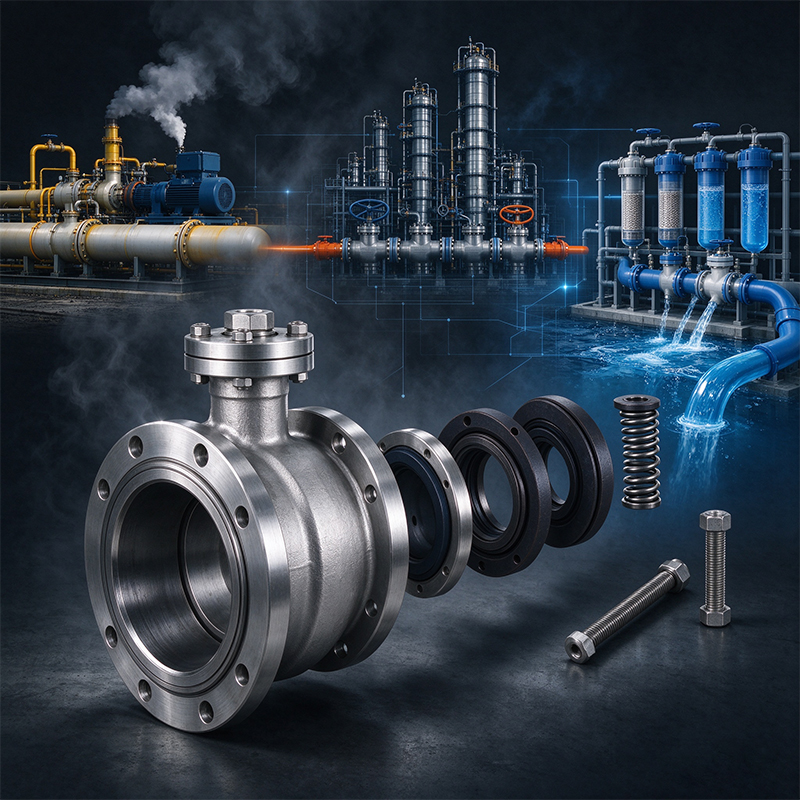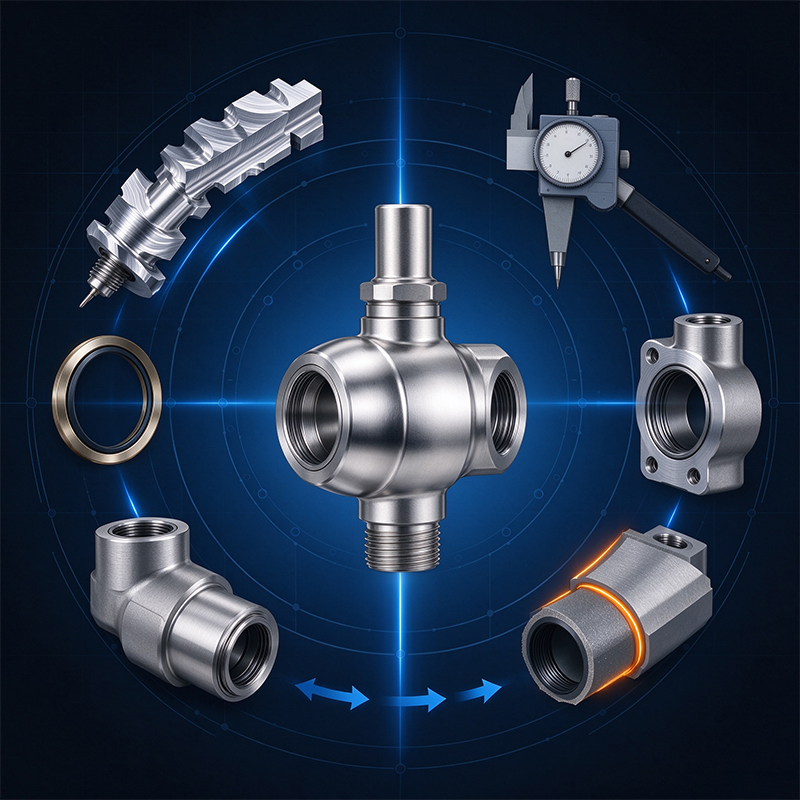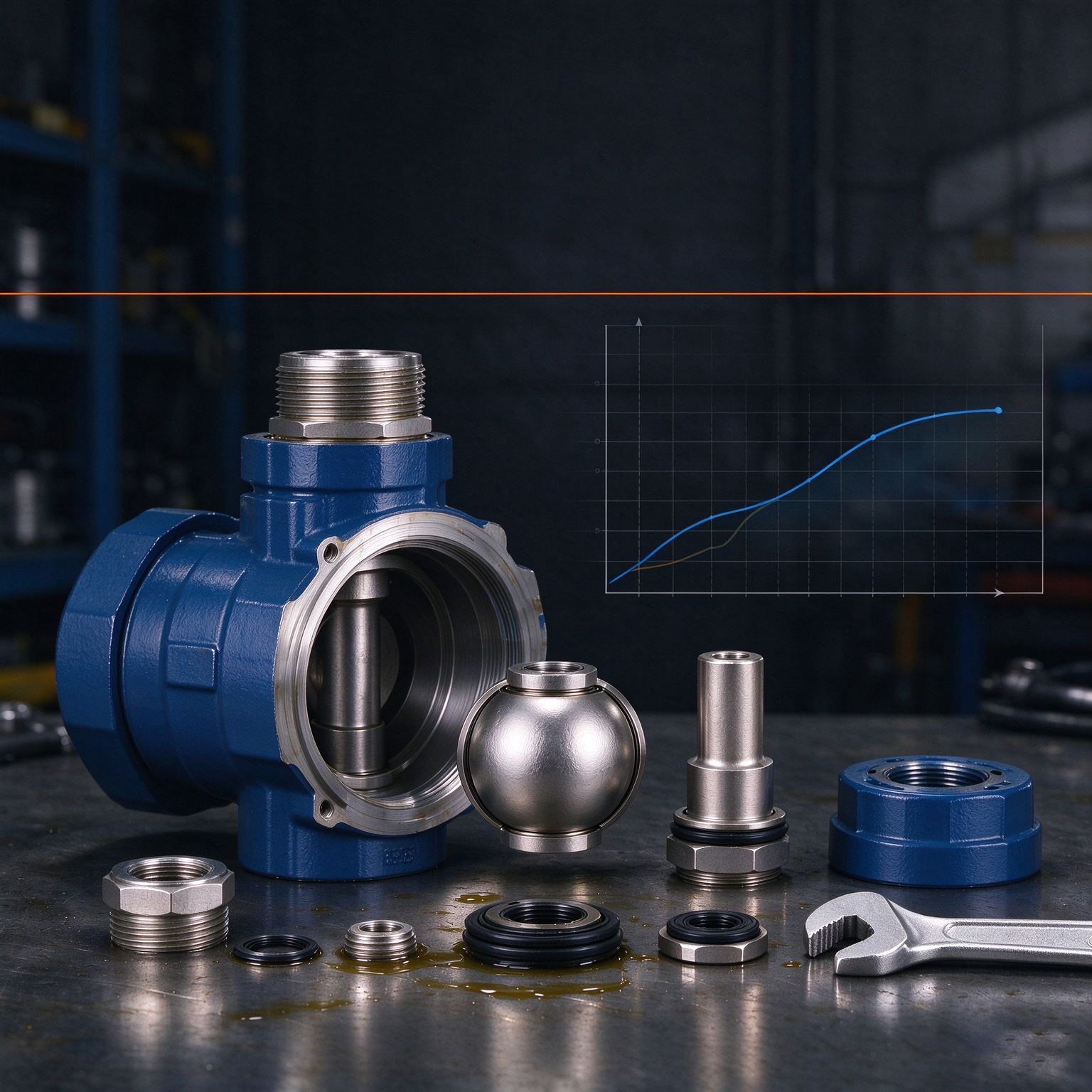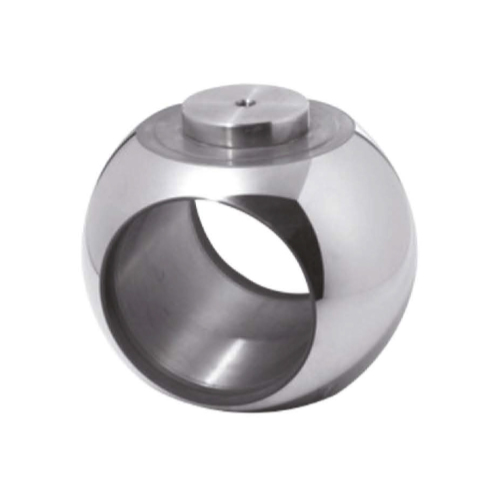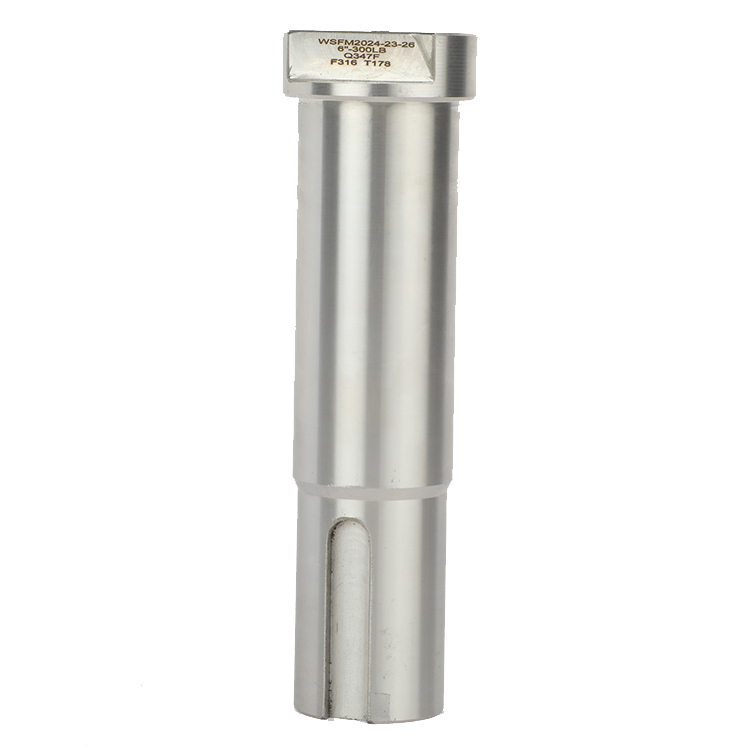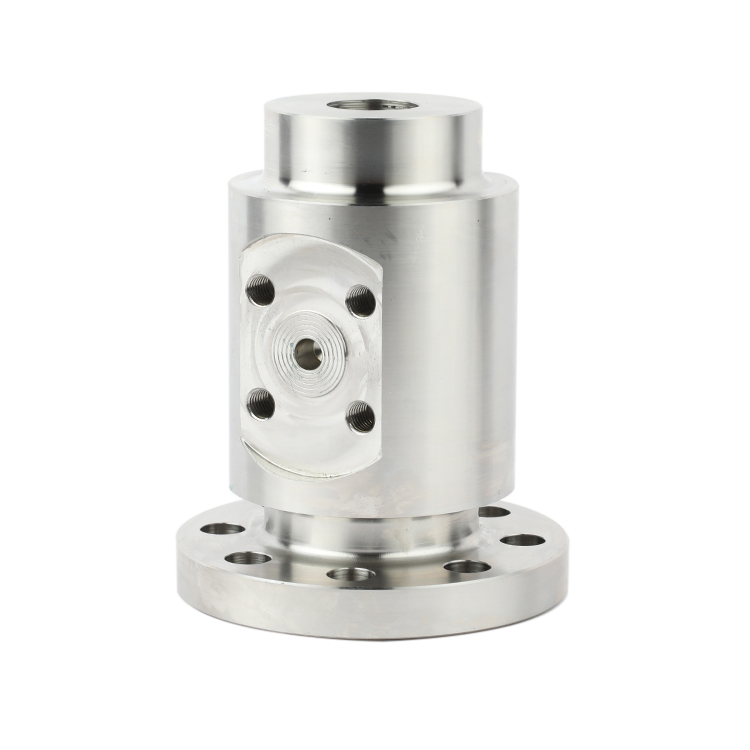

A ball valve bonnet is an important structural component that helps protect internal valve parts, maintain pressure containment, and ensure reliable operation. Although the valve body and ball are often the main focus when selecting a ball valve, the bonnet also plays a significant role in the overall performance, safety, and service life of the valve.
Understanding the structure and function of a ball valve bonnet helps engineers, distributors, and purchasing professionals make better decisions when evaluating valve designs and specifications. Factors such as material selection, connection methods, sealing performance, and pressure ratings should all be considered when choosing a suitable bonnet for industrial applications.

A ball valve bonnet is a structural cover or closure component that forms part of the valve pressure boundary. Depending on the valve design, it may be integrated with the valve body or manufactured as a separate component connected through bolts, threads, or other approved connection methods.
The bonnet helps enclose the internal components of the valve and provides structural support for certain operating parts. In many designs, it also accommodates the valve stem packing area and contributes to maintaining a secure pressure boundary.
The exact structure varies according to the valve type, pressure class, size, and manufacturer. For example, some compact ball valves use a one-piece body without a separate bonnet, while two-piece and three-piece designs may incorporate different closure structures.
A ball valve bonnet is designed to work with other valve components to maintain structural integrity and reliable sealing. Its main structural features may include the following:
The bonnet body is the main structural section that forms the closure of the valve assembly. It protects internal components and helps contain the pressure within the valve.
Its thickness, shape, and material must be suitable for the valve’s design pressure, operating temperature, and service conditions.
The bonnet connection joins the bonnet to the valve body or another structural section. Common connection methods include bolted, threaded, and welded designs, depending on the valve construction.
A properly designed connection helps maintain mechanical stability and prevent leakage under operating conditions.
The sealing surface is an important area between the bonnet and the mating valve component. It works with a gasket, O-ring, or another suitable sealing element to prevent fluid leakage.
Surface finish, dimensional accuracy, and gasket compatibility all influence sealing performance.
In certain ball valve designs, the bonnet or upper closure structure incorporates the stem packing arrangement. This area helps prevent process media from escaping along the valve stem.
The packing material and compression design should be compatible with the operating temperature, pressure, and fluid characteristics.
The bonnet performs several important functions that directly affect the safety and reliability of a ball valve.
One of the primary functions of a bonnet is to enclose and protect internal valve components. It helps prevent external contaminants from entering the valve assembly and protects internal parts from environmental exposure.
This is particularly important in industrial environments where dust, moisture, chemicals, and other contaminants may affect valve performance.
The bonnet forms part of the valve’s pressure boundary in designs where it is a separate closure component. It must withstand the internal pressure generated by the operating medium without deformation or leakage.
The connection between the bonnet and valve body must also maintain sufficient strength under pressure fluctuations and temperature changes.
The bonnet works with gaskets, O-rings, and other sealing elements to maintain a secure connection between structural components.
Proper sealing design helps prevent external leakage, reduce maintenance requirements, and improve overall valve reliability.
Depending on the valve construction, the bonnet assembly may provide structural support for the stem and related components. It helps maintain the correct alignment of operating parts and contributes to stable valve operation.
Different ball valve constructions use different closure structures. Understanding these designs helps buyers identify the appropriate valve configuration for their applications.
A bolted bonnet uses fasteners to connect the closure component to the valve body. This design provides a mechanically secure connection and can allow easier disassembly for inspection or maintenance.
It is commonly used in industrial valve designs where serviceability and structural strength are important considerations.
A threaded bonnet connects to the valve body through matching threads. It offers a relatively compact structure and is often used in smaller valves or specific pressure and service configurations.
Thread specifications, engagement length, and sealing arrangements must be properly designed to maintain connection reliability.
A welded bonnet uses a permanent welded connection to join the closure structure to the valve body. This design can reduce the number of potential external leakage paths.
However, maintenance and disassembly may be more difficult because the connection is not intended for routine removal.
Material selection is essential because the bonnet must withstand mechanical loads, operating pressure, temperature variations, and potential corrosion.
Common materials include:
| Material | Key Characteristics | Typical Applications |
| Stainless Steel 304 | Good corrosion resistance and general durability | General industrial services |
| Stainless Steel 316 | Improved resistance to chloride-related corrosion | Chemical and marine environments |
| Carbon Steel | High mechanical strength and cost efficiency | Oil, gas, and general industrial pipelines |
| Alloy Steel | Suitable for demanding mechanical and temperature conditions | High-temperature industrial systems |
The final material selection should consider fluid composition, operating temperature, pressure requirements, applicable standards, and compatibility with the valve body.
Several factors influence the service life and reliability of a ball valve bonnet.
Material Quality: Poor material quality may reduce mechanical strength and corrosion resistance. Buyers should check material specifications and request relevant material test certificates when necessary.
Manufacturing Precision: Accurate dimensions and proper machining help ensure that the bonnet fits correctly with the valve body and sealing components.
Pressure and Temperature: The bonnet must be designed for the specified operating conditions. Excessive pressure or temperature may increase mechanical stress and affect sealing performance.
Connection and Sealing Design: Incorrect bolt tightening, damaged threads, unsuitable gaskets, or poor sealing surfaces can cause leakage and connection failure.
Inspection and Testing: Appropriate dimensional inspections, material verification, and pressure testing help identify potential quality issues before the valve enters service.
Choosing a reliable manufacturer is important for maintaining consistent product quality and ensuring compatibility with the complete valve assembly.
First, evaluate the manufacturer’s material capabilities. A qualified supplier should be able to provide suitable material options, clear specifications, and relevant quality documentation.
Second, review its machining and manufacturing capabilities. Advanced processing equipment and controlled production procedures help maintain dimensional accuracy and product consistency.
Third, check the manufacturer’s quality inspection procedures. Material verification, dimensional inspection, surface checks, and appropriate pressure testing are important indicators of manufacturing control.
Finally, consider customization and technical support. For OEM projects, the manufacturer should be able to produce bonnet components according to drawings, dimensions, material requirements, and specific application conditions.
A supplier with stable production capacity and effective communication can help reduce procurement risks and support long-term cooperation.
A ball valve bonnet is more than a simple cover. It is an important structural component that contributes to pressure containment, internal component protection, sealing performance, and the overall reliability of a ball valve.
Understanding its structure, functions, materials, and connection designs allows buyers and engineers to evaluate valve products more effectively. When selecting a ball valve bonnet, it is important to consider operating conditions, material compatibility, manufacturing precision, and quality inspection standards.
Working with an experienced ball valve bonnet manufacturer can help ensure consistent product quality, reliable valve performance, and long-term operational safety across different industrial applications.
1.What is the main function of a ball valve bonnet?
A ball valve bonnet helps enclose internal valve components, maintain pressure containment, support sealing performance, and protect the valve assembly from external contaminants.
2.What materials are commonly used for ball valve bonnets?
Common materials include stainless steel 304, stainless steel 316, carbon steel, and alloy steel. The appropriate material depends on operating pressure, temperature, fluid properties, and corrosion requirements.
3.What are the common types of ball valve bonnet designs?
Common designs include bolted, threaded, and welded bonnets. Each design offers different advantages in terms of connection strength, maintenance accessibility, and sealing requirements.
4.How does a ball valve bonnet prevent leakage?
The bonnet works with sealing elements such as gaskets and O-rings to create a secure connection with the valve body. Proper machining, surface finish, and connection installation help prevent external leakage.
5.What is the difference between a ball valve bonnet and a valve body?
The valve body is the main pressure-containing structure that houses the ball and other internal components. The bonnet is a closure component that helps enclose the valve assembly and maintain its structural integrity.


 Optimized by Seraphinite Accelerator