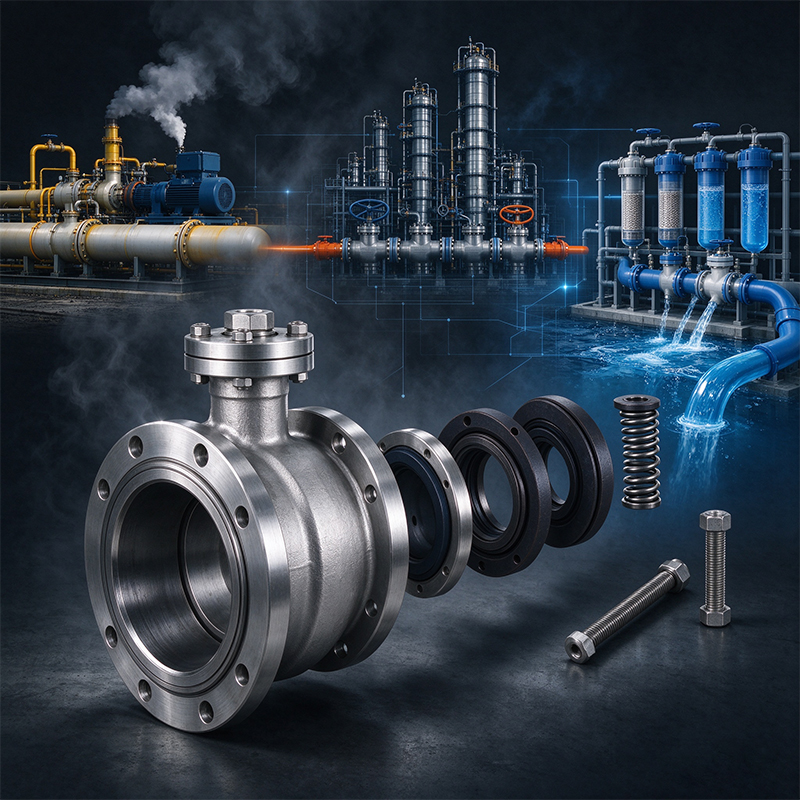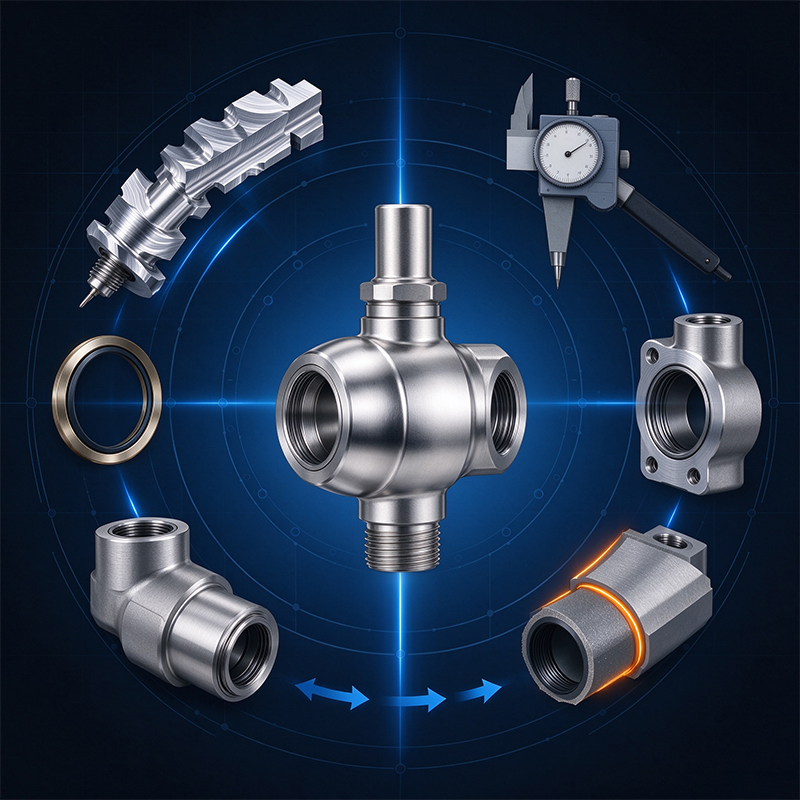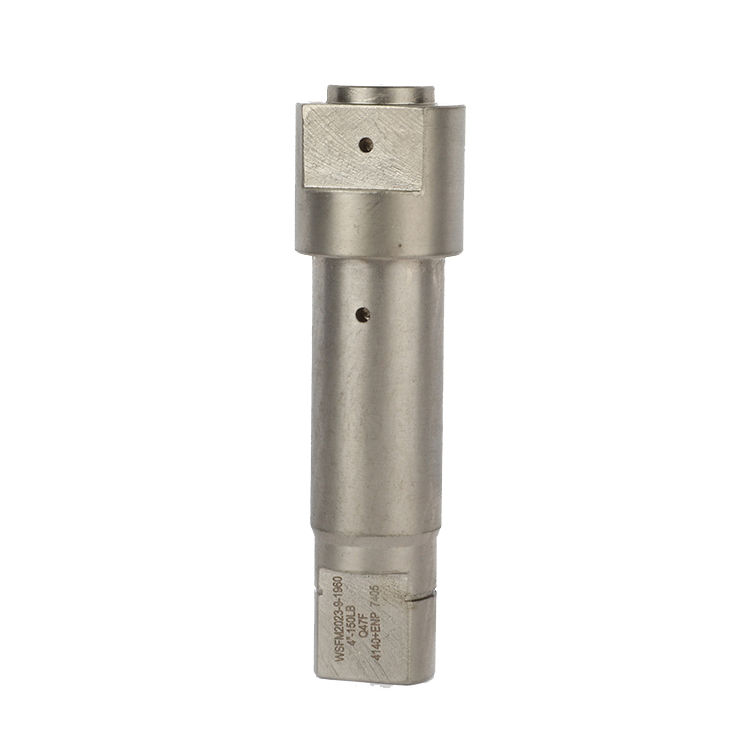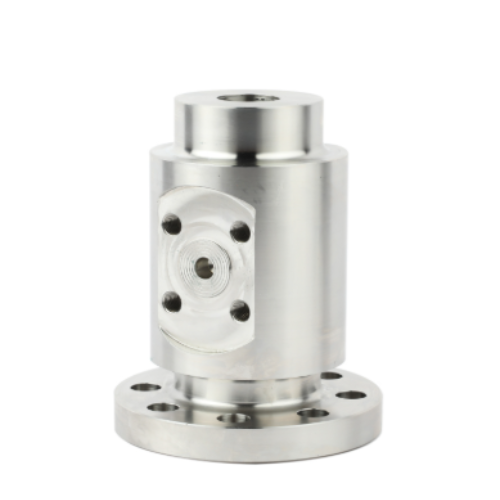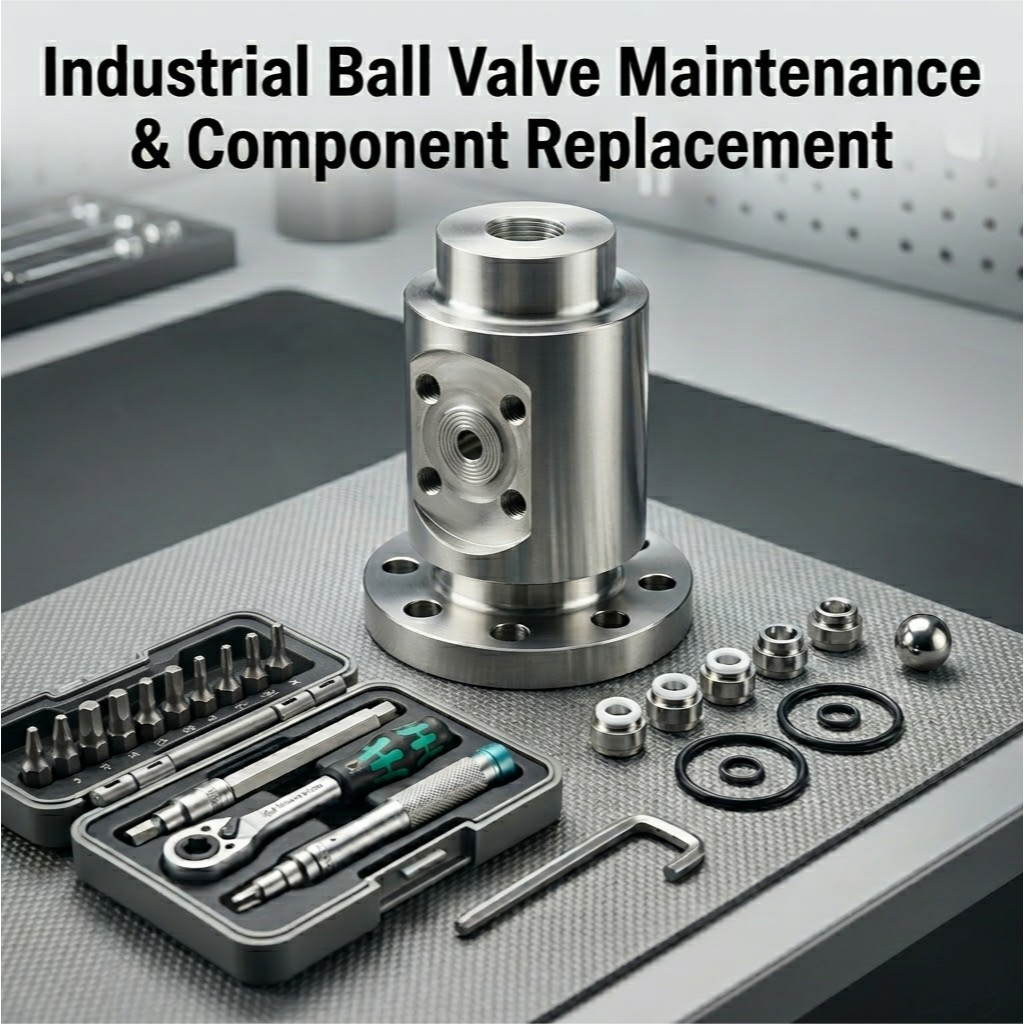

A ball valve bonnet is an important structural component that helps maintain pressure containment, protect internal valve parts, and ensure reliable sealing. Although it may not directly control fluid flow, problems with the bonnet can affect the overall performance, safety, and service life of a ball valve.
Common issues such as bonnet leakage, corrosion, cracks, thread damage, and sealing failure can lead to unexpected maintenance costs and equipment downtime. These problems are often associated with improper installation, unsuitable material selection, manufacturing defects, or harsh operating conditions.
For valve manufacturers, distributors, engineers, and purchasing professionals, understanding common ball valve bonnet problems and their preventive measures is essential for maintaining reliable industrial piping systems.

Bonnet leakage is one of the most common problems affecting ball valve assemblies. It usually occurs at the connection between the bonnet and valve body, where gaskets, O-rings, or other sealing elements are used.
Several factors can contribute to leakage, including damaged gaskets, uneven bolt tightening, poor surface finish, and excessive operating pressure.
How to Prevent It:
Select suitable gaskets and sealing materials according to the operating temperature, pressure, and fluid characteristics.
Ensure that bonnet and valve body sealing surfaces are clean and free from scratches.
Tighten bolts evenly according to the manufacturer’s recommended torque specifications.
Conduct appropriate pressure and leakage tests before putting the valve into service.
Regular inspection of the bonnet connection can also help identify early signs of leakage before they develop into more serious problems.
Ball valve bonnets may be exposed to corrosive fluids, moisture, chemicals, and harsh environmental conditions. Over time, these factors can cause surface corrosion, pitting, or material deterioration.
Using an unsuitable material is one of the main reasons for premature corrosion. For example, standard stainless steel grades may not provide sufficient resistance in certain chloride-rich or aggressive chemical environments.
How to Prevent It:
Choose appropriate materials based on fluid composition and environmental conditions.
Consider stainless steel 316 or other corrosion-resistant alloys for demanding applications where suitable.
Verify material specifications and certificates before installation.
Inspect the bonnet surface regularly for rust, pitting, discoloration, and other signs of deterioration.
Proper material selection during the purchasing stage is more effective than dealing with corrosion-related failures after installation.
Cracks in a ball valve bonnet can compromise its mechanical strength and pressure-containing capability. In severe cases, structural damage may result in external leakage or unsafe operating conditions.
Common causes include excessive mechanical stress, pressure fluctuations, manufacturing defects, improper handling, and exposure to temperatures outside the design limits.
How to Prevent It:
Select a bonnet designed for the required pressure and temperature ratings.
Use materials with appropriate mechanical properties.
Apply suitable manufacturing and heat-treatment processes when required by the material and design.
Avoid excessive tightening forces during installation.
Perform appropriate inspection and pressure testing according to applicable standards.
If cracks or significant structural damage are detected, the affected component should be removed from service and evaluated by qualified personnel rather than simply repaired without engineering assessment.
Threaded bonnet connections are commonly used in certain ball valve designs. However, threads can become damaged during installation, disassembly, or repeated maintenance.
Cross-threading, excessive tightening, incorrect thread specifications, and mechanical wear can weaken the connection and affect sealing performance.
How to Prevent It:
Confirm thread size, pitch, and specifications before assembly.
Align threaded components correctly during installation.
Use appropriate tools and follow recommended tightening procedures.
Avoid applying excessive force when tightening or removing the bonnet.
Inspect threads for deformation, corrosion, and wear during maintenance.
For industrial applications involving demanding operating conditions, the connection design should be carefully evaluated to ensure adequate mechanical strength.
Gaskets and O-rings are essential sealing elements in many ball valve bonnet assemblies. However, they may lose their sealing capability due to aging, chemical incompatibility, excessive compression, temperature changes, or mechanical damage.
When sealing elements deteriorate, fluid may escape through the bonnet connection, affecting system safety and operational efficiency.
How to Prevent It:
Select sealing materials compatible with the process medium.
Consider operating temperature and pressure when choosing gaskets and O-rings.
Replace damaged or aged sealing elements during scheduled maintenance.
Avoid reusing disposable or permanently deformed gaskets.
Ensure correct installation without twisting, stretching, or damaging the sealing elements.
Choosing the right sealing material is particularly important for valves used in chemical processing, oil and gas, and other demanding industrial environments.
Incorrect installation can create several problems, including uneven sealing pressure, damaged threads, misalignment, and premature component failure.
For example, uneven bolt tightening may cause excessive stress on certain areas of the sealing surface. Incorrect gasket positioning can also result in leakage even when the bonnet itself meets manufacturing requirements.
How to Prevent It:
Follow the manufacturer’s installation instructions.
Check all mating surfaces before assembly.
Position gaskets and O-rings correctly.
Use calibrated tools when tightening bolted connections.
Verify alignment and connection integrity before operation.
Proper installation procedures help ensure that the bonnet performs as intended throughout the valve’s service life.
Preventing bonnet problems requires more than addressing individual defects. Manufacturers and end users should establish a comprehensive approach that covers material selection, production, installation, and maintenance.
| Key Area | Recommended Measures | Expected Benefits |
| Material Selection | Choose materials based on operating conditions | Improved corrosion resistance |
| Manufacturing | Control machining accuracy and production quality | Better dimensional consistency |
| Sealing Design | Use compatible gaskets and O-rings | Reduced leakage risks |
| Installation | Follow proper assembly procedures | Improved connection reliability |
| Maintenance | Conduct regular inspections and replacements | Longer service life |
| Quality Testing | Perform applicable inspections and pressure tests | Improved product reliability |
Manufacturers should also maintain clear quality control procedures throughout production. Material verification, dimensional inspection, surface checks, and appropriate testing help identify potential defects before products reach customers.
For buyers, reviewing technical specifications and quality documentation is an effective way to evaluate a supplier’s manufacturing capabilities.
Selecting an experienced manufacturer is essential for reducing product defects and ensuring consistent quality. Buyers should evaluate several important factors before placing an order.
Material Selection and Traceability: A reliable manufacturer should offer suitable material options and provide relevant material documentation to support product traceability.
Manufacturing Capabilities: Advanced machining equipment, skilled technicians, and standardized production procedures help ensure dimensional accuracy and consistent product quality.
Quality Inspection: Manufacturers should have established inspection procedures covering raw materials, machining dimensions, surface quality, and relevant performance testing.
Customization Services: Different valve applications may require specific bonnet dimensions, materials, connection structures, and pressure ratings. A manufacturer with OEM capabilities can provide products according to customer drawings and technical requirements.
Technical Support: Professional technical support helps buyers confirm product specifications, material compatibility, and application requirements before production.
Working with a qualified ball valve bonnet manufacturer can reduce procurement risks and help maintain the reliability of complete valve assemblies.
Ball valve bonnet problems such as leakage, corrosion, cracks, thread damage, and gasket failure can affect valve performance and industrial system safety. Most of these issues can be reduced through proper material selection, accurate manufacturing, correct installation, and regular maintenance.
For manufacturers and buyers, quality control should begin before production and continue throughout the product’s service life. Evaluating material properties, machining precision, sealing structures, and inspection procedures helps ensure that ball valve bonnets meet the requirements of different industrial applications.
Choosing a reliable supplier with strong manufacturing capabilities and strict quality control is also an important step toward achieving long-term valve reliability and reducing unexpected maintenance costs.
1.What are the most common ball valve bonnet problems?
Common problems include bonnet leakage, corrosion, structural cracks, damaged threads, gasket failure, and improper installation. These issues can affect sealing performance and overall valve reliability.
2.What causes a ball valve bonnet to leak?
Bonnet leakage is commonly caused by damaged gaskets, worn O-rings, uneven bolt tightening, scratched sealing surfaces, or excessive operating pressure.
3.How can corrosion in a ball valve bonnet be prevented?
Choose corrosion-resistant materials based on the operating environment, such as stainless steel 316 for suitable corrosive applications. Regular inspections and proper material verification also help prevent corrosion-related failures.
4.What should I do if a ball valve bonnet develops cracks?
Remove the affected valve from service when safe to do so and arrange a professional inspection. Cracked pressure-containing components generally require replacement unless an approved engineering repair procedure is available.
5.How often should ball valve bonnets be inspected?
Inspection frequency depends on operating conditions, fluid characteristics, pressure, temperature, and manufacturer recommendations. Valves in harsh or corrosive environments may require more frequent inspections.


 Optimized by Seraphinite Accelerator