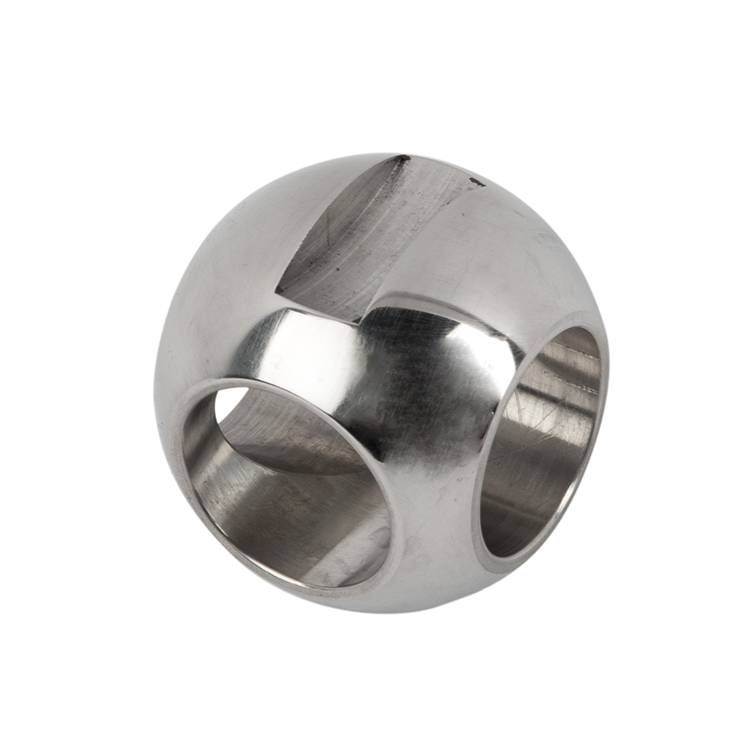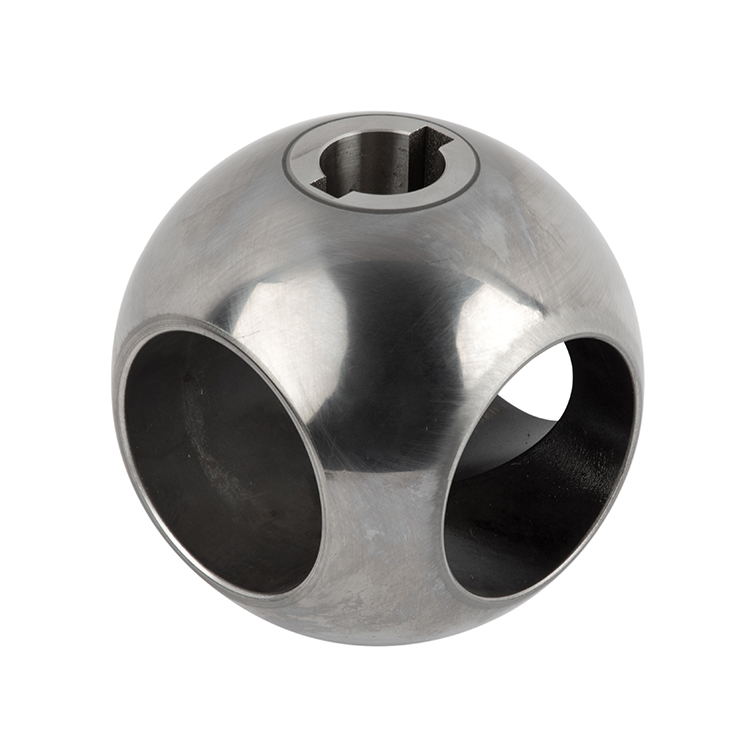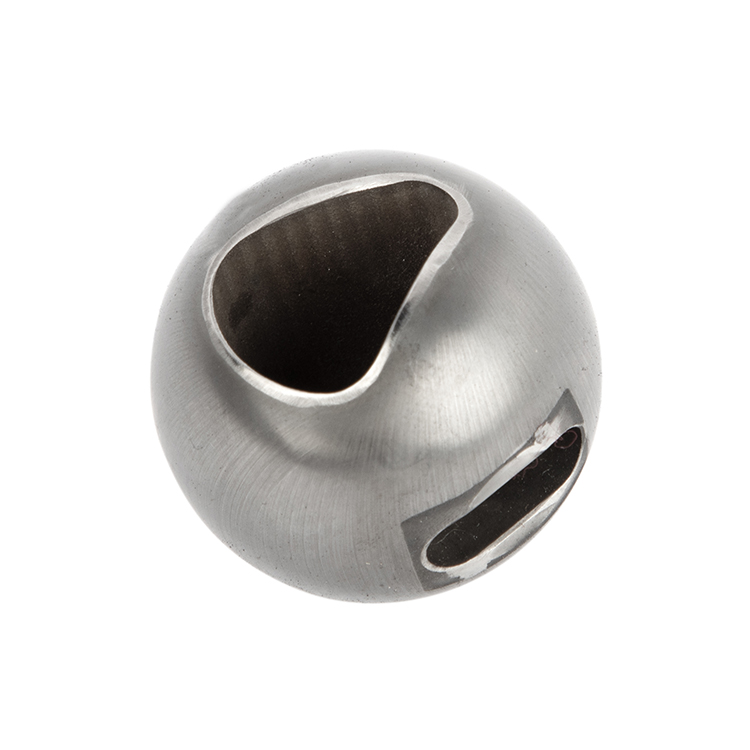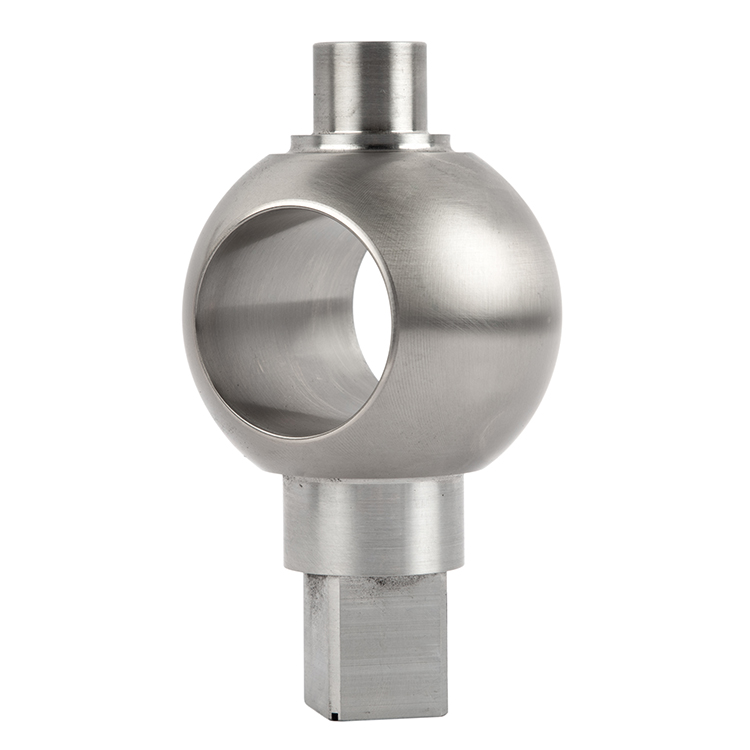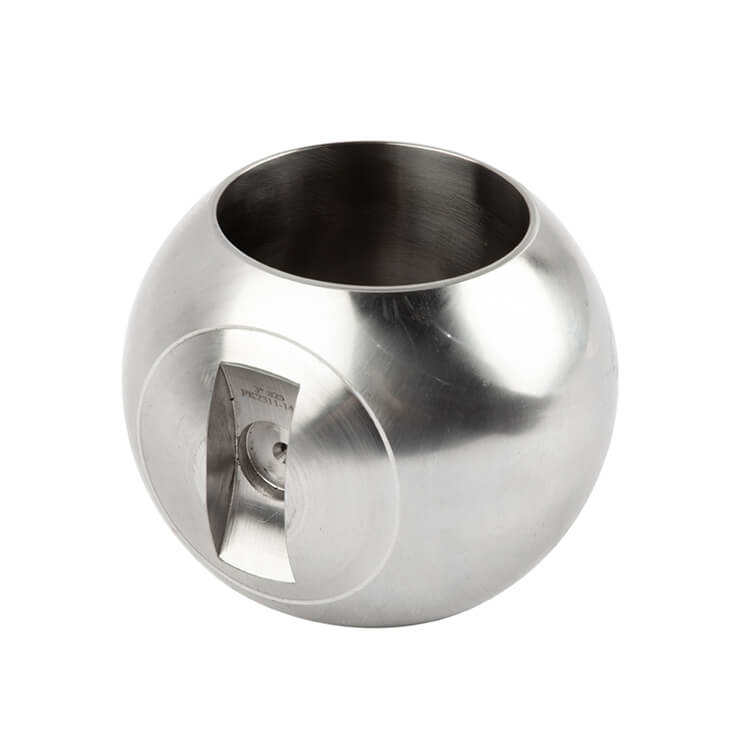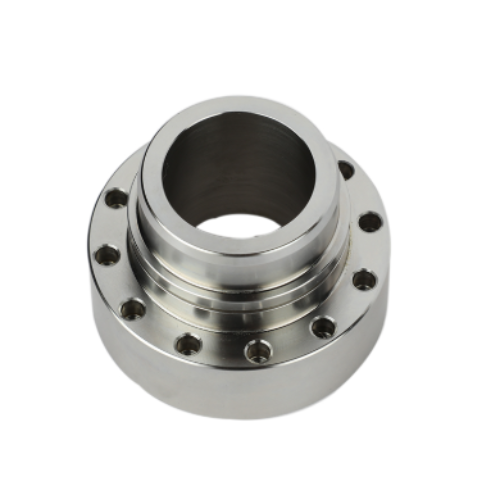


The wall thickness of a ball valve body plays a crucial role in ensuring valve reliability, pressure handling, and long-term durability. For industrial systems, understanding how wall thickness affects performance is key for safe and efficient operation.
The ball valve body contains all internal components and withstands system pressure. Its wall thickness determines mechanical strength and resistance to deformation.
Industrial ball valves use materials like stainless steel, carbon steel, and alloys. Material choice affects optimal wall thickness and pressure capabilities.
Standards set by API, ANSI, and ISO define minimum wall thickness for different pressure classes to ensure safe operation.
Thicker walls allow the valve to handle higher pressure ratings safely. Inadequate thickness can lead to leaks or catastrophic failure.
Wall thickness influences mechanical integrity, resistance to wear, and corrosion. Proper thickness improves long-term durability.
Valve responsiveness, torque, and flow stability are affected by wall thickness. Optimal design balances strength with operational efficiency.
Wall thickness is verified using calipers, ultrasonic gauges, and micrometers to meet design specifications.
Techniques such as ultrasonic testing and radiography detect hidden defects without damaging the ball valve body.
Regular inspections ensure compliance with design standards and help identify thinning or wear that could affect pressure ratings.
High-pressure valves require reinforced walls and optimized geometry to prevent deformation and maintain safety margins.
Heat treatments, coatings, and material reinforcement improve strength and corrosion resistance, extending service life.
Routine cleaning, inspection, and preventive maintenance help preserve the valve wall integrity over years of operation.
Corrosion-resistant valves with proper wall thickness handle aggressive chemicals and high-temperature fluids safely.
Oil and gas pipelines demand high-strength valves with controlled wall thickness to manage extreme pressures reliably.
Durable valves maintain safety and performance in municipal and industrial water systems with long-term reliability.
Wall thickness is a key factor for ball valve design, impacting pressure rating, strength, and performance. Proper design, inspection, and maintenance reduce risks and extend valve life. For industrial-grade valves with optimized wall thickness, Goteb provides reliable solutions for demanding applications.
Why is wall thickness important in ball valve body design?
It ensures the valve can handle pressure safely and maintain structural integrity.
How does wall thickness affect pressure rating?
Thicker walls support higher pressures and reduce risk of leaks or failure.
What is the impact of valve body wall thickness on performance?
Wall thickness affects durability, torque, and flow stability.
How should industrial ball valve wall thickness be optimized?
Use proper design standards, material selection, and regular inspection.


 Optimized by Seraphinite Accelerator