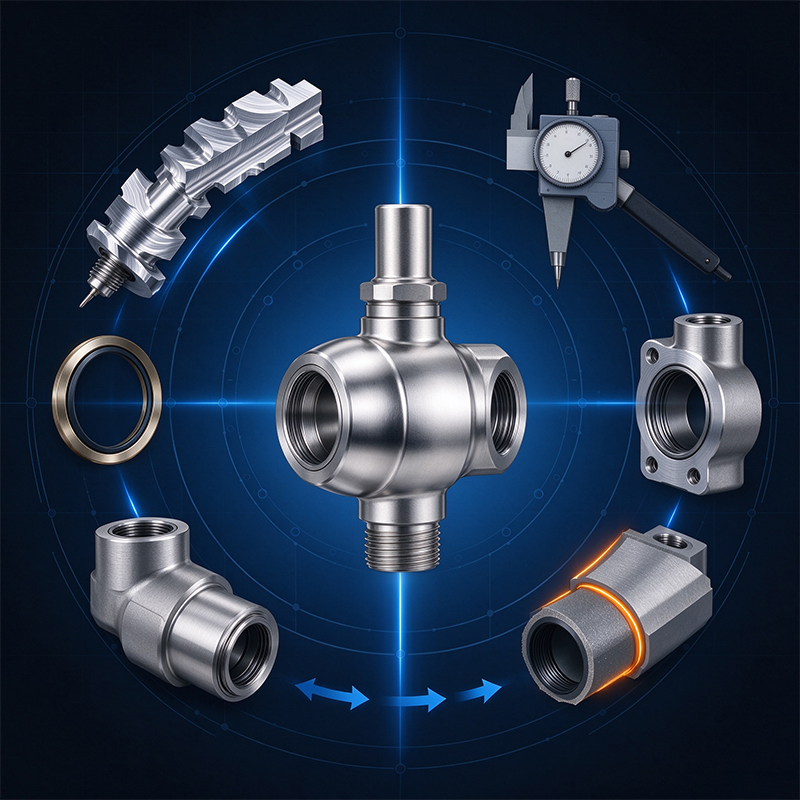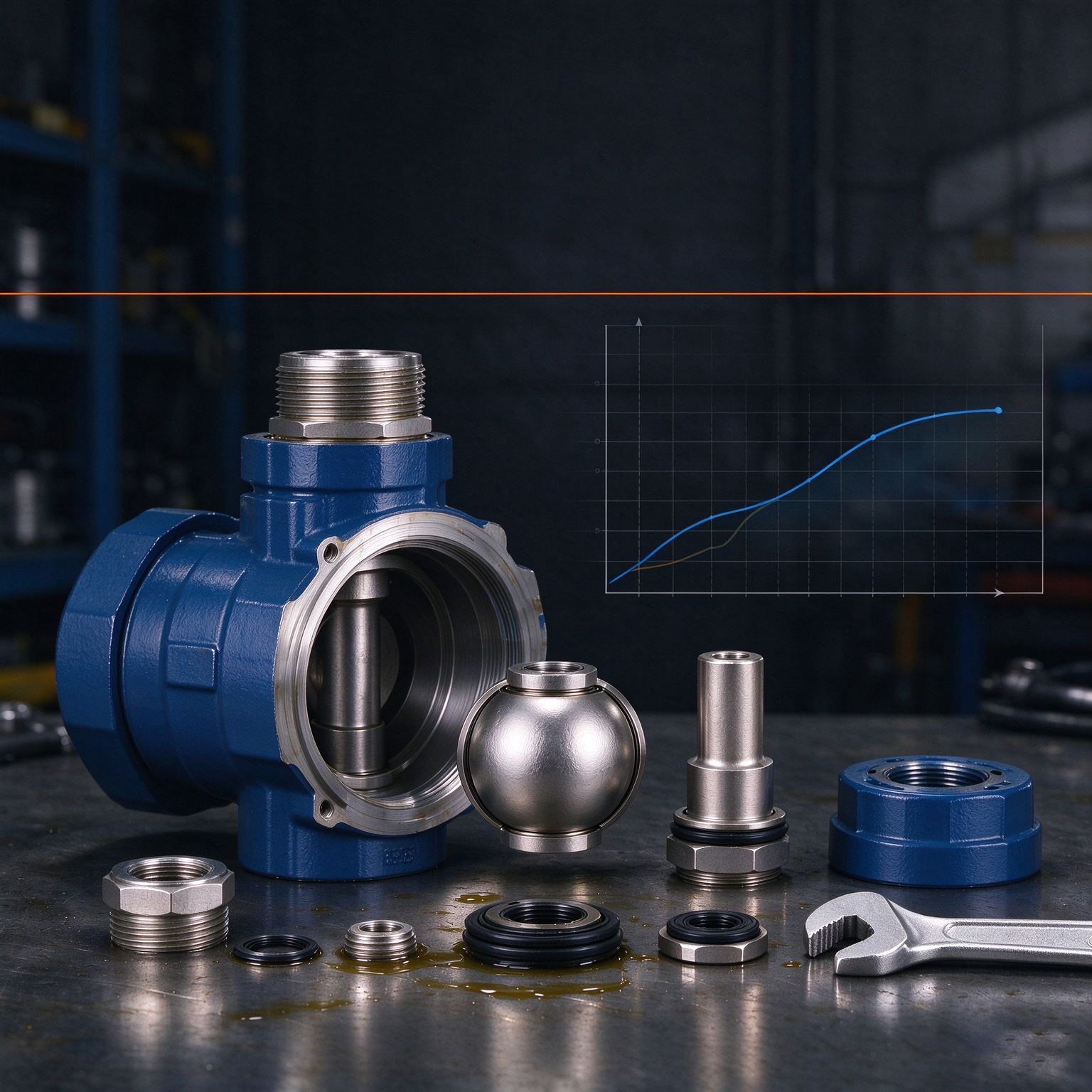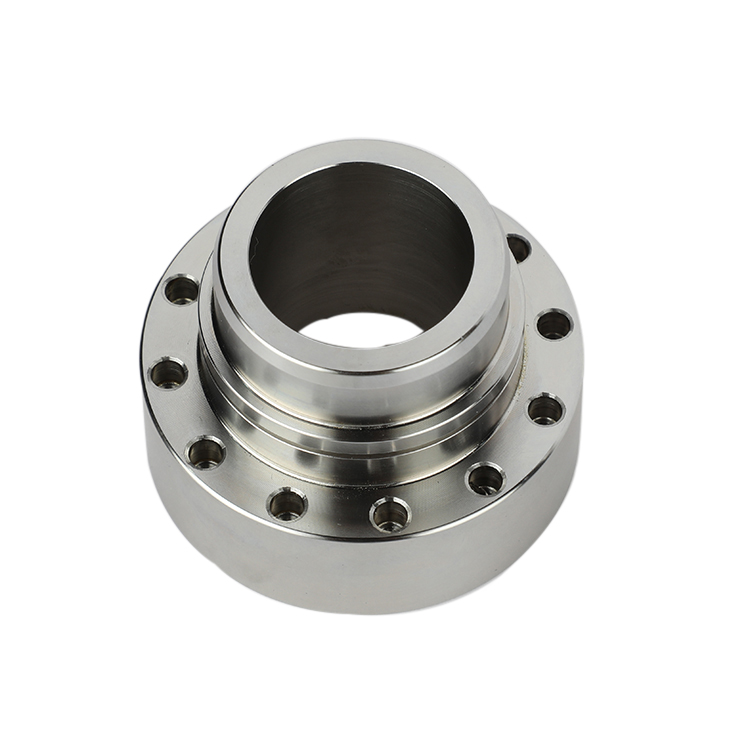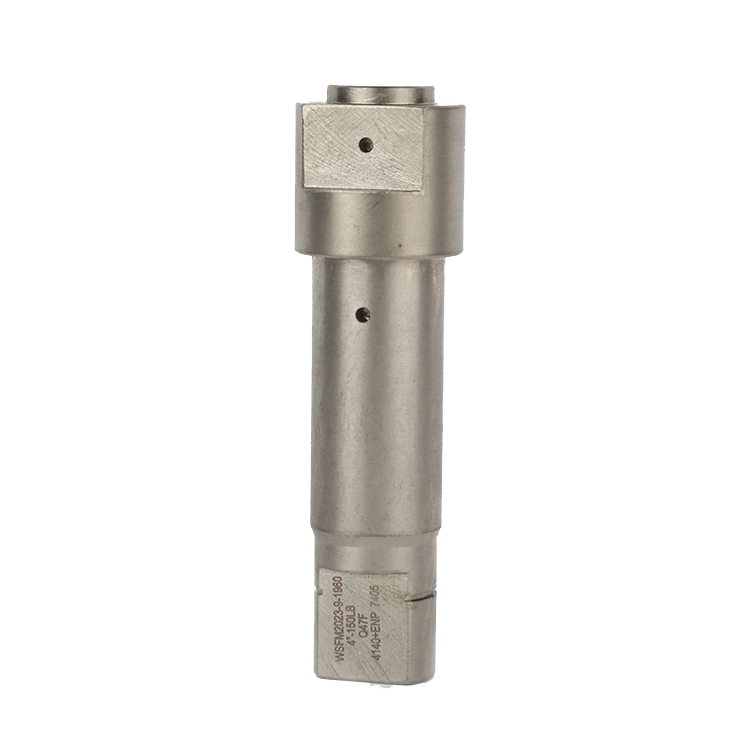


Ball valve accessory failure can affect valve operation, reduce system reliability, and lead to unexpected maintenance costs in industrial facilities. Components such as handles, actuators, valve stems, sealing elements, mounting brackets, limit switches, and solenoid valves all contribute to the performance of a ball valve assembly. When any of these accessories fails, the valve may become difficult to operate, lose its sealing capability, or fail to respond correctly to control signals.
In industries such as oil and gas, chemical processing, water treatment, power generation, and general manufacturing, accessory failures can interrupt production and create operational risks. Understanding the common causes of ball valve accessory failure helps engineers, maintenance teams, and purchasing professionals identify potential problems early and implement effective preventive measures.
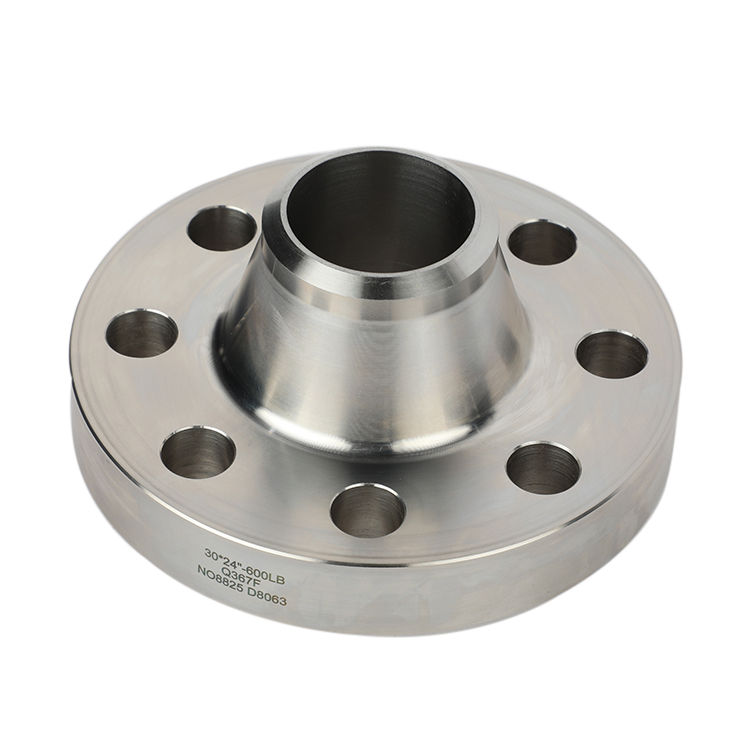
Ball valve accessory failure occurs when an auxiliary component can no longer perform its intended function or fails to meet the required operating specifications. The failure may result from mechanical wear, material degradation, improper installation, incorrect sizing, environmental exposure, or inadequate maintenance.
For example, a damaged handle may prevent smooth manual operation, while an undersized actuator may struggle to complete valve travel. Worn sealing components can cause leakage, and a faulty limit switch may send incorrect position feedback to a control system.
Not every accessory failure means the entire valve must be replaced. In many cases, identifying the failed component and replacing it with a compatible part can restore normal operation. However, the underlying cause must also be addressed to prevent the problem from recurring.
1. Normal Wear and Mechanical Fatigue
Repeated operation gradually wears mechanical components. Handles, stems, couplings, actuator gears, and mounting interfaces may experience friction, vibration, and repeated mechanical loading during opening and closing cycles.
In applications involving frequent cycling, these components may deteriorate more quickly than those used in occasional isolation service. Excessive operating force can accelerate wear, while repeated stress may cause deformation, loosened connections, or fatigue-related damage.
How to prevent it:
Establish an inspection schedule based on operating frequency, service conditions, and manufacturer recommendations. Check for excessive play, unusual resistance, damaged interfaces, loose fasteners, and abnormal noise. Replace worn components before they affect the operation of the complete valve assembly.
2. Incorrect Accessory Selection or Sizing
Accessories that do not match the valve’s specifications can fail prematurely. An actuator with insufficient output torque may be unable to operate the valve under actual service conditions. An incorrectly sized coupling or mounting bracket may create misalignment, while an unsuitable handle may not provide the required leverage.
Incorrect selection can also affect sealing performance. For example, a replacement seal that does not match the original dimensions or material requirements may cause leakage or interfere with valve movement.
How to prevent it:
Verify the valve model, nominal size, pressure rating, stem dimensions, mounting interface, operating torque, and accessory specifications before purchasing components. For automated valves, review the manufacturer’s torque data and recommended actuator sizing procedure. Avoid selecting accessories based only on appearance or nominal dimensions.
3. Material Incompatibility and Corrosion
Industrial ball valve accessories may be exposed to water, chemicals, oils, gases, cleaning agents, humidity, and other potentially damaging substances. If the selected material is incompatible with the operating environment, corrosion, swelling, cracking, or loss of mechanical strength may occur.
Metal components can corrode under unsuitable environmental conditions, while polymer and elastomer seals may deteriorate when exposed to incompatible chemicals or temperatures. Material incompatibility can eventually affect both accessory function and valve sealing performance.
How to prevent it:
Select materials according to the process medium, chemical concentration, operating temperature, and environmental exposure. Stainless steel, carbon steel, brass, PTFE, and elastomers have different properties and application limits. Consult manufacturer compatibility data and confirm that replacement materials meet the requirements of the intended service.
4. Excessive Pressure and Temperature
Pressure and temperature conditions can influence accessory performance in several ways. High differential pressure may increase the torque required to operate a valve, placing additional demands on the actuator and mechanical connections. Temperature extremes can affect seal flexibility, material strength, lubricant performance, and actuator operation.
Rapid temperature changes may also contribute to thermal expansion and contraction, which can influence component fit and sealing behavior. Accessories that are not suitable for the actual operating range may deteriorate prematurely or fail to operate consistently.
How to prevent it:
Confirm that the valve and all relevant accessories are suitable for normal operating conditions and foreseeable process variations. Review the manufacturer’s allowable temperature ranges, pressure limitations, and actuator performance data. Investigate repeated torque increases or sealing problems instead of compensating by applying excessive force.
5. Improper Installation and Misalignment
Installation errors are another common cause of accessory failure. Incorrectly fitted mounting brackets, poorly aligned actuator couplings, loose fasteners, or improper stem engagement can create unnecessary mechanical stress.
In automated assemblies, misalignment between the valve stem and actuator can interfere with movement and increase wear on gears, couplings, and mounting components. Incorrect wiring or pneumatic connections may also prevent control accessories from functioning as intended.
How to prevent it:
Follow the manufacturer’s installation instructions and verify alignment before commissioning. Use the specified mounting hardware, fasteners, and connection dimensions. Confirm that the actuator operates through the required travel without binding, and check electrical or pneumatic connections according to the relevant technical documentation.
6. Poor Lubrication or Inappropriate Lubricants
Some mechanical accessories require lubrication to reduce friction and protect moving components. Insufficient lubrication may accelerate wear in applicable gears, bearings, or mechanical interfaces. Conversely, using an unsuitable lubricant can damage certain seals, contaminate a process, or perform poorly at the operating temperature.
Not every ball valve accessory requires lubrication, and excessive or unnecessary lubrication may create additional problems.
How to prevent it:
Follow the manufacturer’s maintenance instructions for lubrication type, application points, quantity, and interval. Use only compatible lubricants for the specific component and process environment. Avoid applying lubricant to sealing surfaces or process-contact areas unless the design and manufacturer explicitly permit it.
7. Electrical or Pneumatic System Problems
Automated ball valve accessories depend on reliable power, control signals, or compressed air. Electric actuators may malfunction because of power interruptions, damaged wiring, unsuitable voltage, overheating, or control-system faults. Pneumatic actuators and solenoid valves may be affected by inadequate air pressure, air leakage, contamination, or faulty connections.
Limit switches and position feedback devices can also fail because of incorrect adjustment, damaged wiring, or environmental exposure. These problems may appear to be valve failures even when the mechanical valve components remain in good condition.
How to prevent it:
Check the power supply, wiring, control signals, compressed-air pressure, and pneumatic connections during troubleshooting. Follow the actuator manufacturer’s maintenance requirements and verify that electrical enclosures and pneumatic components are suitable for the installation environment. Isolate power or stored pneumatic energy before performing maintenance.
8. Contamination and Foreign Particles
Dirt, scale, debris, and other contaminants can interfere with valve movement or damage accessory components. Contamination in pneumatic systems may affect solenoid valves and actuators, while particles in the process medium can contribute to seat wear, increased operating torque, or sealing problems.
The degree of risk depends on the valve design, process medium, filtration arrangements, and operating conditions.
How to prevent it:
Maintain suitable process cleanliness and compressed-air quality where required. Inspect relevant filtration equipment, follow flushing and commissioning procedures, and use protective caps or packaging to prevent contamination during storage and installation. Where solids are present in the process medium, confirm that the valve design is appropriate for the service.
Recognizing early warning signs helps maintenance teams address problems before they lead to more serious operational disruptions.
Common symptoms include increased operating resistance, unusual noise, excessive vibration, loose handles, visible corrosion, damaged seals, or leakage around the valve stem. In automated systems, warning signs may include incomplete valve travel, delayed actuator response, repeated control alarms, inconsistent position feedback, or air leakage.
The same symptom can have several possible causes. For example, a valve that fails to open may have an undersized actuator, a mechanical obstruction, excessive differential pressure, an electrical fault, or a problem with the control signal. Diagnosis should therefore consider the complete valve assembly rather than replacing the first component that appears defective.
1. Establish a Preventive Maintenance Program
A preventive maintenance program helps identify deterioration before it causes unplanned downtime. Inspection frequency should reflect operating conditions, cycling frequency, manufacturer recommendations, and the consequences of equipment failure.
Maintenance checks may include inspecting mounting hardware, verifying actuator operation, checking visible seals for deterioration, examining electrical or pneumatic connections, and recording unusual changes in operating behavior.
For critical equipment, inspection intervals and maintenance tasks should be determined through an appropriate risk assessment and documented maintenance procedures.
2. Use Compatible Replacement Parts
Replacement accessories should meet the original design requirements or an approved equivalent specification. Differences in dimensions, materials, torque capacity, electrical ratings, or mounting interfaces can affect performance even when two components look similar.
Maintain records of valve models, accessory part numbers, material specifications, and relevant operating conditions. This information helps purchasing teams identify suitable replacements and reduces the risk of ordering incompatible components.
3. Follow Correct Operating Procedures
Excessive force, incorrect operating sequences, and operation outside the specified pressure or temperature range can damage accessories. Manual valves should be operated according to the manufacturer’s instructions, while automated systems should use appropriate control logic and operating limits.
Operators should not force a stuck valve or repeatedly command an actuator that cannot complete its travel. Instead, investigate the cause of resistance or incomplete movement before returning the equipment to service.
4. Protect Accessories During Storage and Installation
Accessories can deteriorate before commissioning if they are exposed to moisture, dust, chemicals, or mechanical damage during transportation and storage. Electrical devices may require protective packaging, while precision mounting components and sealing parts should be handled carefully to prevent deformation or contamination.
Store components according to manufacturer recommendations, verify part numbers before installation, and inspect accessories for visible damage before fitting them to the valve.
5. Monitor Performance and Keep Maintenance Records
Tracking maintenance history can reveal recurring failure patterns. Useful records include installation dates, operating cycles where available, inspection results, failure symptoms, replacement parts, and corrective actions.
If the same accessory repeatedly fails, investigate whether the problem is related to incorrect sizing, unsuitable materials, poor installation, excessive cycling, contamination, or abnormal process conditions. Correcting the underlying cause is generally more effective than repeatedly replacing the failed component.
The decision to repair or replace an accessory depends on its condition, design, availability of approved spare parts, and the consequences of failure.
Minor issues, such as loose mounting hardware or an incorrectly adjusted position switch, may be corrected through proper adjustment when permitted by the manufacturer. Worn seals, damaged couplings, defective switches, and failed solenoid valves may require component replacement. Cracked structural parts, severe corrosion, or damage that compromises safe operation generally requires a more thorough engineering assessment.
Before returning a valve to service, confirm that the corrective work has restored the required function and that any necessary operational or leakage tests have been completed according to the applicable procedures. Repairs to critical or safety-related equipment should follow the manufacturer’s requirements and relevant site standards.
Ball valve accessory failure can result from mechanical wear, incorrect sizing, material incompatibility, excessive operating conditions, installation errors, poor maintenance, contamination, or electrical and pneumatic faults. These problems may affect manual operation, automated control, sealing performance, and the reliability of the entire valve assembly.
Preventing failure requires accurate accessory selection, correct installation, suitable materials, routine inspections, and timely replacement of worn or damaged components. Equally important is identifying the underlying cause of a failure rather than treating only its immediate symptoms.
For industrial manufacturers, distributors, engineers, and maintenance teams, working with a reliable ball valve accessories supplier can help ensure component compatibility, obtain appropriate technical documentation, and source replacement parts that meet the requirements of the intended application.
Common causes include mechanical wear, incorrect accessory sizing, material incompatibility, excessive pressure or temperature, improper installation, insufficient lubrication, contamination, and electrical or pneumatic system problems. Regular inspections and correct component selection can help prevent premature failure.
2.How can I tell if a ball valve accessory is failing?
Warning signs include increased operating resistance, unusual noise, visible corrosion, loose connections, seal leakage, incomplete valve travel, and inconsistent position feedback. Identifying these symptoms early helps reduce the risk of unexpected downtime.
3.Why does a ball valve actuator fail to operate properly?
An actuator may fail because of insufficient torque, incorrect sizing, power supply problems, inadequate compressed-air pressure, mechanical misalignment, or a faulty control signal. Check the actuator specifications and operating conditions before replacing components.
4.How does material incompatibility cause ball valve accessory failure?
Incompatible materials may corrode, crack, swell, or lose their mechanical properties when exposed to certain chemicals, temperatures, or environmental conditions. Selecting suitable metals, polymers, and elastomers helps improve durability and reliability.
5.Can improper installation damage ball valve accessories?
Yes. Misaligned couplings, incorrect mounting brackets, loose fasteners, and improper electrical or pneumatic connections can cause excessive stress, unreliable operation, and premature wear. Follow the manufacturer’s installation instructions and verify compatibility before commissioning.


 Optimized by Seraphinite Accelerator