

Choosing the right ball valve accessories is essential for ensuring reliable operation, efficient flow control, and long-term performance in industrial systems. Although the ball valve itself controls the flow of liquids and gases, its accessories determine how the valve is operated, monitored, connected to automation systems, and maintained under different working conditions.
In industries such as oil and gas, chemical processing, water treatment, power generation, and general manufacturing, unsuitable accessories can lead to installation difficulties, excessive operating torque, premature wear, and unexpected downtime. For engineers, maintenance teams, distributors, and purchasing professionals, understanding the key selection factors helps ensure that every accessory is compatible with the valve and the intended application.
How to Choose the Right Ball Valve Accessories for Industrial Applications
Ball valve accessories are supporting components designed to improve valve operation, control, installation, and maintenance. Depending on the valve configuration, they may be required for manual operation, automated actuation, position monitoring, or sealing.
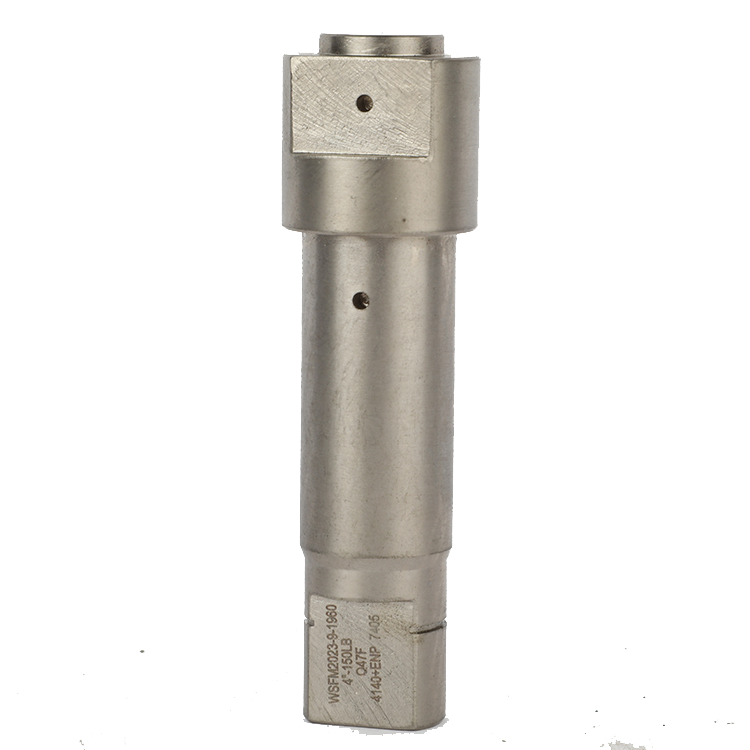
Common ball valve accessories include handles, handwheels, pneumatic actuators, electric actuators, mounting brackets, couplings, limit switches, solenoid valves, position indicators, and sealing components.
Not every ball valve requires all these accessories. A manually operated valve may need only a suitable handle, while an automated valve assembly may require an actuator, mounting hardware, and control or feedback devices. The correct configuration depends on the valve design, process requirements, and operating environment.
1. Confirm Valve Specifications and Compatibility
The first step is to identify the specifications of the existing or planned ball valve. Accessories must fit the valve mechanically and meet its operating requirements.
Important details include nominal valve size, pressure rating, connection type, stem dimensions, mounting interface, and manufacturer or model information. For actuator-driven valves, buyers should also confirm the valve’s required operating torque and the actuator’s output torque across the relevant operating conditions.
Dimensional compatibility alone is not sufficient. For example, an actuator may fit the mounting bracket but still fail to operate the valve reliably if its torque output is inadequate. Confirming both mechanical interfaces and performance requirements helps prevent installation problems and equipment damage.
2. Evaluate Operating Pressure and Temperature
Industrial ball valves may operate under changing pressure and temperature conditions. These factors influence the selection of sealing components, actuator configurations, and other accessories.
For high-temperature applications, accessory materials must retain their required mechanical and sealing properties at the expected operating temperature. Low-temperature service may require materials that remain sufficiently tough and flexible. Pressure conditions must also be considered when evaluating the valve’s pressure-containing components and sealing arrangement.
Buyers should review normal operating conditions as well as foreseeable start-up, shutdown, and transient conditions. The allowable operating limits of the complete valve assembly should be verified using manufacturer documentation rather than relying on the rating of an individual accessory.
3. Select Materials According to the Process Medium
Material compatibility is particularly important when ball valves handle corrosive chemicals, oils, gases, wastewater, or other demanding media.
Stainless steel is commonly selected for components requiring corrosion resistance and mechanical strength. Carbon steel may be suitable for certain structural or mechanical applications, depending on the environment. Brass is used in some smaller valve assemblies, while PTFE and various elastomers are commonly used in suitable sealing applications.
The correct material depends on the specific fluid composition, concentration, temperature, pressure, and exposure conditions. A material that performs well in water service may not be appropriate for a particular chemical. Before ordering accessories, verify compatibility with the manufacturer’s material data and any applicable process or industry requirements.
4. Determine Whether Manual or Automated Operation Is Required
The operating method determines which ball valve accessories are necessary.
Manual handles are suitable for many valves that are operated directly by personnel. Handwheels may be used in certain valve designs where the operating arrangement calls for them. When valves must be controlled remotely, operated frequently, or integrated into an automated process, pneumatic or electric actuators may be more appropriate.
Pneumatic actuators use compressed air and are widely used in automated industrial systems. Electric actuators use electric motors and can support convenient integration with electrical control equipment. Selection should consider operating speed, available utilities, required torque, control functions, environmental conditions, and maintenance resources.
For automated applications, the accessory package may also include mounting brackets, couplings, limit switches, solenoid valves, or position feedback devices.
5. Check Actuator Torque and Operating Frequency
Actuator sizing is a critical step in automated ball valve selection. The actuator must provide sufficient torque to operate the valve under the expected service conditions, including the effects of pressure differential, seal friction, fluid properties, and wear.
An undersized actuator may fail to complete valve travel, while an improperly selected oversized actuator can create unnecessary cost or excessive mechanical loading if the assembly is not correctly designed.
Operating frequency is another important consideration. A valve that cycles occasionally may have different requirements from one that operates repeatedly throughout a production shift. Review the manufacturer’s torque data, recommended safety margins, duty cycle, and maintenance guidance before selecting an actuator.
6. Consider Position Monitoring and Control Requirements
Some industrial systems require only open-and-close operation, while others need valve position feedback or modulating control.
Position indicators provide a visual reference for valve status. Limit switches can transmit signals when a valve reaches defined end positions, allowing control systems to monitor operation. Solenoid valves are often used to direct compressed air in pneumatic actuator systems, while positioners may be required for applications that need controlled intermediate positioning.
The appropriate accessories depend on the control architecture and required feedback. Buyers should confirm signal type, electrical requirements, communication interfaces where applicable, enclosure protection, and compatibility with the plant’s control equipment.
7. Review Installation Space and Environmental Conditions
Physical installation conditions can affect accessory selection as much as valve specifications.
In compact equipment, limited clearance may restrict the size or orientation of an actuator. Outdoor installations may require protection against moisture, dust, corrosion, and temperature extremes. Hazardous locations may also require appropriately certified electrical or pneumatic equipment according to applicable regulations.
Before placing an order, check the available installation space, mounting orientation, access for maintenance, cable routing, air supply connections, and environmental protection requirements. These checks help reduce the risk of costly modifications during installation.
Different industries place different demands on ball valve accessories. The correct selection should reflect the actual process conditions rather than relying on a standard configuration for every application.
Oil and Gas Industry
Oil and gas applications may involve high pressures, temperature variations, corrosive media, and strict safety requirements. Actuators, position monitoring devices, and sealing components should be selected according to the valve specification, process medium, operating environment, and applicable industry standards.
For automated installations, buyers should also review fail-safe requirements, actuator sizing, and any hazardous-area certification requirements.
Chemical Processing
Chemical plants handle a wide range of fluids, some of which can attack metals, polymers, or elastomers. Material compatibility should therefore be a primary consideration when selecting stems, seals, gaskets, and other wetted components.
Where remote operation or frequent switching is required, actuator selection should account for the operating torque and the plant’s control requirements. Manufacturer guidance and chemical compatibility data should be reviewed before finalizing the accessory configuration.
Water and Wastewater Treatment
Water treatment facilities use ball valves in isolation, distribution, dosing, and supporting process systems. Manual handles may be sufficient for infrequently operated valves, while actuators and position switches can support automated control.
Outdoor exposure, humidity, chemical dosing media, and maintenance accessibility should be considered when choosing materials and protective enclosures.
Power Generation and General Manufacturing
Power plants and manufacturing facilities may require reliable valve operation as part of equipment protection, utility distribution, and process control. Accessories should be selected according to operating frequency, control-system integration, environmental conditions, and the consequences of valve failure.
Standardizing compatible accessories across similar valve assemblies can also simplify spare-parts management and maintenance planning.
One frequent mistake is choosing accessories based only on price or physical dimensions. A low-cost component may not provide the required torque, material compatibility, or environmental protection. Buyers should evaluate the complete specification and expected service life rather than comparing purchase prices alone.
Another mistake is assuming that accessories from different manufacturers are automatically interchangeable. Stem profiles, mounting dimensions, couplings, and actuator interfaces can vary between valve designs. Compatibility should be confirmed before ordering replacement components.
Ignoring operating conditions can also lead to premature failure. Seals may deteriorate when exposed to incompatible fluids or temperatures, while actuators may perform poorly if incorrectly sized. In automated installations, overlooking electrical signals, air supply requirements, or control logic can create commissioning problems.
Finally, failing to plan for maintenance can increase downtime. Keeping accurate valve and accessory specifications, identifying suitable spare parts, and following manufacturer-recommended inspection procedures can help improve long-term reliability.
Before placing an order, industrial buyers should verify the following information:
Valve identification: Manufacturer, model, nominal size, pressure rating, and connection type.
Mechanical compatibility: Stem dimensions, mounting interface, bracket specifications, and coupling requirements.
Operating conditions: Fluid type, operating pressure, temperature range, and expected cycling frequency.
Material requirements: Corrosion resistance, chemical compatibility, and suitable sealing materials.
Operating method: Manual, pneumatic, or electric operation.
Control requirements: Position indication, limit switches, solenoid valves, positioners, and feedback signals where needed.
Installation environment: Available space, mounting orientation, moisture and dust exposure, and applicable hazardous-area requirements.
Quality and documentation: Product specifications, inspection records, relevant certifications, installation instructions, and maintenance guidance.
Supply and support: Replacement-part availability, technical assistance, customization options, and delivery requirements.
Providing this information to the supplier helps reduce specification errors and makes it easier to identify suitable accessories for the intended application.
Choosing the right ball valve accessories for industrial applications requires a clear understanding of valve specifications, process conditions, material compatibility, operating methods, and control requirements. Handles, actuators, sealing components, mounting hardware, and monitoring devices each perform specific functions, and their compatibility directly affects the reliability of the complete valve assembly.
By confirming mechanical interfaces, evaluating pressure and temperature conditions, selecting appropriate materials, and reviewing automation and maintenance needs, engineers and purchasing teams can reduce installation risks and improve operational performance.
For industrial buyers, working with an experienced ball valve accessories supplier can simplify technical selection, support customized requirements, and help ensure that each component meets the demands of the intended application.
Consider valve size, pressure rating, operating temperature, fluid compatibility, stem dimensions, mounting interfaces, operating torque, and automation requirements. The accessories must be compatible with the valve and suitable for the intended working conditions.
2.Which ball valve accessories are commonly used in industrial applications?
Common accessories include handles, handwheels, pneumatic actuators, electric actuators, mounting brackets, couplings, limit switches, solenoid valves, position indicators, and sealing components. The required configuration depends on the valve design and application.
3.How do I choose between pneumatic and electric ball valve actuators?
Pneumatic actuators use compressed air and are often suitable for rapid switching, while electric actuators use electric motors and can integrate conveniently with electrical control systems. Consider operating speed, torque, available utilities, control requirements, installation environment, and maintenance costs.
4.Why is material compatibility important when selecting ball valve accessories?
Different materials have different corrosion resistance, chemical compatibility, and temperature limits. Selecting suitable materials helps prevent premature wear, seal deterioration, and component failure. Always verify material compatibility with the process medium and operating conditions.
5.How do I determine the correct actuator size for a ball valve?
Check the valve manufacturer’s operating torque data and select an actuator that provides sufficient output torque under the expected operating conditions. Consider pressure differential, seal friction, operating frequency, and the manufacturer’s recommended safety margin.


 Optimized by Seraphinite Accelerator