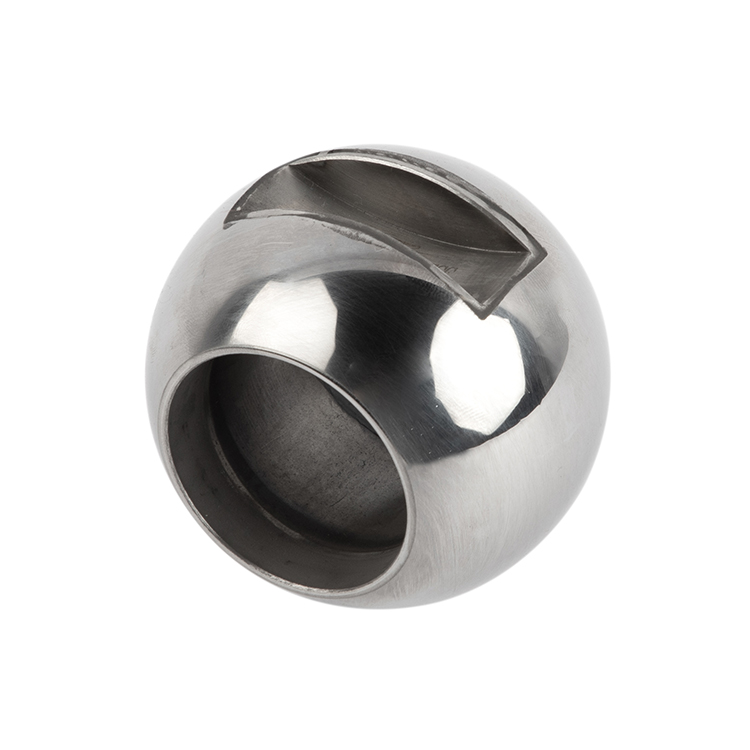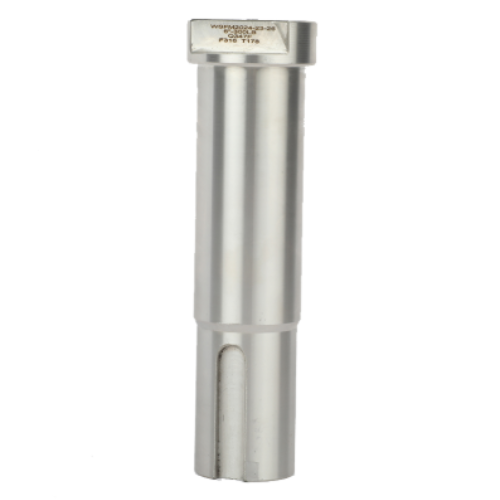

In industrial fires, temperatures can soar to 600℃ (1100℉) in a matter of minutes. In such a inferno, soft seals would have long since melted away, leaving the components inside the ball valve to withstand extreme conditions. At this point, “fire resistance” is no mere formality; rather, it relies on the seamless coordination between the ball, seat, and stem to provide your business with a lifeline.
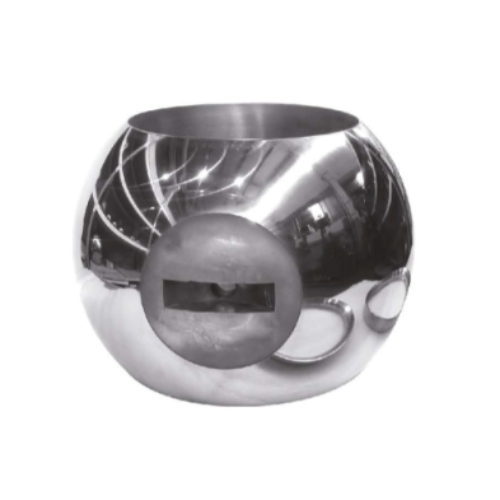
Fire safe ball valves owe their survival to a strict set of rules. Industry certifications such as API 607 and API 6FA serve as “survival exams” for valves—specifying the maximum “allowable leakage” after the valve has been thoroughly baked in a furnace.
The design’s secret weapon is called “secondary sealing.” Since the primary PTFE seat melts at high temperatures, the valve must have a metal-to-metal backup—otherwise, massive ball valve leaks are inevitable. The specialized tests must cover every angle: no internal leakage, and no water seeping down the stem externally. Even the slightest leak could send the entire plant up in smoke.
When the primary seals are consumed, these three features act as the final line of defense:
Feature 1: The Secondary Metal-to-Metal Seat
This is the internal “safety shield.” Once the soft seat melts, the spring inside—or the pressure in the pipe—will exert enough force to press the ball tightly against the valve body’s metal edge.
This metal-to-metal contact forms an emergency barrier. While this barrier may not be completely bubble-tight, it effectively holds back the downstream fluid, preventing it from escaping and fueling the fire.
Feature 2: The Anti-Blowout Stem Structure
This is the “gatekeeper” on the outside. When the fire gets out of control, the fluid trapped inside the valve body expands rapidly, creating terrifying pressure—enough to send a standard valve stem flying like a cannonball.
An anti blow out stem is designed with an internal T-shaped shoulder. Since it’s installed from the inside of the valve body, the higher the internal pressure, the more firmly it presses the valve stem against the seat—making it virtually impossible to blow out of the valve.
Feature 3: High-Temperature Stem Packing & Gaskets
Standard O-rings fail instantly when exposed to high temperatures. However, high-performance fire protection valves use flexible graphite packing. Graphite is incredibly tough—even as rubber and plastic have long since turned to ash, it still clings tightly to the valve stem, ensuring not a single wisp of air escapes.
Precision work is where the real skill lies; it directly determines whether a valve is a life-saving safety device or a deadly piece of scrap metal. At 600℃ (1100℉), metals expand and soft components burn away. Even the slightest manufacturing error can have disastrous consequences.
Surface Integrity of the Ball (Preventing Internal Leaks):
For that secondary metal-to-metal seal to work, the ball’s surface must be polished to a mirror-like shine. In a fire, there are no longer any soft plastic seats to “accommodate” the shape of the valve ball. Even the tiniest, hairline scratch on the ball’s surface will allow the frantic high-pressure gas to escape through that path. That’s why you must use precision grinding techniques—to ensure the ball and the metal seat fit together perfectly, leaving not a single gap for leakage.
Material Resilience (Preventing Structural Leaks):
Standard stainless steel tends to soften and lose its integrity when exposed to high temperatures, to the point where it can’t even hold its shape. By using a tough alloy like 17-4PH for the valve stem and ball, this material remains completely stable even in a fire scene, ensuring the anti blow out stem doesn’t deforming or tilt. Even the slightest misalignment of the valve stem—as thin as a strand of hair—can create gaps in the packing, leading to external leakage.
The Anti-Static Ball Valve Device (Preventing Ignition Leaks):
When the ball rubs against the seat, static electricity is generated. Although static sparks don’t cause leaks or gas escapes, this is a kind of “leakage” of energy—and that energy is more than enough to ignite flammable vapors. Anti-static ball valves are equipped with a special spring inside that ensures the ball, stem, and valve body are constantly grounded. Whenever a spark threatens to ignite, this design acts first to dissipate it, preventing even the slightest gas leak from eventually being triggered into a full-scale explosion by a spark.
| Standard | Manufacturing Focus | Technical Goal |
| Surface Integrity | Precision Mirror Grinding | Ensures a perfect metal-to-metal seal once soft seats burn away, preventing internal leaks. |
| Material Resilience | High-Toughness Alloys (e.g., 17-4PH) | Maintains structural shape and prevents stem deformation or tilting under intense heat. |
| Anti-Static Design | Grounding Spring Mechanisms | Dissipates static energy to prevent sparks from igniting flammable vapors. |
Can a “fire-safe” valve leak at all?
Yes. Standards like API 607 allow for a specific, small amount of leakage during and after the fire. The goal is to prevent a “catastrophic release,” not to be perfectly bubble-tight in the middle of an inferno.
Why is the finish of the ball so important for fire safety?
Because the secondary seal is metal-on-metal. Without a soft plastic seat to “form” around the ball, the seal depends entirely on the precision-ground surface of the ball matching the metal seat lip.
Is an anti static ball valve device required for all fire-safe applications?
Generally, yes. If you are in a fire-safe environment, you are likely handling flammable media. Static grounding is a basic requirement to prevent the fire from starting in the first place.
How do I verify if my ball valve components are truly fire-certified?
Ask for the test reports. True fire-safe components will have documentation showing they passed an actual burn test (like API 607) conducted by a third-party lab.
In fire prevention, your weakest link is the first to fail. Whether it’s the precision of the ball or the design of the anti blow out stem, every component must work in perfect harmony to prevent disaster when it matters most.
Your business can not compromise on safety. Contact our technical team today to equip your system with high-precision balls, seats, and stems.


 Optimized by Seraphinite Accelerator