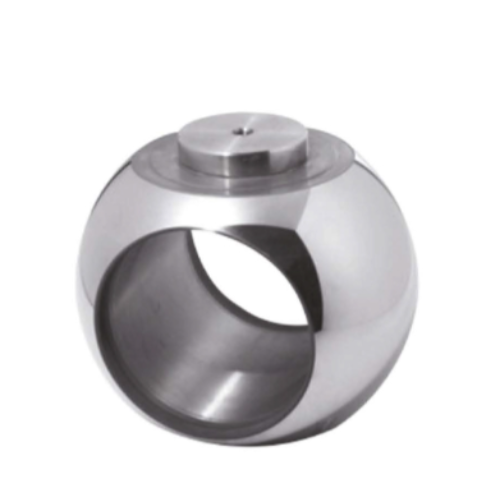
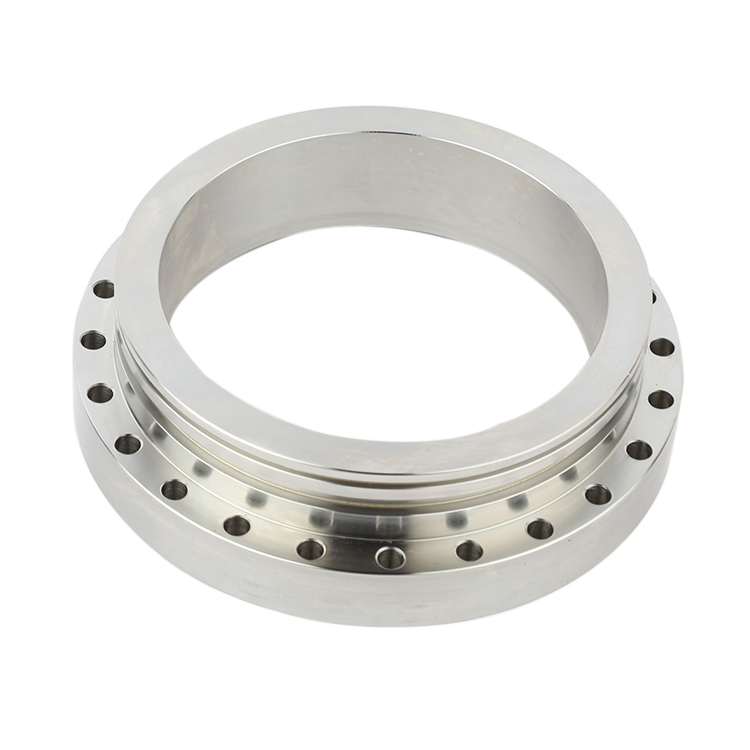
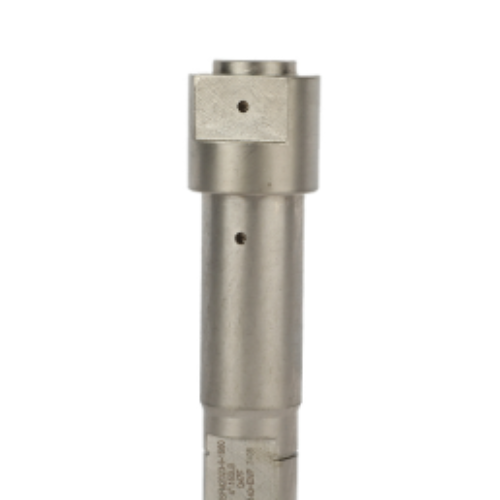
Choosing the right ball valve body material is critical for ensuring reliability, longevity, and performance in your systems. Whether you’re managing water, chemicals, or industrial fluids, the material you select can dramatically impact efficiency and safety. In this guide, you’ll learn practical tips to help you choose the best material for your specific application.
Understand the Common Ball Valve Materials
Brass
Suitable for low-pressure water and gas applications
Corrosion-resistant in freshwater environments
Affordable and widely available
Stainless Steel
Excellent resistance to corrosion and high temperatures
Ideal for chemical, food, and pharmaceutical industries
Durable and low maintenance
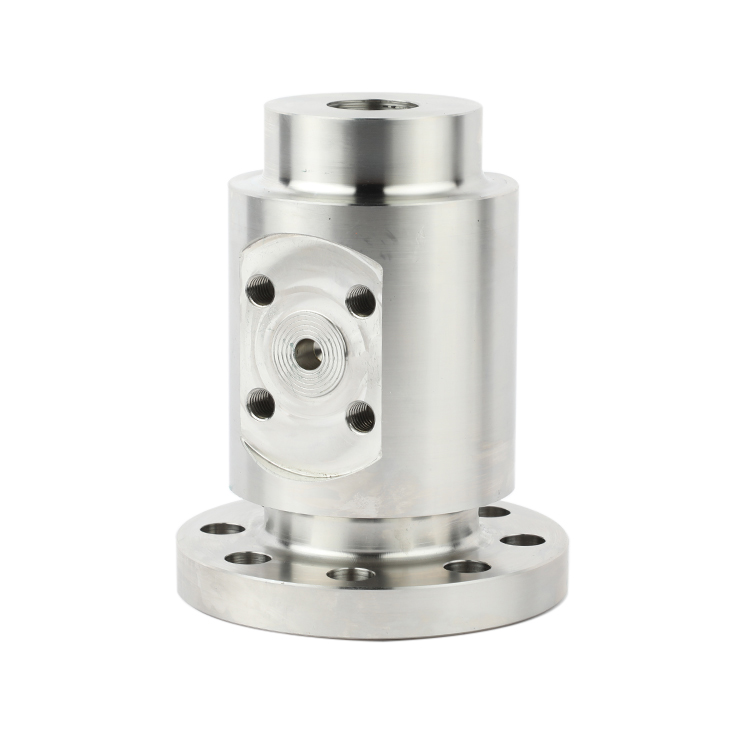
Ball Valve Body GBY1601
Carbon Steel
Strong and suitable for high-pressure applications
Not ideal for highly corrosive environments unless coated
Common in oil and gas industries
Body GBY162402 1
PVC / Plastic
Lightweight and corrosion-resistant
Suitable for low-pressure water and chemical systems
Not recommended for high-temperature applications
Consider Your Application Environment
Temperature: High-temperature fluids require stainless steel or carbon steel.
Pressure: Ensure the material can handle maximum system pressure.
Corrosion: For corrosive chemicals or seawater, stainless steel or PVC is preferred.
Fluid Type: Consider chemical compatibility to prevent degradation.
Evaluate Longevity and Maintenance Needs
Materials like stainless steel offer long-term durability with minimal maintenance.
Brass valves may require regular inspection in hard water areas.
PVC valves are easy to replace but have shorter lifespans in heavy-duty industrial use.
Cost vs. Performance
Balance upfront cost with expected longevity and maintenance.
Brass and PVC are cheaper but may need more frequent replacement.
Stainless steel is more expensive but often cost-effective in the long term due to durability.
FAQs
Q: Can I use a brass ball valve for chemical liquids?
Brass is suitable for mild chemicals but may corrode with strong acids or bases. Stainless steel is better for harsh chemical environments.
Q: Are PVC ball valves safe for hot water?
PVC is generally not suitable for high-temperature fluids. CPVC or stainless steel is recommended for hot water.
Q: How do I know if stainless steel is the right choice?
If your application involves high temperatures, corrosive fluids, or strict hygiene standards, stainless steel is usually the safest option.
Q: What is the lifespan of a carbon steel ball valve?
With proper maintenance and protective coating, carbon steel valves can last 10-15 years in high-pressure, non-corrosive environments.
Conclusion
Selecting the right ball valve body material ensures efficiency, safety, and durability in your systems. By considering the fluid type, pressure, temperature, and maintenance needs, you can make informed decisions that save time and money. Gotebball offers a wide range of high-quality ball valves to meet all your application requirements.





 Optimized by Seraphinite Accelerator