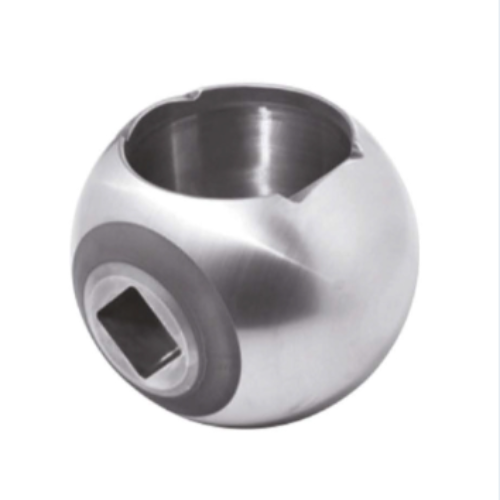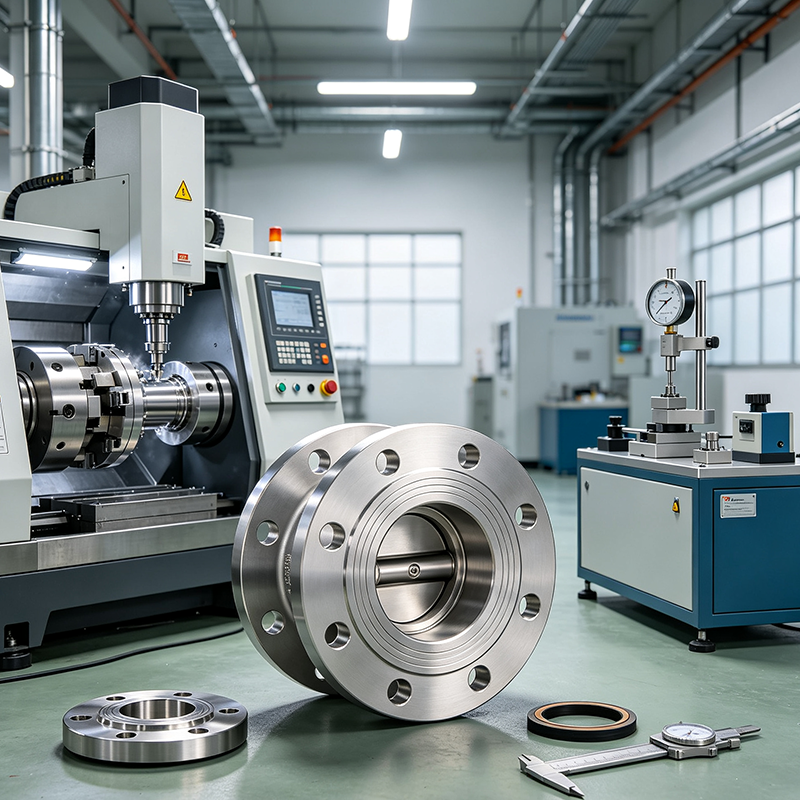


A ball valve consists of several structural components that work together to control fluid flow and maintain reliable pipeline connections. Among these components, the neck flange plays an important role in connecting structural sections, supporting mechanical stability, and ensuring compatibility with related valve components.
Understanding what a ball valve neck flange is and how it functions helps engineers, valve manufacturers, distributors, and purchasing professionals make better decisions when evaluating valve designs and specifications.
Material selection, flange dimensions, connection standards, pressure requirements, and manufacturing precision are all important factors that influence the performance and reliability of a ball valve neck flange.

A ball valve neck flange generally refers to a flanged structural section associated with the neck area of a ball valve. Depending on the valve design, it may form part of the connection between the valve body and an upper structural component or provide a mounting interface for related equipment.
The neck is the extended structural section connecting different parts of the valve assembly, while the flange provides a mechanical connection surface for fastening and assembly.
The exact configuration varies according to valve construction, manufacturer specifications, and application requirements. Therefore, buyers should confirm the component’s actual position, dimensions, and intended connection function before selecting or ordering it.
A ball valve neck flange performs several important functions that contribute to the structural integrity and assembly of the valve.
One of its primary functions is to provide a stable connection between compatible structural components. The flange surface allows components to be joined through bolts, nuts, or other specified fastening methods.
A properly designed connection helps maintain assembly stability and reduces the risk of loosening under normal operating conditions.
The neck flange contributes to the mechanical structure of the valve assembly. Its dimensions, thickness, material properties, and connection design must be suitable for the loads experienced during installation and operation.
Proper structural design helps maintain component alignment and reduces unnecessary stress on connected sections.
A flanged connection can make assembly and disassembly more convenient compared with certain permanent connection methods.
Depending on the valve configuration, technicians may be able to remove connected components for inspection, maintenance, or replacement without dismantling the entire pipeline system.
The flange provides a defined connection interface. Its dimensions, bolt-hole arrangement, and mating surface must match the corresponding component.
Accurate dimensional design helps ensure proper assembly and reduces installation difficulties.
Understanding the structural features of a neck flange helps buyers evaluate its manufacturing quality and suitability.
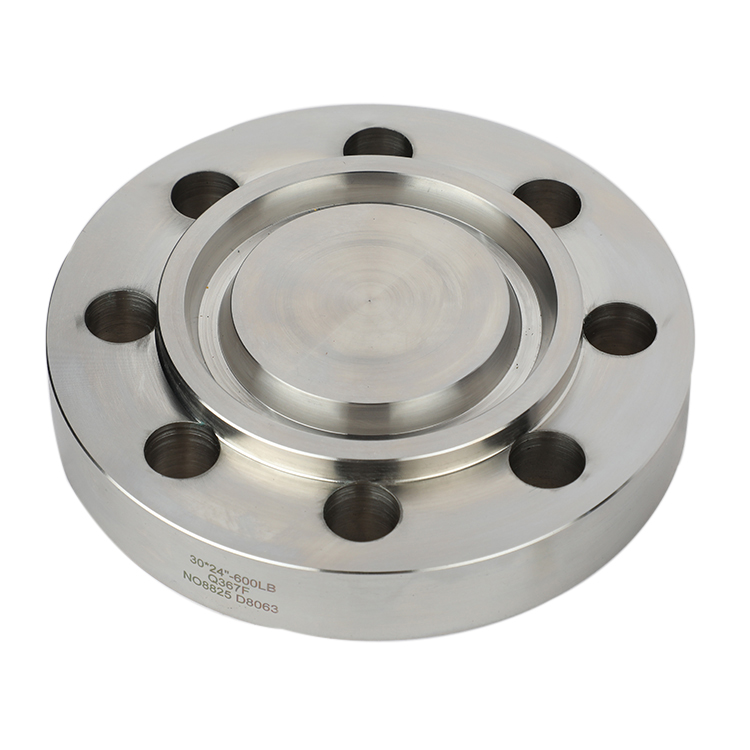
The flange face is the mating surface that connects with another component. Depending on the design, it may have different facing configurations.
Surface flatness, machining quality, and dimensional accuracy are important for achieving proper contact and connection reliability.
Bolt holes are designed to accommodate fastening components. Their number, diameter, spacing, and arrangement must match the corresponding mating flange.
Incorrect bolt-hole positioning can cause installation difficulties and uneven connection loading.
The neck section connects the flange to the relevant valve structure. Its diameter, length, wall thickness, and geometry depend on the specific valve design.
It should provide sufficient mechanical strength while meeting the required installation dimensions.
The connection area joins the neck section to the flange or adjacent structural component. Depending on the manufacturing design, this area may involve machining, forging, welding, or other manufacturing processes.
Proper manufacturing control helps maintain structural consistency and connection reliability.
Material selection directly affects mechanical strength, corrosion resistance, and service life.
Common material options include:
| Material | Main Characteristics | Typical Applications |
| Stainless Steel 304 | Good general corrosion resistance and durability | General industrial applications |
| Stainless Steel 316 | Improved resistance to many corrosive environments | Chemical and marine-related applications |
| Carbon Steel | High mechanical strength and cost efficiency | General industrial and pipeline systems |
| Alloy Steel | Suitable for specific demanding mechanical and temperature conditions | Specialized industrial applications |
The appropriate material depends on the operating environment, mechanical loading, temperature, corrosion exposure, and compatibility with connected components.
For demanding applications, buyers should confirm the material grade and request relevant material documentation from the manufacturer.
Different ball valve designs may use different neck flange connection configurations.
Bolted connections use fasteners to join compatible flange surfaces. They are commonly selected when component removal and maintenance accessibility are important.
The bolt specifications and tightening procedures should follow the manufacturer’s design requirements.
Some neck flange structures are connected to adjacent components through welding. This approach can provide a permanent structural connection.
Welding procedures, material compatibility, and inspection requirements should be considered to maintain connection quality.
In certain valve designs, the neck and flange may be manufactured as an integrated structure. This can reduce the number of separate joints and provide a compact component configuration.
The choice depends on the valve construction, manufacturing requirements, and intended application.
Several factors influence the reliability and service life of a ball valve neck flange.
Material Quality: The selected material must provide sufficient mechanical strength and resistance to the operating environment. Poor material quality may increase the risk of deformation, corrosion, or premature failure.
Dimensional Accuracy: Flange thickness, neck dimensions, bolt-hole positioning, and mating surfaces must meet the specified tolerances to ensure proper assembly.
Manufacturing Process: Forging, machining, welding, and other processes should be appropriately controlled according to the component design.
Pressure and Mechanical Loads: The neck flange and its connections must be suitable for the applicable design loads and operating conditions. The actual pressure boundary requirements depend on the specific valve construction.
Surface Quality: Scratches, cracks, burrs, and machining defects may affect assembly quality and connection reliability.
Inspection Procedures: Material verification, dimensional inspection, surface examination, and applicable testing help identify potential defects before delivery.
Selecting a suitable neck flange requires careful consideration of technical specifications and application requirements.
First, confirm the component’s structural position and intended function within the ball valve assembly. Different manufacturers may use different names for similar structural features, so technical drawings are important.
Second, check the required dimensions, including flange diameter, neck length, thickness, bolt-hole arrangement, and connection specifications.
Third, select a material that matches the operating environment and mechanical requirements. Corrosive media, temperature variations, and external environmental exposure should all be considered.
Finally, evaluate the manufacturer’s production capabilities and quality control procedures. Accurate machining, consistent materials, and reliable inspection processes are essential for producing components that meet technical requirements.
For customized projects, buyers should provide detailed drawings, material specifications, dimensional tolerances, and relevant application information.
Quality control should cover the entire manufacturing process, from raw material selection to final inspection.
Material verification helps confirm that the supplied material meets the specified grade and mechanical requirements. Dimensional inspection ensures that the neck and flange geometry match the approved drawings.
Surface inspection can identify visible defects such as cracks, scratches, and machining irregularities. Depending on the design and manufacturing process, additional non-destructive testing may be required.
For welded structures, appropriate welding procedure controls and weld inspections are important. For components forming part of a pressure boundary, inspection and testing should follow the applicable valve design and industry standards.
Working with a manufacturer that maintains documented quality control procedures helps improve product consistency and reduce procurement risks.
A ball valve neck flange is an important structural connection feature in certain ball valve designs. It helps connect compatible components, maintain assembly stability, support installation, and ensure dimensional compatibility.
Its performance depends on several factors, including material selection, structural design, manufacturing precision, connection methods, and quality inspection.
For valve manufacturers, engineers, and purchasing professionals, understanding the neck flange structure and its intended function is essential when selecting or customizing valve components. Working with an experienced manufacturer can help ensure accurate dimensions, suitable materials, and consistent product quality for different industrial applications.
1.What is a ball valve neck flange?
A ball valve neck flange is a structural connection feature associated with the neck area of certain ball valve designs. It provides a mounting or fastening interface for connecting compatible valve components.
2.What is the main function of a ball valve neck flange?
Its main functions include providing secure mechanical connections, supporting structural stability, maintaining component alignment, and facilitating assembly and maintenance.
3.What materials are commonly used for ball valve neck flanges?
Common materials include stainless steel 304, stainless steel 316, carbon steel, and alloy steel. Material selection depends on mechanical requirements, operating temperature, and corrosion conditions.
4.What are the common connection types for ball valve neck flanges?
Common configurations include bolted, welded, and integrated designs. The appropriate structure depends on the valve construction, installation requirements, and manufacturing specifications.
5.How do you choose the correct ball valve neck flange size?
Consider flange diameter, neck length, thickness, bolt-hole arrangement, connection dimensions, and applicable design drawings. Confirming compatibility with the mating component is essential.


 Optimized by Seraphinite Accelerator