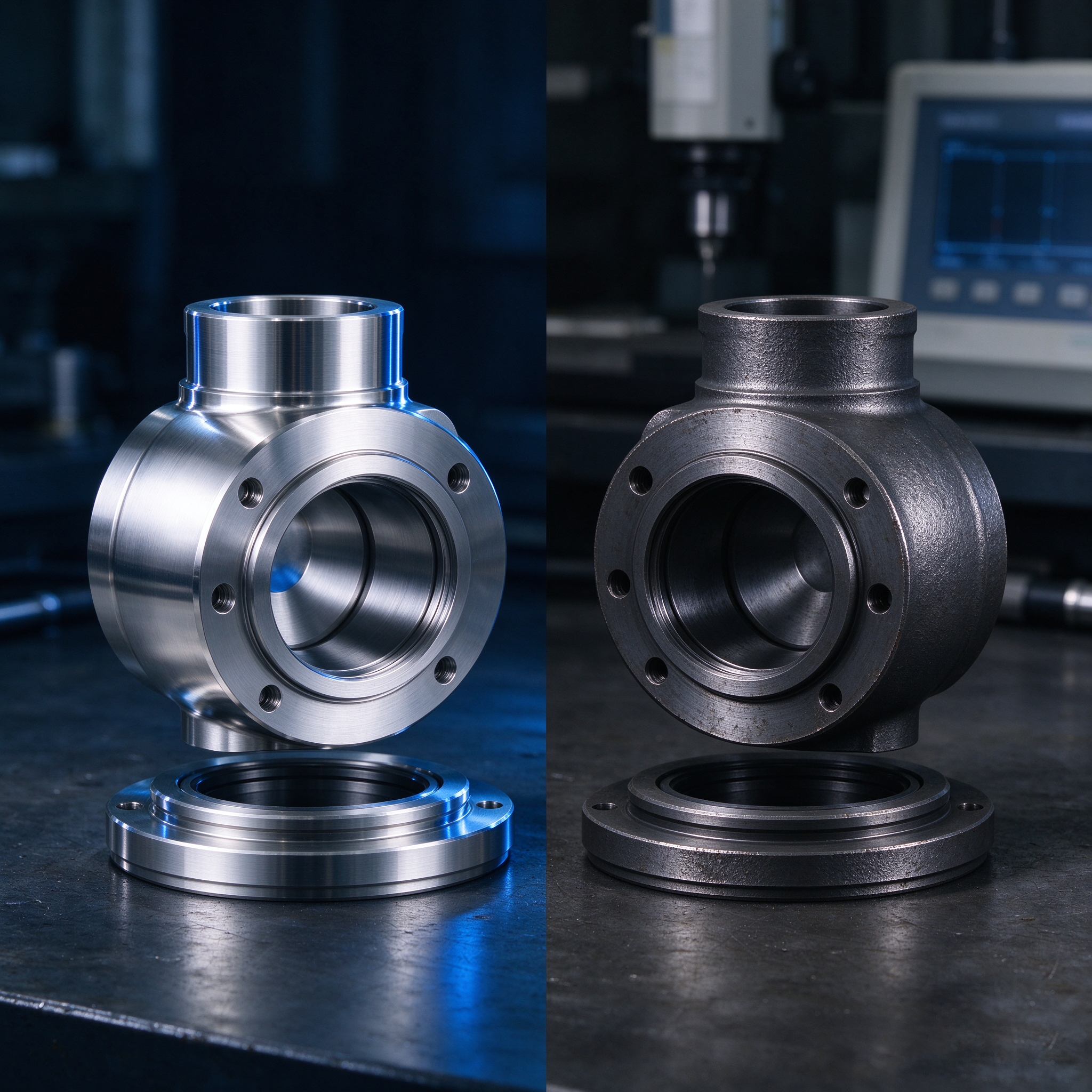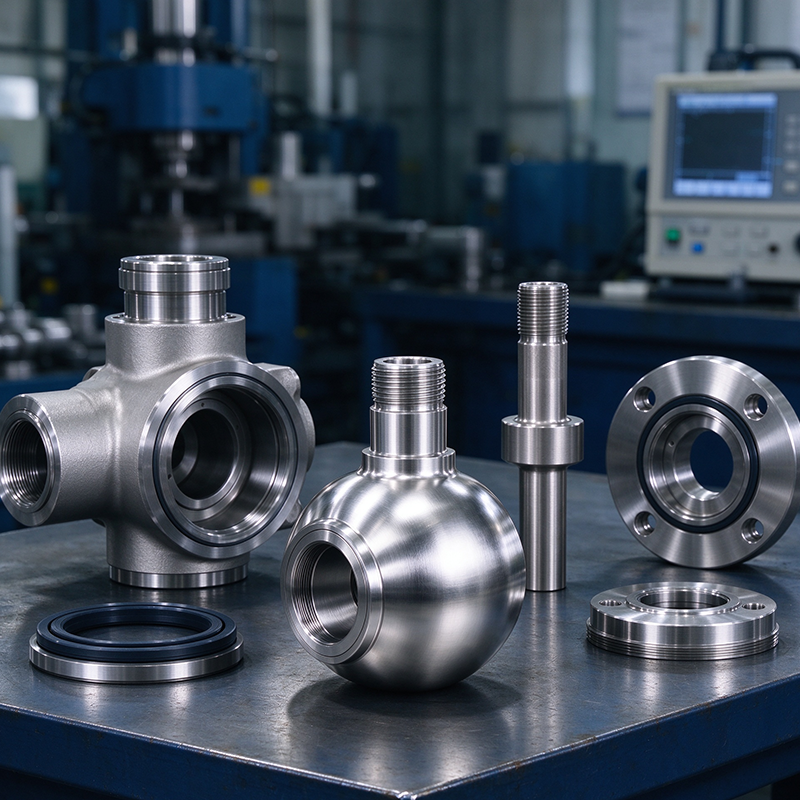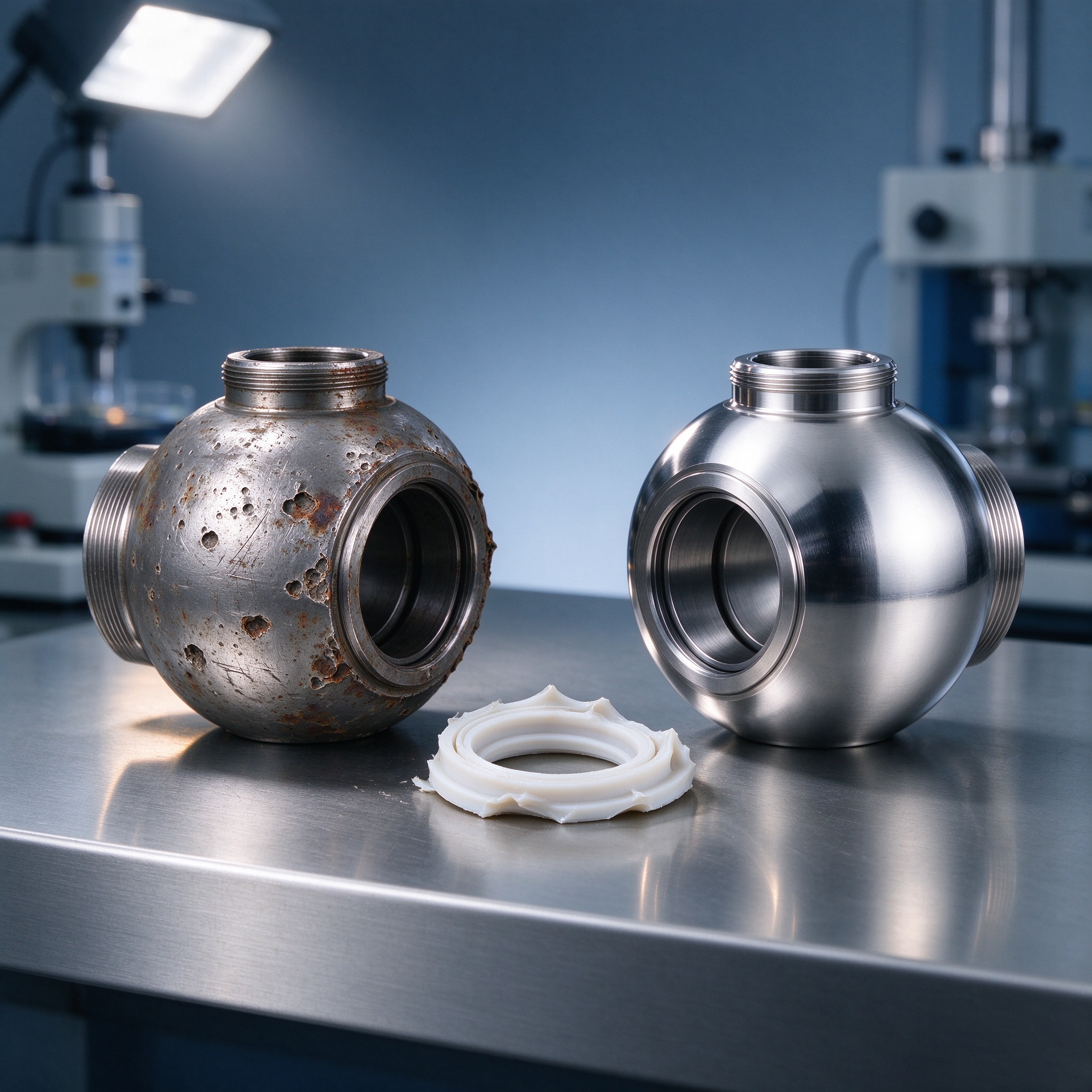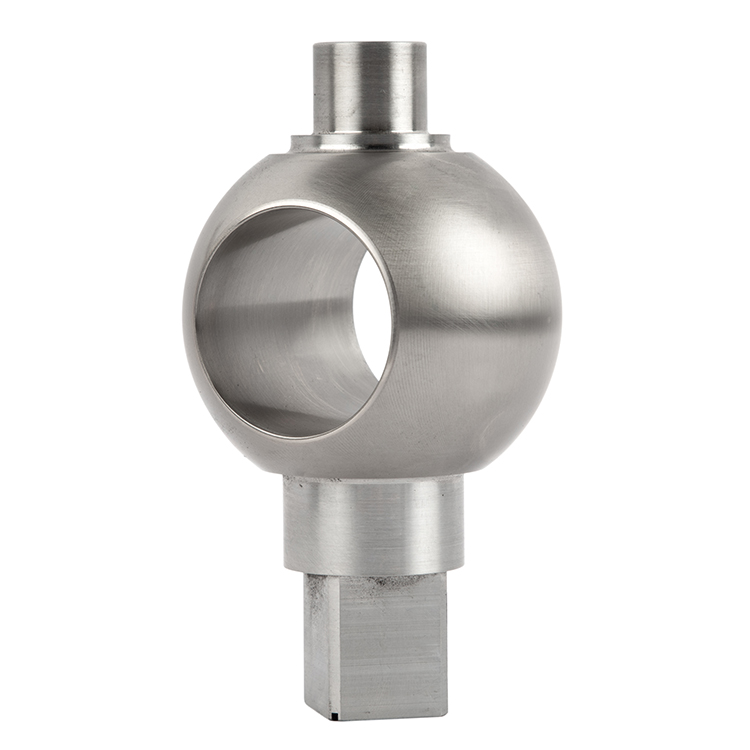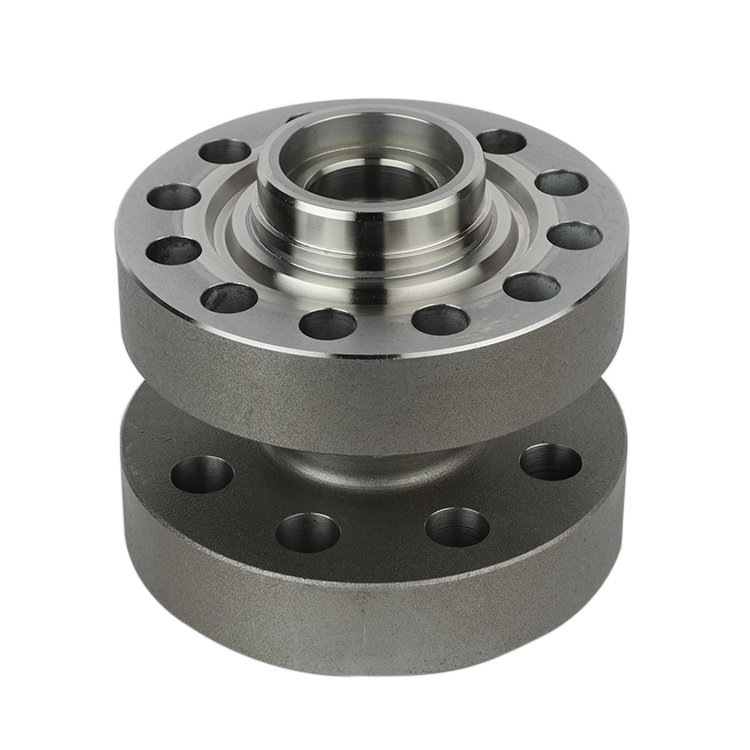

A ball valve seat is a critical component that helps create a tight seal between the ball and the valve body, preventing fluid leakage when the valve is closed. Its design, material, and surface condition directly affect sealing performance, operating torque, service life, and overall valve reliability.
For industrial valve manufacturers, distributors, engineers, and purchasing teams, understanding how a ball valve seat works is essential when selecting valves for water treatment, chemical processing, oil and gas, power generation, and other industrial applications. Different operating conditions require different seat materials and designs to achieve reliable sealing performance.
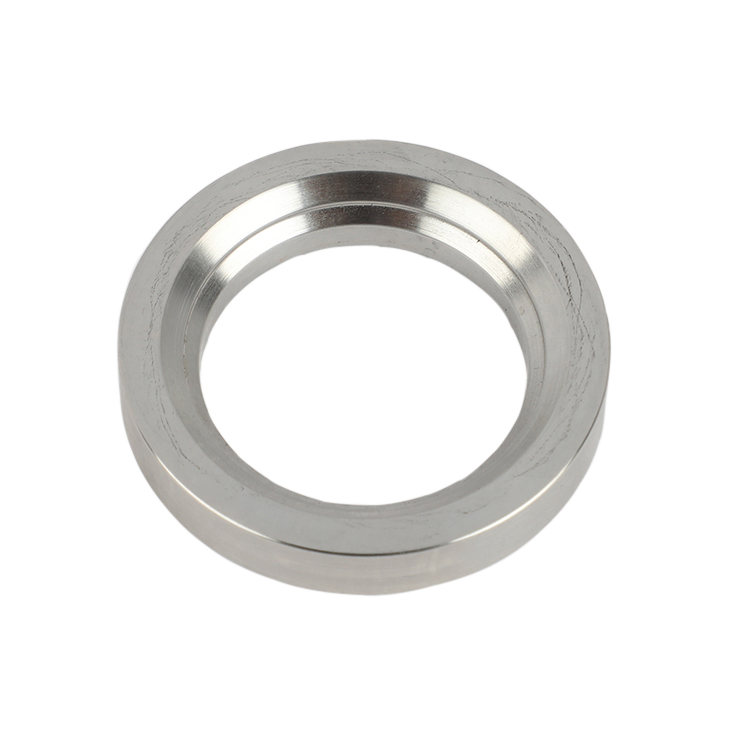
A ball valve seat is a sealing component positioned between the valve ball and the surrounding valve body. It provides a contact surface against the ball, helping control the flow of liquids or gases and prevent leakage when the valve is closed.
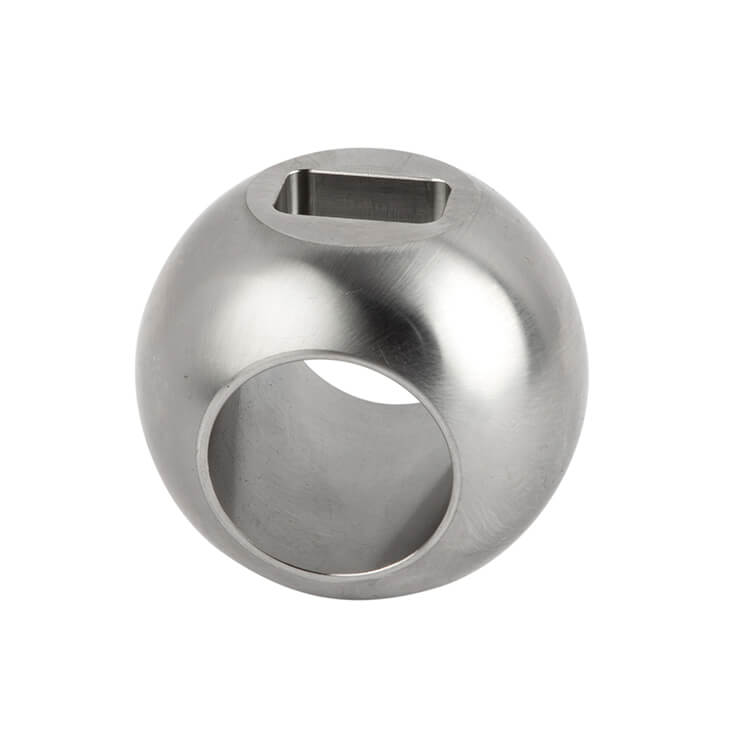
In a typical ball valve, the ball contains a central bore that allows fluid to pass through when the valve is open. When the ball rotates approximately 90 degrees, the bore moves away from the flow path, and the solid surface of the ball faces the inlet and outlet. The valve seat maintains contact with the ball to create a seal.
Ball valve seats are commonly manufactured from polymers, such as PTFE and PEEK, or from metal materials, depending on the operating conditions and valve design. The appropriate seat must withstand the working pressure, temperature, fluid characteristics, and expected operating frequency.
Although the seat is a relatively small component, its performance has a significant influence on valve tightness, durability, and maintenance requirements.
A ball valve seat works by maintaining a sealing interface between the ball and the valve body. Its operation involves several factors, including ball rotation, contact pressure, seat deformation, and the pressure of the process fluid.
When the valve is fully open, the bore through the ball aligns with the pipeline. Fluid flows through the valve with relatively little obstruction.
The seats remain in contact with or positioned close to the ball, depending on the valve design and operating conditions. Their geometry and surface finish help maintain proper alignment and prepare the sealing interface for valve closure.
When the handle or actuator rotates the ball by approximately 90 degrees, the bore moves out of alignment with the pipeline. The solid surface of the ball blocks the flow path.
The valve seats contact the ball and form sealing interfaces that prevent fluid from passing through the closed valve. In soft-seated designs, a polymer seat can deform slightly under the appropriate contact load to accommodate minor surface irregularities. In metal-seated designs, carefully controlled contact geometry and surface finishes help achieve the required sealing performance.
In many floating-ball valve designs, fluid pressure pushes the ball toward the downstream seat, increasing contact force and helping maintain the seal. The upstream and downstream seats may therefore experience different loads.
In trunnion-mounted ball valves, the ball is mechanically supported, and the sealing arrangement may use springs, pressure-energized seats, or other design features to maintain contact.
The exact sealing mechanism depends on the valve structure, pressure conditions, and seat design. Proper material selection and dimensional accuracy are essential for achieving reliable performance without excessive operating torque or premature wear.
Ball valve seats can be classified by their material, sealing mechanism, and structural design. Understanding these differences helps buyers select a suitable configuration for their applications.
Soft seats are typically manufactured from polymer materials, including PTFE, reinforced PTFE, and PEEK. These materials can provide effective sealing by accommodating small surface irregularities under suitable operating conditions.
Soft-seated ball valves are commonly used in water systems, general industrial pipelines, chemical processing, and applications requiring tight shutoff. Their suitability depends on the specific material grade, temperature, pressure, and chemical compatibility.
Metal seats are made from suitable metals or alloys and may incorporate hardened or specially treated sealing surfaces. They are often selected for applications involving high temperatures, abrasive particles, or demanding operating conditions where polymer seats may not be suitable.
Metal-seated valves generally require precise machining and controlled surface finishing. Their achievable leakage performance depends on the design, manufacturing quality, and applicable testing requirements.
Some ball valves use spring-loaded or pressure-energized seat arrangements to help maintain sealing contact as operating conditions change. These designs can compensate for certain dimensional changes and support sealing under specified pressure conditions.
The term “resilient seat” can describe different design approaches, so buyers should confirm the manufacturer’s actual seat construction rather than relying on the terminology alone.
Material selection is one of the most important factors affecting ball valve seat performance. Common materials offer different combinations of chemical resistance, temperature capability, wear resistance, and mechanical strength.
| Seat Material | Key Characteristics | Typical Applications |
| PTFE | Low friction, good chemical resistance, and effective sealing | General chemical service, water, and many corrosive fluids |
| Reinforced PTFE | Improved mechanical properties and reduced deformation compared with some unfilled PTFE grades | Industrial service requiring greater resistance to creep or wear |
| PEEK | High mechanical strength and good performance at elevated temperatures compared with standard PTFE grades | Demanding industrial applications, subject to grade and operating limits |
| Metal alloys | Potential for high-temperature and abrasion-resistant service | High-temperature, abrasive, or specialized process applications |
Not every material is compatible with every fluid or operating condition. For example, chemical resistance depends on the exact chemical, its concentration, temperature, and exposure duration. Similarly, the pressure and temperature limits of a seat depend on the complete valve design, not just the material’s published properties.
Before purchasing a ball valve, confirm the manufacturer’s pressure-temperature ratings, material specifications, and compatibility recommendations.
Several factors determine how effectively a ball valve seat seals and how long it remains in service.
High temperatures can soften certain polymer materials, increase deformation, or accelerate aging. High pressure can increase seat loading and contribute to creep, extrusion, or excessive wear when the seat is not properly designed for the application.
The selected seat must be suitable for the full operating range, including foreseeable pressure and temperature fluctuations.
The process medium may contain chemicals, solvents, oils, water, suspended solids, or other substances that affect seat materials differently. Incompatible fluids can cause swelling, degradation, cracking, or loss of mechanical properties.
Evaluating the actual fluid composition and operating conditions helps reduce the risk of premature seat failure.
The ball and seat must have suitable dimensions, geometry, and surface finishes to establish the intended sealing contact. Scratches, embedded particles, dimensional deviations, or uneven wear can create leakage paths.
Precision machining, appropriate surface treatment, and consistent quality inspection are important for maintaining reliable sealing performance.
Frequent opening and closing can increase friction and wear at the sealing interface. Suspended particles may also become trapped between the ball and seat, damaging the contact surfaces.
For high-cycle service or media containing abrasive particles, the seat design, material, and maintenance requirements should be evaluated carefully.
Ball valve seat problems can reduce sealing performance, increase operating torque, and lead to unplanned maintenance.
Seat leakage: Leakage may result from wear, scratches, contamination, material degradation, improper installation, or unsuitable operating conditions. Inspection should also consider damage to the ball and other sealing components.
Excessive wear: Repeated operation, abrasive media, excessive contact loads, and unsuitable materials can accelerate seat wear. Selecting a seat designed for the actual service conditions can help extend its service life.
Seat deformation: Certain polymer seats may deform under prolonged loading or excessive temperature and pressure. Material grade, seat geometry, and the valve’s pressure-temperature limits should be reviewed.
Increased operating torque: Excessive friction, deposits, thermal expansion, or seat damage can make a valve harder to operate. The ball, seats, stem, and actuator should be assessed together to identify the cause.
Regular inspection and correct installation can help detect problems before they cause significant leakage or operational disruption.
Selecting a suitable ball valve seat requires evaluating the application as a whole rather than choosing a material based on a single performance characteristic.
First, identify the process medium, operating temperature, working pressure, and any abrasive or corrosive components. These factors help narrow the available material options and seat configurations.
Next, consider the required shutoff performance, valve operating frequency, and expected service life. A soft seat may be suitable when tight shutoff is a priority under compatible conditions, while a metal seat may be more appropriate for certain high-temperature or abrasive applications.
Buyers should also verify the seat dimensions, tolerances, ball compatibility, installation requirements, and applicable leakage testing standards. For replacement parts, matching the original valve model and confirming the manufacturer’s specifications can help avoid sealing problems.
For OEM projects or special operating conditions, working directly with a qualified ball valve seat manufacturer can help ensure that the material, geometry, and manufacturing process meet the application’s requirements.
A ball valve seat is essential for controlling leakage and maintaining the reliable operation of a ball valve. By creating a sealing interface with the ball, it helps isolate the process medium when the valve is closed and supports consistent performance throughout the valve’s service life.
Understanding seat types, material properties, operating conditions, and common failure mechanisms enables engineers and purchasing teams to make more informed decisions. Whether selecting PTFE seats for general industrial service, PEEK seats for demanding applications, or metal seats for specialized high-temperature or abrasive conditions, compatibility and correct engineering specifications should guide the final choice.
For valve manufacturers, distributors, and industrial buyers, choosing a properly designed and manufactured ball valve seat can help improve sealing reliability, reduce maintenance needs, and support long-term operating performance.
1. What is the main function of a ball valve seat?
The main function of a ball valve seat is to create a sealing interface between the ball and the valve body, preventing fluid from leaking through the valve when it is closed. It also influences operating torque, sealing reliability, and valve service life.
2. What materials are commonly used for ball valve seats?
Common ball valve seat materials include PTFE, reinforced PTFE, PEEK, and metal alloys. The appropriate material depends on the operating temperature, pressure, fluid compatibility, wear resistance, and required sealing performance.
3. What is the difference between soft seats and metal seats in ball valves?
Soft seats use materials such as PTFE or PEEK to provide effective sealing under suitable operating conditions. Metal seats use metal sealing surfaces and are often selected for high-temperature, abrasive, or demanding industrial applications. The best option depends on the specific service conditions and required leakage performance.
4. What causes a ball valve seat to leak?
Ball valve seat leakage can result from seat wear, surface damage, trapped particles, material degradation, improper installation, or operating conditions beyond the valve’s design limits. Damage to the ball or other sealing components can also contribute to leakage.
5. How do I choose the right ball valve seat material?
Consider the process medium, temperature, pressure, chemical compatibility, operating frequency, and expected service life. Check the manufacturer’s material specifications and pressure-temperature ratings to ensure the seat is suitable for the application.


 Optimized by Seraphinite Accelerator