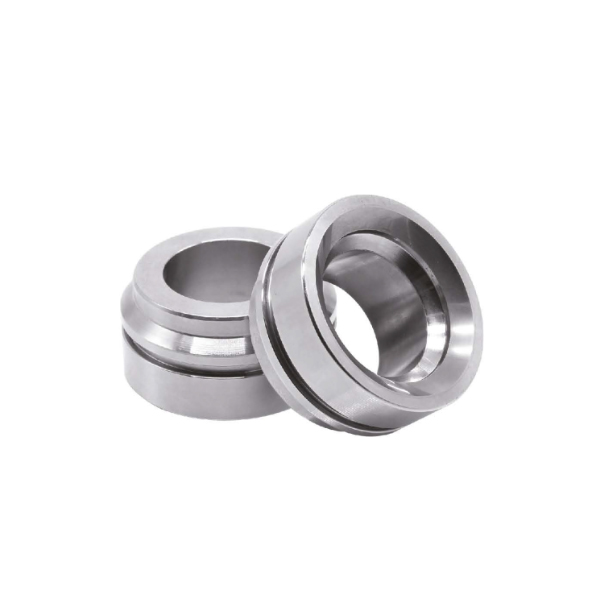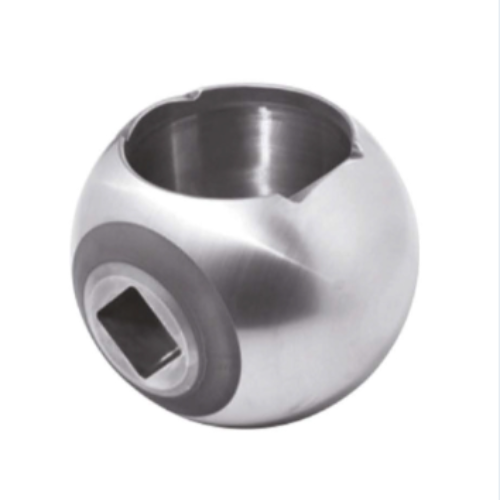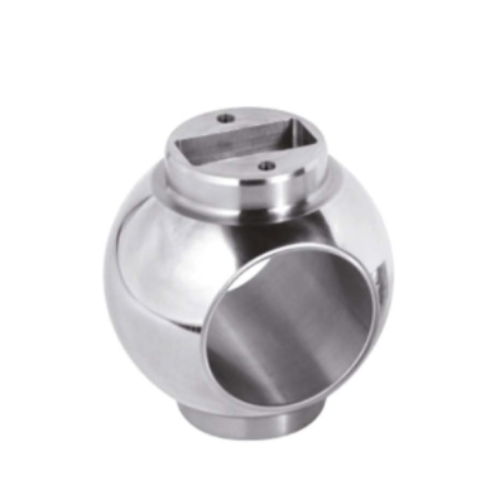


A ball valve body is the main housing component of a ball valve. It contains and supports the internal valve components, including the ball, seats, stem, and other sealing elements. The valve body also provides the connection between the valve and the piping system, making it an important part of the valve’s overall structure and performance.
Ball valve bodies are available in different materials, configurations, sizes, pressure ratings, and connection types. They are widely used in industrial piping systems for controlling the flow of liquids, gases, steam, and other media.
Understanding the structure and function of a ball valve body can help engineers, distributors, contractors, and industrial buyers select a suitable valve for their applications.

The ball valve body is the external housing that encloses the main internal components of a ball valve. It forms the pressure-containing structure of the valve and provides the necessary passages for the medium to flow through the valve.
Inside the body, a spherical ball with a central bore rotates around its axis. When the bore is aligned with the pipeline, the valve allows the medium to flow. When the ball rotates approximately 90 degrees, the bore moves perpendicular to the flow path and stops the flow.
The valve body must be strong enough to withstand the operating pressure and temperature of the system. Its material and design also need to be compatible with the medium being handled to reduce the risk of corrosion, leakage, or premature failure.
A ball valve body consists of several important structural features that work together with the internal components.
The main housing surrounds the ball and other internal parts. It provides mechanical protection and contains the pressure generated by the process medium.
The body may be manufactured as a one-piece, two-piece, or three-piece design depending on the valve configuration, maintenance requirements, and application.
The internal passage of the valve body provides a path for the medium to enter and leave the valve. Its design can influence pressure drop and flow characteristics.
For applications requiring relatively unrestricted flow, full-port ball valves are commonly used. Reduced-port designs have a smaller flow passage and may be selected when a more compact or economical valve configuration is acceptable.
The ball chamber is the internal space where the valve ball is installed. It needs to provide sufficient clearance for the ball to rotate while maintaining appropriate contact with the valve seats.
The design of this area can affect sealing performance, operating torque, and valve service life.
The valve body supports the valve seats that surround the ball. When the valve is closed, the seats press against the ball to create a seal and prevent the medium from passing through the valve.
Seat materials and design are selected according to the pressure, temperature, medium, and operating conditions of the application.
The valve body includes an opening and connection area for the valve stem. The stem connects the ball to the handle, actuator, or other operating mechanism.
When the stem rotates the ball, the valve changes between the open and closed positions.
The ends of the ball valve body connect the valve to the piping system. Common configurations include threaded, flanged, socket weld, and butt weld connections.
The appropriate connection depends on the pipe size, pressure requirements, installation method, applicable standards, and application environment.
The ball valve body performs several important functions within the valve assembly.
First, it provides the main pressure-containing enclosure for the internal components. The body must withstand the mechanical forces generated by the operating conditions without excessive deformation or leakage.
Second, it provides the internal flow path for the process medium. The geometry of the body and passage affects how efficiently the medium moves through the valve.
Third, the body supports the ball, seats, stem, and other components in their correct positions. Proper dimensional accuracy is important because small deviations can affect sealing, alignment, and operating performance.
Finally, the valve body provides the connection between the valve and the piping system. A properly designed body allows the valve to be installed securely and integrated into different types of industrial pipelines.
Ball valve bodies can be classified according to their construction.
A one-piece ball valve body is manufactured as a single main housing. This construction has fewer potential leakage points and is often used for relatively simple applications.
Because the body is not designed to be separated easily, internal maintenance and component replacement can be more limited compared with multi-piece designs.
A two-piece ball valve body consists of two main sections connected together. This design provides greater accessibility to internal components and is widely used in industrial and commercial piping systems.
Two-piece valves can offer a practical balance between construction simplicity, maintenance, and cost.
A three-piece ball valve body consists of a center section and two end sections. The design allows the center section to be removed while the end connections remain installed in the pipeline.
This configuration is particularly useful in applications where regular inspection, cleaning, maintenance, or component replacement is required.
The material of a ball valve body has a direct influence on its strength, corrosion resistance, temperature capability, and service life.
Stainless steel ball valve bodies are widely used where corrosion resistance and durability are important. Common grades include 304 and 316 stainless steel, with 316 often selected for applications involving more aggressive or corrosive media.
Stainless steel is commonly found in chemical processing, food and beverage, pharmaceutical, water treatment, and general industrial applications.
Carbon steel can provide high mechanical strength and is often used for demanding industrial applications. It may be suitable for oil and gas, power generation, and other systems where high pressure and mechanical durability are important.
However, material selection should consider the corrosive properties of the process medium and operating environment.
Brass ball valve bodies are commonly used in plumbing, water systems, HVAC, and other applications where the operating conditions are compatible with brass.
They can provide good machinability and corrosion resistance for many general-purpose applications.
Special applications may require alloy materials with specific resistance to corrosion, temperature, pressure, or chemical exposure. The material should therefore be selected based on actual operating conditions rather than price alone.
Ball valve bodies are used in a wide range of industries because ball valves can provide reliable shut-off and relatively simple operation.
Ball valves are commonly used in oil and gas pipelines, processing equipment, storage systems, and other flow-control applications. Valve body materials and pressure ratings must be selected according to the operating medium and system requirements.
Chemical processing systems may expose valve components to corrosive or aggressive media. Stainless steel or specialized alloy valve bodies may be selected depending on the chemical composition, concentration, temperature, and pressure.
Ball valves are used in water supply, wastewater treatment, filtration systems, and industrial water pipelines. Material selection depends on water quality, pressure, temperature, and installation environment.
Food and beverage processing systems require valve materials and surface finishes that are appropriate for hygienic environments. Stainless steel ball valve bodies are commonly used in applications where corrosion resistance, cleanability, and hygiene are important.
Pharmaceutical processing requires careful control of materials, surface conditions, cleanliness, and contamination risks. Suitable stainless steel valve bodies may be used in process piping and fluid-handling systems when they meet the required specifications.
Ball valves can also be found in heating, ventilation, air-conditioning, compressed-air, and general industrial piping systems. The valve body configuration and material should be matched with the system’s pressure, temperature, and medium.
When selecting a ball valve body, buyers should consider several technical factors rather than focusing on body material alone.
Material compatibility is one of the first considerations. The body should be resistant to the process medium and the surrounding environment.
Pressure and temperature ratings are also essential. The valve body must be capable of handling the maximum expected operating pressure and temperature with an appropriate safety margin.
Valve size and port design should correspond to the pipeline and required flow conditions. Full-port and reduced-port designs may provide different flow characteristics.
Connection type should match the existing piping system. Threaded, flanged, socket weld, and butt weld connections each have different installation requirements.
Body construction should also be considered. One-piece, two-piece, and three-piece designs provide different levels of accessibility and maintenance convenience.
Finally, buyers should check relevant manufacturing standards, dimensional requirements, testing procedures, material certificates, and quality-control documentation when purchasing industrial ball valve bodies.
The manufacturing process of a ball valve body depends on its material, design, size, and production requirements. Common processes may include casting, forging, CNC machining, drilling, threading, grinding, surface treatment, and dimensional inspection.
Precision machining is particularly important for areas that interact with the ball, seats, stem, and end connections. Accurate dimensions help maintain proper alignment and sealing performance.
Quality control may include material verification, dimensional inspection, pressure testing, leakage testing, surface inspection, and other tests required by the customer’s specifications or applicable standards.
For industrial buyers, choosing a manufacturer with appropriate production equipment, inspection capabilities, material traceability, and quality-control procedures can help ensure consistent valve body performance.
The ball valve body is a fundamental component that provides the main housing, pressure containment, flow passage, and connection structure of a ball valve. Its design, material, dimensions, construction, and manufacturing quality can all affect the performance and service life of the complete valve.
When selecting a ball valve body, industrial buyers should evaluate the process medium, pressure, temperature, valve size, connection type, body construction, material compatibility, applicable standards, and maintenance requirements. By matching these factors with the actual operating conditions, users can select a ball valve body that is suitable for their piping system and application.
A ball valve body is the main housing of a ball valve. It contains the ball, seats, stem, and other internal components while providing the pressure-containing structure and flow passage.
What are the main functions of a ball valve body?
The main functions include containing internal components, supporting the pressure of the process medium, providing the flow passage, maintaining component alignment, and connecting the valve to the piping system.
What materials are commonly used for ball valve bodies?
Common materials include stainless steel, carbon steel, brass, and various alloy materials. The appropriate material depends on the medium, pressure, temperature, and corrosion conditions.
What is the difference between a one-piece, two-piece, and three-piece ball valve body?
A one-piece body is manufactured as a single housing, while a two-piece body consists of two main sections. A three-piece design has a removable center section, which can make maintenance and component replacement more convenient.
Why is stainless steel commonly used for ball valve bodies?
Stainless steel provides good corrosion resistance, mechanical strength, and durability. Grades such as 304 and 316 are widely used in industrial, food and beverage, chemical, pharmaceutical, and water-treatment applications.
How do I choose the right ball valve body material?
Consider the process medium, operating temperature, pressure, corrosion conditions, required service life, and applicable industry standards. Material compatibility should be evaluated before selecting the valve body.


 Optimized by Seraphinite Accelerator