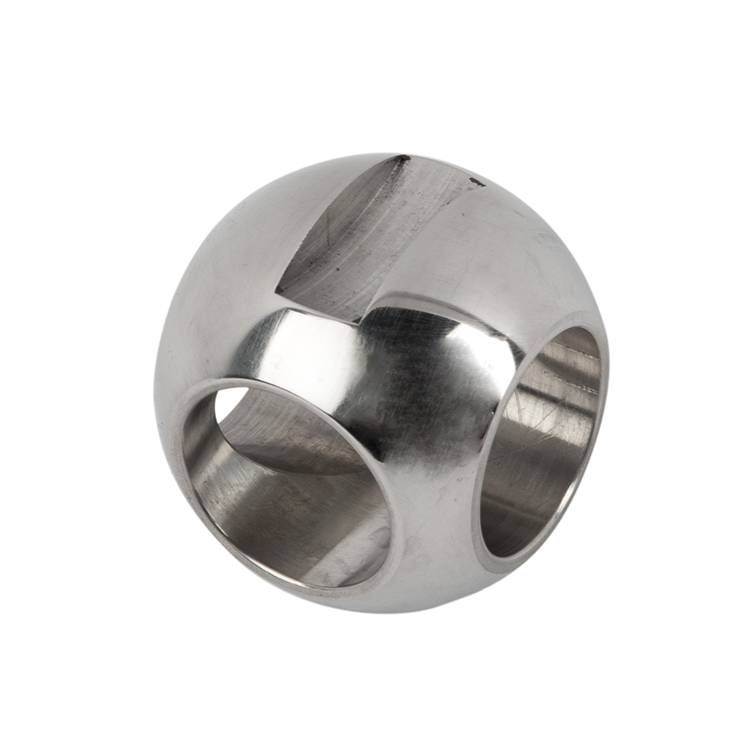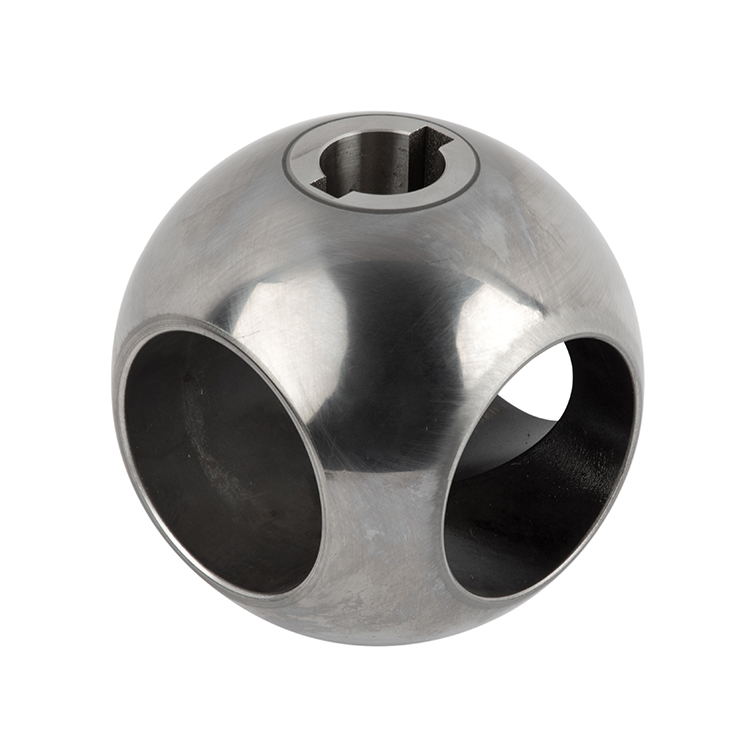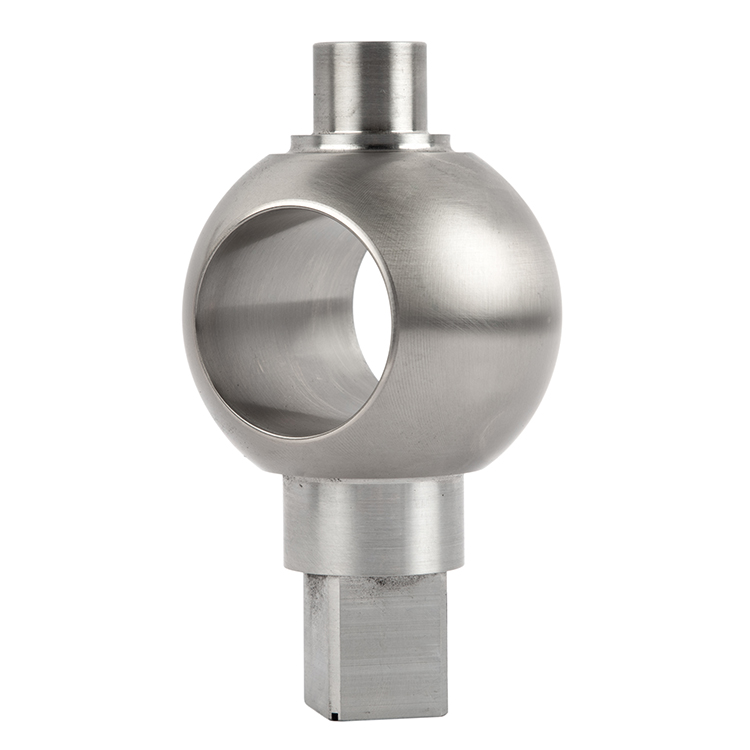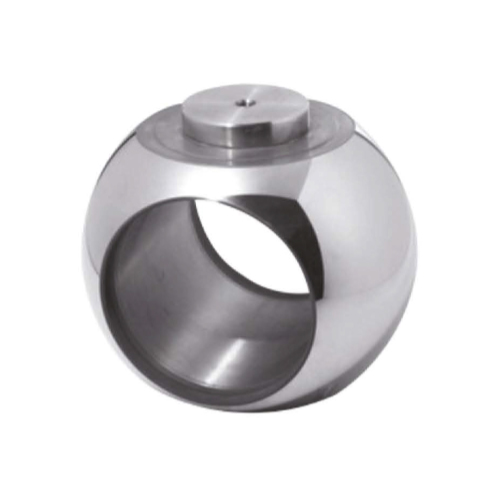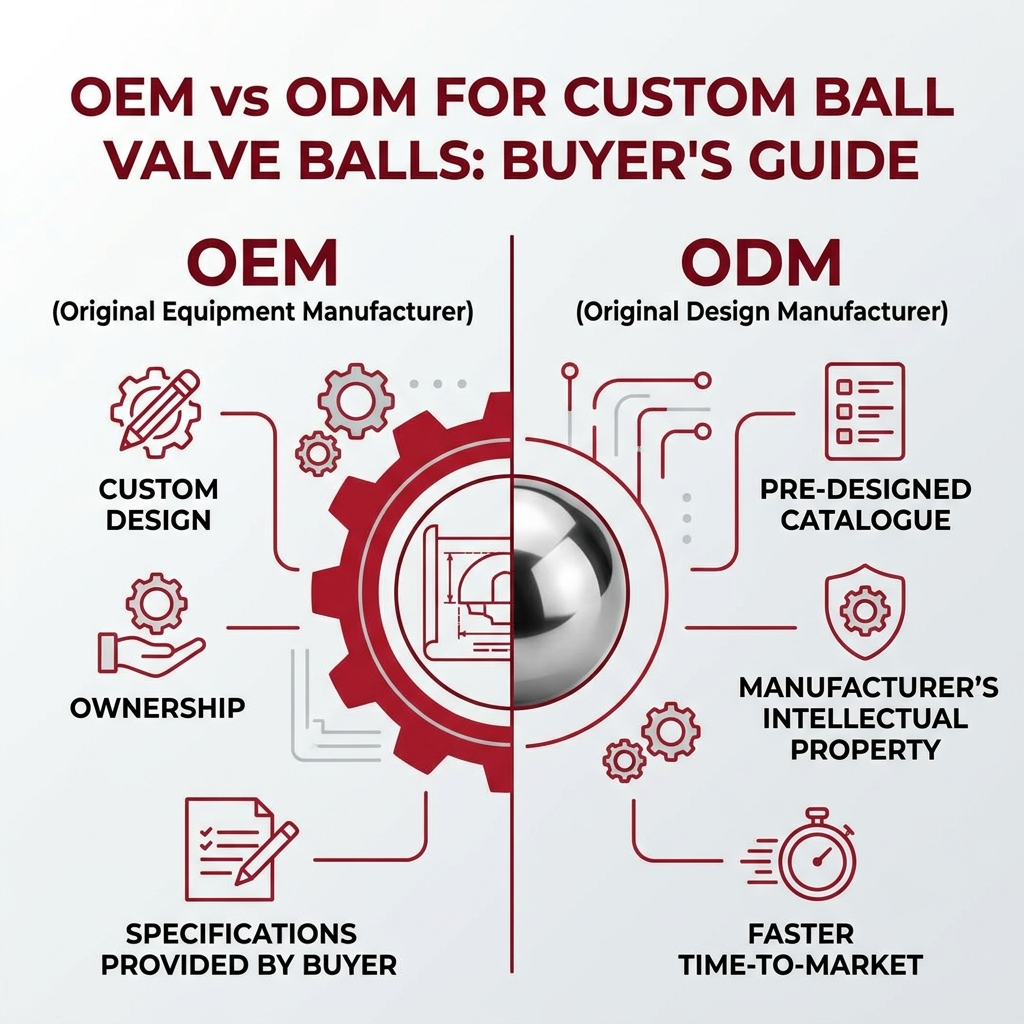


A customized ball valve ball is a precision component designed and manufactured to meet the specific requirements of a ball valve assembly. As the rotating element responsible for controlling the flow passage, the valve ball has a direct relationship with sealing performance, flow characteristics, operating torque, and overall valve reliability.
Standard ball valve balls are suitable for many conventional valve designs, but industrial applications often require non-standard dimensions, materials, port configurations, surface finishes, or connection designs. Customized manufacturing allows valve manufacturers and industrial buyers to specify these characteristics according to the requirements of their equipment and operating environment.
Understanding the available materials, designs, and manufacturing options can help buyers communicate technical requirements more effectively and select a suitable customized ball valve ball for their application.
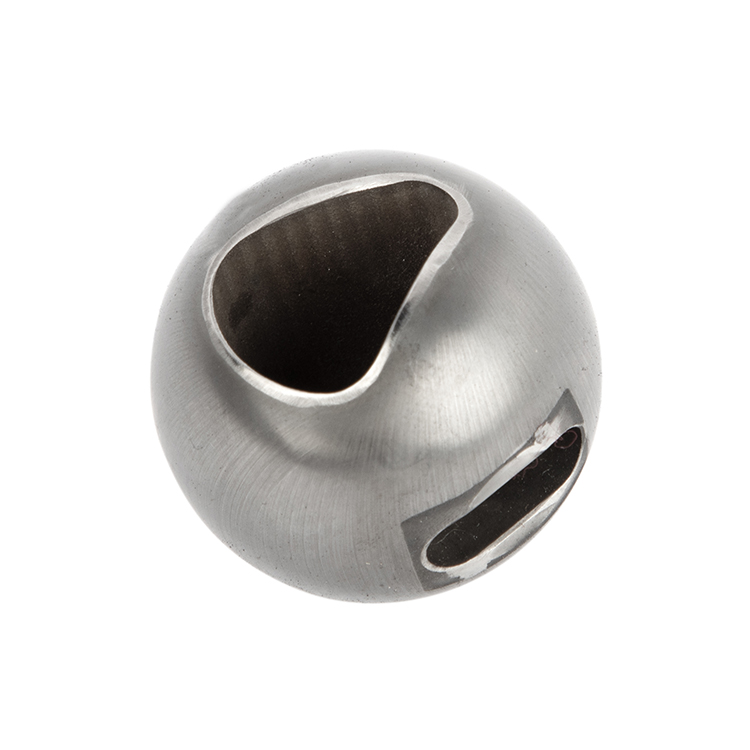
A customized ball valve ball is a valve ball manufactured according to customer-defined specifications rather than a fixed standard configuration. The customization may involve the ball material, diameter, bore, port design, stem connection, surface finish, dimensional tolerances, or other features.
The ball is installed inside the valve body and works together with the valve seats and stem. When the stem rotates the ball, the flow passage changes position, allowing the valve to open or close the flow path.
Because the ball needs to match several other valve components, customization is often used when standard components cannot provide the required dimensional or functional compatibility.
Material selection is one of the first considerations when developing a customized ball valve ball. The appropriate material depends on the valve’s operating environment, including the medium, pressure, temperature, corrosion conditions, and mechanical requirements.
Stainless steel is widely considered for industrial ball valve applications because of its corrosion resistance and mechanical properties. Different stainless steel grades can provide different combinations of corrosion resistance, strength, and temperature performance.
Stainless steel customized ball valve balls may be used in applications involving water, chemicals, food processing, pharmaceutical equipment, and general industrial piping, depending on the specific grade and operating conditions.
Carbon steel can be considered when mechanical strength and cost are important factors. It may be suitable for certain industrial applications where the operating medium and environment do not require the corrosion resistance associated with stainless steel.
Surface treatment or coating may also be considered depending on the application and required protection.
Alloy steels can provide specific mechanical or temperature-related properties that may be required in demanding applications. The appropriate alloy depends on the pressure, temperature, medium, and mechanical requirements of the valve.
When selecting an alloy material, buyers should consider not only material strength but also corrosion resistance, machinability, surface treatment, and compatibility with the valve seats.
The design of a ball valve ball can vary according to the structure and function of the valve. Customization allows manufacturers to adjust critical features to match the complete assembly.
The flow passage through the ball is an important design feature. A full-port ball generally provides a larger flow passage, while a reduced-port ball has a smaller opening.
The appropriate configuration depends on the valve design and flow requirements. A customized ball can be manufactured with the required bore dimensions to match the intended valve configuration.
Different applications may require different port geometries. In addition to conventional straight-through designs, specialized valves may use particular port configurations for specific flow-control requirements.
The port should be designed according to the valve’s intended function, flow characteristics, and connection with the surrounding piping system.
The connection between the ball and stem is another important customization area. The ball needs to transfer the rotational movement of the stem reliably during valve operation.
Different valve designs may require different stem connection geometries. A customized ball valve ball can be machined to match the required stem interface and actuator arrangement.
The ball diameter must be compatible with the valve body, seats, and internal structure. Precise machining is particularly important because dimensional differences can affect installation, rotation, sealing, and operating torque.
For replacement components, manufacturers can use original samples or technical drawings to determine the required ball geometry.
Surface finish is an important consideration for ball valve balls because the ball interacts directly with the valve seats during operation.
Grinding and polishing processes can be used to achieve the required surface condition. A suitable finish can support smooth ball rotation and consistent contact with the sealing surfaces.
The required surface finish depends on the ball material, valve seat material, sealing design, operating conditions, and application requirements. For precision valve applications, surface quality should be clearly specified and verified during inspection.
Different manufacturing processes may be used depending on the ball design, material, required precision, production volume, and surface requirements.
CNC machining can be used to produce precise dimensions and customized geometries. Computer-controlled machining allows manufacturers to work with customer drawings and control critical dimensions during production.
For customized ball valve balls, CNC turning, milling, drilling, and other machining operations may be combined depending on the design.
Grinding can be used to improve dimensional accuracy and surface quality after machining. This process is particularly relevant when close tolerances or smooth sealing surfaces are required.
The grinding process needs to be properly controlled to maintain the required spherical geometry and dimensional consistency.
Polishing can improve the surface finish of the ball after machining and grinding. The required polishing level depends on the application and interaction between the ball and valve seats.
For applications with demanding sealing requirements, surface finishing may be an important part of the overall manufacturing process.
The flow passage through the ball can require precision drilling or other machining operations. The process depends on the required port diameter, geometry, and ball design.
Accurate port machining is important because the flow passage needs to meet the customer’s specified dimensions and remain properly aligned with the valve assembly.
Customized components require clear control of critical dimensions. The outside diameter, bore, stem connection, and other features should be manufactured within the specified tolerances.
Quality inspection may include dimensional measurement, visual inspection, surface finish inspection, material verification, and other checks based on the customer’s requirements.
For high-volume production, maintaining consistent tolerances from one batch to another is particularly important. Consistent manufacturing helps ensure that customized ball valve balls remain interchangeable within the specified valve assembly.
Different industries can require different ball valve characteristics. Chemical processing applications may place greater emphasis on corrosion resistance and material compatibility, while oil and gas applications may involve demanding pressure and temperature conditions.
Water treatment systems may require corrosion-resistant materials, while food and pharmaceutical applications can have specific requirements for materials and surface finishes. General industrial applications may prioritize a combination of dimensional accuracy, durability, cost, and production efficiency.
Customization allows the ball design and material to be adapted to the specific requirements rather than relying on a single configuration for every application.
The customization process generally begins with the customer’s technical requirements. These may include a drawing, sample, specifications, material requirements, and application information.
The manufacturer then reviews the design and confirms the critical dimensions, material, machining requirements, surface finish, and inspection criteria. After production, the finished ball can be inspected against the agreed specifications.
For new designs, sample or prototype production can provide an opportunity to verify dimensions and compatibility before larger-scale production begins.
The appropriate manufacturing process depends on the complexity and precision requirements of the customized ball valve ball. Simple designs may require conventional machining combined with finishing, while more demanding components may require CNC machining, precision grinding, and controlled polishing.
Production volume is another consideration. Prototype and small-batch orders may require a different production approach from high-volume manufacturing. The supplier should be able to balance dimensional accuracy, production efficiency, and cost while maintaining the required quality.
Buyers should therefore evaluate the manufacturer’s equipment, machining capabilities, inspection processes, material options, and experience with customized valve components.
Before placing an order, buyers should provide clear information about the required ball diameter, bore, material, port configuration, stem connection, surface finish, and tolerances.
Application conditions should also be communicated. Information about the operating medium, pressure, temperature, and expected operating frequency can help the manufacturer understand the component’s intended working environment.
For replacement parts, providing an original ball or technical drawing can make the customization process more accurate. For new valve designs, detailed engineering drawings and specifications are particularly useful.
A customized ball valve ball can be manufactured in different materials, designs, and configurations to meet the requirements of industrial valve assemblies. Stainless steel, carbon steel, and alloy steel are among the materials that may be considered, while ball diameter, port configuration, stem connection, surface finish, and dimensional tolerances can be customized according to the valve design.
Manufacturing options such as CNC machining, precision grinding, drilling, and polishing can be combined to achieve the required dimensions and surface quality. The appropriate process depends on the material, design complexity, tolerance requirements, production volume, and intended application.
For valve manufacturers and industrial buyers, providing complete technical specifications and working with a supplier capable of precision machining and quality inspection can help ensure that the customized ball valve ball meets the requirements of the complete valve system.
1. What materials are commonly used for customized ball valve balls?
Common materials include stainless steel, carbon steel, and alloy steel. The appropriate material depends on the valve’s operating pressure, temperature, medium, corrosion conditions, and mechanical requirements.
2. Can stainless steel ball valve balls be customized?
Yes. Stainless steel ball valve balls can be customized according to required dimensions, port configurations, stem connections, surface finishes, and dimensional tolerances. The specific stainless steel grade can also be selected according to the application.
3. What designs can be customized for a ball valve ball?
Customization may include ball diameter, bore size, full-port or reduced-port configuration, port geometry, stem connection, surface finish, and other dimensions required for compatibility with the valve assembly.
4. What manufacturing processes are used for customized ball valve balls?
Depending on the design and precision requirements, manufacturing may involve CNC machining, turning, drilling, precision grinding, and polishing. Several processes may be combined to achieve the required dimensions and surface finish.
5. Why is grinding important for a customized ball valve ball?
Precision grinding can improve dimensional accuracy and surface quality after machining. It can help achieve the spherical geometry and smooth surface required for proper interaction between the ball and valve seats.
6. Does surface finish affect ball valve performance?
Yes. Surface finish can influence friction, sealing, and smooth rotation between the ball and valve seats. The required finish should be determined according to the valve design, materials, and operating conditions.


 Optimized by Seraphinite Accelerator