
Do you want a valve that’s absolutely leak-proof, or do you just want it to last a few more years? To be honest, soft-seated ball valves are sufficient for about 80% of applications—they’re hassle-free and cost-effective. But when you encounter those tough operating conditions, that plastic seat inside is bound to fail first. That’s when you need to switch to a metal seat—it’s the lifesaver that keeps the machines in your factory running nonstop.
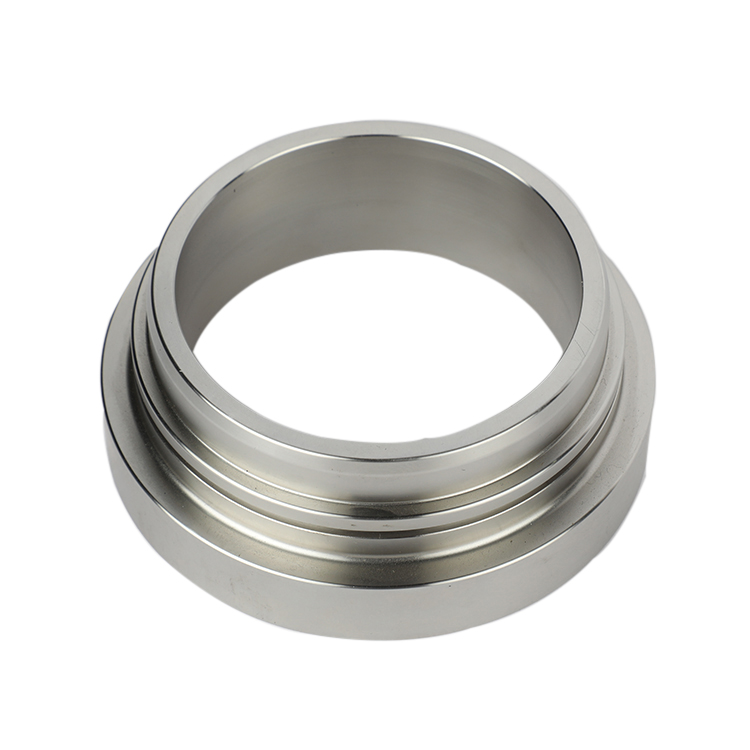
It all starts with the materials.
Soft Seats: These use polymers like PTFE or PEEK. Their key feature is their softness; when pressure is applied to the center of the ball, they deform slightly like modeling clay, effectively holding the ball firmly in place.
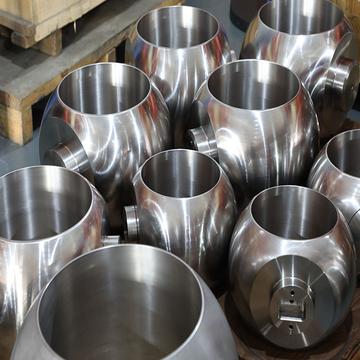
Metal Seats: There’s not a hint of softness here—it’s all about hard-on-hard alloys like Stellite or Tungsten Carbide. A tight seal requires precision lapping, grinding the ball and seat to fit together as perfectly as a key and a lock.
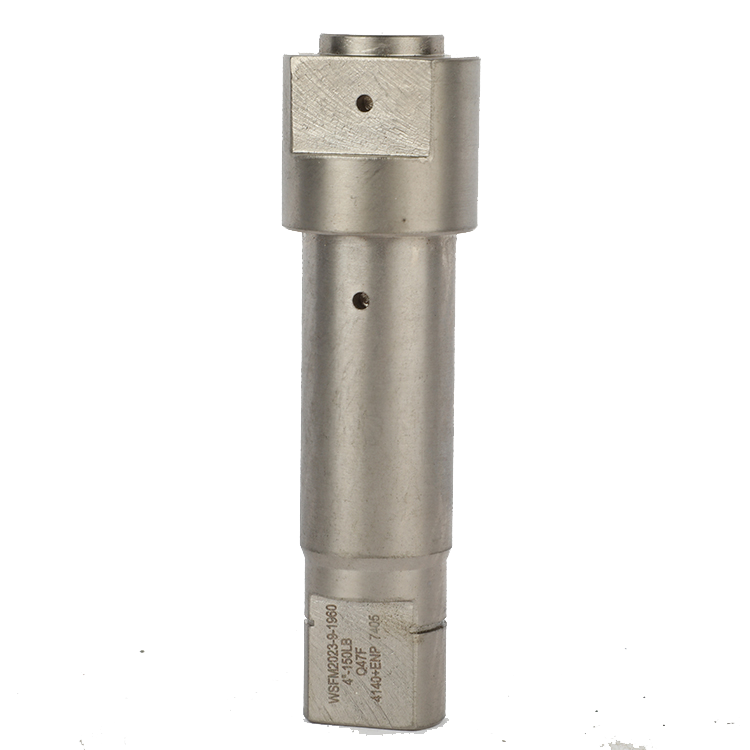
However, the friction between metal and metal is quite significant. So you’ll need a thicker, harder valve stem and a more powerful actuator to open or close it completely.
Sealing Performance: Soft seats give you “Bubble-Tight” shutoff. If your pipes carry dangerous substances like toxic gases or strong acids—where even the slightest leak is absolutely unacceptable—go with a soft seated ball valve. As for metal seated ball valves, they’re more like “tough guys.” Under high pressure, they might “weep” a tiny bit, but their strength lies in their ruggedness and durability; they won’t suddenly fail like plastic ones might.
Maintenance Frequency: Soft seat ball valves are essentially “consumables”; from the moment you buy them, you need to be mentally prepared to replace them at any time. Metal valve seats are a different story—they’re built to handle the toughest, dirtiest jobs. Although they may cost a bit more upfront, you won’t have to take the ball valve apart and do ball valve seat replacements every three months. The savings in downtime and labor costs alone will more than cover the cost of several new ones.
If your valves keep failing, one of these three things is probably “killing” your soft seats. You may need to consider the severe service ball valve.
Too Much Heat: Most PTFE seats start to “cook” and soften above 200℃ (400℉). Once it warps from heat and can no longer withstand the pressure, the valve will no longer seal properly. At that point, you’ll need to replace it with a high temperature ball valve.
Abrasive Grit: If sand or slurry gets trapped in the pipes, these particles act just like sharp knives. They can instantly cut deep wounds into the soft plastic valve seat. But a hardened metal seat isn’t affected by this at all; it remains smooth because metal is much harder than these debris.
Pressure Squeezing: If the pressure is too high, the soft plastic will suffer from “cold flow.” The valve seat gets compressed like toothpaste and is squeezed out of its groove. Once this ring of material shifts out of position or pops out of its groove, it will lead to a total ball valve failure.
| Failure Cause | What Happens to the Soft Seat (PTFE) | The Result | Recommended Solution |
| Too Much Heat | Softens and “cooks” above 200°C (400°F). | The seat warps and can no longer hold a seal. | High Temperature Ball Valve |
| Abrasive Grit | Sand or slurry acts like sharp knives. | Deep cuts and “wounds” are sliced into the plastic. | Hardened Metal Seat |
| Pressure Squeezing | High pressure causes “cold flow.” | The material is squeezed out of its groove like toothpaste. | Severe Service Ball Valve |
Keep it Soft: If your pipes carry clean water, air, or oil at normal temperatures—substances that aren’t hot or cold and aren’t very corrosive—a soft seat ball valve will do the job perfectly. It’s the most cost-effective choice.
Go Metal: When faced with steam, abrasive slurry, or temperatures reaching 230°C (450°F), ordinary valves simply won’t cut it. In such situations, there’s no alternative—you’ll need to switch to a heavy-duty ball valve designed to withstand high temperatures and wear and tear to keep things under control.
Whether it’s a metal seated floating ball valve used on small-diameter lines or a metal seated trunnion ball valve in large-diameter, high-pressure main pipelines, you need to choose the “armor” that best suits the fluid flowing through the pipe.
Can I just swap soft seats for metal ones in my old valve?
No. Metal seats need different body machining and a much harder ball valve ball. If you put metal seats against a standard ball, they will chew each other up in a few cycles.
Why is the handle so much harder to turn on metal valves?
Metal-on-metal friction is high. To get a seal, the seats have to push hard against the ball. That’s why these valves need heavy-duty stems and big levers.
Is there a “middle ground” material?
You can use Carbon-filled PTFE or PEEK. They handle more heat than standard plastic, but they still aren’t a match for true metal-to-metal sealing if there’s sand or grit involved.
Will metal seats scratch my ball?
Only if the ball isn’t hardened correctly. In a good setup, the ball will be harder than the seat.
When it comes to selecting seals, you need to know what you’re doing. For clean, straightforward applications, soft seats are perfectly suitable; but when you’re dealing with those brutal operating conditions, you’ll need to bring in a tough, no-nonsense solution like a metal seat. The harsher the conditions, the more you need high-quality components—it’s the only way to keep your system running smoothly.
Still unsure which valve seat can handle your application? Don’t guess—let our team conduct a material assessment for you. Contact us today for a customized quote.


 Optimized by Seraphinite Accelerator