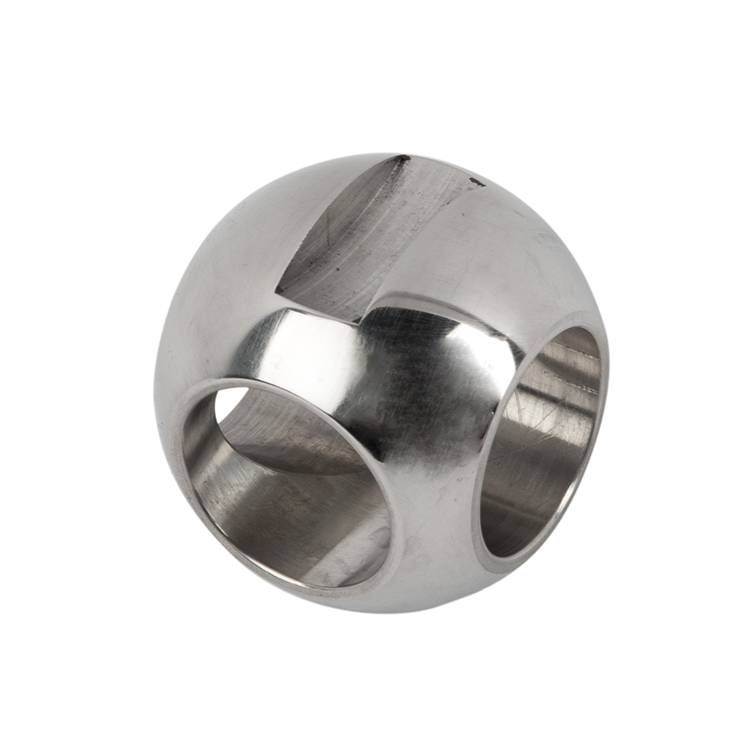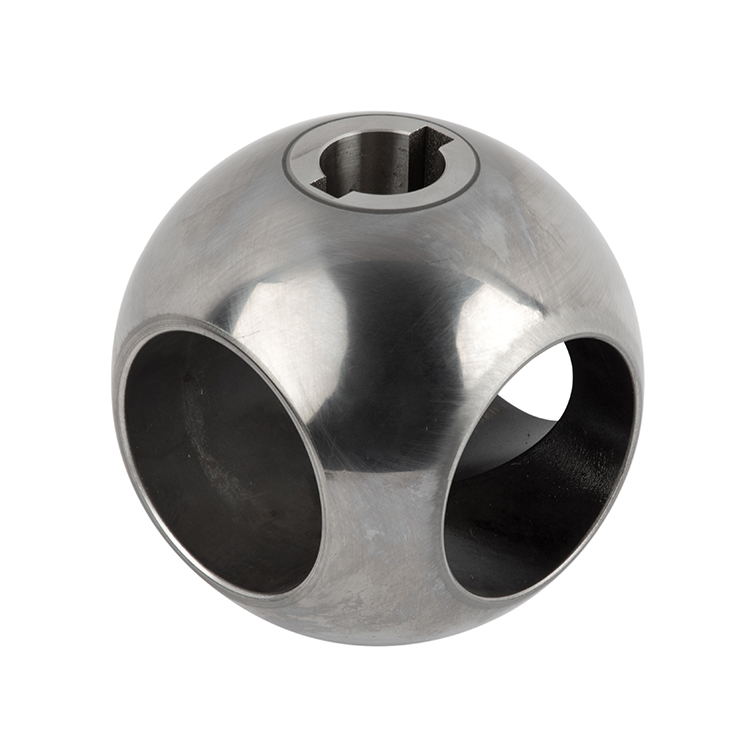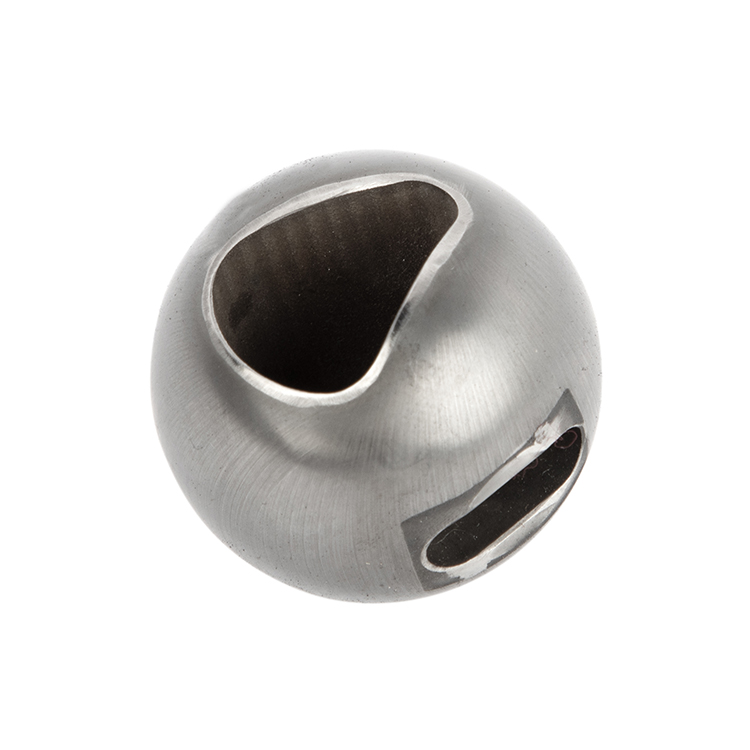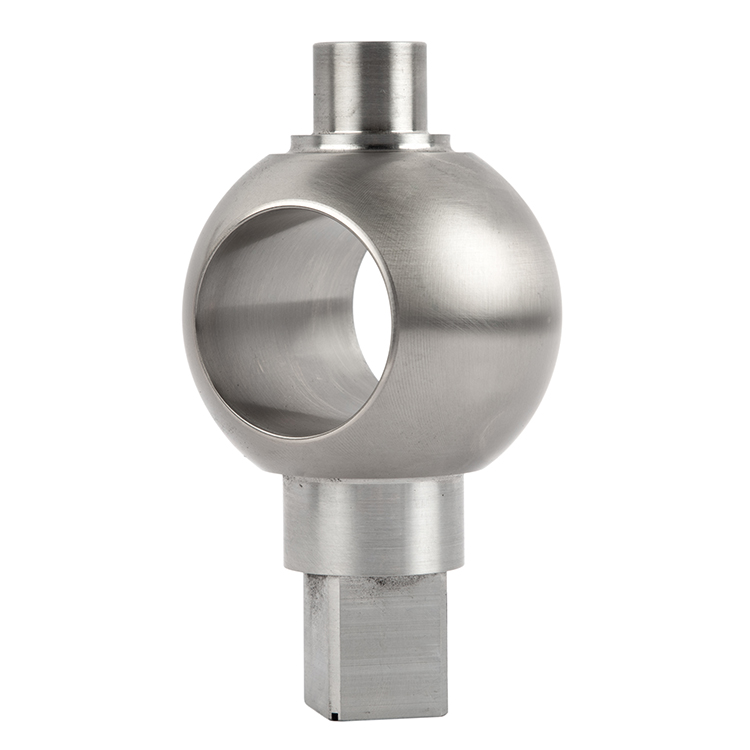

Understanding how a ball valve stem is designed is crucial for ensuring smooth operation and reliable performance. The stem connects the actuator or handle to the ball inside the valve, directly affecting operating torque. Choosing the right ball valve stem design can minimize resistance, improve efficiency, and extend valve life. In industrial systems, the correct stem design ensures consistent control without unexpected torque spikes, which is vital for both manual and automated operations.

Stem GBM 1641
Ball valve stem design refers to the structural features, materials, and geometry of the stem, which transmits motion from the actuator or handle to the valve ball. A well-designed stem balances strength, durability, and low friction.
The main parts include the stem body, stem tip, packing surface, and interface with the actuator. Each part contributes to torque efficiency, smooth rotation, and sealing integrity.
Optimized stems often feature low-friction surfaces, precise alignment, and materials that resist wear and corrosion. Standard stems may require higher torque, experience faster wear, and cause uneven ball rotation.
The stem transmits rotational force from the handle or actuator to the ball. Any misalignment or surface friction directly increases valve operating torque, making operation harder.
Stem diameter, shape, and engagement with the ball determine torque efficiency. Optimized geometry reduces the required force while maintaining control.
Proper alignment prevents binding and uneven torque distribution, ensuring smooth rotation and predictable performance under varying pressures.
Friction occurs at stem bearings, packing, and ball interfaces. Reducing unnecessary contact points lowers the operating torque.
Polished surfaces and lubricated contacts minimize resistance. Surface treatments can enhance torque performance and reduce wear over time.
Over time, wear increases friction and torque. Selecting materials with high wear resistance is essential for long-term efficiency.
Stainless steel, carbon steel, and alloy materials are commonly used. Material choice affects both strength and friction characteristics.
Stronger materials resist deformation under high pressure, preventing torque spikes and ensuring consistent operation.
Corrosion increases surface roughness and friction. Choosing corrosion-resistant stems maintains predictable ball valve torque in harsh environments.
Designing for low torque involves reducing friction, optimizing alignment, and selecting materials that provide smooth movement without compromising strength.
Low torque stems reduce operator fatigue, improve actuator efficiency, and increase overall system reliability, especially in high-frequency operations.
Optimized stems facilitate both automated control and manual operation, allowing predictable torque performance regardless of actuator type.
A carefully designed ball valve stem is central to reliable valve operation. By considering stem geometry, materials, friction control, and wear resistance, operators can maintain consistent valve operating torque and extend service life. For high-quality industrial ball valves, solutions from Goteb provide optimized stem designs and durable components suitable for demanding applications.
How does ball valve stem design affect operating torque?
The stem transmits force to the ball; design, alignment, and friction determine torque levels.
What causes high operating torque in industrial ball valves?
Misalignment, friction at contact points, wear, or inadequate material strength.
How does valve stem material influence torque performance?
Stronger, low-friction materials reduce torque and maintain stable operation under pressure.
What defines a low torque ball valve stem design?
Reduced friction, precise alignment, and optimized material selection for smooth rotation.


 Optimized by Seraphinite Accelerator