

The design of a ball valve stem and its components plays a pivotal role in industrial systems. Proper design ensures smooth operation, reduces torque, enhances durability, and improves overall system reliability. Understanding how stems and components work together helps operators select the right valves and optimize performance for chemical, oil, gas, and water treatment applications.
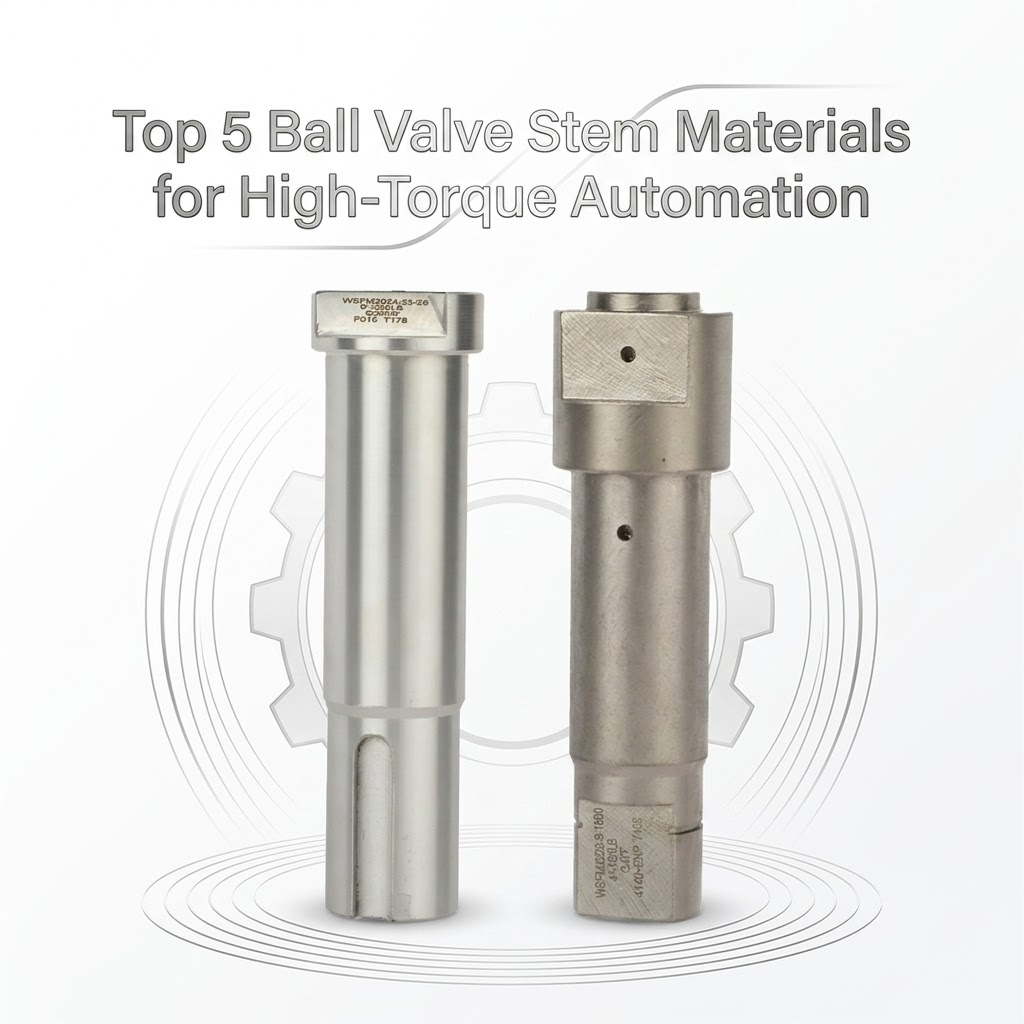
The stem connects the actuator or handle to the ball inside the valve. Its geometry, alignment, and material determine torque efficiency, wear resistance, and operational stability.
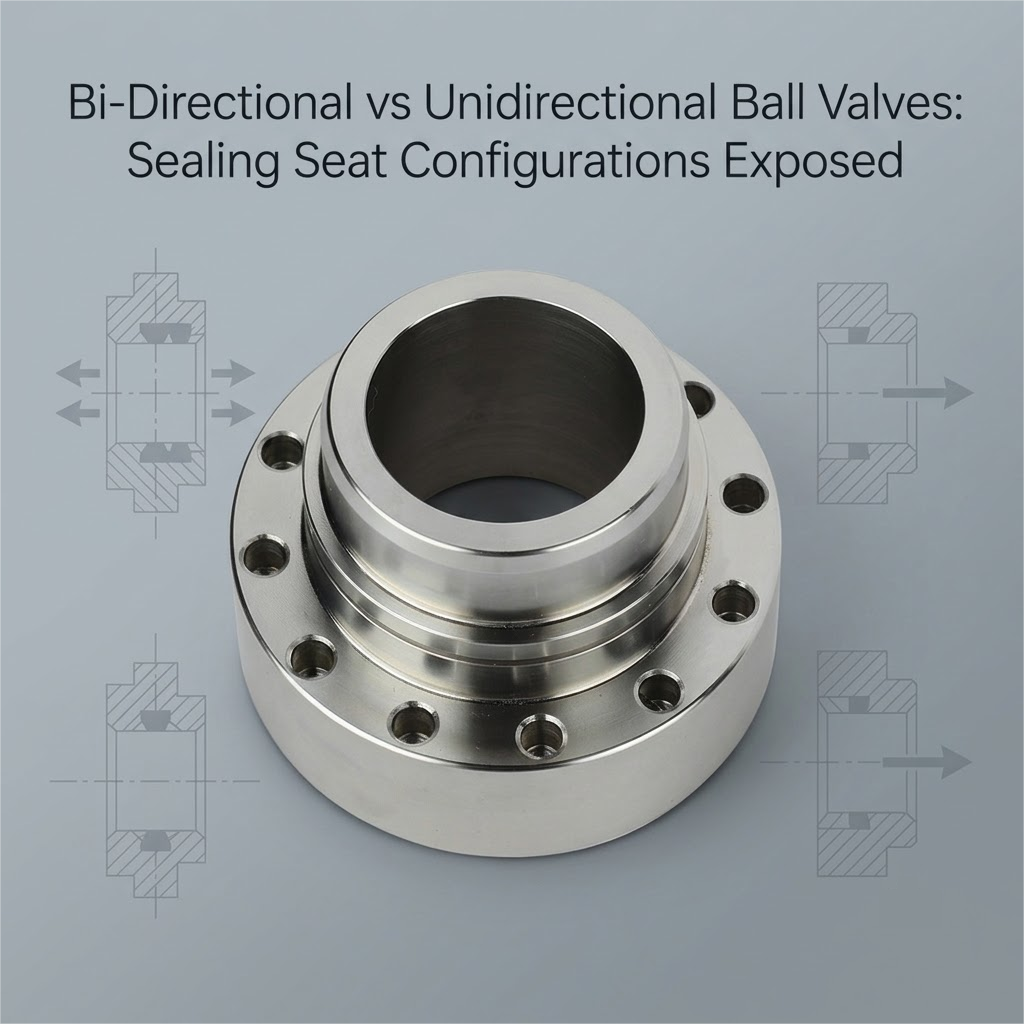
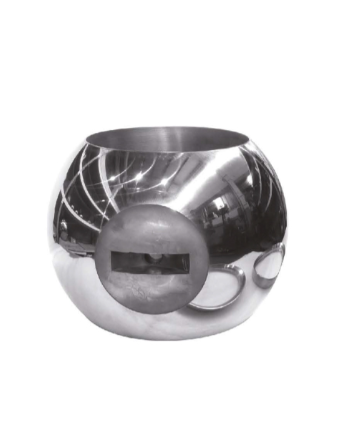
Ball valve components include the ball, seat, body, stem, and seals. Each part contributes to flow control, sealing performance, and long-term reliability.
Optimized stems and components feature low-friction surfaces, precise alignment, corrosion resistance, and material enhancements. Standard designs may require higher torque and have shorter service life.
The stem transmits rotational force to the ball. Optimized stem design reduces operating torque while maintaining smooth operation.
Proper alignment prevents binding, uneven torque, and potential leaks, ensuring predictable performance under varying pressures.
Features like anti-blowout design and reinforced stems enhance safety in high-pressure applications, protecting both operators and equipment.
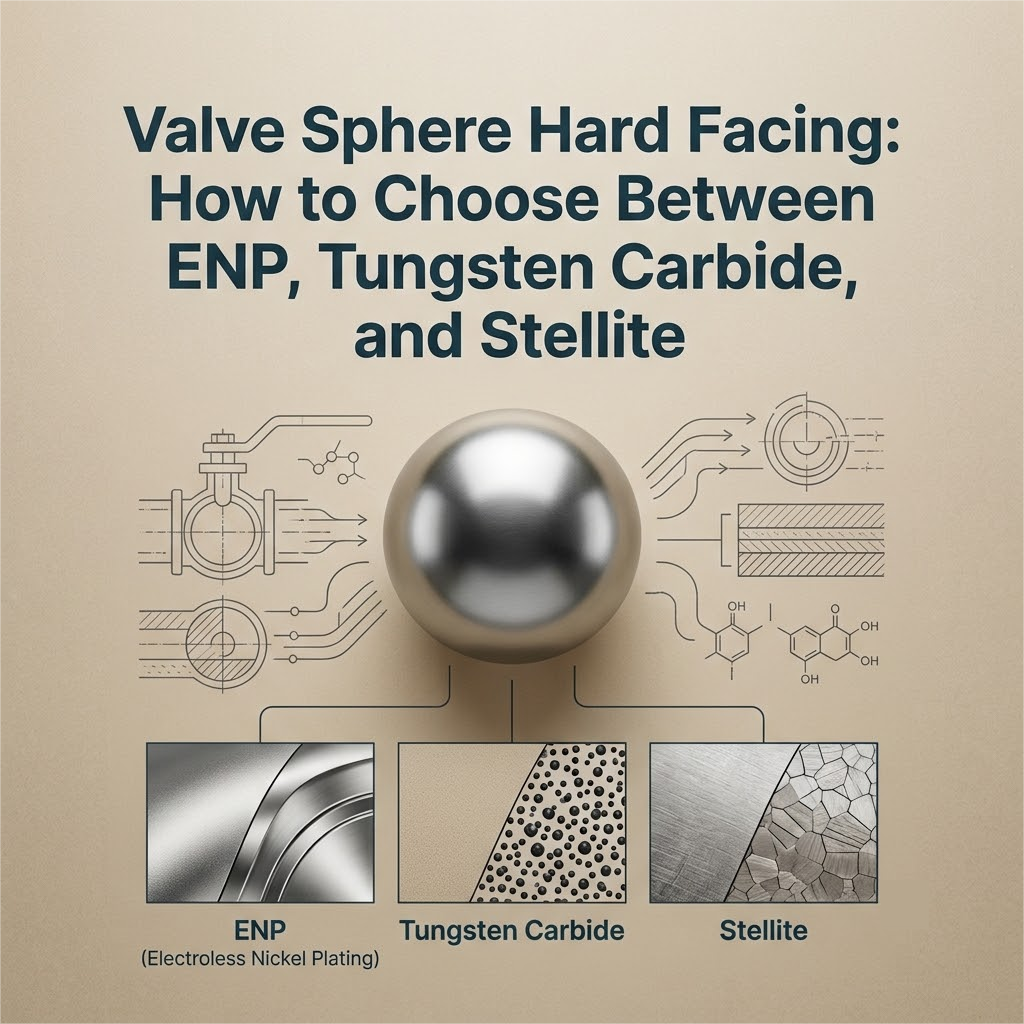
High-quality materials for stems, balls, and seats resist wear, corrosion, and deformation, improving valve longevity.
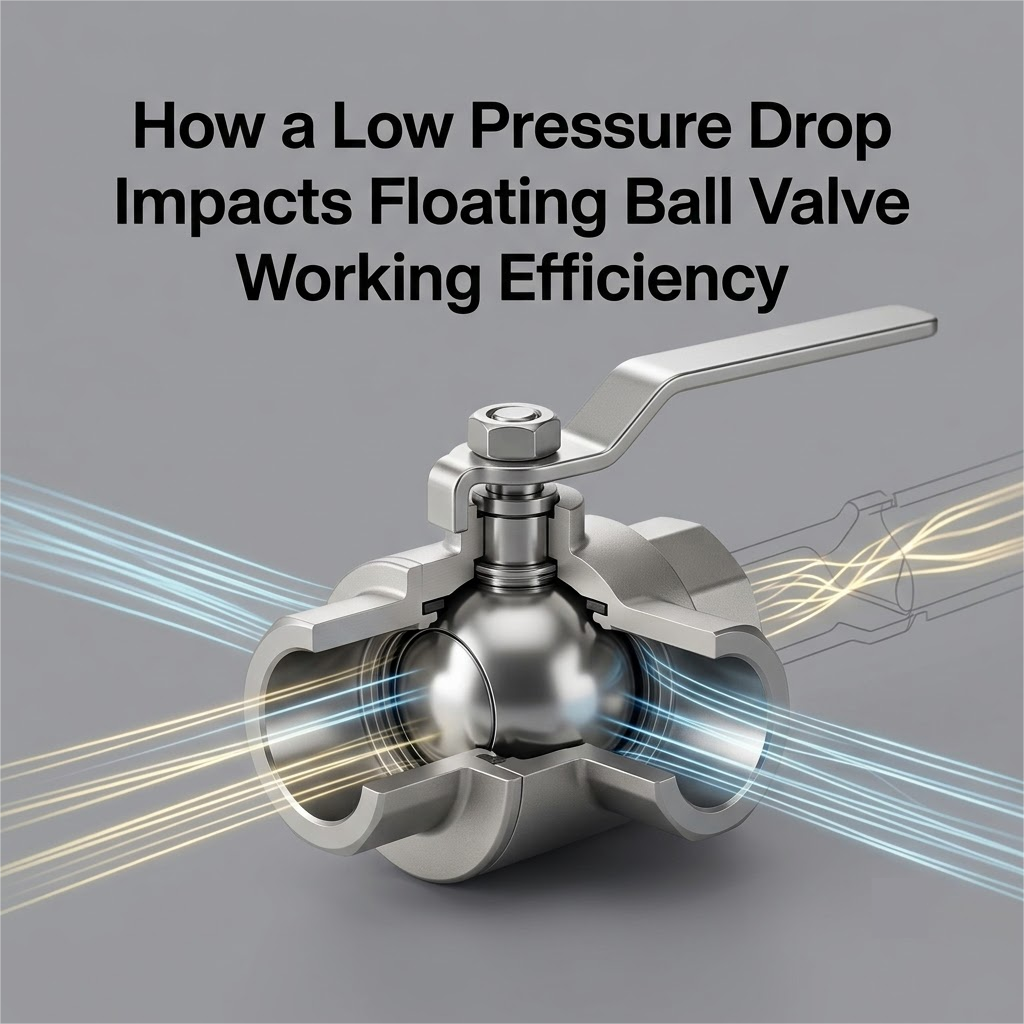
Optimized interaction among components minimizes friction and turbulence, improving flow efficiency and reducing operational strain.
Designs that facilitate easy inspection, lubrication, and replacement reduce downtime and maintenance costs.
Low torque stems reduce operator effort and improve actuator efficiency, essential for frequent operations.
Surface coatings, treatments, and material selection extend component life and maintain consistent performance.
Optimized designs support both automated actuators and manual operation, ensuring consistent torque and control.
Optimized components withstand corrosive fluids, high temperatures, and frequent operation, maintaining safety and efficiency.
High-pressure systems benefit from anti-wear, low torque, and corrosion-resistant stems and components.
Durable materials and low-friction designs ensure long-term performance in municipal and industrial water systems.
Careful design of ball valve stems and components directly impacts operational efficiency, safety, and maintenance costs. Optimized designs reduce torque, enhance durability, and improve system reliability. For high-quality industrial ball valves, Goteb offers comprehensive solutions with optimized stems and components suitable for demanding applications.
Why is ball valve stem design important in industrial applications?
Proper stem design ensures low torque, durability, and smooth operation in industrial systems.
How do ball valve components affect operational performance?
Materials, alignment, and interaction between components determine flow efficiency and reliability.
What are the best practices for optimizing ball valve stems?
Use low-friction materials, ensure proper alignment, and apply anti-wear treatments.
Which industrial systems benefit most from optimized ball valve components?
Chemical, oil and gas, and water treatment systems gain improved safety and efficiency.


 Optimized by Seraphinite Accelerator