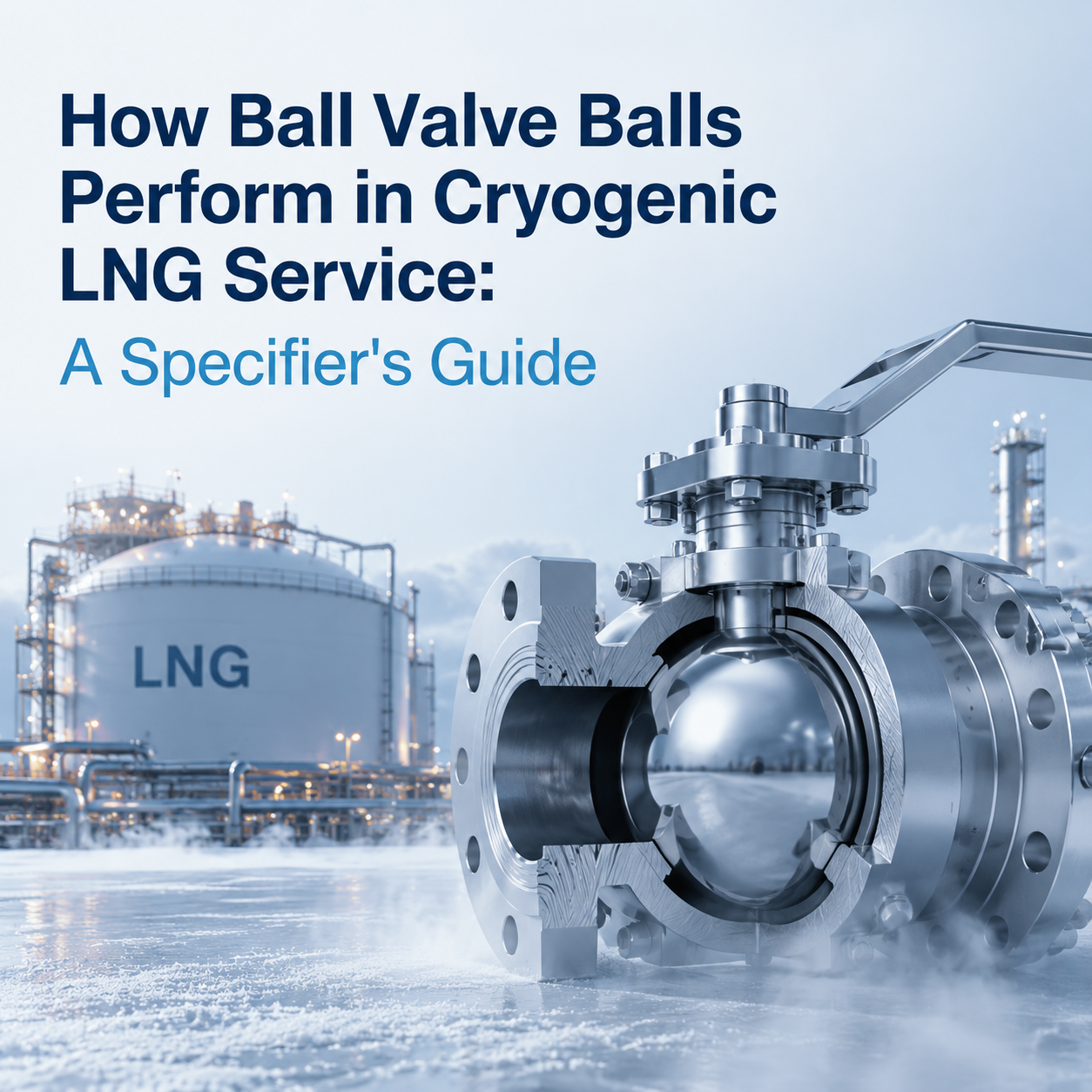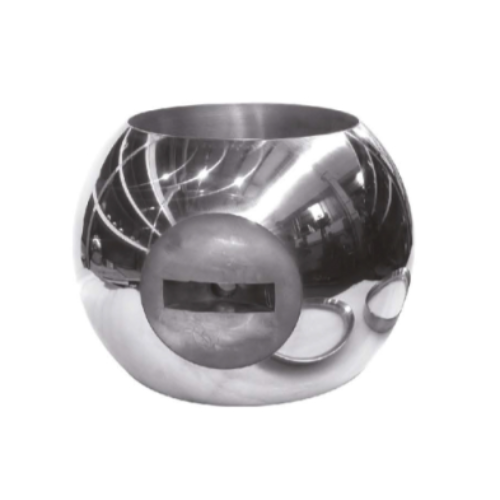


Ball valve accessories play an important role in improving the functionality, reliability, and operational efficiency of industrial ball valves. Although the valve body and ball are the main components responsible for controlling fluid flow, accessories help operators manage valve movement, maintain sealing performance, support automation, and ensure compatibility with different operating conditions.
In industries such as oil and gas, chemical processing, water treatment, power generation, and manufacturing, selecting the right ball valve accessories can improve operational safety, reduce maintenance requirements, and extend equipment service life. Understanding the different types of accessories and their functions helps engineers, maintenance teams, and purchasing professionals make informed decisions when selecting valve components.
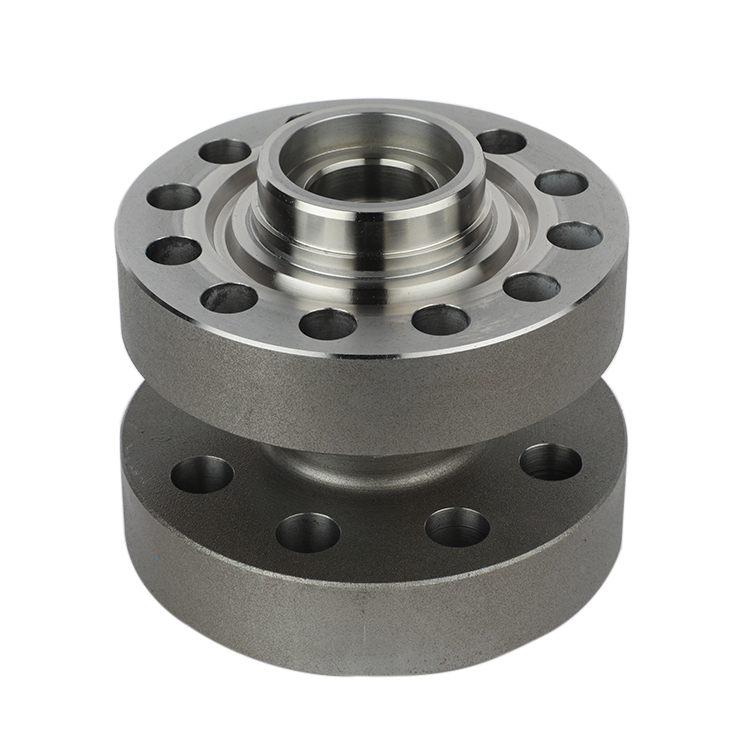
What Are Ball Valve Accessories and Why Are They Important
Ball valve accessories are auxiliary components designed to support, control, connect, or improve the performance of ball valves. Depending on the valve design and application, these accessories may be used for manual operation, automated control, position monitoring, sealing, and installation.
Some accessories are essential for operating a particular valve configuration, while others are optional components selected according to process requirements. For example, a manual ball valve may use a lever handle, while an automated valve may require a pneumatic or electric actuator and additional control accessories.
The appropriate accessory configuration depends on factors such as valve size, connection type, operating pressure, temperature, fluid characteristics, and control requirements.
Different accessories serve different purposes. Understanding their functions makes it easier to select compatible components for industrial applications.
1. Ball Valve Handles and Handwheels
Handles and handwheels allow operators to open or close manually operated ball valves. Lever handles are common in smaller valves because they provide quick quarter-turn operation. Handwheels may be used in certain larger or specially designed valve assemblies where controlled manual movement is preferred.
When selecting a handle, buyers should consider its material, dimensions, mounting interface, operating torque, and compatibility with the valve stem. A properly matched handle supports convenient operation and reduces the risk of damage caused by improper installation or excessive force.
2. Ball Valve Actuators
Actuators convert an external energy source into the movement needed to operate a valve. They are widely used when valves must be controlled remotely, operated frequently, or integrated into automated process systems.
Pneumatic actuators use compressed air, while electric actuators use an electric motor. Pneumatic models are often suitable for applications requiring rapid operation, whereas electric models can provide convenient integration with electrical control systems. The appropriate choice depends on the required torque, available utilities, operating environment, control accuracy, and maintenance requirements.
3. Valve Positioners and Position Indicators
Position indicators provide visual confirmation of whether a valve is open, closed, or in another specified position. They help operators inspect valve status during routine operation and troubleshooting.
Valve positioners are more commonly associated with modulating control applications. They receive a control signal and adjust actuator movement to achieve the required valve position. Not every on-off ball valve requires a positioner, so the selection should reflect the intended control function.
4. Ball Valve Stems and Sealing Components
The valve stem transfers movement from the handle or actuator to the ball. Sealing components, including stem seals, seats, and gaskets where applicable, help prevent unwanted leakage and maintain the integrity of the valve assembly.
These components may be exposed to pressure, temperature changes, friction, and chemical contact. Material selection is therefore important. PTFE is commonly used in suitable sealing applications, while other polymers, elastomers, or specialized materials may be needed for different operating conditions.
Buyers should verify the compatibility of replacement stems and sealing components with the valve model, dimensions, materials, and service conditions.
5. Mounting Brackets and Couplings
Mounting brackets and couplings connect actuators to valves and help transfer operating torque. They are particularly important in automated valve assemblies, where accurate alignment and secure attachment support reliable operation.
Incorrect bracket dimensions or coupling interfaces can cause misalignment, excessive mechanical stress, or incomplete valve movement. Before ordering these accessories, purchasers should confirm the valve mounting standard, stem dimensions, actuator interface, and required torque.
6. Limit Switches and Solenoid Valves
Limit switches are commonly used to indicate or confirm valve end positions. They can send electrical signals to a control system, helping operators monitor whether an automated valve has reached its intended position.
Solenoid valves are frequently used to control the supply or exhaust of compressed air in pneumatic actuator systems. They help manage actuator movement in response to electrical control signals. The correct configuration depends on the actuator type, required control logic, voltage, air supply, and environmental conditions.
Ball valve accessories do more than provide additional functions. When selected and installed correctly, they contribute to the overall performance of the valve assembly.
1. Improve Operational Efficiency
Suitable handles and actuators make valve operation more convenient and efficient. In automated facilities, actuators and control accessories can reduce the need for manual intervention and support coordinated operation across multiple process lines.
For systems with frequent switching requirements, the correct actuator and mounting arrangement can also help achieve consistent valve movement.
2. Support Reliable Sealing and Reduce Leakage Risks
Sealing components, including valve seats, stem seals, and suitable gaskets, help maintain pressure containment and reduce the risk of fluid leakage. Their performance depends on material compatibility, installation quality, pressure, temperature, and the properties of the process medium.
Choosing appropriate sealing accessories is particularly important in chemical processing, water treatment, and other applications where leakage may lead to product loss, equipment damage, or environmental concerns.
3. Enable Automation and Remote Control
Modern industrial systems often require valves to operate through centralized control systems. Pneumatic or electric actuators, limit switches, solenoid valves, and positioners can support remote operation and process monitoring when properly configured.
These accessories help facilities improve control flexibility, coordinate equipment operation, and reduce the workload associated with manual valve adjustment.
4. Improve Maintenance and Troubleshooting
Position indicators and limit switches make it easier to identify valve status. Replaceable handles, seals, and other compatible components can simplify maintenance and reduce the need to replace an entire valve assembly when only an accessory has worn out or failed.
Maintaining accurate records of valve models, accessory specifications, and replacement intervals can further improve maintenance planning and spare-parts management.
5. Extend Equipment Service Life
Accessories that are correctly matched to the valve and operating environment can reduce unnecessary mechanical stress, support proper sealing, and help prevent premature component failure.
However, accessories cannot compensate for an incorrectly specified valve or unsuitable operating conditions. Long-term reliability requires compatibility across the complete valve assembly, including the valve body, ball, stem, seals, actuator, and mounting components.
Selecting ball valve accessories requires more than checking whether a component fits physically. Buyers should evaluate the complete operating requirements before placing an order.
1. Confirm Valve Compatibility
Start by identifying the valve model, nominal size, pressure rating, connection type, stem dimensions, and mounting interface. For actuator-driven valves, confirm the actuator mounting standard and required operating torque.
Using accessories designed for the specific valve configuration helps prevent installation problems and unreliable operation.
2. Consider Operating Pressure and Temperature
Pressure and temperature affect the performance of sealing components, actuator sizing, and other accessories. Confirm that each selected component is suitable for the actual operating range, including relevant start-up, shutdown, and transient conditions.
The allowable pressure and temperature limits of the complete assembly should be verified rather than relying on the rating of a single component.
3. Evaluate Fluid Compatibility
The process medium influences the selection of metals, polymers, and elastomers. Corrosive chemicals, abrasive fluids, oils, and high-purity media may require different materials and construction features.
For demanding applications, review the manufacturer’s material compatibility data and any applicable industry or process requirements before selecting accessories.
4. Determine Manual or Automated Operation Requirements
For straightforward applications, a manual handle may be sufficient. Where remote operation, frequent cycling, or integration with a control system is required, an actuator and appropriate control accessories may be more suitable.
Actuator sizing should account for the valve’s operating torque under actual service conditions, together with the required safety margin and the actuator manufacturer’s guidance.
5. Review Quality, Standards, and Maintenance Needs
Check material specifications, dimensional tolerances, manufacturing quality, and relevant certifications or compliance requirements. For automated assemblies, also review electrical protection, enclosure ratings, pneumatic requirements, and environmental suitability where applicable.
Purchasers should consider spare-parts availability, installation documentation, and the supplier’s ability to provide compatible replacement accessories over the expected service life.
Ball valve accessories are used across a wide range of industries because valve assemblies must accommodate different fluids, control requirements, and operating environments.
In the oil and gas industry, suitable actuators, position indicators, and sealing components support flow control and monitoring in pipelines and processing equipment. Accessory selection must account for pressure, temperature, fluid characteristics, and applicable safety requirements.
In chemical processing, compatible sealing materials and corrosion-resistant components help maintain reliable operation when valves handle aggressive process media. Material selection should be based on the specific chemical and operating conditions.
In water and wastewater treatment, manual handles, electric actuators, pneumatic actuators, and position switches can support isolation, distribution, and automated process control. Environmental exposure and maintenance accessibility are important considerations.
In power generation and general manufacturing, actuator assemblies and monitoring accessories help integrate valves into equipment and process control systems. The final configuration depends on operating frequency, control requirements, available utilities, and the consequences of valve failure.
One common mistake is choosing accessories based only on dimensions or purchase price. A component may appear to fit but still be unsuitable for the required torque, pressure, temperature, or process medium.
Another mistake is overlooking the interface between the valve and actuator. Incorrect mounting brackets, couplings, or stem connections can prevent proper operation and create unnecessary mechanical stress.
Buyers should also avoid assuming that all sealing materials are interchangeable. Different materials have different chemical resistance, temperature limits, and mechanical properties. Compatibility should always be verified for the intended application.
Finally, accessory selection should not be separated from maintenance planning. Keeping the correct specifications and replacement parts available can reduce downtime and help maintain consistent equipment performance.
Ball valve accessories are essential supporting components that help improve valve operation, sealing performance, automation, monitoring, and maintenance. Common examples include handles, actuators, position indicators, stems, sealing components, mounting brackets, limit switches, and solenoid valves.
The right combination depends on valve specifications, process conditions, control requirements, and maintenance expectations. By verifying compatibility and selecting accessories according to the actual application, engineers and purchasing teams can improve the reliability and efficiency of industrial valve systems.
For manufacturers, distributors, and industrial buyers, working with a qualified ball valve accessory supplier can simplify component selection, support consistent product quality, and help ensure that accessories match the intended valve configuration.
Common ball valve accessories include handles, handwheels, pneumatic and electric actuators, valve position indicators, stems, sealing components, mounting brackets, limit switches, and solenoid valves. The required accessories depend on the valve design and application.
2.What is the function of a ball valve actuator?
A ball valve actuator operates the valve by converting pneumatic or electrical energy into mechanical movement. It enables automated or remote valve operation and is commonly used in industrial process control systems.
3.How do I choose the right ball valve accessories?
Consider valve size, pressure rating, operating temperature, fluid compatibility, connection dimensions, operating torque, and control requirements. Confirm that all accessories are compatible with the valve model and intended operating conditions.
4.What materials are commonly used for ball valve accessories?
Common materials include stainless steel, carbon steel, brass, PTFE, and various elastomers. The appropriate material depends on mechanical requirements, corrosion resistance, chemical compatibility, and operating temperature.
5.Can ball valve accessories be customized?
Yes. Depending on the manufacturer, accessories can be customized according to dimensions, materials, mounting interfaces, actuator requirements, and specific application needs. Buyers should provide valve specifications and operating conditions to confirm compatibility.


 Optimized by Seraphinite Accelerator