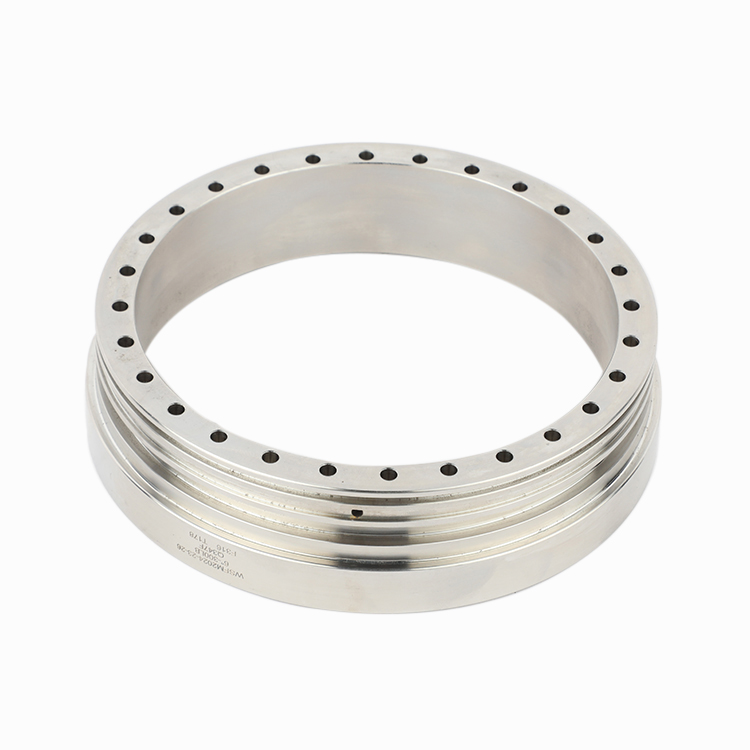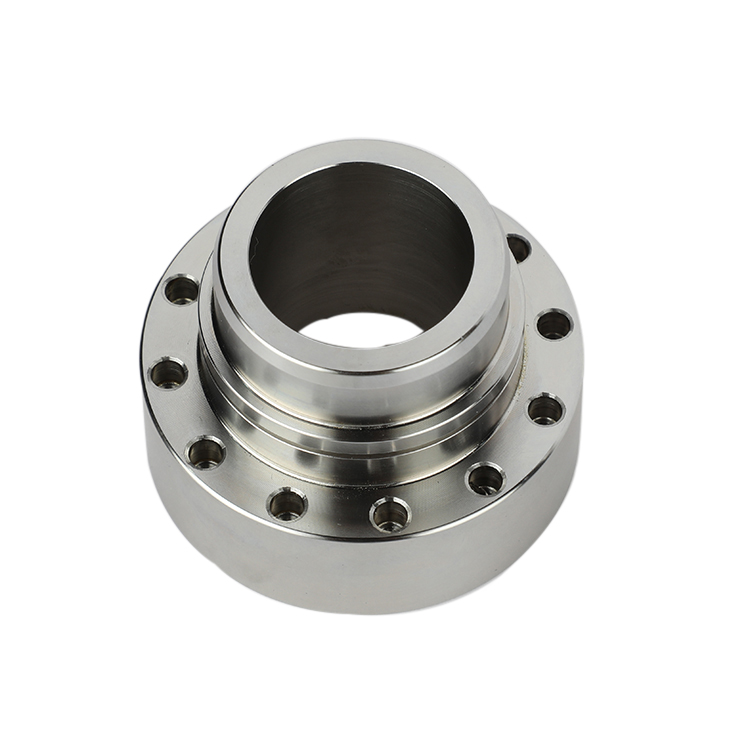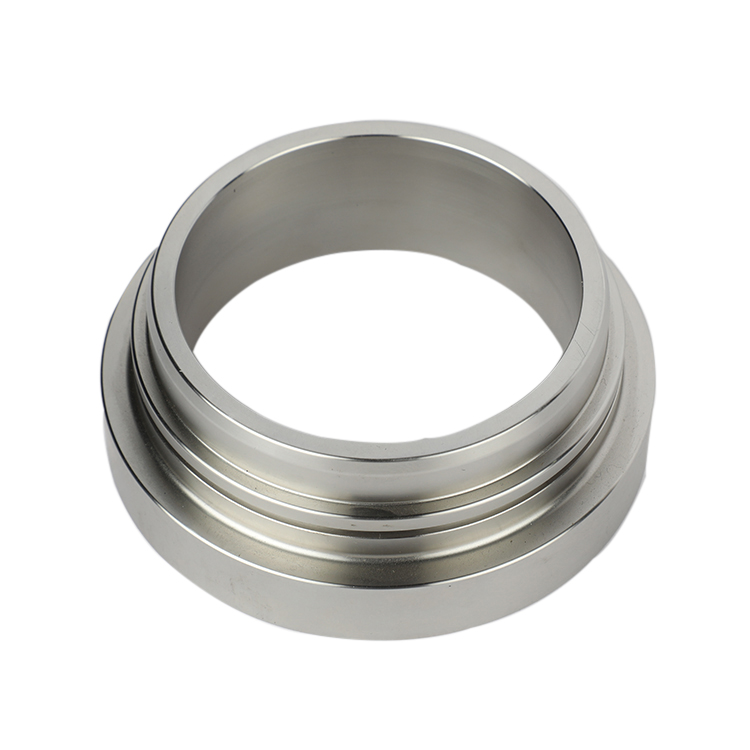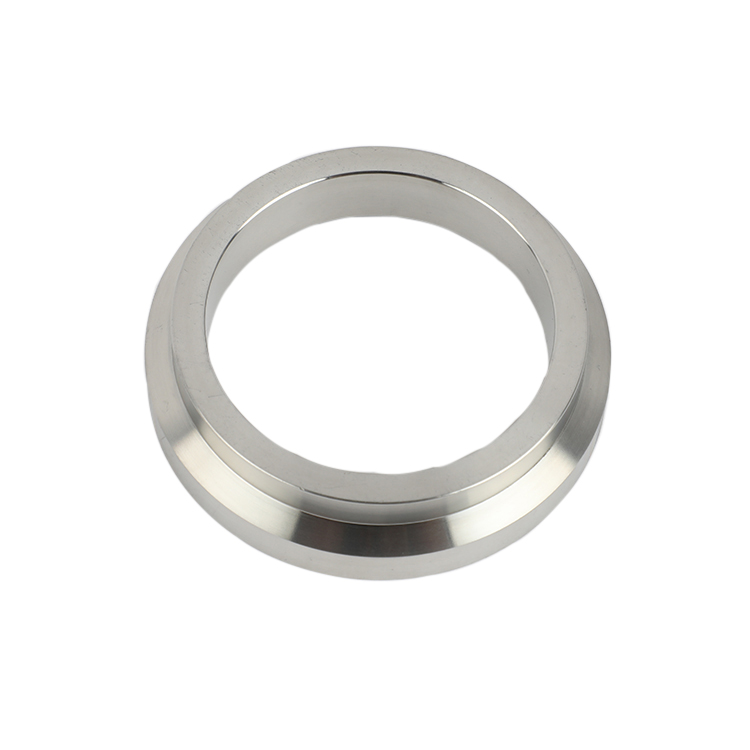

Ball valve seat maintenance is essential for ensuring reliable sealing, reducing leakage risks, and extending the service life of industrial valves. In industries such as oil and gas, chemical processing, water treatment, power generation, and manufacturing, ball valves often operate under demanding pressure, temperature, and fluid conditions. Without proper maintenance, valve seats may experience wear, deformation, chemical degradation, or damage that affects overall valve performance.
A ball valve seat provides the sealing interface between the ball and the valve body. Its condition directly influences shutoff performance, operating torque, and leakage control. For industrial operators, maintenance should focus on identifying early signs of deterioration, preventing avoidable damage, and replacing worn components when necessary.
This article explains the main factors affecting ball valve seat service life, practical maintenance procedures, common problems, and best practices for maintaining reliable performance in industrial applications.
A ball valve seat forms the sealing surface against which the ball closes to control fluid flow. Depending on the valve design, the seat may be made from PTFE, reinforced PTFE, PEEK, elastomers, or metal materials. Each material offers different characteristics in terms of chemical resistance, temperature capability, wear resistance, and sealing performance.
Soft seats are commonly used where tight shutoff and low operating friction are important. Metal seats may be selected for certain high-temperature, abrasive, or demanding industrial services. The appropriate design depends on the process fluid, operating pressure, temperature range, and required leakage performance.
Understanding the seat material and valve configuration is the first step in developing an effective maintenance plan.
Regular inspection helps identify potential problems before they lead to significant leakage or unplanned downtime. Inspection frequency should reflect the valve’s operating conditions, service criticality, manufacturer recommendations, and maintenance history.
When a valve is removed and safely disassembled according to the manufacturer’s procedure, technicians should examine the seat for visible wear, scratches, cracks, deformation, discoloration, or chemical damage. The ball’s sealing surface should also be checked because scratches, corrosion, or deposits on the ball can damage the seat and compromise sealing performance.
Inspection records should include the valve identification, operating conditions, observed defects, maintenance actions, and replacement history. Tracking these details helps maintenance teams identify recurring problems and improve preventive maintenance schedules.
Contamination is a common cause of premature ball valve seat damage. Sand, metal particles, scale, welding debris, and other solid contaminants can become trapped between the ball and the seat. When the valve operates, these particles may scratch sealing surfaces or prevent the ball from closing completely.
Industrial facilities should control contamination through appropriate process filtration, pipeline flushing, and cleaning procedures where applicable. Before installing a new valve or returning a serviced valve to operation, technicians should confirm that the pipeline and valve internals are free from harmful debris.
Cleaning methods must be compatible with the seat material and process requirements. Aggressive chemicals, abrasive tools, or unsuitable solvents may damage soft seats or protective surface treatments. Always follow the valve manufacturer’s cleaning instructions.
Operating conditions have a direct influence on ball valve seat performance. Excessive pressure can increase seat loading and contribute to deformation or extrusion in materials that are not suitable for the application. High temperatures may accelerate material aging or creep, while low temperatures can affect flexibility and sealing behavior.
Maintenance teams should verify that actual operating conditions remain within the valve’s specified pressure-temperature limits. They should also consider pressure surges, frequent temperature cycling, and rapid changes in process conditions, which may place additional stress on sealing components.
When a valve repeatedly develops leakage or seat damage, reviewing operating data can help determine whether the root cause is inappropriate material selection, unsuitable valve design, or operation outside the rated range.
Incorrect operation can shorten ball valve seat service life. Partially opening or closing a valve designed primarily for on-off service may expose the seat to high-velocity flow, erosion, or uneven loading, depending on the fluid and valve design. Rapid operation can also create pressure transients in some piping systems.
Operators should follow the valve manufacturer’s instructions for opening, closing, and throttling. If the process requires frequent flow regulation, confirm that the selected valve is designed for that duty rather than assuming every ball valve is suitable for continuous throttling.
Actuators should also be checked for correct setup and operation. Excessive closing torque may damage seats or other valve components, while insufficient torque may prevent reliable shutoff. Actuator settings should match the valve manufacturer’s requirements.
Changes in valve performance can indicate seat deterioration. Common warning signs include leakage when the valve is fully closed, increasing operating torque, inconsistent shutoff, and visible damage discovered during inspection.
However, leakage does not always mean that the seat itself has failed. Contamination, ball surface damage, incorrect actuator settings, damaged stem components, or problems with the valve’s internal assembly may produce similar symptoms.
A structured troubleshooting process should therefore examine the entire sealing system. Where practical, verify the leakage type and location, review the operating history, and compare test results with the valve’s specified acceptance criteria. Any testing should be conducted using approved procedures and suitable equipment.
A ball valve seat should be replaced when inspection or testing shows that it no longer meets the required performance criteria and repair is not appropriate. Continuing to operate a valve with a damaged seat may lead to process leakage, reduced control reliability, and additional damage to the ball or valve body.
When replacing a seat, confirm the correct material, dimensions, tolerances, and design for the specific valve model. A seat that appears similar may not provide the required fit or sealing performance. OEM specifications and manufacturer-approved replacement parts help reduce compatibility risks.
During reassembly, technicians should follow the specified installation sequence, lubrication requirements where applicable, tightening procedures, and inspection steps. After maintenance, the valve should be tested according to the manufacturer’s instructions and applicable site procedures before being returned to service.
Never disassemble or service a valve while it is pressurized. Isolate the valve, relieve trapped pressure, drain or purge hazardous media as required, and follow the facility’s lockout/tagout and safety procedures.
Material selection is an important part of long-term maintenance planning. A seat that is poorly matched to the process fluid, temperature, pressure, or operating cycle may fail prematurely even when maintenance is performed correctly.
PTFE offers low friction and broad chemical resistance, making it suitable for many general industrial applications. Reinforced PTFE may provide improved resistance to deformation under certain conditions. PEEK can be considered for applications requiring greater mechanical strength and temperature capability, while metal seats may be appropriate for selected high-temperature or abrasive services.
No material is universally suitable for every application. Buyers and maintenance engineers should evaluate the exact material grade, fluid compatibility, pressure-temperature ratings, cycle frequency, and leakage requirements. The valve manufacturer’s technical data should guide the final selection.
A preventive maintenance program helps reduce unexpected failures and makes maintenance activities more consistent. The schedule should be based on valve criticality, service conditions, operating frequency, historical failure rates, and manufacturer recommendations.
For critical valves, maintenance teams may combine routine external checks with performance monitoring and planned internal inspection during scheduled shutdowns. Less critical valves operating under stable conditions may require a different inspection frequency.
A useful maintenance record should document inspection dates, leakage observations, operating torque trends where available, seat replacement details, and the suspected cause of any failure. These records help identify patterns, improve spare-parts planning, and support more informed decisions about repair or replacement.
The quality and consistency of replacement seats influence maintenance outcomes. Industrial buyers should evaluate a manufacturer’s material control, dimensional accuracy, production processes, inspection capabilities, and ability to supply parts compatible with the required valve design.
For OEM and customized applications, provide technical drawings, material specifications, operating conditions, and required tolerances. The supplier should confirm the proposed design and material suitability before production. Where necessary, request dimensional inspection reports, material documentation, and performance test records appropriate to the application.
Reliable technical support can help maintenance teams identify suitable replacement parts, investigate recurring seat failures, and reduce the risk of repeated downtime.
Ball valve seat maintenance is an important part of industrial valve reliability. Regular inspection, contamination control, correct operation, pressure and temperature monitoring, and timely replacement can help extend seat service life and maintain dependable shutoff performance.
The most effective maintenance strategy combines preventive inspections with accurate operating records and appropriate material selection. By following manufacturer recommendations and addressing the root causes of seat damage, industrial operators can reduce avoidable failures, improve maintenance efficiency, and support safer, more reliable plant operations.
1. How often should ball valve seats be inspected?
Inspection frequency depends on operating conditions, valve criticality, process fluid, and manufacturer recommendations. Valves handling abrasive or corrosive media may require more frequent inspection than valves operating under stable conditions. Regular performance checks and maintenance records help determine an appropriate schedule.
2. What are the common signs of ball valve seat damage?
Common signs include leakage when the valve is closed, increased operating torque, inconsistent shutoff, visible scratches, cracks, deformation, and material degradation. However, leakage may also result from ball surface damage, contamination, or actuator problems, so the entire valve assembly should be evaluated.
3. What causes premature ball valve seat wear?
Premature wear can result from abrasive particles, incompatible process fluids, excessive pressure or temperature, improper valve operation, and unsuitable seat materials. Frequent cycling and incorrect actuator settings may also contribute to damage.
4. Can a damaged ball valve seat be repaired?
Some minor issues may be addressed through manufacturer-approved servicing, but cracked, severely deformed, or significantly worn seats generally require replacement. The appropriate action depends on the seat material, valve design, damage severity, and required sealing performance.
5. How can ball valve seat leakage be prevented?
Leakage can be reduced through proper material selection, regular inspection, contamination control, correct valve operation, and compliance with pressure-temperature ratings. Maintaining the ball’s sealing surface and ensuring correct actuator settings are also important.


 Optimized by Seraphinite Accelerator