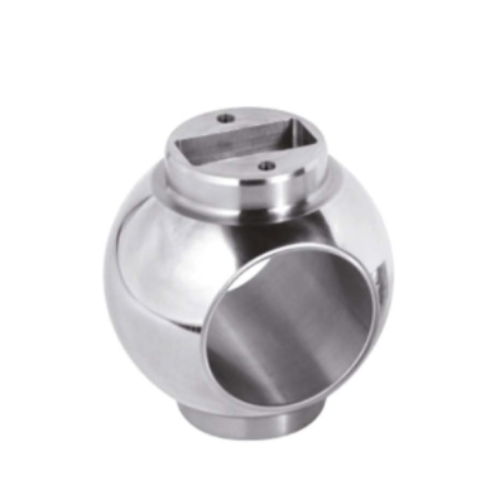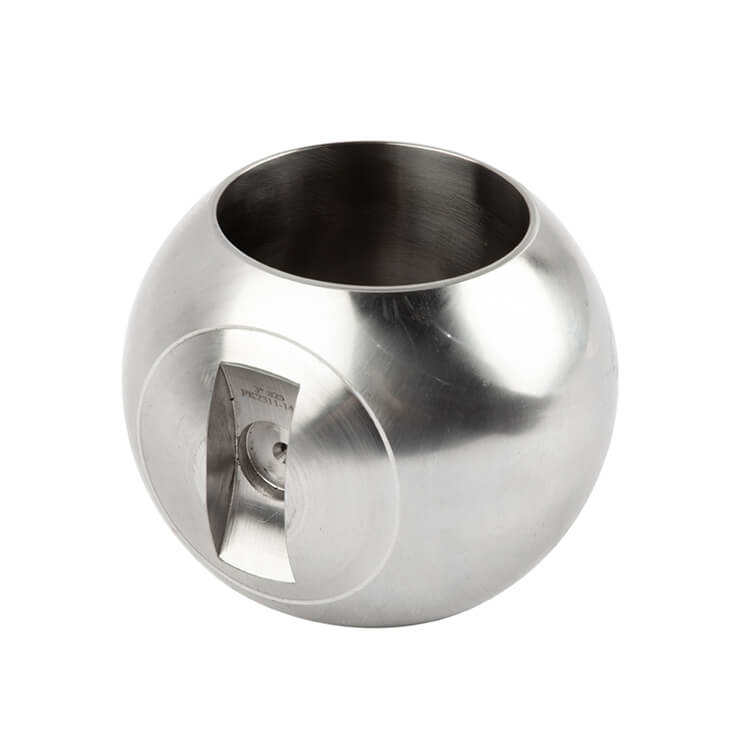


Ball valve components play a critical role in the performance, safety, and service life of industrial ball valves. Each component, including the valve body, ball, stem, seats, seals, and handle or actuator connection, contributes to the valve’s ability to control fluid flow and maintain reliable shutoff performance. Selecting suitable components is essential for industries that operate under demanding pressure, temperature, and environmental conditions.
However, not all ball valve components offer the same level of quality, durability, or compatibility. Differences in material selection, machining accuracy, sealing design, and manufacturing processes can directly affect valve performance. For industrial buyers, equipment manufacturers, and procurement teams, understanding these factors helps reduce maintenance costs, prevent unexpected downtime, and improve operational reliability.

Before selecting components, it is important to understand their individual functions and how they work together. A ball valve typically consists of a valve body, ball, stem, seats, seals, and an operating mechanism. Depending on the valve design, it may also include a bonnet, end connections, stem packing, and additional accessories.
The valve body provides the main pressure-containing structure, while the ball controls flow through its internal bore. The stem transfers rotational movement from the handle or actuator to the ball. The valve seats create a sealing interface around the ball, and the seals or packing help prevent leakage between internal components and the external environment.
Each component must meet the technical requirements of the complete valve assembly. For example, a high-quality ball cannot compensate for poorly designed seats, and a durable stem may still fail if its dimensions are incompatible with the actuator connection. Therefore, buyers should evaluate component quality as part of the overall valve system rather than considering each part in isolation.
Material selection is one of the most important factors when choosing reliable ball valve components. Different industrial applications expose components to varying levels of pressure, temperature, corrosion, abrasion, and chemical contact.
Stainless steel is commonly used for ball valve components in applications requiring corrosion resistance and mechanical strength. Grades such as 304 and 316 stainless steel may be suitable for different environments, depending on the fluid composition, chloride concentration, temperature, and cleaning conditions. Carbon steel may be appropriate for certain general industrial applications, while specialized alloys may be necessary for more aggressive or high-temperature service.
Seat and seal materials require equally careful consideration. PTFE is widely used because of its chemical resistance and low friction, while reinforced polymers and other engineered materials may be selected for specific pressure or temperature requirements. Elastomeric seals must also be compatible with the process medium and operating conditions.
When selecting materials, buyers should consider the following factors:
Fluid compatibility: Confirm that component materials can withstand the chemicals, gases, or liquids passing through the valve.
Pressure and temperature: Check the permitted operating range of the complete valve assembly, including seats and seals.
Corrosion and wear: Evaluate exposure to moisture, chlorides, particles, and other potentially damaging substances.
Applicable standards: Verify material specifications, certifications, and traceability requirements where necessary.
Material selection should always be based on the actual service conditions. A material that performs well in one application may not be suitable for another.
Dimensional accuracy is essential for ensuring that ball valve components fit correctly and function as intended. Even small deviations in critical dimensions can affect assembly, operating torque, sealing contact, and the alignment of moving parts.
For example, the ball’s diameter, roundness, bore dimensions, and surface finish can influence its interaction with the seats. Stem dimensions and connection features must match the valve body, ball, packing arrangement, and actuator or handle. Seat dimensions must also provide the intended contact and compression without causing excessive friction or inadequate sealing.
When sourcing components, buyers should request detailed engineering drawings, dimensional tolerances, and inspection records for critical features. For customized or OEM components, technical drawings should clearly define material grades, key dimensions, tolerances, surface requirements, and connection specifications before production begins.
A reliable manufacturer should have appropriate machining equipment and measurement tools to maintain consistent dimensional accuracy across production batches. Coordinate measuring machines, micrometers, calipers, and other suitable inspection instruments can help verify that parts meet specified requirements.
Sealing performance is a major consideration when selecting ball valve components, particularly in applications where leakage could cause product loss, environmental damage, safety risks, or production interruptions.
The ball and seat form the primary sealing interface in many ball valve designs. Their geometry, material compatibility, surface finish, and contact pressure all influence shutoff performance. Stem packing and other seals serve different purposes, helping prevent leakage along the stem or at relevant connection points.
A smooth, consistent surface finish can help reduce friction and support reliable contact between sealing surfaces. However, the required finish depends on the component design, material, and manufacturing specification. Excessively rough surfaces may contribute to wear or leakage, while inappropriate finishing methods can affect dimensional accuracy.
Buyers should confirm that suppliers can meet the specified surface roughness and sealing requirements. Where appropriate, they should also request pressure or leakage test reports that identify the test method, acceptance criteria, and applicable standard.
It is important to distinguish between component inspection and complete valve testing. A component may meet its dimensional requirements but still require assembly-level testing to verify the performance of the finished valve.
Ball valve components must be suitable for the valve’s intended operating conditions. Pressure, temperature, and operating frequency can affect component stress, friction, wear, and service life.
In high-pressure applications, the valve body, ball, stem, and retaining structures must withstand the loads associated with the specified pressure rating. Seat deformation and seal extrusion may become concerns if materials or designs are unsuitable for the operating conditions.
High temperatures can affect seat and seal properties, while low temperatures may change material flexibility and impact resistance. Repeated operation can gradually wear sealing surfaces and increase the load on the stem and operating mechanism. Media containing suspended particles may also accelerate abrasion in certain designs.
When choosing components, review the complete operating range rather than relying on a single pressure or temperature value. Buyers should confirm that the selected components are compatible with the valve’s pressure-temperature rating, fluid characteristics, operating cycle, and any applicable industry requirements.
For demanding applications, consult the valve manufacturer or engineering team to verify the suitability of the proposed component combination.
Reliable ball valve components depend on consistent manufacturing processes and effective quality control. The exact process varies according to the component’s material, geometry, and performance requirements. Common processes may include forging or casting for selected body designs, CNC machining, grinding, polishing, heat treatment, and specialized surface finishing.
A capable manufacturer should control critical production parameters and inspect components at appropriate stages. Incoming material verification helps confirm that raw materials meet specifications, while in-process inspection identifies dimensional or surface defects before parts proceed to final assembly.
Final inspection may include dimensional measurement, visual examination, surface-finish verification, hardness testing, or other checks required by the drawing and material specification. Non-destructive testing may also be appropriate for certain pressure-containing parts or applications with additional safety requirements.
When evaluating suppliers, ask about their quality management system, inspection procedures, measurement equipment, defect handling, and batch traceability. ISO 9001 certification can indicate that a manufacturer operates a formal quality management system, but it does not automatically guarantee that every component meets your specific technical requirements.
The most useful evidence is a combination of documented quality procedures, relevant certifications, inspection records, and demonstrated consistency in production.
Depending on the application, ball valve components may need to comply with industry standards, customer specifications, or regulatory requirements. Standards can address areas such as valve design, pressure testing, materials, dimensions, and inspection procedures.
For example, API 6D is associated with pipeline and pipeline-service valves, while API 608 covers metal ball valves used in certain industrial applications. ISO 5208 addresses pressure testing of industrial valves. These standards do not apply identically to every valve or component, so buyers should confirm the relevant edition, scope, and contractual requirements before specifying compliance.
Documentation may include material certificates, dimensional inspection reports, pressure-test records, product drawings, and certificates of conformity. For projects that require traceability, batch numbers or heat numbers should be linked to the appropriate material and inspection records.
Before placing an order, clearly identify which standards and documents are mandatory. This helps prevent misunderstandings during manufacturing, inspection, and delivery.
For equipment manufacturers and industrial buyers, supplier capability is just as important as the component itself. A reliable supplier should be able to manufacture components that meet the required design, material, tolerance, and performance specifications consistently.
OEM projects may involve customized ball dimensions, stem configurations, seat designs, special materials, surface finishes, or non-standard connection features. These requirements demand clear technical communication and a structured process for design review, sample approval, production, and inspection.
When assessing a potential supplier, consider its engineering support, machining capacity, production consistency, quality documentation, lead times, and ability to manage repeat orders. Ask whether it can review drawings, identify potential manufacturing issues, and maintain approved specifications across production batches.
It is also useful to clarify minimum order quantities, sample availability, packaging requirements, and procedures for handling nonconforming products. A supplier with transparent communication and documented quality processes can help reduce sourcing risks over the long term.
The lowest-priced ball valve components are not necessarily the most economical choice. Differences in material quality, dimensional consistency, sealing performance, and service life can affect the total cost of ownership.
Low-quality components may require more frequent replacement, additional inspection, unplanned maintenance, or production downtime. In critical applications, these indirect costs can significantly exceed the initial purchase-price difference.
When comparing suppliers, evaluate the quoted price alongside expected service life, manufacturing consistency, delivery reliability, inspection requirements, and technical support. For high-volume OEM projects, also consider whether the supplier can maintain stable quality and pricing as order quantities change.
A cost-effective sourcing decision balances purchase cost with reliability, compatibility, maintenance needs, and the consequences of component failure.
Choosing reliable ball valve components for industrial applications requires a systematic evaluation of material compatibility, dimensional accuracy, sealing performance, operating conditions, manufacturing quality, and supplier capability. Each component must meet its own technical requirements while remaining compatible with the complete valve assembly.
Industrial buyers should define specifications clearly, verify relevant standards, review quality documentation, and assess suppliers based on proven manufacturing and inspection capabilities. For customized and OEM projects, early technical communication and sample validation can further reduce production risks.
By prioritizing component quality and application suitability over purchase price alone, businesses can improve valve reliability, reduce maintenance requirements, and support more consistent industrial operations.
1. What are the main components of a ball valve?
The main components of a ball valve include the valve body, ball, stem, seats, seals, and operating mechanism. Depending on the design, additional parts may include a bonnet, stem packing, end connections, and actuator accessories. Each component contributes to the valve’s sealing performance, flow control, and overall reliability.
2. How do I choose the right material for ball valve components?
Choose materials based on the fluid medium, operating pressure, temperature, corrosion risk, and expected service life. Stainless steel grades such as 304 and 316 are commonly used in different industrial environments. Seat and seal materials, such as PTFE and suitable elastomers, should also be compatible with the process conditions.
3. Why is dimensional accuracy important for ball valve components?
Dimensional accuracy ensures that components fit correctly and operate smoothly. Incorrect dimensions can cause assembly difficulties, excessive operating torque, poor sealing, accelerated wear, or leakage. Buyers should verify critical dimensions and tolerances against approved engineering drawings.
4. How can I evaluate the quality of ball valve components?
Evaluate material specifications, machining accuracy, surface finish, manufacturing consistency, and inspection records. Depending on the application, quality checks may include dimensional measurement, hardness testing, visual inspection, material verification, and pressure or leakage testing of the assembled valve.
5. What causes ball valve components to fail?
Common causes include material incompatibility, corrosion, abrasion, excessive pressure or temperature, poor machining, incorrect installation, and normal wear. Inadequate seat or seal selection can also lead to leakage. Selecting components according to the actual operating conditions helps reduce these risks.


 Optimized by Seraphinite Accelerator