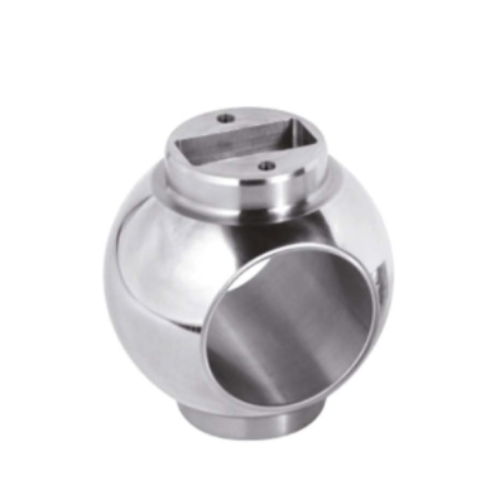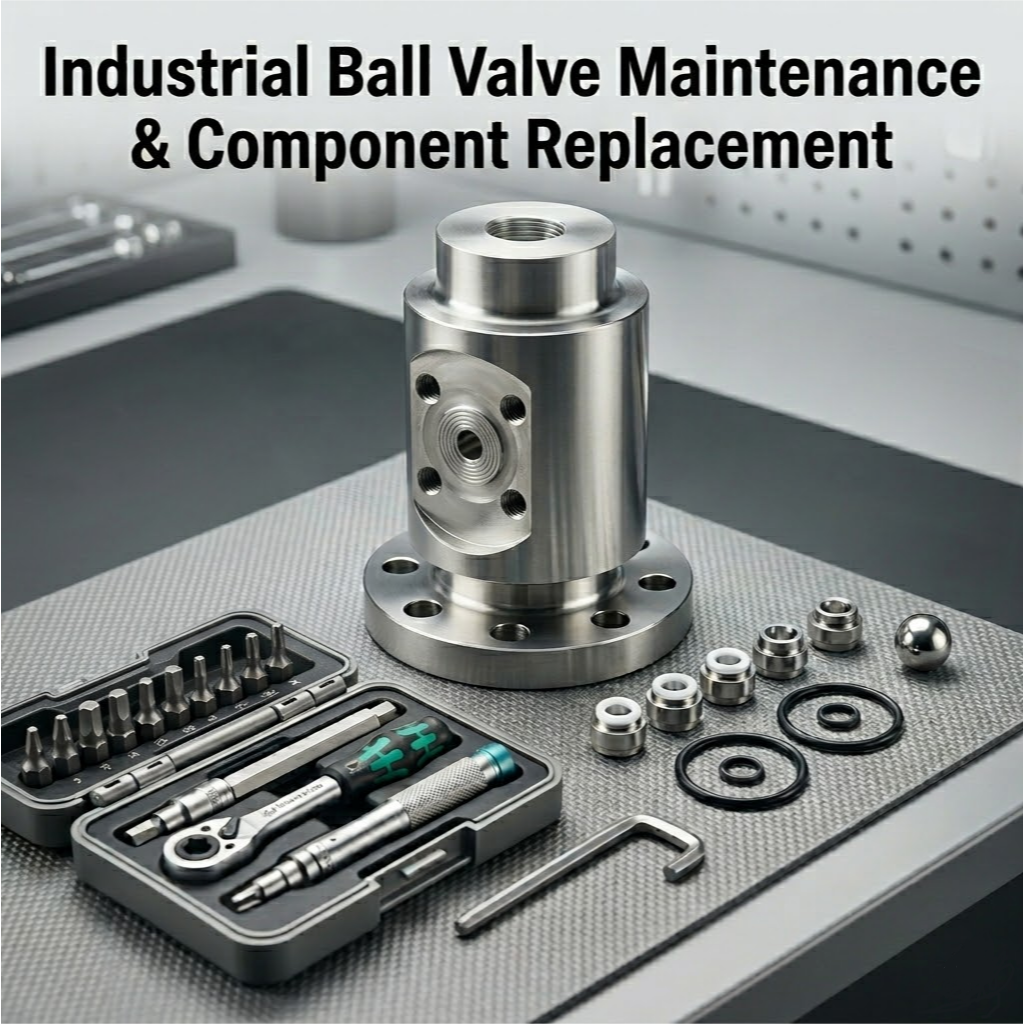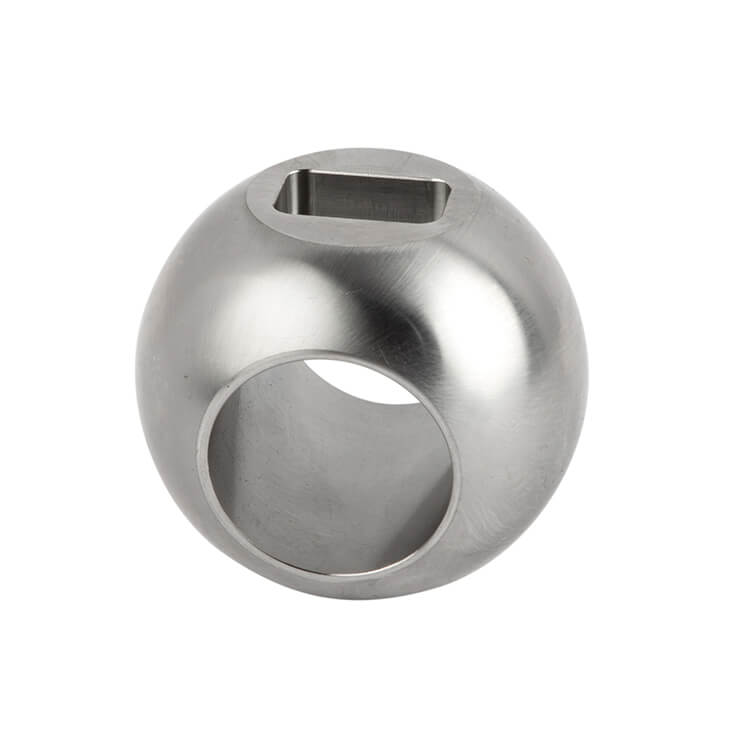


When your business chooses between different ball valve components, the decision between full and reduced bore dictates how fluid behaves inside the valve body. This guide explores how bore selection influences ball valve leakage through cavity pressure and high-velocity erosion.
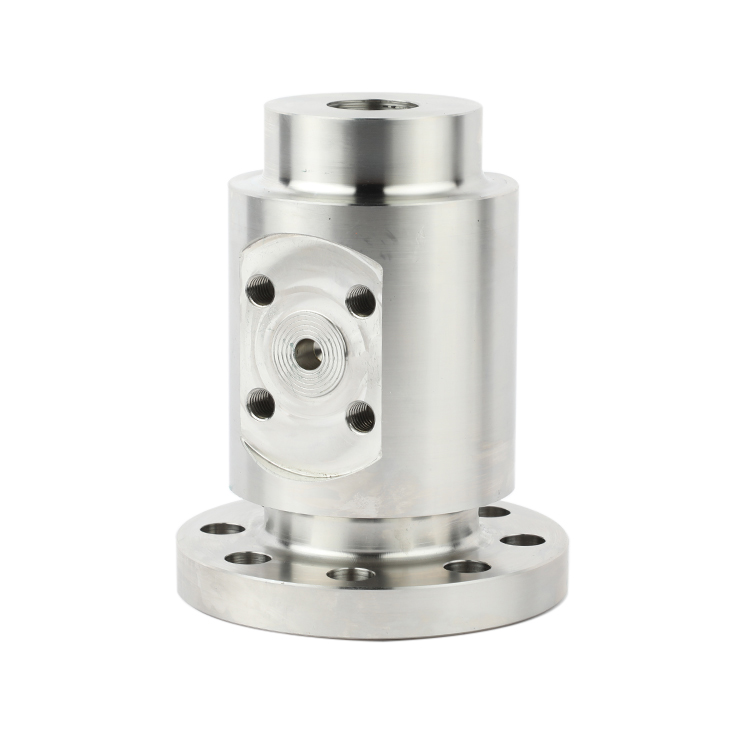
When your ball valve is in the closed position, a small amount of liquid or gas gets trapped in the “dead space” or the body cavity surrounding the ball. This is perfectly normal, but under certain conditions, this trapped media becomes a ticking time bomb for your seals.
The Pressure Trap: Imagine your pipeline is carrying hot oil. When the valve closes, that oil is trapped. If the sun beats down on the pipe or the process temperature spikes, that trapped liquid wants to expand. Since it has nowhere to go, the pressure inside the cavity skyrockets.
Seat Displacement: This intense cavity pressure acts like a wedge. It can actually force the ball valve seat out of its machined pocket. Once the seat is deformed or pushed out of alignment, it can no longer maintain that tight “kiss” with the ball, leading to an internal bypass.
Structural Strain: It’s not just the seat at risk. Extreme pressure can put immense stress on the entire internal assembly of ball valve components, potentially warping the ball itself or damaging the internal seals that prevent the valve from leaking into the atmosphere.
This is where the choice between a full-bore vs a reduced-bore valve really starts to impact your bottom line. It’s a game of physics and velocity.
The Nozzle Effect: Think about putting your thumb over the end of a garden hose. The water speeds up, right? A reduced bore valve does the exact same thing. As fluid moves from the wider pipe into the narrower opening of a Full vs. Reduced Bore Ball Valve, its velocity spikes.
Wire-Drawing: This high-speed fluid acts like a liquid saw. In a reduced bore setup, the “jet” of fluid hits the downstream seat with incredible force. Over time, it washes out tiny channels in the sealing face. Engineers call this “wire-drawing” because the leak paths look like thin wires have been pulled through the metal or plastic.
Wear Patterns: In a full-bore valve, the flow is laminar—straight and smooth. In a reduced bore, the flow becomes turbulent. This turbulence creates “eddy currents” that bounce off the ball and chew away at the seat edges, making ball valve leakage almost inevitable over a long enough timeline.
Comparison: How Bore Selection Affects Sealing and Component Stress
| Performance Metric | Full Bore Ball Valve | Reduced Bore Ball Valve |
| Flow Pattern | Laminar (Smooth) | Turbulent (Angry/Swirling) |
| Fluid Velocity | Standard Pipe Speed | High (Nozzle Effect) |
| Cavity Pressure Risk | Lower (Equalizes faster) | Higher (Thermal Spike Risk) |
| Internal Bypass Risk | Minimal (Less erosion) | Higher (Wire-drawing risk) |
| Stem Torque Stress | Balanced | High (Dynamic Torque) |
| Operational Life | Longer (Less vibration) | Shorter in high-velocity service |
It’s not just about how fast the fluid goes, but how “angry” it gets. When you move away from a full-bore design, you’re introducing a physical obstacle to the flow.
The Vortex Effect: In a reduced bore valve, the sudden change in the flow path creates swirling vortexes just past the seating area. These vortexes act like microscopic hammers, constantly tapping against the ball valve seat. Over months of operation, this vibration can lead to “fatigue failure,” where the seat material develops micro-cracks even if the pressure is within limits.
Abrasive Concentration: If your media has any solids (like sand or pipe scale), turbulence in a reduced bore causes these particles to swirl and strike the ball valve components at awkward angles. Instead of passing straight through, they bounce off the ball and scour the seat face, accelerating ball valve leakage.
The ball valve body parts are the “skeleton” of the system. While a reduced bore valve has a smaller, more compact body, the physics of the flow inside that body changes drastically.
Stress Concentration in the Cavity: In a reduced bore design, the transition from the pipe diameter to the ball orifice creates areas of high turbulence right against the internal body walls. This turbulence can lead to localized “hot spots” of erosion within the body cavity, thinning the metal over time.
Static vs. Dynamic Pressure: Because a reduced bore causes a higher pressure drop, the internal body of the valve has to withstand a significant pressure differential between the upstream and downstream sides. If the body casting isn’t high-precision, this differential can cause microscopic flexing of the body, which is a leading cause of ball valve leakage as the seats lose their alignment.
Thermal Expansion Risks: Smaller bodies in reduced bore valves have less volume to dissipate heat. In high-temperature service, the body and the ball valve components expand at different rates. A tighter, smaller body offers less “room to breathe,” which can lead to the ball becoming jammed or the seats being crushed under thermal stress.
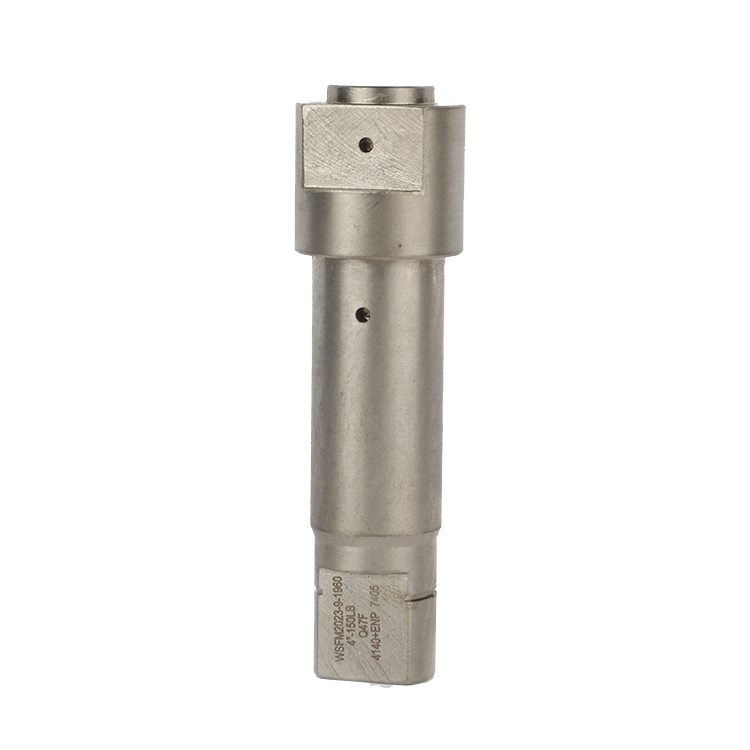
We often think of the ball valve stem as just a handle connector, but in a reduced bore setup, it becomes a high-stress mechanical link.
The Torque Penalty: When fluid is forced through a smaller opening, it creates a higher “dynamic torque.” As the ball turns to close against a high-velocity flow, the fluid pushes against the ball with more force than in a full-bore valve. Your stem has to fight this force, which increases the risk of the stem twisting or even snapping during high-cycle operations.
Vibration Fatigue: The “nozzle effect” of a reduced bore doesn’t just erode seats; it creates high-frequency vibrations. These vibrations travel straight up the stem to the actuator. Over time, this can lead to “slot wear” where the stem meets the ball, causing the ball to wobble and eventually leading to catastrophic ball valve leakage.
Packing Wear: Because the stem is under higher mechanical stress and vibration, the stem packing (the seal that keeps fluid from leaking out the top) wears out much faster. A smooth, high-precision stem surface is the only thing that can protect your business from costly “fugitive emissions” and safety shutdowns.
Selecting the bore isn’t a standalone decision; it dictates the lifespan of every other part inside the valve.
Localized Seat Squeezing: In a reduced bore valve, the pressure is concentrated on a smaller seat surface area. This leads to higher “sealing stress,” which might sound good for sealing but actually accelerates the “cold flow” or permanent deformation of the seat material.
The ROI of Precision: Choosing a high-precision sphere valve and the correct bore size isn’t just a maintenance choice—it’s a financial one. While a reduced bore might save your business money today, the increased wear on the stem and body often leads to a much higher “total cost of ownership” due to frequent ball valve leakage repairs.
Deciding how to protect your pipeline is about balancing cost with the reality of your environment.
Soft Seats vs. Metal Seats: Soft seats (like PTFE) are great for a “bubble-tight” seal in clean, low-temp fluids. But they are vulnerable. If your process involves high heat or “gritty” fluids, soft seats will fail quickly.
When to Upgrade: There comes a point where replacing soft seats every few months becomes more expensive than the valve itself. This is the tipping point for upgrading to metal ball valve seats when soft seats are no longer enough.
Material Selection: Don’t guess. Always consult a ball valve seat material selection guide to see which alloys or polymers can actually handle the “kick” of your specific chemical media.
Does a reduced bore valve make the stem more likely to break?
Yes. Higher fluid velocity and pressure drops increase the operating torque, putting more mechanical stress on the stem.
How does bore selection affect the valve body’s lifespan?
Reduced bores create turbulence and “eddy currents” that can erode the internal body cavity faster than smooth, full-bore flow.
Can cavitation occur more easily in a reduced bore valve?
Yes. The sharp pressure drop across a reduced bore can trigger cavitation, which “eats” into the ball and body metal.
Is a full-bore valve always the best for stopping internal leakage?
Generally, yes. It provides laminar flow, which reduces the erosion and vibration that typically cause seals to fail.
Achieving a zero leakage ball valve requires a deep understanding of fluid behavior and component precision. Whether you choose a full or reduced bore, the quality of your internal ball valve components will determine your system’s reliability. Contact GOTEB today to consult with our engineers on high-precision sets designed to withstand the toughest industrial pressures.


 Optimized by Seraphinite Accelerator