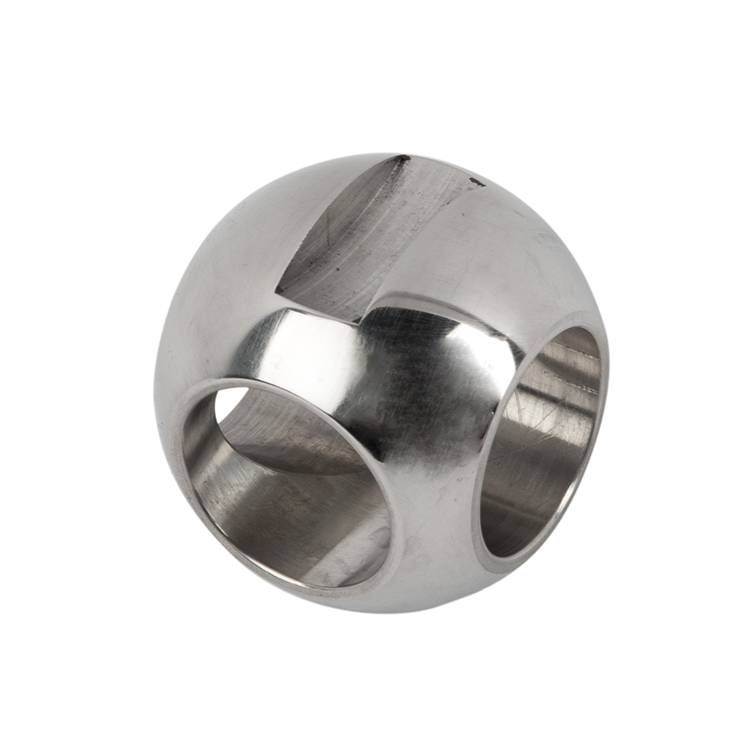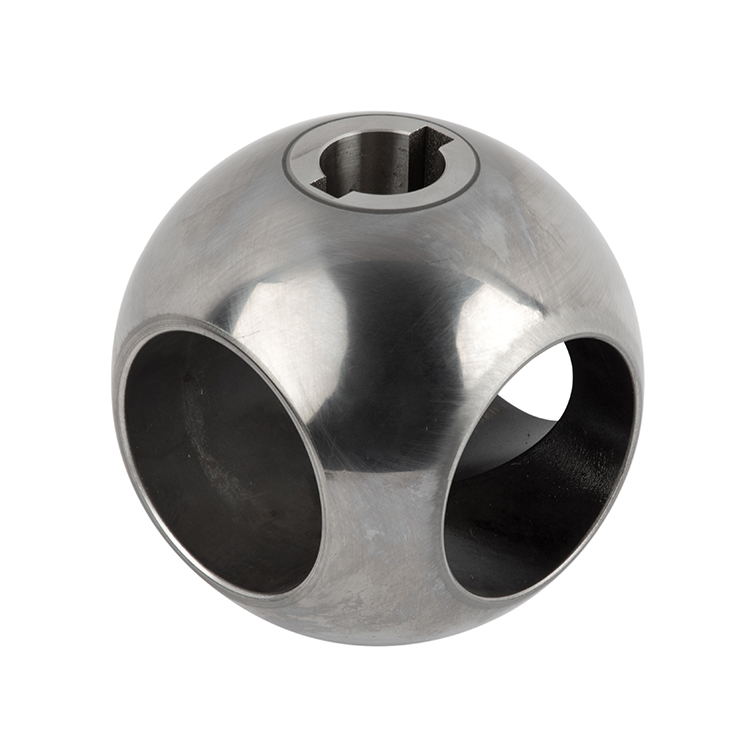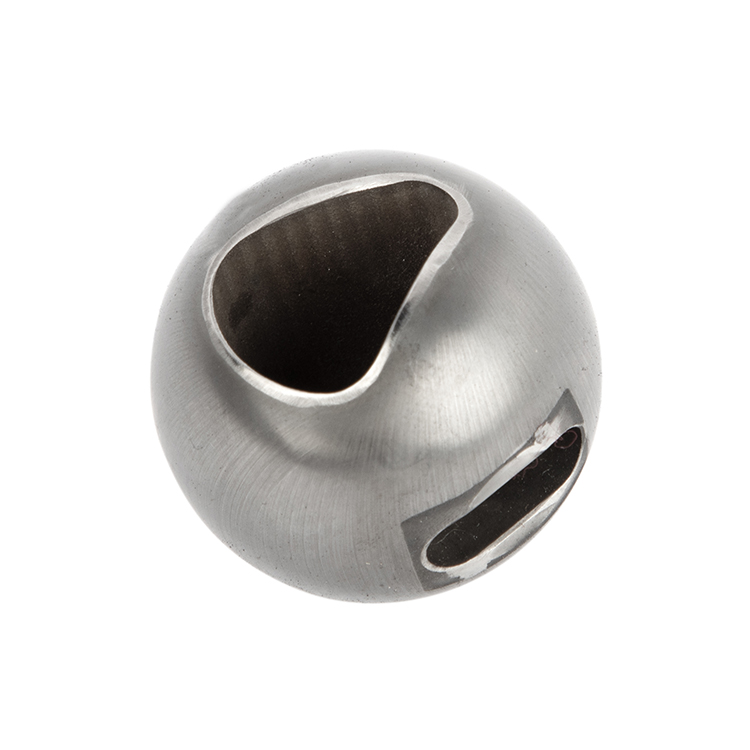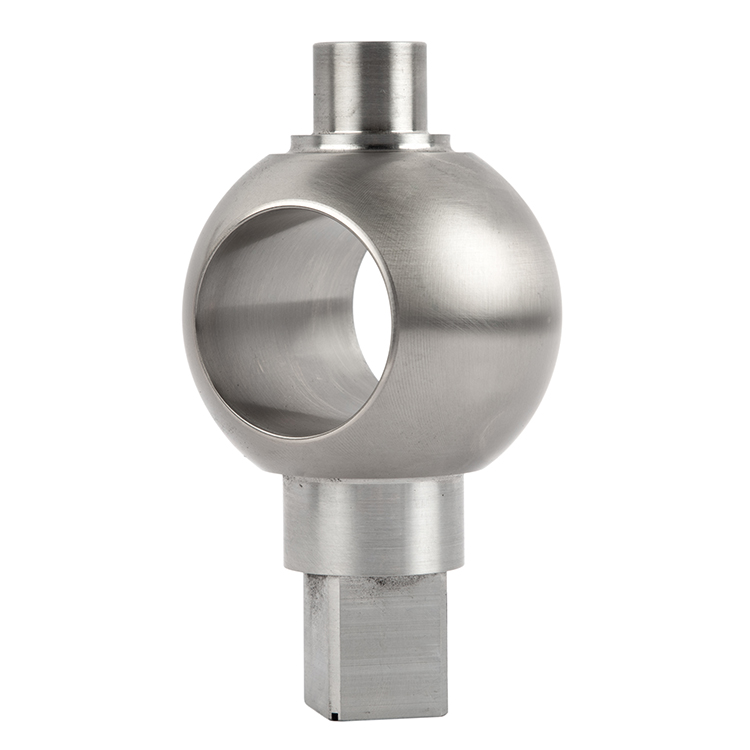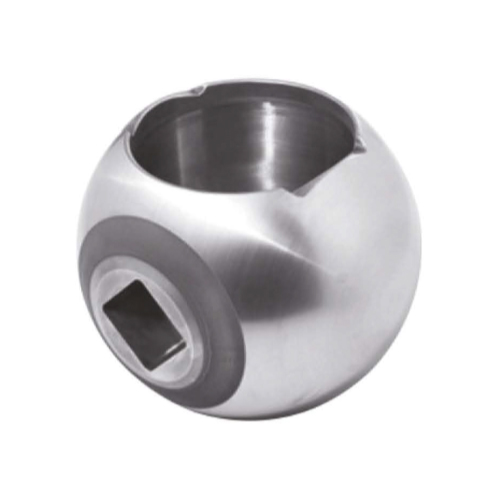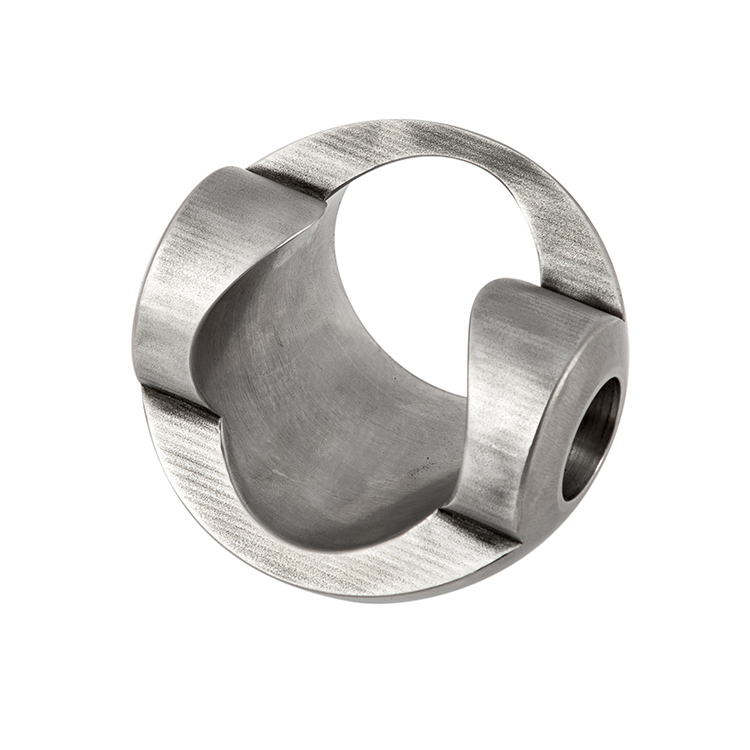


The quality of a ball valve body casting directly influences its pressure performance and reliability in industrial systems. Proper casting ensures the valve can withstand operating pressures, reduces the risk of leaks, and improves longevity. Understanding casting methods, material selection, and quality control is essential for industrial operators and procurement professionals.
The ball valve body forms the main pressure-containing structure. Its integrity depends on the casting process, material composition, and dimensional accuracy.
Methods include sand casting, investment casting, and die casting. Each method impacts surface finish, internal structure, and suitability for high-pressure applications.
Choosing the right alloy and adhering to quality standards ensures mechanical strength, corrosion resistance, and reliable pressure ratings.
Porosity, inclusions, and voids can compromise the strength of the valve body, lowering its pressure rating and creating safety risks.
Smooth, defect-free surfaces reduce stress concentrations, improving mechanical strength and extending valve life under high pressure.
Hydrostatic, pneumatic, and destructive testing verify that castings meet design pressure requirements, ensuring operational safety.
Inspections like dye penetrant, magnetic particle, and ultrasonic testing detect surface and internal flaws without damaging the valve body.
Precise dimensions ensure proper sealing, alignment, and compatibility with other system components.
Standards such as API, ANSI, and ISO provide guidelines for valve body inspection, ensuring consistent quality across industries.
Heat treatment, annealing, and surface hardening enhance mechanical properties and resistance to fatigue under high pressure.
Thicker walls, reinforced sections, and optimized geometry reduce stress concentrations and improve safety margins.
Regular inspection, cleaning, and lubrication extend the life of high-pressure ball valve bodies and maintain pressure performance.
Chemical processing requires corrosion-resistant, high-strength castings to safely handle aggressive fluids and high temperatures.
Oil and gas systems demand strict casting quality, high-pressure ratings, and rigorous inspection for safe operation.
Durable, well-inspected castings ensure long-term reliability in municipal and industrial water systems.
High-quality ball valve body casting is critical for pressure performance, operational safety, and long-term reliability. Optimized casting, inspection, and maintenance reduce risks and extend valve service life. For industrial-grade valves, Goteb provides high-quality ball valve bodies designed for demanding applications.
How does ball valve body casting quality influence pressure ratings?
Casting quality determines strength, integrity, and ability to meet design pressure safely.
What are common defects in ball valve casting?
Porosity, inclusions, voids, and surface irregularities are common defects affecting performance.
How is a high-pressure ball valve body inspected?
Through visual checks, ultrasonic testing, magnetic particle inspection, and hydrostatic tests.
Which industrial applications require the strictest valve body quality?
Chemical, oil and gas, and high-pressure utility systems demand the most stringent casting standards.


 Optimized by Seraphinite Accelerator