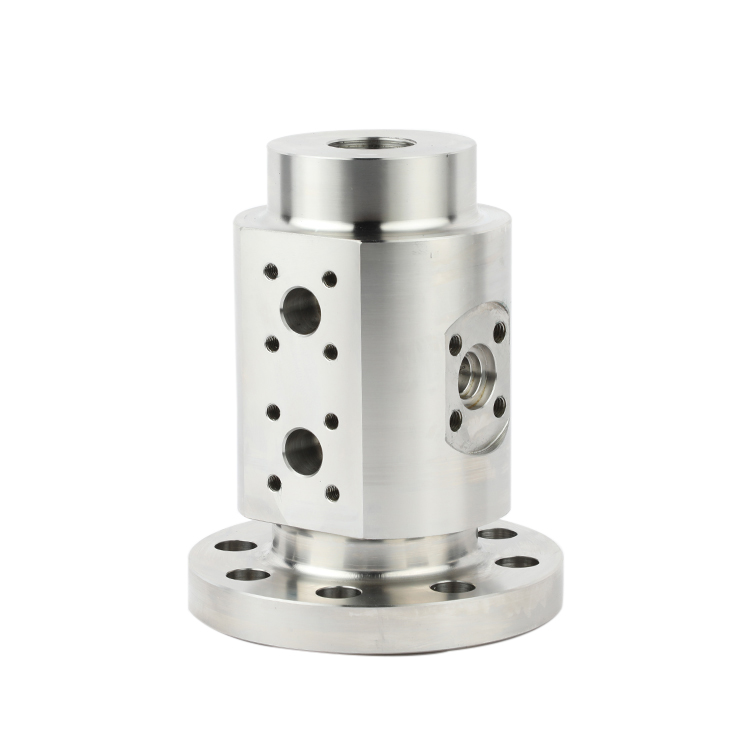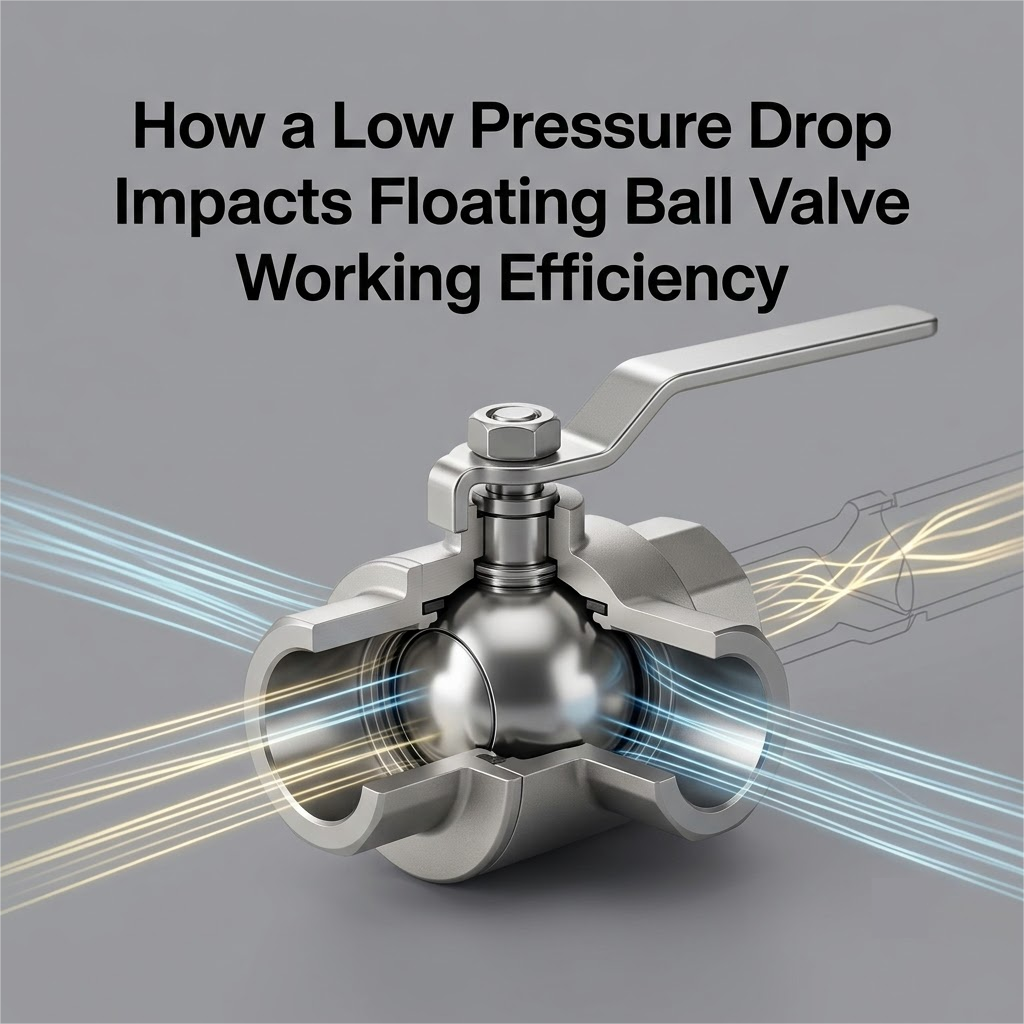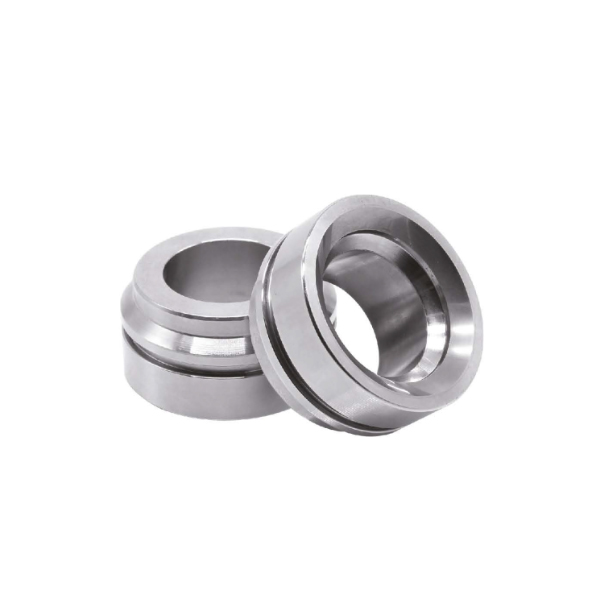


In heavy-duty industrial pipelines, managing high pressure requires massive mechanical support. At the center of this battle is the trunnion valve ball, the heavy-duty sphere that rotates to shut off heavy fluid streams. Understanding how this single component handles severe line stress is critical for your business to prevent premature seat wear and unexpected downtime.
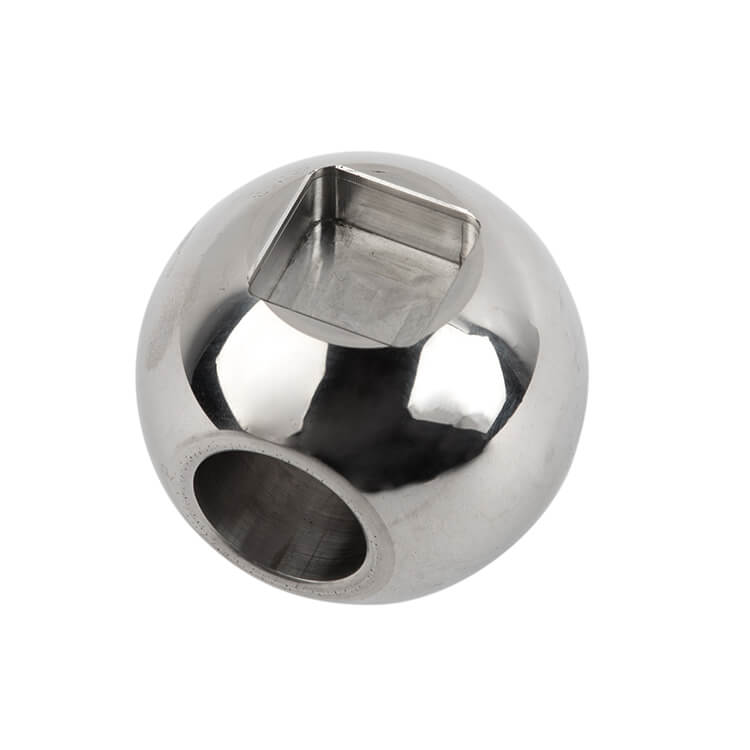
To understand why this specific design handles harsh environments so well, you have to look under the hood. In standard general-purpose valves, the ball floats freely. But in severe service, that free movement becomes a massive liability.
The Fixed Axis: A true trunnion valve ball features machined metal shafts (or journals) welded or forged directly onto the top and bottom of the sphere. These shafts fit into heavy-duty bearings inside the valve housing.
Zero Shifting: This structural layout means the sphere is permanently locked on a perfect vertical center line. No matter how hard the fluid pressure hits it from upstream, the ball cannot budge or slide downstream by even a fraction of a millimeter.
The Bearing Shield: Because the ball is anchored, the immense fluid force is transferred entirely into the valve body through these heavy-duty bearings, protecting the softer sealing faces from getting crushed.
The Application Boundary: This simple, elegant layout makes it incredibly stable. However, as detailed in our comprehensive trunnion ball valve guide, when lines get larger and pressures rise, this fixed-axis stabilization becomes non-negotiable to prevent total system failure.
For any pipeline operator, operating torque is a major financial metric. If a valve is incredibly stiff to turn, your business is forced to buy massive, expensive pneumatic or electric actuators to operate the system.
Friction Elimination: Because a standard floating ball valve jams into the downstream seat under pressure, the turning friction skyrockets as line pressure increases. A precisely machined trunnion valve ball completely eliminates this downstream jamming effect.
Predictable Torque Profiles: Since the fixed ball rotates smoothly on its bearings, the torque required to open or close the valve remains low and predictable, even at extreme differential pressures.
Lowering Capital Expenditure: This predictable performance allows your engineering team to select smaller, lighter, and far more budget-friendly automation packages, directly saving your business thousands of dollars per valve station.
Before diving into micro-level geometry, use this field scorecard to see how tiny deviations in trunnion valve ball tolerances directly trigger costly mechanical breakdowns.
| Precision Flaw | Primary Component Affected | Real-World Failure Mode | Engineering Prevention |
| Out-of-Roundness (Circularity Error) | Ball Core & Seat Rings | Localized micro-gaps creating a permanent internal bypass | Precision grinding to within a few microns |
| Bearing Sleeve Wear (Micro-Tilt) | Trunnion Shafts & Journals | Sphere tilts under pressure surges, wrecking seat alignment | Using heavy-duty, low-friction armored bearings |
| Uneven Spring Packing Force | Upstream & Downstream Seats | Excessive local squeezing causing seat cracking or cold flow | Implementing calibrated self-relieving seat designs |
| Stem Misalignment | Drive Stem & Packing Grand | Lateral bending load twisting the shaft; external packing leaks | Rigid dual-shaft anchoring to ensure pure torsional torque |
When sourcing components, technical buyers often overlook geometric tolerances. But when a valve is closed, the micro-level roundness of your trunnion valve ball is the only thing standing between a perfect seal and a catastrophic leak.
The Sphericity Battle: In high-pressure lines, the sphere must be ground to near-perfect roundness—often within a few microns. If the ball is even slightly out-of-round or oval-shaped, it will apply uneven pressure to the sealing rings during its 90-degree rotation.
Micro-Channel Formation: This uneven contact leaves tiny, invisible gaps between the metal ball and the seat. High-velocity fluid will instantly find these gaps, creating micro-channels that rapidly wash out your seals and cause a permanent internal bypass.
The Solution for Grit: When dealing with abrasive sands or scaling chemicals, pairing a high-precision sphere with a matched Metal Seated Valve Ball and Seat assembly ensures that particles are wiped clean away rather than trapping and scoring the sealing face.
In a standard trunnion mounted ball valve vs floating ball valve setup, the sphere stays perfectly still, and the seats do all the moving. How these seat rings are spring-loaded changes the physical squeezing force applied to the face of your trunnion valve ball.
Self-Relieving Dynamics (Single Piston Effect): In this common configuration, line pressure pushes the upstream seat against the ball. However, if pressure builds up dangerously inside the valve body cavity, it physically pushes the downstream seat away from the ball face, venting the excess pressure safely downstream.
Double Piston Effect (DPE) Redundancy: For critical isolation lines, DPE configurations push the seat rings tighter against the ball from both sides, regardless of where the pressure originates. This creates a bulletproof, redundant dual-barrier on a single sphere.
The Material Link: Choosing between these advanced mechanical layouts requires an intimate knowledge of your process fluid. Reviewing the different ball valve seat types ensures you select a polymer or metal hardness that can withstand these intense, shifting mechanical loads without cracking under stress.
While the ball and seats get all the attention, the invisible bearings supporting the trunnion shafts are the real unsung heroes. If these small sleeves degrade, the precision of the entire trunnion ball valve design collapses.
The Micro-Tilt Disaster: Over years of high-cycle operation, sand, grit, or chemical scale can find its way into the top and bottom bearing journals. This abrasive debris acts like sandpaper, grinding away the low-friction bearing lining.
Wrecking the Seat Contact: Once a bearing develops even a hair-thin amount of loose play, the trunnion valve ball will tilt slightly when hit by high-pressure surges. This tiny geometric shift ruins the perfectly flat contact with the spring-loaded seats.
High-Velocity Washouts: The moment that alignment breaks, fluid begins to weep past the gap. As detailed in our study on how bore size impacts ball and seat wear, restricting the flow path into these micro-gaps accelerates fluid velocity, acting like a liquid saw that permanently scores your valve components.
The connection between the driving mechanism and the fixed sphere is a critical wear point that dictates the long-term reliability of your entire piping layout.
Torsional Torque Only: In a fixed-axis system, the driving shaft (the stem) only has to deliver pure rotational torque to spin the ball. It does not experience the nasty lateral bending forces common in floating valve setups.
Protecting the Packing: Because the stem does not tilt or flex when fluid hits the ball, the top stem packing seals remain perfectly compressed. This stops hazardous external packing leaks before they can start.
The Automation Advantage: Keeping the stem aligned perfectly with the top and bottom trunnion bearings ensures that automated cycling stays smooth, preventing the valve from sticking halfway through an emergency shutdown sequence.
What is a trunnion ball valve definition in simple terms?
It is a valve where the internal sealing ball is anchored at the top and bottom to handle high pressures.
Why does a trunnion valve ball require top and bottom bearings?
The bearings absorb the massive pipeline pressure forces, keeping the ball centered and lowering the torque needed to turn it.
Can a damaged trunnion valve ball cause external packing leaks?
Yes, if the ball or bearings wear out of alignment, it forces the stem to tilt, ruining the top packing seals.
When are heavy-duty trunnion ball valve applications mandatory over floating designs?
They are required in large pipelines over six inches, high-pressure lines above Class 300, and severe, high-temperature chemical environments.
Investing in precision components is the ultimate way to protect your infrastructure from early sealing failure. From lowering automation torque costs to eliminating high-pressure bypass risks, a high-precision trunnion valve ball delivers the predictable reliability your system demands. Contact GOTEB today to consult with our engineers about sourcing ball valve components built for severe industrial applications.


 Optimized by Seraphinite Accelerator