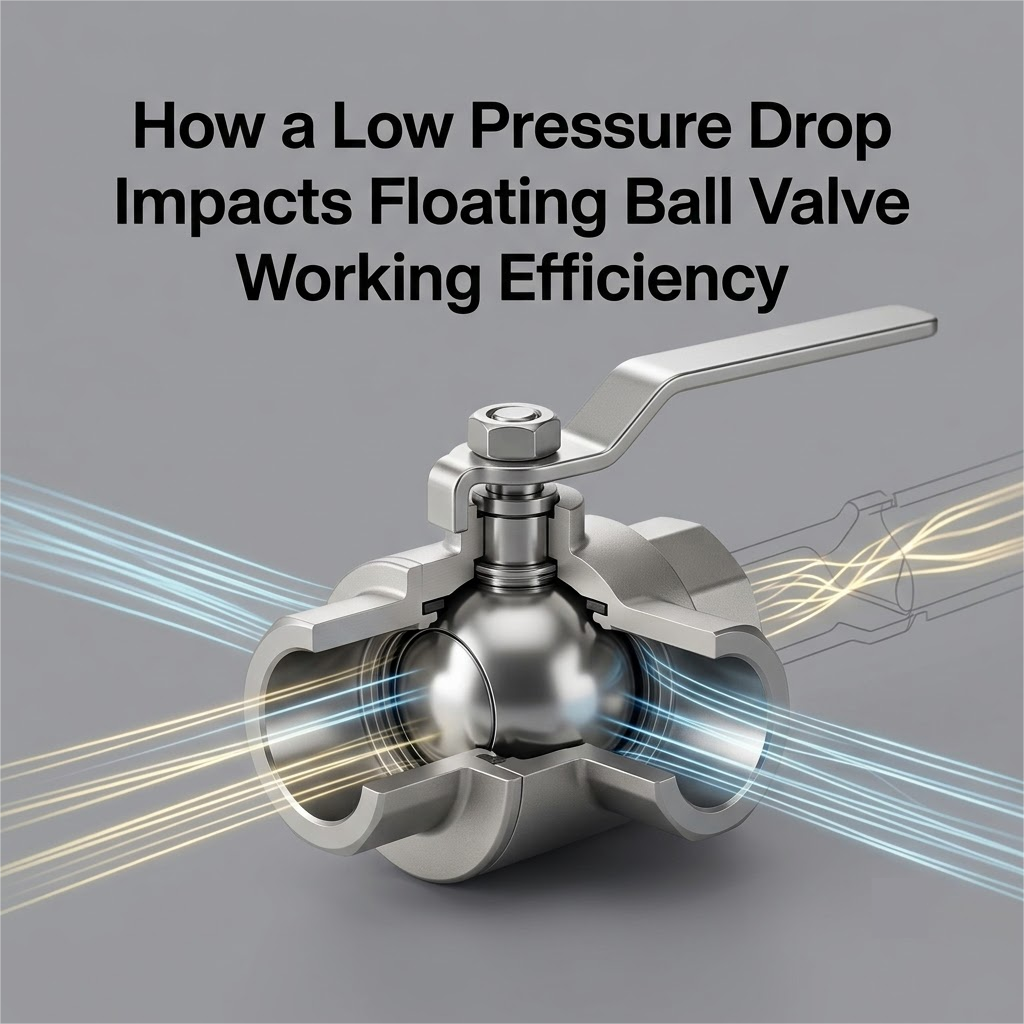


Internal leakage is a silent profit killer in industrial piping systems. Unlike external leaks that are easy to spot, internal bypass occurs behind closed doors, leading to product contamination, pressure loss, and significant safety risks. This guide explores how each internal component—from the sphere to the stem—contributes to leakage and how your business can achieve a zero leakage ball valve standard through precision engineering.
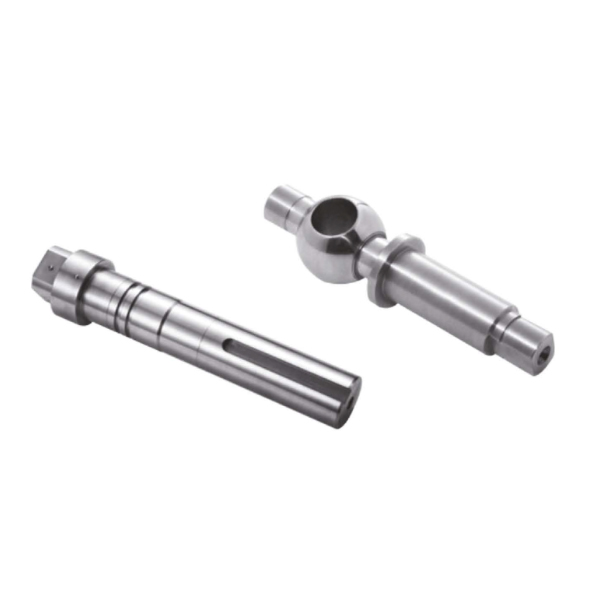
If the ball—the heart of the valve—has geometry errors, no amount of handle-turning will fix the internal bypass.
Sphericity Errors: If a sphere valve is slightly oval-shaped, it will lift off the seat during rotation, creating a gap every time it spins.
Surface Smoothness: A rough ball surface acts like a file, chewing up the ball valve seat and creating leaks within just a few cycles.
Lapping Perfection: To reach a zero leakage ball valve status in metal-to-metal systems, the ball and seat must be hand-polished together (lapping) for a perfect fit.
Material Integrity: High-grade alloys prevent the ball from “pitting” or eroding under high-velocity flow, which would otherwise create permanent leak channels.
Dynamic Alignment: Precision machining ensures the ball sits perfectly centered within the seats, even under the fluctuating pressures of a live pipeline.
Corrosion Resistance: Selecting a ball material that resists oxidation ensures the sealing surface remains smooth and free of “rust scale” that can tear seats.
The ball valve seat is the “gatekeeper” of your valve. When it fails, fluid slips through the gaps even when the handle is turned to the “off” position.
Abrasive Wear: Fine particles like sand, scale, or rust act like sandpaper, grinding down the sealing surface every time the valve cycles.
Thermal Deformation: High temperatures can cause seat materials to soften or “flow,” losing the elastic memory needed to spring back against the ball.
Chemical Degradation: Aggressive chemicals can make a soft seat brittle or cause it to swell, both of which destroy the tight seal.
Cold Flow (Creep): Under constant high pressure, polymer seats can slowly “creep” or sag over time, creating permanent microscopic leak paths.
Debris Entrapment: Small solids can get embedded in the soft seat material, preventing the ball from making full contact and leaving a permanent gap for fluid bypass.
High-Velocity Erosion: When a valve is “cracked” open, high-velocity fluid can “wash out” portions of the seat, a phenomenon known as wire-drawing.
Choosing the right sealing strategy means matching the armor to the specific threat of your application.
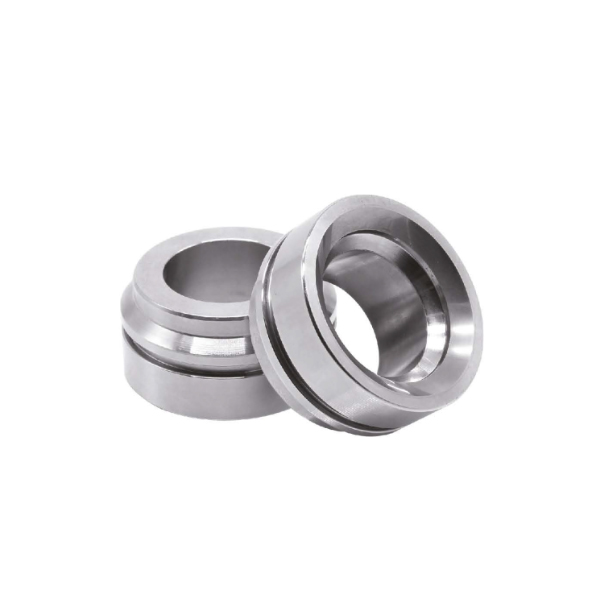
Soft Seats for “Bubble-Tight” Success: For clean air, water, or chemicals at moderate temperatures, soft-seated valves are ideal because they mold themselves to the ball’s surface for a perfect seal.
Metal Seats for Severe Service: When upgrading to metal ball valve seats when soft seats are no longer enough, you are choosing armor for slurries and high heat where plastic would shred.
The Precision Balance: A Metal Seated Valve Ball and Seat requires elite manufacturing because metal doesn’t “squish” to hide imperfections; it relies on mechanical harmony.
Selection Strategy: Always consult a ball valve seat material selection guide to ensure the material survives your pipeline’s specific temperature and chemistry.
Lifecycle Costing: While metal seats have a higher upfront cost, they often provide a lower total cost of ownership by reducing the frequency of internal leakage repairs.
Comparison: Ball Valve Seating Strategies to Stop Internal Leakage
| Failure Factor | Soft Seated Ball Valve | Metal Seated Ball Valve |
| Sealing Standard | Bubble-Tight (API 598) | Class V or VI (Minimal Leak) |
| Max Temperature | Up to 250°C | Up to 600°C+ |
| Abrasion Resistance | Low (Scratches easily) | Excellent (Handles solids/grit) |
| Main Leakage Cause | Thermal deformation & wear | Geometry errors & alignment |
| Operating Torque | Lower friction | Higher (Requires larger actuator) |
| Service Life | Short in harsh media | Long-term in severe service |
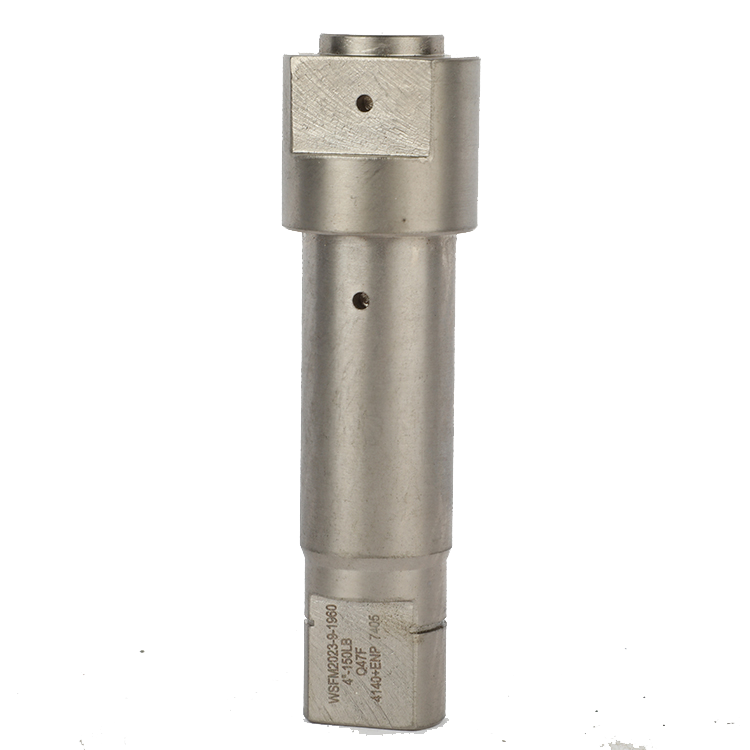
A bent or uncentered ball valve stem is a major culprit for “mysterious” internal leaks that many technicians overlook.
Side-Loading Stress: A misaligned stem pushes the ball to one side, creating excessive pressure on one seat while leaving a gap on the other.
Slot Wear: The connection point between the stem and ball (the slot) can develop “play,” causing the ball to wobble instead of rotating precisely.
Stem Binding: A stuck or tight stem can prevent the ball from reaching the full 90-degree closed position, leaving the valve cracked open just enough for a leak.
Actuator Calibration: If the actuator stops just 1 or 2 degrees before the ball is fully sealed, internal bypass is inevitable.
Torque Management: Excessive torque can twist the stem over time, leading to long-term misalignment and accelerated seat damage.
Vibration Fatigue: In high-flow environments, stem vibration can cause the ball to “chatter” against the seat, slowly destroying the seal interface.
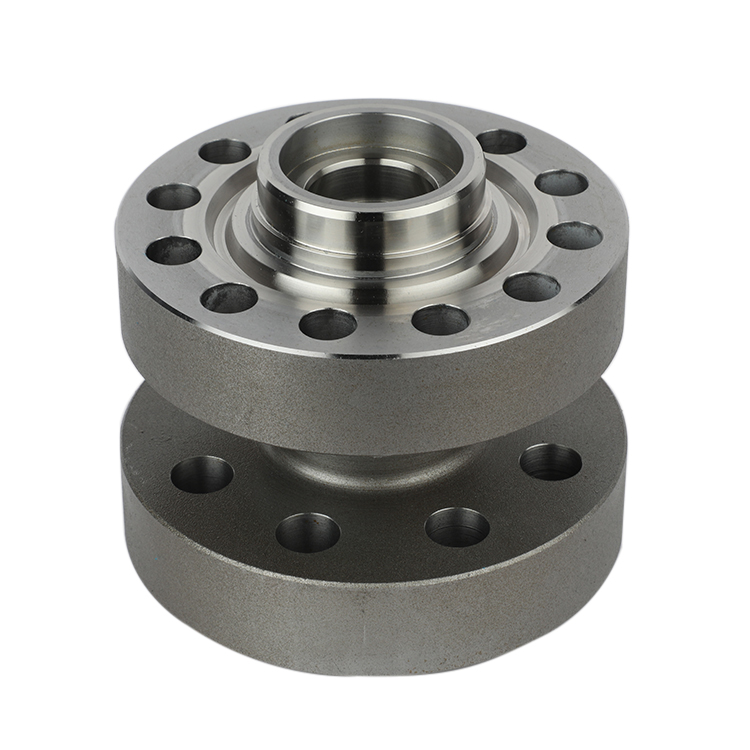
The ball valve body parts provide the structural foundation for the entire valve. If the foundation is warped, the internal seals will fail.
Cavity Pressure Build-up: Trapped fluid in the body cavity can expand due to heat, warping the seat pocket and pulling the seat away from the ball.
Internal Pitting: Corrosion inside the valve body where the seat ring sits allows fluid to “sneak” around the back of the seat, bypassing the seal ring entirely.
Body Bolting Inconsistency: Unevenly tightened body bolts can twist the valve structure, breaking the delicate alignment of the internal seals and leading to immediate bypass.
Thermal Expansion Gaps: In extreme heat, the valve body may expand at a different rate than the internal components, creating temporary leak paths if not properly engineered.
Engineering isn’t just about the initial build; it’s about the proactive care after installation to prevent leakage.
System Flushing: Flushing the lines during commissioning removes welding slag and debris that could ruin the seats before the valve even starts its job.
Regular Cycling: Regularly turning the valve (at least once a quarter) keeps seats flexible and clears any mineral buildup on the ball surface.
High-Precision Sourcing: Investing in components with tighter tolerances drastically reduces the frequency of internal leakage and unplanned downtime.
Ultrasonic Monitoring: Using ultrasonic tools to “hear” bypass allows your business to catch leaks before they become catastrophic failures.
Lubrication Management: For valves that allow it, proper lubrication of the stem and seat interface reduces friction and wear.
How can I detect internal leakage without removing the valve?
Monitor downstream pressure gauges for a rise during closed cycles or use ultrasonic leak detection tools.
Will a higher torque actuator stop internal leakage?
No; excessive force usually damages the ball valve seat or twists the stem, making the leak worse.
Can I repair a scratched metal valve ball?
Generally no; once the precision-ground surface is breached, the ball requires replacement to restore sealing integrity.
Is “Zero Leakage” actually possible in metal-seated valves?
Yes, with high-precision lapping and spring-loaded designs, metal seats can achieve API 598 standards.
Solving ball valve internal leakage requires looking at the valve as a holistic system rather than isolated parts. From the ball valve seat material to the precision of the ball’s geometry, every micron matters in maintaining a tight seal. Contact GOTEB today to consult with our engineers on high-precision components that guarantee a tighter seal and a longer service life for your pipeline.


 Optimized by Seraphinite Accelerator