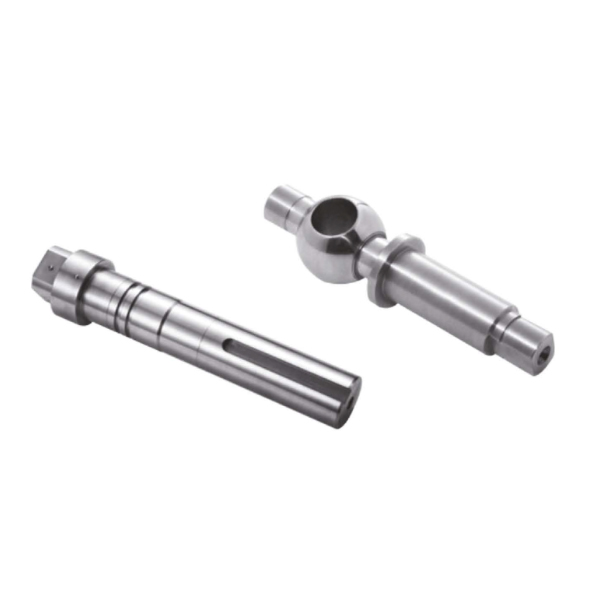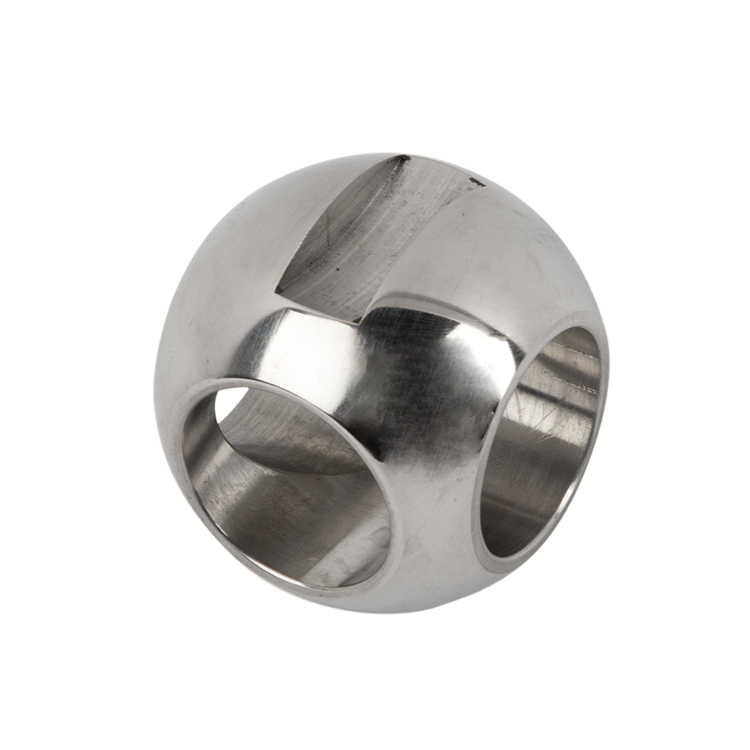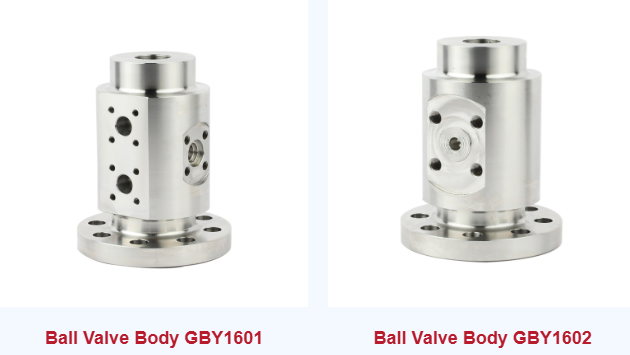

You rely on your industrial pipelines to perform efficiently and safely. Maintaining your Ball Valve Trunnion Ball is crucial for preventing leaks, ensuring smooth operation, and extending the lifespan of high-pressure valves. Proper maintenance reduces downtime, keeps your flow stable, and protects your investment in industrial infrastructure.
Pay attention to the trunnion ball, seats, stem, and seals. Each part affects torque, sealing performance, and overall valve reliability. Regular inspection helps detect wear before it impacts operation.
Look for corrosion, surface pitting, or unusual torque when operating the valve. Early detection prevents costly repairs and reduces the risk of system failure in critical pipelines.
High-pressure systems require scheduled inspections. Evaluate valve usage frequency, pipeline pressure, and fluid type to set maintenance intervals that keep your Ball Valve Trunnion Ball in optimal condition.
Clean deposits and apply suitable lubricants to reduce friction. This maintains smooth operation and prevents binding or sticking of the trunnion ball.
Monitor torque to ensure consistent operation. Adjust or replace components if torque exceeds recommended levels for your Ball Valve Trunnion Ball.
Inspect seals for wear and replace if necessary. Proper sealing maintains flow efficiency and prevents leaks, which is especially important in high-pressure pipelines.
Leakage may result from worn seals or misalignment. Prompt replacement ensures safety and efficiency.
Choose corrosion-resistant materials and inspect surfaces regularly to prevent material degradation affecting valve performance.
Check for debris, improper lubrication, or damaged components. Maintaining a Ball Valve Trunnion Ball in good condition reduces these operational issues.
Regular maintenance ensures safe operation under extreme pressures and harsh fluids.
Preventive inspection reduces downtime and maintains high system reliability.
Routine checks help maintain flow efficiency and longevity of your trunnion ball valves.
Maintaining your Ball Valve Trunnion Ball is essential to ensure long-term performance, prevent leaks, and sustain smooth operation in industrial pipelines. By following best practices, you protect your investment and optimize system efficiency. For trusted solutions, explore GOTEB for professional trunnion ball valves.
How often should I inspect my trunnion ball valves?
Inspection frequency depends on pressure, fluid type, and usage intensity; high-pressure pipelines require more frequent checks.
What are common maintenance issues for trunnion balls?
Corrosion, wear, surface pitting, and torque inconsistency are typical problems.
How can I extend the life of a Ball Valve Trunnion Ball?
Use proper materials, follow lubrication guidelines, and conduct regular inspections.
What industries benefit most from trunnion ball valve maintenance?
Oil and gas, chemical plants, and water treatment systems gain the most from regular maintenance practices.


 Optimized by Seraphinite Accelerator